
What Shark Teeth Really Tell Us About Human Dental Biology
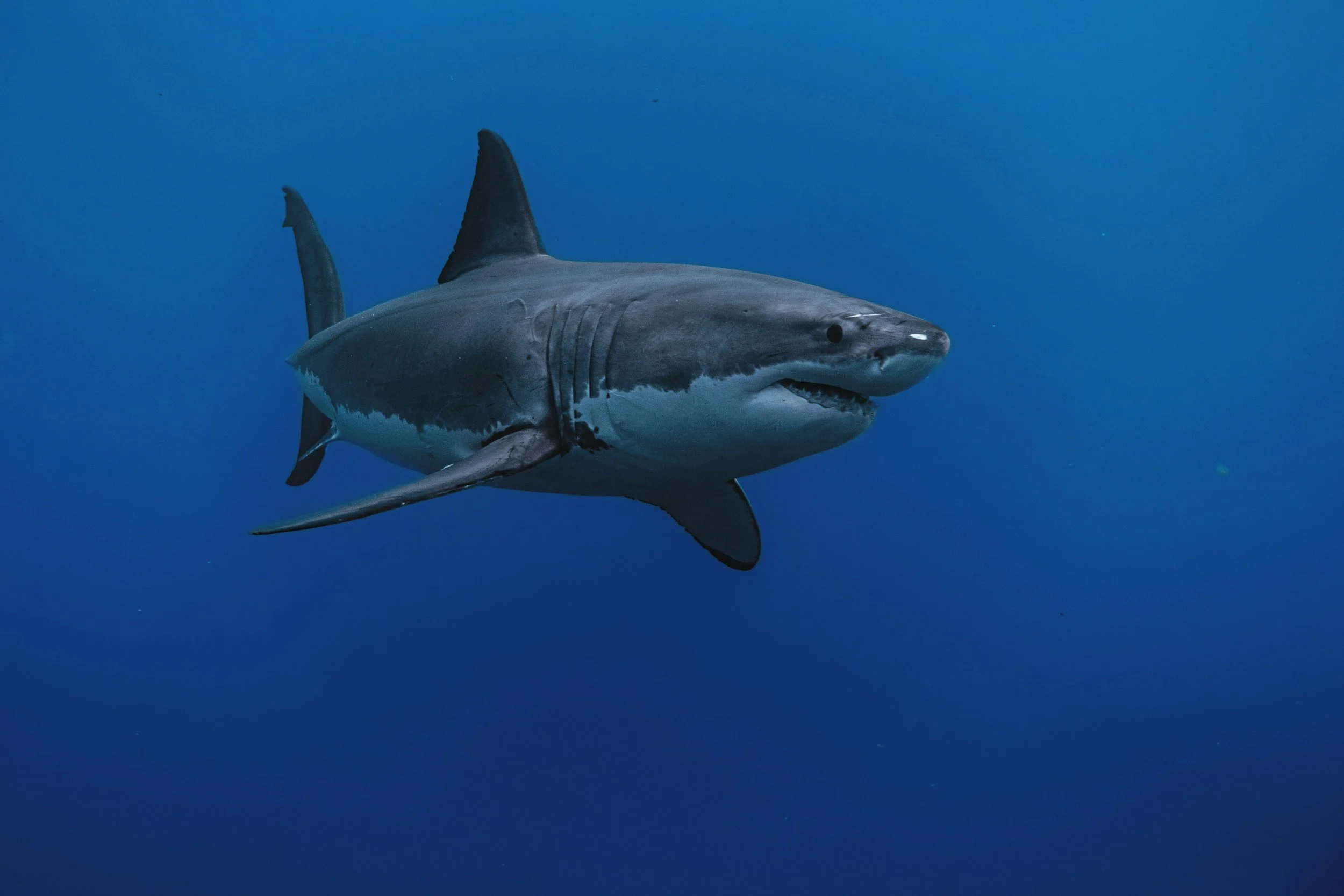
For decades, living sharks have been treated as “living fossils” — often cited as models for understanding how human teeth develop and regenerate. Their continuous tooth replacement has made them a tempting reference point in discussions about dental evolution and even future therapies.
However, new fossil-based research suggests that this long-held assumption may be misleading.
A study led by researchers from University of Bristol and the Naturalis Biodiversity Center, published in Nature Ecology and Evolution, indicates that the dentitions of modern sharks are not representative of the earliest jawed vertebrates — and may not be the best biological model for understanding human tooth development.
Teeth Evolved Once — Dentitions Did Not
The research confirms that teeth likely evolved a single time in vertebrate history. What followed, however, was not a straight evolutionary line.
Instead, complex dentitions — organized systems of teeth designed for long-term function and replacement — appear to have been gained, lost, and reorganized repeatedly across evolutionary history. Fossil evidence shows that early jawed vertebrates had tooth arrangements very different from those seen in modern sharks.
This matters because how teeth are organized, replaced, and integrated into the jaw has implications for how we understand durability, wear, and long-term function — not just appearance.
Fossils vs. Living Models
Using high-energy X-ray imaging at the Swiss Light Source, researchers examined fossilized jaw and tooth structures of ancient shark relatives known as ischnacanthid acanthodians. These species exhibited multiple, orderly rows of teeth along the margins of the jaw — a pattern that differs significantly from the tooth “whorls” seen in modern sharks.
These findings challenge the assumption that living sharks represent the ancestral condition for vertebrate dentitions.
In other words, relying solely on modern species can obscure what actually existed in the past — a principle that applies just as much to biology as it does to clinical diagnosis.
Why This Matters for Dentistry and Therapeutics
Shark tooth replacement has often been referenced in speculative discussions about tooth regeneration and dental therapeutics. This study suggests caution.
If the mechanisms that govern tooth organization and replacement in sharks differ fundamentally from those that shaped early vertebrates — and ultimately humans — then they may offer limited insight into treating human dental conditions.
Effective care and future therapies depend on understanding human-relevant biology, not just dramatic examples from nature.
A Broader Takeaway
Dentitions are not simply collections of teeth — they are highly organized systems designed to function over a lifetime. Fossil evidence reminds us that durability, structure, and long-term integration have always mattered more than rapid replacement alone.
In dentistry today, the same principle applies: outcomes should be judged by how well they function and hold up over time, not by how quickly they are achieved.
Why This Research Still Matters
Studies like this don’t immediately change clinical practice — but they refine how we think. They remind us that biological systems are complex, that assumptions deserve scrutiny, and that thoughtful planning is rooted in understanding structure, function, and history.
That perspective — grounded in evidence rather than analogy — is essential when applying science to human health.
Reviewed and Updated January 2026