

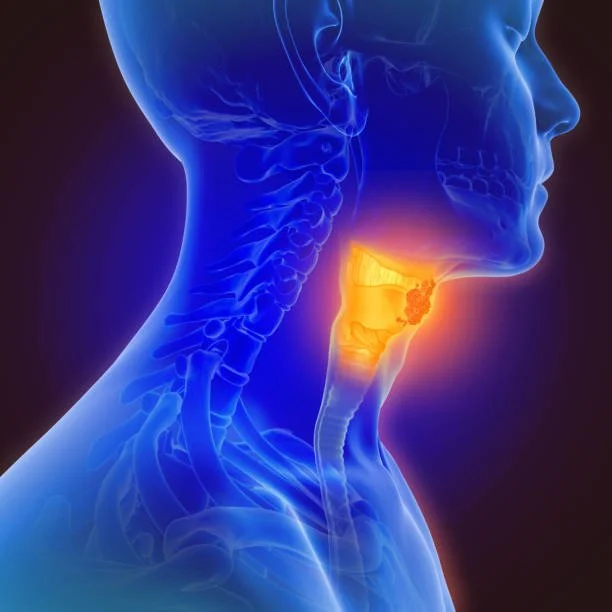
The 7 Warning Signs of Mouth Cancer: What You Need to Know
Oral cancer often develops quietly, appearing as nothing more than a stubborn sore or a faint patch of color. However, early detection is the single most important factor in successful treatment. From persistent mouth sores to subtle changes in your voice, recognizing these 7 warning signs can save your life. Learn what to look for during your monthly self-exam and when it’s time to seek a professional evaluation.
Mouth cancer (oral cancer) can be a silent traveler, often developing without significant pain in its early stages. However, your body usually provides subtle clues. At the office of CJ Henley DMD, we believe that being proactive is the best defense.
Recognizing these seven warning signs is the first step toward early diagnosis and successful treatment.
1. Persistent Sores That Don't Heal
A common red flag is a sore or ulcer that lingers for more than two weeks. While most canker sores clear up quickly, a persistent lesion—especially one that doesn't hurt—requires a professional oral medicine diagnosis to rule out malignancy.
2. Red or White Patches
Keep a close eye on the "landscape" of your mouth. Unusual red (erythroplakia) or white (leukoplakia) patches on the gums, tongue, or lining of the cheeks can be precancerous. If you notice a change in color that doesn't scrape off, it’s time for a check-up.
3. Unexplained Lumps or Thickening
If you feel a "bump in the night" (or day) inside your mouth or on your neck, pay attention. Any new lump or thickening of the tissues in the oral cavity or the head and neck region should be evaluated by a specialist immediately.
4. Chronic Sore Throat or Hoarseness
A sore throat that won't go away—or the constant feeling that something is "stuck" in your throat—can indicate issues deeper in the pharynx. Changes in your voice or persistent hoarseness are also signs that the vocal cords or surrounding tissues may be affected.
5. Difficulty Chewing or Swallowing
Pain or stiffness when moving your jaw or tongue can be more than just a muscle strain. If you find it increasingly difficult to chew, swallow, or speak, it may be due to a growth interfering with the normal function of your oral structures.
6. Numbness or Pain
Unexplained numbness in the tongue, lips, or face is a significant warning sign. This often happens when a tumor affects the underlying nerves. Similarly, persistent pain in the ear without any loss of hearing can sometimes be "referred pain" from the mouth.
7. Loose Teeth or Ill-Fitting Dentures
Unless you have advanced periodontal disease, teeth should stay put. If your teeth are loosening without an obvious cause, or if your dentures suddenly feel uncomfortable or "tight," it could indicate a change in the underlying bone structure of the jaw.
Why Early Detection Matters
The key to beating oral cancer is catching it before it spreads. During a routine exam, Dr. Henley performs thorough screenings to look for these signs, often identifying issues before they are visible to the naked eye.
Pro Tip: Perform a self-exam once a month in a well-lit mirror. Look under your tongue, check the roof of your mouth, and feel along your jawline for anything unusual.
If you have noticed any of these signs for more than 14 days, don't wait for your next cleaning. Early intervention is the most powerful tool we have.

Paul Revere: The first American forensic dentist
Paul Revere inadvertently became America’s first forensic dentist when he was given the gruesome task of identifying the body of Dr. Joseph Warren, the man who sent him on his famous “midnight ride.” Warren was struck down by a British bullet during the Battle of Bunker Hill on June 17, 1775 and his corpse was buried in a mass grave. When Warren’s family unearthed the grave nine months later, visual identification of the bodies inside was near impossible because they had decomposed. So Revere, the man who crafted the slain officer’s false teeth, was asked to locate Warren’s remains by finding the ivory dentures he crafted and wired to Warren’s jaw.
Read the full article at Strange Remains
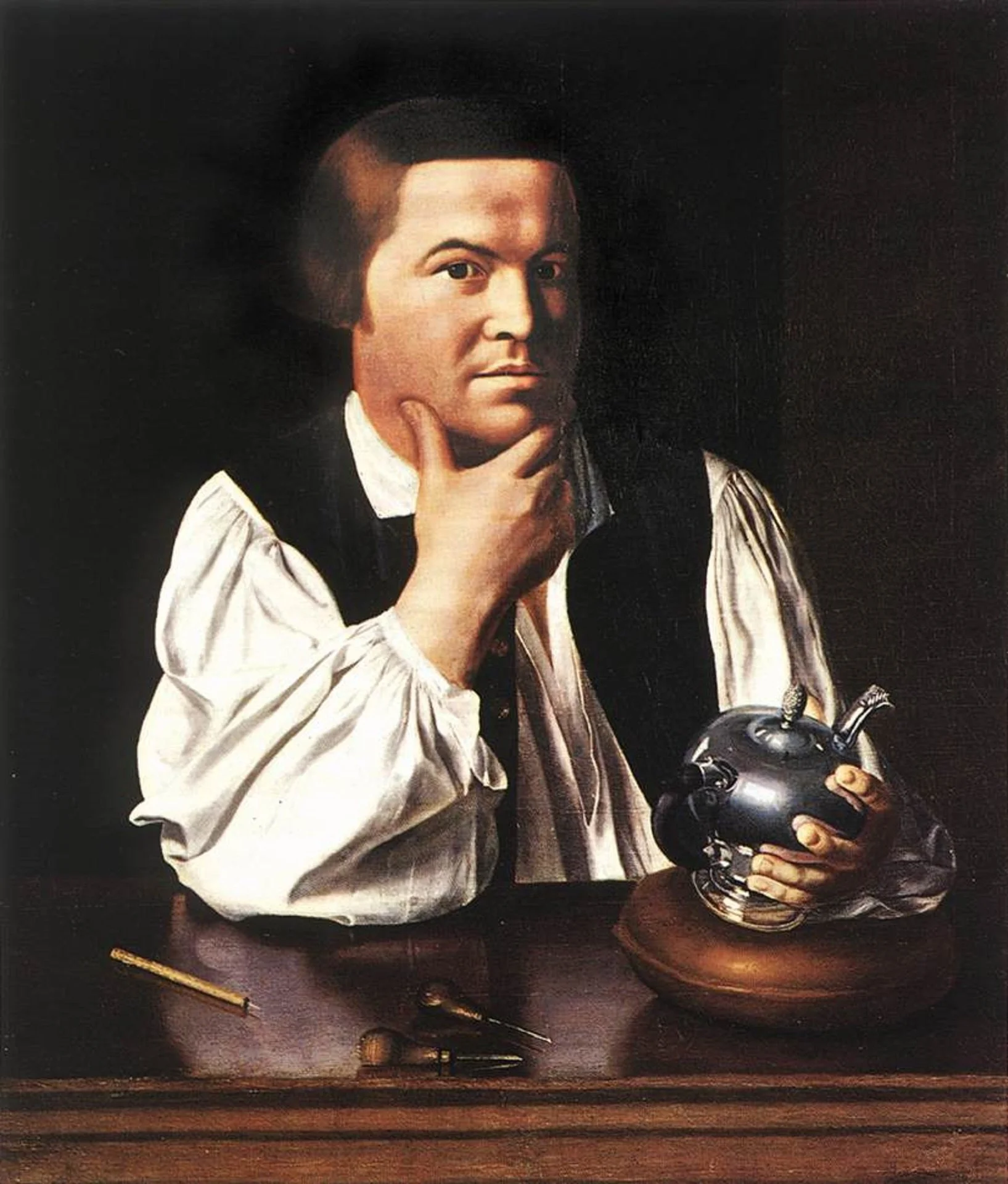
Paul Revere, silversmith and patriot, is widely regarded as America’s first forensic dentist after identifying Dr. Joseph Warren through dental prosthetics following the Battle of Bunker Hill.
Paul Revere is best known for his midnight ride that helped ignite the American Revolution, but few people realize he also played a pivotal role in the early history of forensic dentistry. In fact, Paul Revere is widely regarded as America’s first forensic dentist—long before the field had a name.
Revere’s contribution to forensic identification occurred after the death of his close friend, Dr. Joseph Warren. Warren, a respected physician, patriot, and leader of the revolutionary movement, was killed by a British musket ball during the Battle of Bunker Hill on June 17, 1775. His body was buried hastily in a mass grave alongside other fallen soldiers.
Nine months later, Warren’s family sought to recover his remains. By that time, decomposition had made visual identification nearly impossible. Facial features, clothing, and other distinguishing characteristics were no longer reliable. What remained identifiable, however, was something far more durable than soft tissue: dentistry.
Paul Revere had crafted Warren’s dental prosthetics—ivory dentures wired directly to the jaw, a common practice in 18th-century dentistry. When the grave was exhumed, Revere was asked to examine the remains. He located the body by identifying the custom dentures he himself had fabricated. This moment is widely considered the first documented case of dental identification used for forensic purposes in the United States.
Why this matters today
This event marks the foundation of what we now call forensic odontology—the use of dental science to identify human remains. Teeth and dental restorations are among the most durable structures in the human body. They withstand decomposition, fire, and trauma better than most tissues, making them invaluable in forensic investigations.
Modern forensic dentistry builds on the same principle Revere used over 250 years ago: individualized dental characteristics can uniquely identify a person. Today, this includes dental charts, radiographs, restorations, implants, bite patterns, and even microscopic enamel features.
The evolution of forensic dentistry
What began with hand-carved ivory dentures has evolved into a highly specialized field used worldwide. Forensic dentists now assist in identifying victims of natural disasters, aviation accidents, criminal investigations, and mass casualty events. Digital radiography, 3D imaging, and advanced dental materials have dramatically increased accuracy and reliability—but the core concept remains unchanged.
Dentistry’s role beyond teeth
This story also highlights an often overlooked truth: dentistry has always been deeply connected to medicine, anatomy, and public service. Dentists are trained to recognize patterns, document structures, and work with precision—skills that translate directly into forensic science.
From the American Revolution to modern disaster victim identification, dental science has played a quiet but critical role in history.
Reviewrd and Updated January 2026