


Her Song and Tim Tebow Foundation Donations
Our office works with the Her Song organization in providing preventative dental care and completing restorative work, giving girls a newfound confidence and joy with each treatment. Her Song organization has recently started a new donation goal. There are two ways you can donate you can either donate on the Her song donation page or through the Tim Tebow foundation donation page. Her Song also has an Amazon wish list if you would like to help that way.
Her Song is an organization who’s mission is to interrupt the cycle of human trafficking and leading the exploited to freedom through Survivor Care, Victim Outreach, and Education. The Tim Tebow Foundation is committed to engaging in the global fight against human trafficking and supporting the rescue and restoration of those who have been trafficked or who are at risk of becoming victims. They are accomplishing this goal in three primary ways - proactively, reactively, and relationally.
Our office works with the Her Song organization in providing preventative dental care and completing restorative work, giving girls a newfound confidence and joy with each treatment.
Her Song is a group of Christian people who are called, equipped, and sent according to the Gospel. The Tim Tebow Foundation also works very closely with the Her Song organization and the Tim Tebow Foundation has recently started a new donation goal. There are two ways you can donate you can either donate on the Her song donation page (Link Below) or through the Tim Tebow foundation donation page (Link Below). Her Song also has an Amazon wish list if you would like to help that way.
https://www.hersong.org/make-a-donation
https://support.timtebowfoundation.org/site/Donation2?idb=946733409&1400.donation=form1&df_id=1400&mfc_pref=T&idb=0

Our Office Will be Closed For Continuing Education
Our office will be closed from June 24, 2021 to June 28th, 2021 (06/24/2021 - 06/28/2021) for the Florida Dental Association Convention and continuing education. We will reopen on June 29th, 2021 and resuming our normal business hours. If you are experiencing a true Dental Emergency, please contact us at (904) 762-5616

Uneven Jaw
An uneven jaw can contribute to issues with eating, sleeping, talking, and breathing. There are a range of causes of an uneven jaw. Some cases can be treated and improved with physical therapy. Others may require corrective surgery.
Overview
An uneven jaw can contribute to issues with eating, sleeping, talking, and breathing. There are a range of causes of an uneven jaw. Some cases can be treated and improved with physical therapy. Others may require corrective surgery.
Read on to learn more about uneven jaw causes, treatments, and more.
Symptoms of an uneven jaw
Symptoms of an uneven jaw are often similar to those of other conditions. They may include:
pain in the temple
pain in the jaw joint area
clicking jaw
tight jaw
pain in shoulder or back
popping in ear
Causes and treatments of an uneven jaw
Jaw function requires tendons, bones, and muscles to work together. An imbalance in any of these structures can lead to the entire jaw becoming uneven.
There are several reasons why your jaw may be uneven, including:
Trauma or broken jaw
Trauma can occur during an accident, fall, assault, or a sports-related injury. Trauma can result in your jaw being broken, fractured, or dislocated.
A slight fracture will usually heal on its own. A major break in the jaw could require surgery to help the jaw heal properly. A dislocated jaw may need to be surgically stabilized.
TMJ disorders
Temporomandibular joint disorders (TMJ) are very common. Trauma or arthritis may be the cause of TMJ. Sometimes the symptoms can occur without an obvious cause, though.
You can treat TMJ by doing the following:
Apply ice to your jaw to reduce pain and inflammation.
Take an over-the-counter pain reliever, such as acetaminophen (Tylenol) or ibuprofen (Advil).
Avoid strenuous jaw movements.
Wear an orthopedic dental appliance to raise your bite and reposition the jaw.
Practice TMJ exercises to reduce pain and improve your jaw’s movement.
Manage and reduce stress to help relax your jaw.
Birth defects
You may have been born with a jaw condition. For example, you may have a naturally crooked jaw. This is also referred to as a “faulty jaw.” A faulty jaw may be corrected with surgery or can be managed with supportive care and lifestyle changes.
Teeth alignment
An uneven jaw may be due to teeth misalignment. Your teeth may not be allowing your jaw to settle in its correct position. Braces or retainers can help correct this. It may take a period of 6 to 18 months for results to show. In severe cases, it may take longer.
Surgery for uneven jaws
Correcting your jaw position sometimes requires surgery. The type of surgery chosen will depend on the underlying cause of your uneven jaw. Your doctor may choose:
Maxillary osteotomy. This is a surgery performed on the upper jaw to correct open bites or cross bites. The upper jaw and teeth are moved forward so they align with the lower jaw and teeth.
Mandibular osteotomy. This surgery corrects issues such as overbite and protruding lower jaw. Your surgeon cuts in the back of your mouth to move the lower jaw forward or backward.
Genioplasty. Genioplasty will fix a small or crooked chin. The jaw and chin are restructured by cutting the chin bone in the front of the jaw.
Jaw wiring. Jaw wiring is used to position the jaw in a certain place or provide support in the case of a fracture or break.
Takeaway
Braces or dental appliances can often treat an uneven jaw. More serious cases often need surgery.
If your jaw is causing you extreme pain, whether chronic or after an injury, see your doctor. They can assess the underlying cause of the pain and work with you to find relief.

Tobacco Use and Cessation
All of the major forms of tobacco used in the U.S. have oral health consequences. Cigarette smoking can lead to a variety of adverse oral effects, including gingival recession, impaired healing following periodontal therapy, oral cancer, mucosal lesions (e.g., oral leukoplakia, nicotine stomatitis), periodontal disease, and tooth staining.
All of the major forms of tobacco used in the U.S. have oral health consequences. Cigarette smoking can lead to a variety of adverse oral effects, including gingival recession, impaired healing following periodontal therapy, oral cancer, mucosal lesions (e.g., oral leukoplakia, nicotine stomatitis), periodontal disease, and tooth staining. Use of smokeless tobacco is associated with increased risks of oral cancer and oral mucosal lesions (e.g., oral leukoplakia).Smokeless tobacco use also causes oral conditions such as gingival keratosis, tooth discoloration, halitosis, enamel erosion, gingival recession, alveolar bone damage, periodontal disease, coronal or root-surface dental caries due to sugars added to the product, and tooth loss.
In addition to its systemic effects, described previously, nicotine, especially that contained in nicotine replacement therapies, can have various local oral effects, including local burning sensation, throat irritation, dry lips, and mouth ulcers (depending on the formulation/method of administration); however, the local effects of nicotine replacement therapy are generally mild and self-limited Nicotine itself is not considered a direct carcinogen, but may act as a tumor promoter. A 2019 systematic review of the literature examined the specific effect of nicotine on gingival, periodontal ligament, and oral epithelial cells in in vitro models. The review found that nicotine found at levels in tobacco smoke, nicotine replacement therapy, and e-cigarettes was unlikely to be cytotoxic to oral tissues, while saliva levels with smokeless tobacco use may be potentially cytotoxic; however, data were limited and, in some cases, contradictory.
Because of the oral health implications of tobacco use, dental practices may provide a uniquely effective setting for tobacco use recognition, prevention, and cessation. Health-care professionals, including dental professionals, can help smokers quit by consistently identifying patients who smoke, advising them to quit, and offering them information about cessation treatment.

Does Oral Health Affect Pregnancy?
Oral health during pregnancy can greatly impact the mother and the fetus. While the physiological changes during pregnancy can certainly cause oral health issues, pre-existing oral health conditions can have an effect on the well-being of the mother and her unborn child
Oral health during pregnancy can greatly impact the mother and the fetus. While the physiological changes during pregnancy can certainly cause oral health issues, pre-existing oral health conditions can have an effect on the well-being of the mother and her unborn child.1
Dental practitioners can help their patients by educating them about the potential impact of pre-existing dental conditions, as well as diagnose and treat dental conditions that can develop with or during pregnancy.
Pre-Existing Disease
Several pre-existing conditions can negatively impact pregnancy. When examining oral health, studies support that pregnant women with pre-existing periodontal disease are at higher risk for compromised pregnancy outcomes including preterm birth, delivery of low-birth-weight babies, and development of pre-eclampsia.
In fact, women with periodontitis have double the risk of pre-term birth. Complications of pre-term birth may include developmental delays, growth reduction, and hearing impairment. But why does periodontitis cause this to happen?
The gram-negative bacteria in the gingival biofilm leads to inflammatory markers in the bloodstream. These inflammatory markers cause an immune inflammatory response in the fetal-placental unit as well as suppression of local growth factors. This response can generate uterine contractions that may result in pre-term labor and/or babies with low birth weight.
Oral Health Issues During Pregnancy
During pregnancy, the placenta produces higher levels of estrogen and progesterone. These hormonal changes may lead to increased gingivitis, gingival sensitivity to irritants, and pyogenic granulomas. This is partially due to progesterone increasing the vascular permeability.
Pregnant and/or postpartum women also may neglect their own oral care to focus on the health and well-being of their baby. This leads to toxic plaque remaining on the teeth and gums long term. Not surprisingly, approximately 60% to 75% of pregnant women have gingivitis.
In addition, the vomiting that may occur during pregnancy causes an acidic environment in the oral cavity. The acidity may lead to erosion and decay of the tooth structure.
Lastly, many women are hesitant to visit the dentist during pregnancy. This may be because there is a lack of perceived need, or they may mistakenly believe it is unsafe to visit the dentist during pregnancy.
However, research supports that professional dental care during pregnancy is integral to improving oral health. Additionally, when appropriate pregnancy guidelines are followed, dental care is safe during pregnancy. If possible, a full oral examination is recommended prior to pregnancy to achieve optimum oral health and encourage proper oral care habits at home.
Patient Communication
Dental professionals must effectively communicate the risks of pre-existing disease, such as periodontitis, to their patients who are pregnant or wish to become pregnant. Recommended conversation starters may include:
The bacteria in your mouth impacts the rest of your body and can actually lead to pre-term labor. Let’s work together to treat your periodontal disease so you can have a healthier pregnancy and baby.
I know you are planning to have children soon. Did you know that the bacteria that causes your periodontal disease can negatively impact your pregnancy? With proper treatment and home care, we can work together to manage your periodontal disease
For pregnancy gingivitis, dental professionals may say something like:
During pregnancy, your hormones may cause your gums to be more susceptible to swelling and irritation. It’s really important that you keep plaque under control. Try by brushing with an oscillating-rotating toothbrush such as the Oral-B iO and an antimicrobial paste like Crest Gum Detoxify.
The patient and dental professional must work together to stop this cycle before it begins with diligent daily oral hygiene: brushing and interdental cleaning, getting regular oral health checkups, and properly treating periodontal disease early. Oral hygiene in pregnant women can be improved by amplifying their oral care routine at home with the proper oral care products.
The primary factor for gingivitis in pregnant women, toxic plaque, can likely be ameliorated by improved hygiene including the use of antimicrobial pastes such as Crest Gum Detoxify, antimicrobial rinse like Crest Pro-Health Multi-Protection Clean Mint, and optimal mechanical plaque control via an electric rechargeable toothbrush with a round head, like the Oral-B iO.
Moreover, pastes that include stannous fluoride such as Crest Gum Detoxify can prevent the erosion that may be caused by the acidic oral environment during pregnancy. Helping your patients to take good care of their mouth, teeth, and gums during pregnancy can help them to have a healthy pregnancy and a healthy baby.

Research establishes antibiotic potential for cannabis molecule
The main nonpsychoactive component of cannabis has been shown to kill the bacteria responsible for gonorrhoea, meningitis and legionnaires disease, which could lead to the first new class of antibiotics for resistant bacteria in 60 years.
Synthetic cannabidiol, better known as CBD, has been shown for the first time to kill the bacteria responsible for gonorrhoea, meningitis and legionnaires disease.
The research collaboration between The University of Queensland and Botanix Pharmaceuticals Limited could lead to the first new class of antibiotics for resistant bacteria in 60 years.
The UQ Institute for Molecular Bioscience's Associate Professor Mark Blaskovich said CBD -- the main nonpsychoactive component of cannabis -- can penetrate and kill a wide range of bacteria including Neisseria gonorrhoeae, which causes gonorrhoea.
"This is the first time CBD has been shown to kill some types of Gram-negative bacteria. These bacteria have an extra outer membrane, an additional line of defence that makes it harder for antibiotics to penetrate," Dr Blaskovich said. In Australia, gonorrhoea is the second most common sexually-transmitted infection and there is no longer a single reliable antibiotic to treat it because the bacteria is particularly good at developing resistance.
The study also showed that CBD was widely effective against a much larger number of Gram-positive bacteria than previously known, including antibiotic-resistant pathogens such as MRSA (methicillin-resistant Staphylococcus aureus) or 'golden staph'.
Dr Blaskovich said cannabidiol was particularly good at breaking down biofilms -- the slimy build-up of bacteria, such as dental plaque on the surface of teeth -- which help bacteria such as MRSA survive antibiotic treatments.
Dr Blaskovich's team at the Centre for Superbug Solutions mimicked a two-week patient treatment in laboratory models to see how fast the bacteria mutated to try to outwit CBD's killing power.
"Cannabidiol showed a low tendency to cause resistance in bacteria even when we sped up potential development by increasing concentrations of the antibiotic during 'treatment'."
"We think that cannabidiol kills bacteria by bursting their outer cell membranes, but we don't know yet exactly how it does that, and need to do further research.
The research team also discovered that chemical analogs -- created by slightly changing CBD's molecular structure -- were also active against the bacteria.
"This is particularly exciting because there have been no new molecular classes of antibiotics for Gram-negative infections discovered and approved since the 1960s, and we can now consider designing new analogs of CBD within improved properties."
Vince Ippolito, the President and Executive Chairman of Botanix, said the research showed vast potential for the development of effective treatments to fight the growing global threat of antibiotic resistance. "Congratulations to Dr Blaskovich and his team for producing this significant body of research -- the published data clearly establishes the potential of synthetic cannabinoids as antimicrobials," Mr Ippolito said.
"Our Company is now primed to commercialise viable antimicrobial treatments which we hope will reach more patients in the near future. This is a major breakthrough that the world needs now."
Dr Blaskovich said collaborating with Botanix has sped up the research, with Botanix contributing formulation expertise that has led to the discovery that how cannabidiol is delivered makes a huge difference in its effectiveness at killing bacteria.
The collaboration has enabled Botanix to progress a topical CBD formulation into clinical trials for decolonisation of MRSA before surgery.
"Those Phase 2a clinical results are expected early this year and we hope that this will pave the way forward for treatments for gonorrhoea, meningitis and legionnaires disease.
"Now we have established that cannabidiol is effective against these Gram-negative bacteria, we are looking at its mode of action, improving its activity and finding other similar molecules to open up the way for a new class of antibiotics."

What Shark Teeth Really Tell Us About Human Dental Biology
The origins of a pretty smile have long been sought in the fearsome jaws of living sharks which have been considered living fossils reflecting the ancestral condition for vertebrate tooth development and inference of its evolution. However, this view ignores real fossils which more accurately reflect the nature of ancient ancestors.

For decades, living sharks have been treated as “living fossils” — often cited as models for understanding how human teeth develop and regenerate. Their continuous tooth replacement has made them a tempting reference point in discussions about dental evolution and even future therapies.
However, new fossil-based research suggests that this long-held assumption may be misleading.
A study led by researchers from University of Bristol and the Naturalis Biodiversity Center, published in Nature Ecology and Evolution, indicates that the dentitions of modern sharks are not representative of the earliest jawed vertebrates — and may not be the best biological model for understanding human tooth development.
Teeth Evolved Once — Dentitions Did Not
The research confirms that teeth likely evolved a single time in vertebrate history. What followed, however, was not a straight evolutionary line.
Instead, complex dentitions — organized systems of teeth designed for long-term function and replacement — appear to have been gained, lost, and reorganized repeatedly across evolutionary history. Fossil evidence shows that early jawed vertebrates had tooth arrangements very different from those seen in modern sharks.
This matters because how teeth are organized, replaced, and integrated into the jaw has implications for how we understand durability, wear, and long-term function — not just appearance.
Fossils vs. Living Models
Using high-energy X-ray imaging at the Swiss Light Source, researchers examined fossilized jaw and tooth structures of ancient shark relatives known as ischnacanthid acanthodians. These species exhibited multiple, orderly rows of teeth along the margins of the jaw — a pattern that differs significantly from the tooth “whorls” seen in modern sharks.
These findings challenge the assumption that living sharks represent the ancestral condition for vertebrate dentitions.
In other words, relying solely on modern species can obscure what actually existed in the past — a principle that applies just as much to biology as it does to clinical diagnosis.
Why This Matters for Dentistry and Therapeutics
Shark tooth replacement has often been referenced in speculative discussions about tooth regeneration and dental therapeutics. This study suggests caution.
If the mechanisms that govern tooth organization and replacement in sharks differ fundamentally from those that shaped early vertebrates — and ultimately humans — then they may offer limited insight into treating human dental conditions.
Effective care and future therapies depend on understanding human-relevant biology, not just dramatic examples from nature.
A Broader Takeaway
Dentitions are not simply collections of teeth — they are highly organized systems designed to function over a lifetime. Fossil evidence reminds us that durability, structure, and long-term integration have always mattered more than rapid replacement alone.
In dentistry today, the same principle applies: outcomes should be judged by how well they function and hold up over time, not by how quickly they are achieved.
Why This Research Still Matters
Studies like this don’t immediately change clinical practice — but they refine how we think. They remind us that biological systems are complex, that assumptions deserve scrutiny, and that thoughtful planning is rooted in understanding structure, function, and history.
That perspective — grounded in evidence rather than analogy — is essential when applying science to human health.
Reviewed and Updated January 2026

The Oral Microbiome Is Highly Site-Specific — And That Matters
Researchers have examined the human oral microbiome and discovered tremendous variability in bacterial subpopulations living in certain areas of the mouth. In many cases, the team was able to identify a handful of genes that might explain a particular bacterial group's habitat specificity.
Bacteria are not randomly distributed in the human body. In fact, many bacterial species show strong biogeography — meaning they thrive in very specific locations while being absent from others. This concept has major implications for understanding oral health, disease, and why “one-size-fits-all” approaches to probiotics or microbial therapies often fall short.
A recent study published in Genome Medicine and led by researchers at Harvard University provides new insight into just how specialized the oral microbiome really is.
What the Research Found
Using advanced sequencing and bioinformatic techniques, researchers examined bacterial populations from different areas of the mouth — including the tongue, cheeks, gums, and tooth surfaces.
Their findings were striking:
Bacteria of the same species can exist in genetically distinct forms depending on where they live in the mouth
Microbes found on the tongue are more similar to those on another person’s tongue than to bacteria elsewhere in the same mouth
Small differences in specific genes appear to help bacteria adapt to highly localized environments
In other words, the mouth is not a single ecosystem — it’s a collection of distinct microbial habitats, each with its own rules.
Why This Is Clinically Relevant
These findings help explain why:
Plaque bacteria behave differently than tongue bacteria
Certain oral diseases are site-specific
Simply “adding good bacteria” is unlikely to work unless those bacteria are adapted to the right environment
The study used a powerful approach called metapangenomics, allowing researchers to compare genetic variation across trillions of bacteria rather than relying only on a small number of lab-grown strains. This revealed meaningful differences between bacteria living naturally in the mouth and their laboratory counterparts.
Implications for Oral Health and Future Therapies
Understanding where specific bacteria thrive — and why — may eventually allow for more targeted strategies to manage oral disease. Rather than broadly altering the oral microbiome, future therapies could aim to:
remove harmful bacteria from specific sites
support beneficial microbes in the environments where they are most effective
better understand how disruptions in microbial balance contribute to disease
This research reinforces an important principle: oral health is deeply connected to biology at the microscopic level, and effective care requires respecting that complexity.
A Thoughtful Perspective
Studies like this don’t immediately change clinical treatment — but they deepen our understanding of how the oral environment functions and why precision matters. As oral medicine continues to evolve, insights into the microbiome will likely play an increasing role in prevention, diagnosis, and long-term care.
Reviewed and Updated January 2026
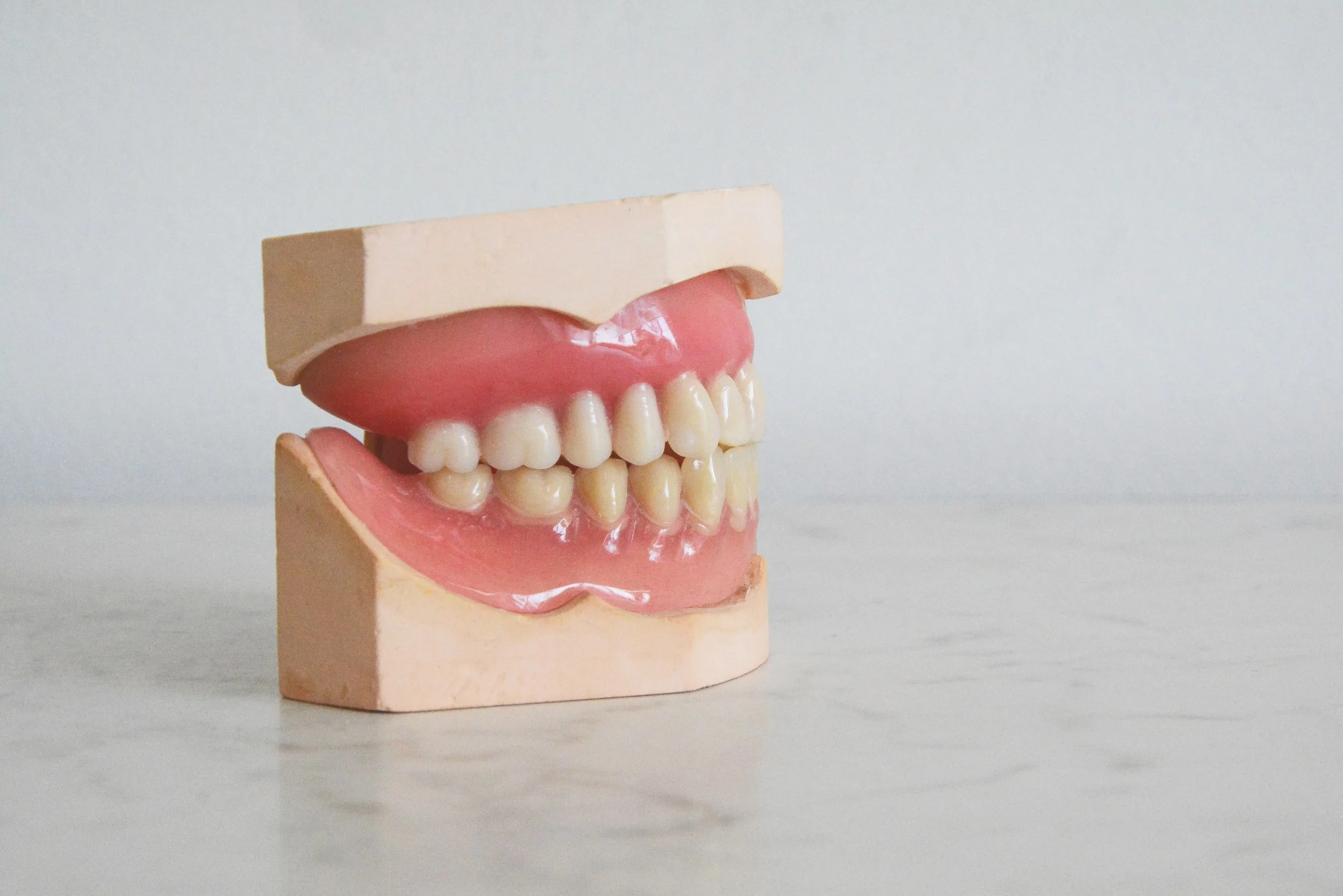
New drug to regenerate lost teeth
Scientists report that an antibody for one gene -- uterine sensitization associated gene-1 or USAG-1 -- can stimulate tooth growth in mice suffering from tooth agenesis.
The tooth fairy is a welcome guest for any child who has lost a tooth. Not only will the fairy leave a small gift under the pillow, but the child can be assured of a new tooth in a few months. The same cannot be said of adults who have lost their teeth.
A new study by scientists at Kyoto University and the University of Fukui, however, may offer some hope. The team reports that an antibody for one gene -- uterine sensitization associated gene-1 or USAG-1 -- can stimulate tooth growth in mice suffering from tooth agenesis, a congenital condition. The paper was published in Science Advances.
Although the normal adult mouth has 32 teeth, about 1% of the population has more or fewer due to congenital conditions. Scientists have explored the genetic causes for cases having too many teeth as clues for regenerating teeth in adults.
According to Katsu Takahashi, one of the lead authors of the study and a senior lecturer at the Kyoto University Graduate School of Medicine, the fundamental molecules responsible for tooth development have already been identified.
"The morphogenesis of individual teeth depends on the interactions of several molecules including BMP, or bone morphogenetic protein, and Wnt signaling," says Takahashi.
BMP and Wnt are involved in much more than tooth development. They modulate the growth of multiple organs and tissues well before the human body is even the size of a raisin. Consequently, drugs that directly affect their activity are commonly avoided, since side effects could affect the entire body.
Guessing that targeting the factors that antagonize BMP and Wnt specifically in tooth development could be safer, the team considered the gene USAG-1.
"We knew that suppressing USAG-1 benefits tooth growth. What we did not know was whether it would be enough," adds Takahashi.
The scientists therefore investigated the effects of several monoclonal antibodies for USAG-1. Monoclonal antibodies are commonly used to treat cancers, arthritis, and vaccine development.
USAG-1 interacts with both BMP and Wnt. As a result, several of the antibodies led to poor birth and survival rates of the mice, affirming the importance of both BMP and Wnt on whole body growth. One promising antibody, however, disrupted the interaction of USAG-1 with BMP only.
Experiments with this antibody revealed that BMP signaling is essential for determining the number of teeth in mice. Moreover, a single administration was enough to generate a whole tooth. Subsequent experiments showed the same benefits in ferrets.
"Ferrets are diphyodont animals with similar dental patterns to humans. Our next plan is to test the antibodies on other animals such as pigs and dogs," explains Takahashi.
The study is the first to show the benefits of monoclonal antibodies on tooth regeneration and provides a new therapeutic framework for a clinical problem that can currently only be resolved with implants and other artificial measures.
"Conventional tissue engineering is not suitable for tooth regeneration. Our study shows that cell-free molecular therapy is effective for a wide range of congenital tooth agenesis," concludes Manabu Sugai of the University of Fukui, another author of the study.
Study Ties Gum Disease to High Blood Pressure
Want to ward off high blood pressure? Don't forget to brush and floss.
A new study finds that severe gum disease may make an otherwise healthy person significantly more likely to develop high blood pressure.
"[Our] evidence indicates that periodontal bacteria cause damage to the gums and also triggers inflammatory responses that can impact the development of systemic diseases including" high blood pressure, said study author Dr. Francesco D'Aiuto, head of the periodontology unit at University College London Eastman Dental Institute. He spoke in a news release from the journal Hypertension, which published the report March 29.
The researchers studied 250 otherwise healthy adults with severe periodontitis and 250 healthy adults without the gum disease. Their median age was 35, meaning half were older, half younger.
Participants with gum disease were twice as likely to have high systolic blood pressure (140 mm Hg or more), than those with healthy gums (14% and 7%, respectively), according to the findings. The systolic level -- top number in a blood pressure reading -- is how much pressure your blood is exerting on your blood vessels as it moves through the body.
While only an association and not a cause-and-effect link was established, the findings suggest that about 50% of adults could have undetected high blood pressure due to gum disease -- a tissue infection that can also lead to inflammation and bone or tooth loss.
Researchers said preventing and treating gum disease may be a cost-effective way to reduce systemic inflammation and improve function of the endothelium, the thin lining inside the heart and blood vessels.
"Patients with gum disease often present with elevated blood pressure, especially when there is active gingival inflammation, or bleeding of the gums," said lead author Dr. Eva Muñoz Aguilera, senior researcher at the institute.
Because high blood pressure often has no outward symptoms, many individuals may be unaware that they are at increased risk for heart-related problems, she added in the release.
Having dental professionals screen for high blood pressure and make referrals to primary care providers while medical professionals also screen and refer for gum disease could benefit patients' health and reduce the burden of high blood pressure and its complications, according to D'Aiuto.
"Oral health strategies such as brushing teeth twice daily are proven to be very effective in managing and preventing the most common oral conditions, and our study's results indicate they can also be a powerful and affordable tool to help prevent hypertension," D'Aiuto concluded.