


Are You Brushing Your Teeth Too Hard?
If you have sensitive teeth, brushing too hard or using the wrong toothbrush altogether can make symptoms worse. Learn the proper technique for brushing your teeth.
When it comes to brushing your teeth, there is such a thing as proper technique. Brushing too hard — or using the wrong toothbrush — can damage your teeth and gums, leading to problems like enamel wear and receding gums, which can in turn lead to tooth sensitivity, says Gene Romo, DDS, a Chicago-based dentist and consumeradvisor for the American Dental Association (ADA). “People tend to brush aggressively, thinking it’s the only way they can get their teeth to feel clean and look whiter,” Dr.Romo says. “That’s counterproductive, because not only does it cause recession of your gums, but you're also wearing away the white, glossy enamel on your teeth, making them look yellow and darker.” And when that happens, you’re putting yourself at risk for developing sensitive teeth.
Not sure if you’re brushing too hard? Take a look at your toothbrush. If you’ve been using it for three months or less, it should still appear relatively new. “If it looks beat up and flat, that’s a sign you're brushing way too hard,” Romo says.
The Proper Way to Brush Your Teeth
It requires a lot of mindfulness, but you can change your hard-brushing ways, Romo says. Follow these tips to brush properly to help relieve tooth sensitivity and prevent damage to your teeth and gums:
Use a soft-bristled toothbrush. Choose one with the ADA seal and replace it every three months — or sooner if it frays.
Place your toothbrush at a 45-degree angle to your gums. That way, the bristles can reach and clean underneath your gumline, Romo says.
Gently move the brush back and forth. Use short, tooth-wide strokes to clean the outer, inner, and chewing surfaces of the teeth, the ADA recommends. (If you have a lot of gum recession, your dentist may recommend you try the roll technique instead, Romo says.) If you’re using an electric toothbrush, let it do all the work and just lightly glide it over your teeth instead of pushing it against them. To make sure you’re using a gentle grip, try holding your toothbrush in your nondominant hand.
Slow down. Dentists recommend that you brush for two full minutes — 30 seconds in each quadrant of your mouth — twice a day. Use the timer on your phone or choose an electric toothbrush that alerts you every 30 seconds. “For people who have never tried it, it can feel like an eternity. You don’t really know what two minutes feels like until you actually brush that long,” Romo says. But when you’re not rushing to finish, it will keep you more mindful about brushing too aggressively.
Sticking with these tips can help you keep your teeth clean and your mouth healthy, while eliminating symptoms of tooth sensitivity.

10 Dental Myths, Debunked
There are many misconceptions about what it takes to keep your teeth healthy. Separate fact from fiction.
When it comes to taking care of your smile, there are plenty of misconceptions out there. But while good oral health can be achieved in just minutes a day, the wrong practices can cause irreversible damage. Here's what you need to know.
Myth: The harder you brush, the cleaner you'll get your teeth.
The real deal: Brushing too hard or with too abrasive of a toothbrush (medium or firm) can actually harm your teeth by eroding some of the hard enamel that protects the inside of the tooth from cavities and decay. "I see it so much where people feel like they're getting them more clean, but actually it wears away enamel and even the gums," says Ana Paula Ferraz-Dougherty, DMD, a dentist in San Antonio, Texas, and a spokesperson for the American Dental Association. "I always recommend a soft-bristled brush."
————————————————————————————————————————————————————-
Myth: Flossing isn't really necessary anymore.
The real deal: The recommendation to floss regularly was recently removed from the government's Dietary Guidelines for Americans based on a lack of strong evidence for the practice. However, a lack of strong evidence doesn’t necessarily mean that flossing is not effective. In fact, many dentists — including Dr. Ferraz-Dougherty — haven't changed their ways or their recommendations. "I totally believe in flossing," she says. "Intuitively, it makes sense that there is buildup you can only remove by flossing, and I see the difference every day." It’s important to still follow your dentist’s recommendation on brushing and flossing.
————————————————————————————————————————————————————-
Myth: Chewing sugar-free gum is just as good as brushing.
The real deal: If only this were true, kids everywhere would jump for joy. Chewing sugar-free gum, especially gum with xylitol, can have a protective effect on the teeth. Gum encourages saliva production, which helps to wash away enamel-eroding acids from foods, drinks, and even stomach acid in the case of issues like acid reflux. And xylitol helps to redouble the effects of saliva.
But chewing gum still doesn't replace brushing and flossing when it comes to removing plaque from all the surfaces of your teeth. You should brush at least twice a day for about two minutes, says Ferraz-Dougherty.
————————————————————————————————————————————————————-
Myth: If your gums bleed when you floss, it's best to leave them alone.
The real deal: "The reason our gums bleed is due to inflammation," explains Ferraz-Dougherty. Often it happens when bacteria and plaque get stuck in between our teeth where toothbrush bristles don't reach properly. Over time the bacteria builds up and causes the gums to become inflamed. Bleeding is part of that process.
If you floss once a month (or just before going to the dentist), it's likely you'll notice your gums bleeding. "That's a sign telling you something is going on there," says Ferraz-Dougherty. Make flossing a daily habit and the inflammation — and the bleeding — will go away with time.
————————————————————————————————————————————————————-
Myth: You've been slacking on brushing and flossing and have a dentist appointment coming up. As long as you brush well before going in, no one will know, right?
The real deal: Sorry to break it to you, but you're not getting away with anything. "We can tell," says Ferraz-Dougherty. Without regular brushing and flossing, hard tartar forms around your teeth and at a certain point you can't get it off with brushing alone. Plus, you can't undo the inflammation in your gums that occurs when plaque and tartar have accumulated over six months with just a few days of flossing. "Bleeding gums and the amount and location of tartar are the giveaways," says Ferraz-Dougherty.
————————————————————————————————————————————————————-
Myth: When it comes to cavities, sugar is the main culprit.
The real deal: When you think of cavities, you might think of lollipops and other sweet and sticky treats. But crackers and chips might be even worse for your teeth, says Ferraz-Dougherty. "It has to do with the starchiness," she explains. "It's carbohydrates in general — they have the sugars that break down the teeth, but they also really stick to your teeth."
————————————————————————————————————————————————————-
Myth: If you have sensitive teeth, it means you have worn away too much of the enamel on your teeth.
The real deal: Sensitivity is a key symptom of the loss of enamel, the hard protective layer on the outside of your teeth. But it can be caused by other factors as well, such as gum recession, or even the use of whitening toothpastes. "The hydrogen peroxide [used for whitening] can penetrate to remove stains," Ferraz-Dougherty says, "And it penetrates through the enamel into the layer beneath, which is the more sensitive part of the tooth." The good news: If your sensitivity is caused by teeth whitening, switching to a more gentle toothpaste can help improve symptoms.
————————————————————————————————————————————————————-
Myth: Gum disease is only a problem for your mouth.
The real deal: Your dentist might be the first one to notice it, but if you have gum disease you're more likely to have health issues such as diabetes and hypertension, as well as certain types of cancers that are related to chronic inflammation, says Ferraz-Dougherty.
————————————————————————————————————————————————————-
Myth: The whiter your teeth are, the healthier they are.
The real deal: This can be true but not always. "Our teeth are naturally white," says Ferraz-Dougherty. And many of the things that cause our teeth to get darker or become yellow are unhealthy, like smoking.
But there are also plenty of things that can darken the color of our teeth that aren't necessarily unhealthy, such as medication, stains from foods and drinks, or just the natural process of aging.
————————————————————————————————————————————————————-
Myth: If nothing is bothering you, you don’t need a dental checkup.
The real deal: "This is one of the biggest misconceptions," says Ferraz-Dougherty. "With a lot of dental issues, you don't necessarily feel pain right away. I have to explain to patients and educate them that with cavities and gum disease you don't always feel it." The problem is once the symptoms appear, it's often a bigger issue. If you wait until a cavity hurts to get it checked out, you could end up needing a root canal or an extraction that could have been prevented with regular checkups.
"The point of going to the dentist is so we can prevent things happening to the teeth to protect them and notice things before they become an issue," says Ferraz-Dougherty.

Factors Affecting Child Behavior at Dental Clinic
Factors Affecting Children’s Behavior at Dental Clinic
INTRODUCTION
“Man is the enemy of what he ignores” is a statement often heard, and is entirely true. Ignorance of a thing leads to fear from it, and fear from a certain event leads to avoiding and not repeating it. However, if a person has to deal with the event, this might lead to negative psychological reactions (disturbances) such as fear, dislike, and rejection. These reactions or disturbances may range between mild to severe, which may express themselves at first by weeping and crying then end by losing consciousness and hysteric convulsions. Yes, this can really happen at the dental clinic or at any place a person finds him- self in a certain psychological crisis. The degree of the reaction of any person depends on his ability to absorb and bear the shock. Yes, the shock!! Can the child’s visit to the dental clinic be a shock? Yes it can. But it can also be a
blessing. It all depends on the dentist and his skill at handling and dealing in a well-studied psychological manner, with the new visitor who comes to that unknown world which is called the dental office.
Let us place the dealing of the dentist with the child and the results of that dealing in the form of an equation similar to the chemical equations that we know and let us see the reaction’s out- comes:
Skillful dentist + child + sound and smooth psychological handling and treatment = high quality treatment + record short time + friendship, love and an absence of fear forever. Yes, this is how dealing and treatment in child dentistry should be. The easiest way to achieve this equation is the psychological approach. We strongly believe, and this is our personal opinion, that this is
the best way to deal with the child, particularly if the child is of a normal cognitive and intellectual standard, with an ability to understand. These abilities normally exist in children between 3 – 6 years of age. The purpose of this research is to study some variables influencing children’s cooperative behavior at the dental clinic. In this study, we will highlight three major factors specifically in order to identify their effects on the behavior of the children at the dental clinic. These three factors are:
(1) Preparing the child at home before visiting the dental clinic.
(2) The presence or absence of the moth- er of the child at the dental clinic.
(3) Using the psychological approach (T.S.D. technique)* in dealing with the child.
* { Tell, show and do}
Materials and Methods
Sixty children, 36 – 60 months old, from among those who come to the children’s unit at the school health center of the ministry of health in the State of Kuwait were selected. For most of these children, that was their first visit to the dental clinic. Most of them came from middle class families, and enjoyed good, normal physical and mental health.
The children were put in three groups of twenty children each. As far as possible, care was taken to ensure that the children in each group were homogeneous in terms of age and sex, i.e. that the number of females would be equal to the number of males in the three groups.
We agreed with the parents and took their permission to having their children participate in this scientific study. We asked them to increase their children awareness and prepare them both psychologically and mentally for the visit to the dentist’s, by explaining to them the benefits of the continuous prevention and treatment of their teeth and the harm that would result from failure to keep their teeth clean. We also requested the parents to put their children to bed early, the night before the visit, so that they may have enough sleep following a light dinner. We also recommended to the parents not to promise their children any gifts to encourage them to agree to go to the dentist, but to postpone this until after the visit.
Each group was given a code: A, B, and C, and each child was given 30 – 45 minutes for the visit so that the dentist could use the TSD technique for dealing with and controlling the child. Two variables and their effects on the child’s behavior at the clinic were studied. The order of the variables within each group was as follows:
Group A: Preliminary psychological preparation at home prior to the visit + the presence of the mother at the operatory room.
Group B: Preliminary psychological preparation at home prior to the visit – the presence of the mother at operatory room.
Group C: No preliminary psychological preparation at home prior to the visit – the presence of the mother at the operatory room.
In this study, as we have stated before, we used the TSD technique in order to find out the effectiveness of this psycho- logical technique in the presence of the other two variables, namely the preliminary preparation at home prior to the children’s visit to the dentist’s and the presence of the mother at the operatory room. All the children in all three groups whose behavior was controlled, were subjected to simple treatment measures, namely clinical examination by using mirror and explorer, oral prophylaxis and applying the fluoride.
Before starting the treatment steps, and as a part of the psychological treatment plan which aims at gaining the child’s confidence and breaking the barrier of fear, we were very careful to call each child by his name and invite him kindly to sit on the dental chair. At the same time, the tools to be used were pre- pared in a simple manner that children like. Each tool was given a pleasant name of a famous cartoon character to bring it close to the mind and imagination of the child. The child was invited to touch and feel those tools by hand. Also, the child was given the chance to hear the unpleasant sounds of surgical suction and the cleaning drill. The child was allowed to experience the feeling of the water and air used in washing and drying, in order to introduce him/her to the general nature of the thing they would be experiencing. Furthermore, the dentist explained to the child the necessary treatment steps, elaborately, but simply and in a language appropriate to the mental ability of the child.
A part of these steps was carried out in the presence of the mother, (group A), and the other part, in her absence (group B and C). It is worth mentioning that, in the events where the mother was present, her role was one of a witness only. She was not allowed to interfere with the work of the dentist or try to influence the behavior of the child, unless she was asked to do so. We asked the mothers about their own educational level, in an attempt to identify the positive or negative effect on the child’s behavior. We also watched the mother’s emotional behavior (maternal anxiety) and the degree of tension in her face. If we found her too tense, we would ask her to step out of the clinic and wait in the waiting room.
This study lasted fifteen days. Children were seen at the rate of 4 cases a day. After each child in each different group was studied, remarks were recorded concerning the behavior of each child for further subjective study.
Results
Remarks concerning each group were recorded as follows:
Group A
Response was different, depending on the age difference. Older children were more able to respond than younger children. Somehow, females responded more positively than males. A number of three-year-old children looked around themselves more frequently looking for their mother, and occasionally cried. There were three cases of total absence of cooperation. Response was generally high.
Group B
Response was varied, depending on age, as it was the case in the previous group. Females were more positive than males. The absence of the mother from the beginning – in this group – was use- ful, because there was less movement and turning around by the child. This helped carry out the work more quickly. There were two cases of total absence of cooperation. Response was generally high.
Group C
In this group, regardless of age, almost all the children were more afraid, tense and hesitating. A longer time was needed to control the children in this group in order to convince them to accept the treatment and to make them feel secure, compared to the other two groups. Females were, as usual, more positive than males. The older children were more cooperative than the younger ones, as was the case in the previous two groups. There were six cases of total absence of cooperation. Response in this group was average compared to the other two groups. More time and effort was needed to control the children and to accomplish the treatment.
Discussion
The results we arrived at were most important in identifying the factors that affect the behavior of children at the clinic. The study has proved beyond doubt that the preliminary preparation of the child by the mother, in a studied mental and psychological way, is important and effective in reducing the fear of the child.1,2,3 This was very clear in the first and second groups, where the child was prepared psychologically before the visit. The children in the third group, who were not prepared at home by their parents, needed more time and effort to control and calm. We believe, this is because man is enemy of what he does not know. It is important to inform the child about the nature of the dentist’s work, and the damage that will result from not going to the dentist. For this reason, it is advised that the child’s first visit to the dentist take place before any teeth problems start.
With regard to age as a factor affecting the child’s behavior at the clinic, we found that there is a direct relationship between age and positive conduct of the child at the clinic. This means that a 6-year-old child is more cooperative
and responsive to the doctor’s instructions than a 3-year-old child. This is so because of the increased cognitive, mental, conceptual and psychological growth.4,5 An elder child is more able to communicate and respond to the dentist’s directions. However, there are exceptions to every role, as can be seen in the higher degree of cooperation by younger children in the first two groups in which there was preliminary preparation prior to their visit to the dental clinic. This means that age is not the only factor affecting the child’s cooperation in the dental clinic, but there are sever- all others. Other factors include such as the educational and cultural level of the parents, the social status of the child within the family and among his broth- ers.6 Is he an only child or not?. Generally, we found that the older the child was, the easier it was to deal with him.
With regard to the factor of sex, we found that females were more responsive than males regardless of the preliminary preparation or presence or absence of the mother at the clinic. This might be because of the more quiet nature of females. This result is different from that reached by Frankl and others.3 The effect of the presence of the mother on the conduct of the child at the clinic was of two different and opposite effects.3,6,7,8 Sometimes we found that it was necessary for the child to be treated in the presence of his mother, in view of the age of the child, his medical and mental status and whether the mother was anxious or not.6,9,10,11 We allowed the mother to be with us as a witness or observer only, with no right to affect the child’s behavior or interfere with the dentist’s work. Meanwhile, when the mother was too anxious, we would ask her to step out of the clinic until we finished our work to avoid any negative effect on her child. Older children were more independent and self-confident. Their behavior was more settled than that of younger children. The presence or absence of their mother did not make any difference. Also, we found that keeping the mother away from the child during the treatment was much better than being with him.6,7 This is because the doctor had to use certain techniques, such as voice control and / or HOME technique (Hand Over Mouth Exercise) to control the unpleasant behavior of an uncooperative child.12 The mother might think that these are punitive measures used with her children, and so she would tend to interfere and sometimes request to stop the treatment.
In addition, in this study, we made two interesting observations: the first is that when the mother was more afraid and anxious, her child would also be more afraid, especially among the younger children.6,7,8,13,14 This is because the fear of the dentist is an acquired rather than native one. Many studies demonstrated many years ago that parents can and do convey their negative attitude (fear) to their children.5
The second is that the children who studied at foreign schools were more responsive and better equipped to adapt to the situation, compared with those who studied at government school. This underlines the necessity of increasing awareness in children.
In this research, we preferred to use the psychological approach rather than other approaches such as the pharmacological approach and/or restricting the movement of the child. We did encounter some children who were too difficult to be controlled by psychological means, particularly within the third group who were not prepared for the visit at home. The existence of uncooperative children is a normal sign, because no doctor can possibly control the behavior of 100% of the children within a period of 30 – 45 minutes. This is because the image of fear, whether that fear was acquired or expressed by the child as a result of unpleasant experience, can stay with a child for a long time, and for this reason a number of uncooperative children were treated under general anesthesia.
We now return again to the reason why we chose the psychological way rather than other available ways; this is because we strongly believe that psychology plays an important role in the child’s management and treatment in the dental clinic. ”Man is the enemy of what he ignores”, and for this reason the doctor’s duty is psychological in the first place and one of the treatment in second place. Unless the doctor is able to gain the confidence and love of the child, he cannot treat him properly. The dentist should be kind and pleasant when he meets the child. He should call him by his name from the start in order to break the barrier of fear in the mind of the child. He should also understand the child’s language and be able to understand and analyze his psychology before starting the treatment, and he should be kind but firm.
Because a child likes to be the object of interest, the dentist should praise the child and his clothes, without exaggeration. That will make the child feel that the doctor is a friend, and will establish a good link of love and confidence between them.16
The TDS technique is the most success- full approach followed by many dentists in dealing with children and has been proven successful.17 However, it is not effective with all children, and not all dentists can use it successfully. Why? Because its success depends on sever- al factors, foremost among which is the personality of the dentist, his under- standing of child psychology, his language skill and his ability to use this skill in talking to the child and opening and maintaining a conversation with him as a first start toward a successful treatment. It is worth mentioning here that language is the magical key to the hearts of all people in general, and the children in particular. For this reason we do not recommend dealing with dentists who do not understand the child’s language and who cannot communicate successfully with children. This failure is a serious obstacle to sound doctor-child communication and conversation.
Conclusions
We came up with the following results through this study:
The responsibility for the child’s health and treatment is a joint one, between the home and the clinic. The well-studied preparation at home by the parents has a huge positive effect on making the child accept the treatment.
The presence of the mother and its effect on the child’s cooperation is controversial. We recommend the absence of the mother at the clinic in general. We would allow it only under certain unusual psychological circumstances of the mother, or in light of the child’s age, and physical and mental health. Another factor is the skill and ability of the doctor in dealing with the child in the presence of the mother. Keeping the mother separated from the child helps the mechanism of treatment and gives the doctor a large area for maneuvering in order to win the battle.
The difference in sex and age is an influencing factor in general to a moderate extent. In this study, females were found to be more responsive than males. The educational level of the mother and\or child is also important. The psychological approach proved to be ideal and most successful because it seeks to address the cause of fear in the child and seeks to change the child’s concept of the dentist. Furthermore, it is the most secure way from both the psychological and physical point of view.
In short, this research is only a small, faithful step toward getting to know the psychology of children and trying to overcome the difficulties faced by the dentist at the clinic. Dentists should give the psychological aspect in treating children more attention. The subject merits more detailed study and research.
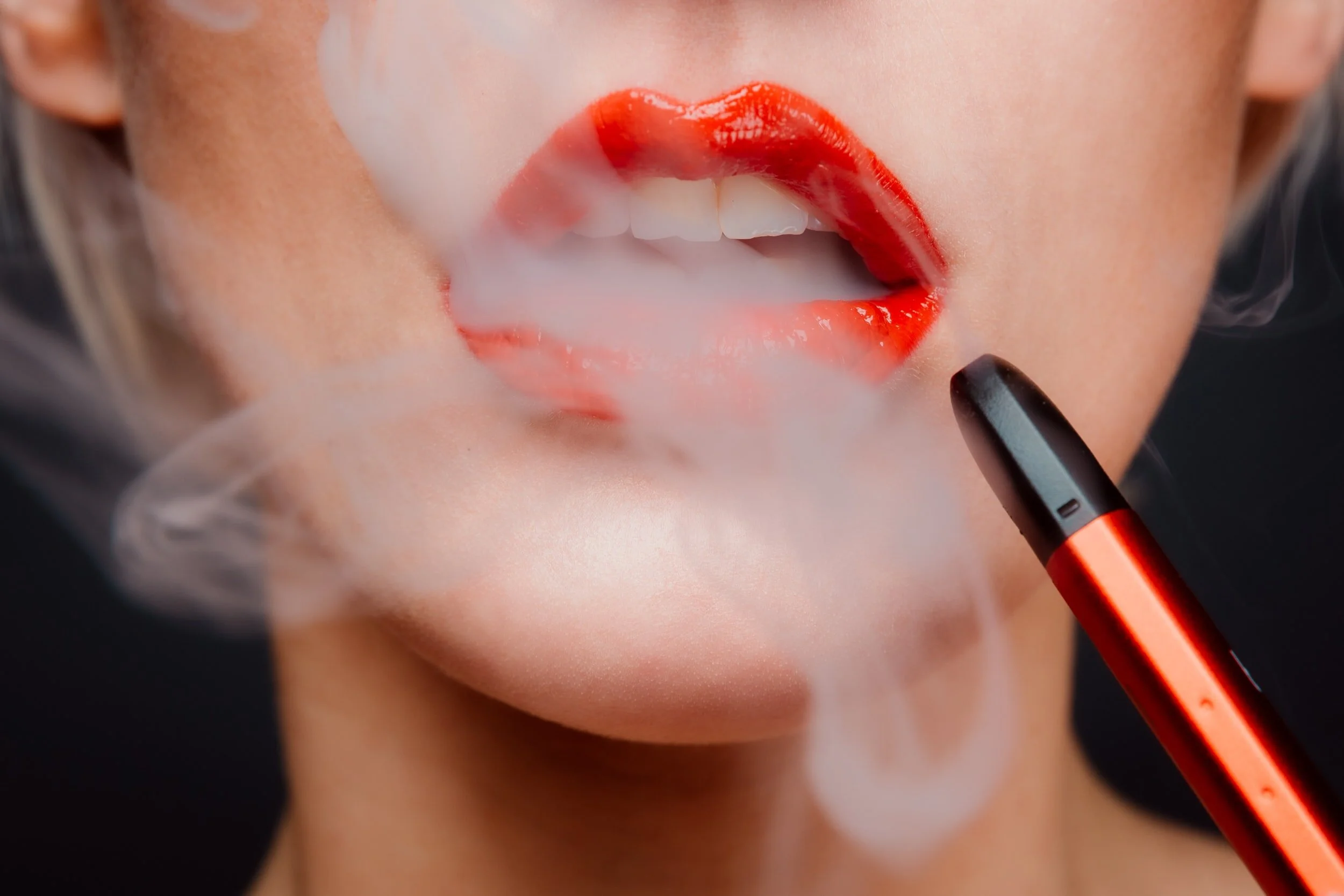
Impact of Electronic Cigarettes on Oral Health
Electronic cigarettes (e‑cigarettes) are widely available, and their use is increasing worldwide. They are promoted as a safer alternative to combustible cigarette smoking and as an effective smoking cessation aid. E‑cigarettes are designed to provide smokers with the desired nicotine dose without burning tobacco. They contain flavoured humectants that include nicotine in concentrations of 0–36 mg/mL. Evidence suggests that e‑cigarettes are a better nicotine delivery method than combustible cigarettes and have reduced adverse general and oral health effects, compared with combustible cigarettes.
Abstract
Electronic cigarettes (e‑cigarettes) are widely available, and their use is increasing worldwide. They are promoted as a safer alternative to combustible cigarette smoking and as an effective smoking cessation aid. E‑cigarettes are designed to provide smokers with the desired nicotine dose without burning tobacco. They contain flavoured humectants that include nicotine in concentrations of 0–36 mg/mL. Evidence suggests that e‑cigarettes are a better nicotine delivery method than combustible cigarettes and have reduced adverse general and oral health effects, compared with combustible cigarettes.
However, although e‑cigarettes might be an acceptable harm-reduction strategy, the differential effects of e‑cigarettes and combustible cigarettes have been based on self-reported perceptions.
In addition, a growing number of young people, who have never engaged in combustible cigarette smoking, are smoking e‑cigarettes, which may not be harmless. We analyzed peer-reviewed publications available through PubMed to summarize the effects of e‑cigarettes on oral health.
The World Health Organization estimated that, in 2015, 19.9% of the world’s population over the age of 15 were smokers.1 The 2017 Canadian Tobacco, Alcohol and Drugs Survey found that the prevalence of current cigarette smoking was 15%, including about 17% of males and 13% of females.2 The prevalence in teens aged 15–19 years was about 8%, with 10% of males and 6% of females being current smokers. For those aged 20–24 years and those 25 years and older, the prevalence was 16%. Combustible cigarette smoking (CCS) has been causally associated with major morbidity and mortality.3 Indeed, numerous experimental and clinical investigations have linked tobacco use with over 25 diseases, including lung, heart and oral diseases, such as oral cancer.
The oral cavity is the first site to encounter tobacco smoke, which comes in direct contact with soft and hard tissues. Several studies have linked smoking to an elevated risk of periodontal disease.4 Cigarette smoke has also been associated with various cancers. A meta-analysis showed that exposure to environmental tobacco smoke is prospectively associated with a significantly increased risk of lung cancer.5
Smoking is also associated with oral cancers. Chher and colleagues6 reported a 4-fold increase in potentially malignant oral disorders among those who smoke tobacco.
In a retrospective clinicopathological study, of people with proven cases of oral cancer, 29.4% were only tobacco chewers, 25.5% were only smokers, 42.2% used both types of tobacco (smoke and smokeless) and 2.9% were not tobacco users. For those only chewing tobacco, 83.3% had oral cavity cancers, of which 6.7% were of the oro- and hypopharynx. Among those who only smoked tobacco, 69.2% cases were of the laryngeal and oro- and hypopharyngeal, compared with 11.5% oral cavity cancers.7 Whatever the mode of tobacco use (smoking, chewing, etc.), there is a high risk of cancer development.
To counter the adverse effects of CCS on human health, various strategies have been introduced, including abstinence and nicotine replacement therapy (NRT).8 Available since early 1990, NRT products include gum, transdermal patches, nasal spray, inhalers and sublingual tablets and lozenges.
Recent reports show that NRT increases the chances of successfully stopping smoking in those attempting to quit.9 However, long-term success rates are low, as are those for all cessation options.10 Thus, the possibility of another option available to smokers is appealing, and a new strategy, the electronic cigarette (e‑cigarette), has been introduced.
Methods
This review summarizes scientific publications related to the interaction of e‑cigarettes with the oral cavity and the possible promotion of oral disease with the use of e‑cigarettes. For this purpose, we selected peer-reviewed articles using several search terms and databases, between 2012 and 2020. PubMed, Medline and Google Scholar were searched using the following groups of terms (electronic cigarette and oral health), (electronic cigarette and oral health and smoking), (electronic cigarette and oral health and smoking and nicotine replacement therapy), (electronic cigarette and oral health and smoking and cessation), (electronic cigarette and periodontal diseases), and (electronic cigarette and dental caries).
We examined the articles and selected those listed in the References of this review. We also included surveys published by Canadian Tobacco, Alcohol and Drugs Survey (CTADS)2 and the Centers for Disease Control and Prevention (CDC) Smoking & Tobacco Use website.3
Electronic Cigarettes
An e‑cigarette consists of a cylinder with a cartridge that serves as a reservoir for “vaping” substances on 1 end along with a mouthpiece. The cartridge can be prefilled or fillable. Various capacities have been designed, increasing from first to second and third generations of the e‑cigarette. E‑cigarette devices also contain a battery-powered heating element or atomizer that transforms the liquid into an aerosol, which is commonly and incorrectly termed “vapour” by suppliers.
E‑cigarettes are powered by a non-rechargeable or rechargeable battery, which may be nickel-cadmium, nickel metal-hydride, lithium ion, alkaline and lithium polymer or lithium manganese.11 Many e‑cigarette devices use a lithium battery, offering the possibility of storing a large amount of energy in a compact space. Since their commercialization in 2004, various improvements have resulted in several generations of e‑cigarette, with the most recent called pod-based e‑cigarettes. The pod-based style (the JUUL) consists of 2 main components: a liquid and heating coil-containing pod and a rechargeable battery. It is a low-powered, high-nicotine device in the shape of a USB flash drive.12
Pods have a smooth, small “high-tech” look, which makes them unobtrusive and easy to use.13 Several types of pods are available, including opened and closed systems and those that have features of both these formats.14 Pod devices use nicotine salt “juice” in combination with the humectants, vegetable glycerin (VG) and propylene glycol (PG), in the ratio of 30 or 40 to 60.14 Pods represent over 40% of the e‑cigarette retail market and are popular with teens.15
Liquids Used in E‑cigarettes
Liquids used in e‑cigarettes are regulated under the Tobacco and Vaping Products Act and the Canada Consumer Product Safety Act. These liquids, with or without nicotine, are available in small sealed bottles of approximately 30 mL. In e‑cigarettes, they transfer nicotine from the device to the user’s airways in the form of aerosol.16
The humectants, PG and VG, are used as carrier solvents for nicotine and flavours present in the liquid. When heated, they form an aerosol that is then inhaled. PG is less viscous, producing greater throat stimulation and mimicking the feel of smoking, whereas VG is thick with a natural sweet flavour, producing the esthetically pleasing clouds of vapour for the user to exhale.17 To combine these sensations, a mixture of PG and VG is used. The ratio is based on personal preference regarding the balance among flavour, throat stimulation and vapour production.18
In addition, e‑cigarette liquids contain various attractive chemical flavours.19 Flavouring is the reason most frequently given by young people for starting and continuing to use e‑cigarettes.20 In 1 study,21 vapers ranked the selection of flavours and unique flavours as 2 of the most important factors affecting their choice between competing vape shops. Thousands of flavours have been designed and incorporated into e‑cigarette liquids, including tobacco, sweet flavours, menthol and various combinations to render e‑cigarettes more attractive to users.22
Prevalence of E‑Cigarette Use
The emergence of e‑cigarettes has provided smokers with a new alternative way to acquire nicotine. Today, vaping is widespread among both conventional cigarette smokers and non-smokers, including adults and teens.23,24 Even though most countries have adopted legislation surrounding e‑cigarettes, their prevalence is increasing all over the world.
Between February and December 2017, the Canadian Tobacco, Alcohol and Drugs Survey (CTADS) was conducted by telephone interview of 16 349 respondents across all 10 provinces, representing a weighted total of 30.3 million Canadians aged 15 years and older.2
The data obtained showed that, in 2017, 15% of Canadians aged 15 years and older had tried an e‑cigarette, as had 23% of youth (15–19 years), 29% of young adults (20–24 years) and 13% of adults (≥ 25 years). More males (19%) than females (12%) had used an e‑cigarette. E‑cigarette use in the past 30 days was reported by 3% of Canadians aged 15 years and older, 6% of youth, 6% of young adults and 2% of adults. Among those who had used an e‑cigarette in the past 30 days, 65% were current smokers, 20% were former smokers and 15% had never smoked. Of those who had never smoked, 58% were youth and 33% were young adults.
The CTADS also found that, among Canadians aged 15 years and older who had an e‑cigarette in the past 30 days, 43% reported using a fruit-flavoured one, 22% tobacco flavoured and 14% candy/dessert flavoured. Most youth (69%) and young adults (62%) reported using a fruit flavour. In contrast, among adults (≥ 25 years), 33% reported using a fruit flavour and 29% reported using tobacco flavour.
Of Canadians who had tried an e‑cigarette, 64% reported that the last e‑cigarette they used contained nicotine, 24% reported it did not contain nicotine and 12% were uncertain. Of current or former smokers, 32% reported using e‑cigarettes as a cessation aid in the past 2 years.
The Canadian Student Tobacco, Alcohol and Drugs Survey, conducted in 2016–2017, showed that the prevalence of having tried an e‑cigarette had increased to 23% from 20% in 2014–2015. In the past 30 days, 10% of students had used an e‑cigarette, an increase from 6% in 2014–2015. Prevalence of e‑cigarette use in the past 30 days was higher among males (12%) than females (8%) and higher among those in grades 10–12 (15%) than for students in grades 7–9 (5%).2
Among students who used an e‑cigarette in the past 30 days, 57% had done so in the last 3 days, while 11% reported daily use. Daily use of e‑cigarettes in the past 30 days was higher among males (14%) than females (5%); 17% were current smokers, 12% were former smokers, 35% were experimental smokers or puffers and 36% indicated that they had never smoked a cigarette. Of students in grades 7–12, 13% had tried both cigarettes and e‑cigarettes. Of students who had tried both cigarettes and e‑cigarettes, 54% tried CCS first, while 35% first tried an e‑cigarette. The prevalence of trying an e‑cigarette first was higher among students in grades 7–9 (39%) than in grades 10–12 (34%).2
Comparative Health Effects of CCS and E‑Cigarettes
E‑cigarettes are seen as a potentially safer smoking alternative to regular cigarettes.20,25 Several experimental and smoker-derived studies suggest that e‑cigarettes can indeed be seen as a harm reduction strategy for those engage in CCS. Nevertheless, some caution is needed to avoid giving the impression that e‑cigarettes are harmless, especially for young people who have never used CCS.
Experimental Studies: Endothelial cells, exposed to extracts from combustible cigarettes or from e‑cigarettes showed greater inhibition of cell migration from the former, suggesting that e‑cigarettes do not delay wound healing processes, compared with combustible cigarettes.10 Human gingival epithelial cells exposed to cigarette smoke showed a much greater toxic effect compared with those exposed to e vapours. Indeed, cell growth was almost absent with CCS compared with e vapours; this was supported by high cell death with CCS but not with e‑cigarettes.26-28
Exposure of human lung epithelial carcinoma cells A549 to either e‑cigarette liquids or collected aerosols produced no meaningful toxic effects compared with CCS.29 Exposure of neonatal mice to e vapours during the first 10 days of their life resulted in modestly impaired lung growth, alveolar cell proliferation and lower total body weight.30 In a murine asthma model, exposure to e vapours increased airway inflammation, including an increase in eosinophil levels of Th1-cytokines (IL-4, IL-5, IL-13), OVA-specific IgE and hyperresponsiveness.31
Clinical Studies: In a clinical study,32 110 out of 350 smokers switched to e‑cigarettes for 120 days. These participants had an oral examination and completed a self-administered questionnaire on variations in certain aspects of general health and their need to use CCS. Clinical examinations at various times showed a reduced plaque index among most of the participants who had used CCS for less than 10 years. Switching from CCS to e‑cigarettes also resulted in plaque index reduction for participants who used CCS for more than 10 years. In addition, bleeding index improved with the use of e‑cigarettes. The self-assessment questionnaire revealed that about 71% of e‑cigarette users felt an improvement in general health. Less than a third of participants felt no clear change in health status, either positive or negative. Only 2 participants indicated a worsening of their general health. Although not comparing CCS and e‑cigarette users at the same time, this study indicated oral health improvements from switching from CCS to e‑cigarettes. In another clinical study,33 105 participants were enrolled and randomly divided into 3 groups: (i) exclusively commercial e‑cigarette use, (ii) dual-use of commercial e‑cigarettes and their usual cigarette brand and (iii) discontinued use of all tobacco and nicotine products. Biochemical analysis showed a significant reduction in detrimental urinary biomarkers with the use of e‑cigarettes only
Dual users exhibited a 7–38% reduction in 8 of 9 urinary biomarkers. All e‑cigarettes users showed a significant decrease in exhaled CO. This observation was also supported by Adriaens and others,34 who studied 30 participants who were smokers for at least 3 years, smoked at least 10 cigarettes a day, had no intention of quitting smoking in the following 3 months and were willing to try several less harmful alternatives. This study showed e‑cigarette use over a short time significantly reduced exhaled CO, compared with CCS. These studies suggest that partial or complete substitution of CCS with e‑cigarettes reduced the exposure of smokers to hazardous products and improved health.
E‑cigarettes have also been reported to promote smoking cessation. In a Malaysian study35 that included 146 participants who were dual users and 69 who were sole e‑cigarette users, 20.5% of previous cigarette smokers who switched to e‑cigarettes quit smoking. This study suggests that quitting smoking could be easier if smokers use e‑cigarettes only, compared with dual use.
A recent study36 of 210 smokers randomized to 3 groups (70 to nicotine e‑cigarettes, 70 nicotine free placebo e‑cigarettes and 70 to a control group) confirmed the efficacy and safety of e‑cigarettes over a short period, which led to a high cessation rate.
However, the majority of available studies related to the use of e‑cigarettes were generated from self-reported perceptions, which may not identify clinical manifestations or modifications that occur in the oral cavity of e‑cigarettes users. In addition, reported safety was based on short-term use of e‑cigarettes. As such, the effects of the various chemicals in e‑cigarettes, and their variable levels, on the oral cavity are still not known.
Concerns Regarding E‑Cigarette Use
Concerns regarding e‑cigarettes pertain to the battery, PG, VG, the flavours and the availability of high concentrations of nicotine. The literature includes clinical cases of e‑cigarette explosions and fire causing damage to users; however, none have been reported
in Canada.37-39 These incidents may be a result of mishandling devices or batteries or use of unregulated “mechanical mod” devices that can result in battery failure. The nicotine carrier solvents in vaping solutions may also be of concern and may have adverse effects for e‑cigarette users.
Some flavours used in e‑cigarette liquids have been reported to be toxic. Clapp and Jaspers40 suggested that e‑cigarette users, with an estimated consumption rate of 3 mL of e‑cigarette liquid a day, would be exposed to a level of diacetyl exceeding the 5 parts per billion limit established by the National Institute for Occupational Safety and Health and the Centers for Disease Control and Prevention (CDC).
The adverse effect of diacetyl-rich e‑cigarette liquid has also been confirmed by in vitro studies. Bronchial epithelial cells exposed to vaped flavoured liquids showed cell toxicity that was dependent on the level of diacetyl in the liquid.41 Diacetyl is not the only e‑cigarette chemical raising health concerns, as benzaldehyde has also been shown to be potentially harmful.42
In addition, the presence of flavour in nicotine rich liquid may alter nicotine’s pharmacokinetics and user behaviour. Indeed, in a study involving young adult e‑cigarette smokers, subjective reward value was reportedly higher with flavoured nicotine rich e‑cigarettes versus unflavoured products. Participants were found to work harder for puffs of flavoured e‑cigarette than unflavoured ones. Furthermore, the participants took twice as many flavoured e‑cigarette puffs than unflavoured ones. The authors concluded that flavouring enhanced the standard nicotine reward, leading to potential abuse in young adult smokers.43
E‑cigarette safety and harm is still a matter of debate. In the United Kingdom, e‑cigarettes are regulated for safety and quality. They are considered safe, because they do not produce tar or carbon monoxide as CCS does. However, the regulation still warns that e‑cigarettes are not risk free.44 The CDC recently warned of possible health impairment from e‑cigarettes because of an association with mysterious lung diseases among certain e‑cigarette users.45
E‑Cigarettes May Promote Periodontal Disease: In a clinical study46 involving 3 groups (33 cigarette smokers, 31 e‑cigarette users and 30 never-smokers), full-mouth plaque index and a probing depth > 4 mm were significantly higher among combustible cigarette smokers, followed by e‑cigarette users, compared with non-smokers. Gingival pain was also reported more often by combustible cigarette smokers than by e‑cigarettes users. However, although periodontal inflammation and self-perceived oral symptoms were higher with CCS, e‑cigarettes also contributed to adverse periodontal health for their users.
These clinical studies suggest close e‑cigarette/oral periodontium interactions, which may lead to poor oral health (Table 1). Further studies are needed to validate these observations and determine the leading causes of these e‑cigarette adverse effects, as well as the mechanisms involved in the periodontal damage. Future studies should answer the question: to what extent are e‑cigarette–oral periodontium interactions associated with periodontal disease?
E‑Cigarettes May Promote Dental Caries: PG and VG give e‑cigarette liquids their high viscosity. As a result, aerosols from these liquids are likely to adhere to exposed surfaces, such as the soft and hard tissues in the oral cavity, as well as dental implants. This interaction may, in turn, facilitate bacterial adhesion leading to oral infections, such as caries (Table 1). In addition, dental caries can be promoted by added flavors supplemented with sugars.58 Sucrose, sucralose and sugar alcohol are known additives to e‑cigarette liquids that enhance taste and fragrance.59,60
A recent study58 showed that e‑cigarette aerosols increased the adhesion of Streptococcus mutants to enamel and promoted biofilm formation. Indeed, enamel exposed to flavored e‑cigarette aerosols showed decreased hardness, compared with that exposed to unflavored controls. This bacteria-initiated enamel demineralization was associated with high levels of esters (ethyl butyrate, hexyl acetate and triacetin) found in e‑cigarette liquids. Because commercial e‑cigarette liquids contain several additives at various levels, including sucrose, sugar substitutes and acids, interactions with teeth could vary from one liquid to another.59,61
Additional studies are warranted to inform both users and dental professionals on the prevention of e‑cigarette-induced caries. Indeed, a specific research question would be: what is the extent to which e‑cigarette aerosols increase dental caries incidence among users?
E‑Cigarettes May Have Adverse Effects on Teeth and Tooth-Supporting Tissue: With e‑cigarette use, the aerosol comes into direct contact with the teeth and may negatively affect tooth structure. Cho48 examined the association between e‑cigarette use and several oral symptoms among adolescents and revealed a significantly increased risk of damage to the teeth with vaping (Table 1).
Indeed, 11.4% of those using e‑cigarettes self-reported a cracked or broken tooth in the last 12 months, 18.5% reported having experienced gingival pain and/or bleeding and 11.0% reported tongue pain, with and without inside cheek pain. These observations are supported by an in vitro study62 conducted with bovine enamel specimens exposed to aerosols from e‑cigarettes, using various liquid flavors (neutral, menthol and tobacco) and nicotine content (0, 12, and 18 mg). The study demonstrated that aerosols with various nicotine contents and flavors altered enamel color and reduced luminosity; flavored liquids caused greater color change.
These findings suggest that e‑cigarettes have negative effects on tooth structure and esthetics. Additional in vivo research is needed to validate such observations and to answer the question: to what extent does smoking e‑cigarettes affect the structure of teeth and their supporting tissues?
Effect of E‑Cigarettes on Dry Mouth and Other Forms of Irritation: In a study63 based on reports by e‑cigarette users for the last 30 days and with reported 30-day e‑cigarette use, it was shown that those who spent more on e‑cigarettes were more likely to report chest pain (9.9%), to notice blood when brushing their teeth (17.1%), to have sores or ulcers in their mouth (8.3%), and to have more than one cold (6.8%), than those with no spending on e‑cigarettes.
These data support another study51 in which e‑cigarettes users reported sensitive teeth, mouth ulcers, headaches and cold symptoms.
In a prospective proof-of-concept study64 monitoring modifications in the behavior of smokers who switched to e‑cigarettes, the most frequently reported adverse events were throat/mouth irritation (35.6%), dry throat/mouth (28.9%), headache (26.7%) and dry cough (22.2%). These findings suggest that e‑cigarettes may have negative effects on oral health by increasing mouth irritation, dry mouth and ulceration.
Further studies are required to validate these observations and to answer the question: what is the extent to which e‑cigarette smoking is associated with dry mouth and other forms of irritation: among those who switch from CCS to e‑cigarettes and among e‑cigarette users who never engage in CCS?
Conclusion
Smoking is a global public health issue. Tobacco smoking is responsible for local and general health problems, which can be prevented by cessation. Although complete smoking cessation is the best outcome, the powerful addictive properties of nicotine represent an enormous obstacle, even for those with a strong desire to quit smoking. Various nicotine replacement strategies have been developed, including e‑cigarettes. Several self-reported and randomized studies suggest that e‑cigarettes are a harm-reduction strategy that may improve the oral and general health of smokers and may contribute to smoking cessation.
However, additional long-term clinical and user-based studies are needed to validate these observations. It is also important to note that a harm-reduction strategy is irrelevant for e‑cigarettes users who never engage in CCS. For the latter population, evidence of the adverse effects of e‑cigarettes on oral health is needed to inform policy, programs and practices.

Parents and Kids Warned Against Viral “Dental Hacks” On TikTok
The rise of the social media platform TikTok during the past year has led to an increase in do-it-yourself (DIY) dentistry that many professionals in the oral health community, including Amber Bonnaig, DDS, of DentaQuest, are warning against due to the harmful impacts it can have on one’s mouth.
The rise of the social media platform TikTok during the past year has led to an increase in do-it-yourself (DIY) dentistry that many professionals in the oral health community, including Amber Bonnaig, DDS, of DentaQuest, are warning against due to the harmful impacts it can have on one’s mouth.
Most recently, a viral TikTok video instructed viewers to use a Mr. Clean Magic Eraser, a product traditionally used to clean household surfaces, to whiten teeth. Another popular video shows a teenager closing the gaps between her teeth with rubber bands.
These DIY “dental hacks” are the latest in a series of videos that have gone viral on the platform posted by unlicensed influencers and individuals to provide oral health “advice” regarding flossing, plaque removal, dentures and more in an effort to help viewers save costs on expensive treatments or quickly enhance their appearance.
“These makeshift dental hacks are really concerning and send the exact wrong message to kids about how to care for your teeth,” said Dr. Bonnaig. “Performing your own dental treatments--particularly like some of these TikTok videos--can cause significant, long-lasting damage to your mouth and teeth, as well as your overall health. It’s important to remember that good dental hygiene can prevent many oral health problems and keep your mouth healthy. So please brush routinely, avoid bad habits like nail biting or teeth grinding, and consult your dentist about any treatments that go beyond this kind of routine preventive care.”
In addition to TikTok’s most popular dental hacks, Dr. Bonnaig advises against some of its other viral trends, including:
Hydrogen peroxide teeth whitening: Coffee, tea and medications can all be sources of dental discoloration. While a popular TikTok video promotes hydrogen peroxide as a teeth-whitening technique to combat discoloration, dentists strongly recommend against its prolonged use and suggest people who want a brighter smile use over-the-counter or professional treatments. Prolonged bleaching with high concentrations of hydrogen peroxide, especially when used multiple days in a row, can lead to highly irritated gums and sensitive teeth. While 3% hydrogen peroxide is available at most drugstores, it is better to use a toothpaste or teeth whitening product that is much gentler on the gums and enamel.
Nail file teeth filing: Another popular DIY dental hack involves using a nail file to even out teeth or change the overall shape. A nail file is not intended to be used for teeth--it can cause severe damage to enamel, which protects teeth from sensitivity, pain, cavities and discoloration. In addition, using unsanitary tools like this can introduce bacteria in the mouth. For people who may be unhappy with the shape or size of their teeth, it is recommended to schedule an initial consultation with the dentist.
Hair flossing: Using hair as a tool for flossing is also a trend circulating on social media. Flossing daily can help eliminate plaque between teeth and prevent calculus from forming at the gum line, but it is important to use the correct tools because using the wrong ones, such as strands of hair, can cause trauma and lead to irreversible harm to the gums.
Plaque removal: While plaque scrapers are widely available outside of the dentist’s office, dentists don’t recommend using them at home by yourself as one viral TikTok trend suggests. Plaque scrapers are sharp, and improper use can puncture and damage the gums, as well as cause excessive bleeding. Gum trauma can prompt gum recession, root exposure and increased sensitivity to foods, beverages and pressure. It can also injure the tongue, cheeks and other areas of soft tissue, or bring on an infection.
DIY dentures: Using moldable plastic as a solution for missing teeth is another viral hack users on TikTok have suggested. However, it is recommended to avoid the use of moldable plastic to replace teeth as it is unhygienic and will result in food, bacteria and plaque getting caught around the plastic and around the teeth nearby. This can cause inflammation of the gums and bone, which can lead to permanent recession and bone loss. In addition, DIY dentures can pose a choking risk. Moldable plastic is not as secure as real partial dentures, making it easy to inhale or swallow.

Our Office will be closed from September 23rd- October 4th.
Our Office will be closed from September 23rd- October 4th. If you are experiencing a true dental emergency please call our on call number 904-762-5616 or text Dr. Henley directly 904-434-7883
If you are experiencing a true dental emergency please call our on call number 904-762-5616 or text Dr. Henley directly 904-434-7883

Mouth Guards in Sports: A Necessary Piece of Equipment
Youth and adolescent sports participation has grown steadily over the years. It is estimated that 20 to 25 million youths participate in competitive sports. As a result of this growth in participation levels, incidence of injury has also increased. Some have reported sports to account for approximately 36% of all unintentional injuries to children and adolescents. Of those injuries, 10-20% of all sports related injuries are maxillofacial injuries according to the American Dental Association.
Youth and adolescent sports participation has grown steadily over the years. It is estimated that 20 to 25 million youths participate in competitive sports. As a result of this growth in participation levels, incidence of injury has also increased. Some have reported sports to account for approximately 36% of all unintentional injuries to children and adolescents. Of those injuries, 10-20% of all sports related injuries are maxillofacial injuries according to the American Dental Association.
The National Youth Sports Foundation for Safety reports dental injuries as the most common type of orofacial injury sustained during sports participation. They contend that an athlete is 60 times more likely to sustain damage to the teeth when not wearing a protective mouthguard. Often times these injuries will result in permanent damage to oral structures which require medical intervention.
Types of Dental Injuries
Injuries to the teeth can be grouped in three different categories with care specific to each type.
Fracture
Can be classified as a root fracture, broken tooth or chipped tooth. If possible, stabilize portion of tooth still in mouth by gently biting on towel to control bleeding. Athlete and tooth fragments should be transported immediately to a dentist. Best methods of transport of the tooth are in Hank's Balanced Salt Solution, milk, saline soaked gauze, or under the athlete's tongue
Avulsion
Entire tooth, including root, knocked out. Do not handle tooth by the root (tooth should be handled by the crown). Do not brush, scrub, or sterilize tooth. If tooth is dirty, gently rinse with water. If possible, place tooth back in socket and have athlete gently bite down on towel. If unable to reimplant tooth, transport tooth with the athlete as described above to the dentist immediately
Luxation
Tooth in socket, but in wrong position.
Extruded Tooth- tooth appears longer than surrounding teeth.
Lateral Displacement- tooth pushed back or pulled forward
For extruded or laterally displaced teeth, provide the following care: The tooth will need to be repositioned in socket using firm finger pressure. This is best done by trained dental/medical personnel. Have the athlete gently bite down on a towel and transport immediately to a dentist
Intruded tooth - tooth looks short, pushed into gum
Do not attempt to reposition tooth. Transport athlete immediately to a dentist
It is important to remember time is critical when handling dental injuries. Do not allow the athlete to wait until the end of the game to seek treatment for a dental injury. Transport them to a dentist within 2 hours for the best outcomes.
Prevention of Dental Injuries
Dental injuries are easily prevented. Some experts recommend that mouthguards be worn by athletes in competitive and recreational sports in which impact, contact and collision are likely to occur.
The American Dental Association recommends wearing custom mouthguards for the following sports: acrobats, basketball, boxing, field hockey, football, gymnastics, handball, ice hockey, lacrosse, martial arts, racquetball, roller hockey, rugby, shot putting, skateboarding, skiing, skydiving, soccer, squash, surfing, volleyball, water polo, weightlifting, and wrestling. Other experts include baseball and softball infielders on that list. They further recommend the mouthguard to be worn during all practices and competition.
Selecting a Mouth Guard
There are three types of mouthguards:
Ready-made or stock mouthguard
Mouth-formed "boil and bite" mouthguard
Custom-made mouthguard (made by a dentist)
These mouthguards vary in price and comfort, yet all provide some protection. According to the American Dental Association, the most effective mouthguard should be comfortable, resistant to tearing, and resilient. A mouthguard should fit properly, be durable, easily cleaned, and not restrict speech or breathing.
It is important to remember damaged teeth do not grow back. Protect that perfect smile - wear a mouthguard.
Nationwide Children’s Hospital Sports Medicine specializes in diagnosing and treating sports-related injuries in youth, adolescent, and collegiate athletes. Services are available in multiple locations throughout central Ohio. To make an appointment, call 614-355-6000 or request an appointment online.

A gentler strategy for avoiding childhood dental decay
By targeting the bonds between bacteria and yeast that can form a sticky dental plaque, a new therapeutic strategy could help wash away the build-up while sparing oral tissues, according to a new study.
The combination of a carb-heavy diet and poor oral hygiene can leave children with early childhood caries (ECC), a severe form of dental decay that can have a lasting impact on their oral and overall health.
A few years ago, scientists from Penn's School of Dental Medicine found that the dental plaque that gives rise to ECC is composed of both a bacterial species, Streptococcus mutans, and a fungus, Candida albicans. The two form a sticky symbiosis, known scientifically as a biofilm, that becomes extremely virulent and difficult to displace from the tooth surface.
Now, a new study from the group offers a strategy for disrupting this biofilm by targeting the yeast-bacterial interactions that make ECC plaques so intractable. In contrast to some current treatments for ECC, which use antimicrobial agents that can have off-target effects, potentially harming healthy tissues, this treatment uses an enzyme specific to the bonds that exist between microbes.
"We thought this could be a new way of approaching the problem of ECCs that would intervene in the synergistic interaction between bacteria and yeast," says Geelsu Hwang, an assistant professor in Penn Dental Medicine and senior author on the study, published in the journal mBio. "This offers us another tool for disrupting this virulent biofilm."
The work builds off findings from a 2017 paper by Hwang and colleagues, including Hyun (Michel) Koo of Penn Dental Medicine, which found that molecules call mannans on the Candida cell wall bound tightly to an enzyme secreted by S. mutans, glycosyltransferases (Gftb). In addition to facilitating the cross-kingdom binding, Gftb also contributes to the stubbornness of dental biofilms by manufacturing gluelike polymers called glucans in the presence of sugars.
While some cases of ECC are treated with drugs that kill the microbes directly, potentially reducing the number of pathogens in the mouth, this doesn't always effectively break down the biofilm and can have off-target effects on "good" microbes as well as the soft tissues in the oral cavity.
Hwang and colleagues wanted to try a different approach that would directly target the insidious interaction between yeast and bacteria and opted to target the mannans in the Candida cell surface as a point of contact.
Using three different mannan-degrading enzymes, they applied each to a biofilm growing on a tooth-like surface in a human saliva medium and left it for five minutes. Following the treatment, they noted that the overall biofilm volume was reduced. Using powerful microscopy, they also observed drastic reductions in the biofilm thickness and interactions between bacteria and yeast. The pH of the surrounding medium was higher when exposed to the enzymes, indicating an environment that is not as acidic and thus less conducive to tooth decay.
They also measured how easy it was to break up the biofilm after treatment, using a device that applies a stress, akin to tooth brushing.
"The biofilm structure was more fragile after the enzyme treatment," Hwang says. "We were able to see that the biofilms were more easily removed."
To confirm the mechanism of their approach -- that the mannan-degrading enzymes were weakening the binding between yeast and bacteria -- the team used atomic-force microscopy to measure the bonds between Candida and Gftb. The therapy, they found, reduced this binding force by 15-fold.
Finally, they wanted to get a sense of how well-tolerated these enzymes would be when used in the oral cavity, especially since children would be the patient group targeted.
Applying the enzymes to human gingival cells in culture, they found no harmful impact, even when they used a concentrated form of the enzymes. In addition, they observed that the treatment didn't kill the bacteria or yeast, a sign that it could work even if the microbes developed mutations that would lend them resistance against other types of therapies.
The researchers kept the application time relatively short at five minutes though they hope to see activity in an even shorter time, like the two minutes that is recommended for tooth brushing. Hwang says they may consider a non-alcohol-based mouthwash with these enzymes added that could be used by children as a preventive measure against ECC.
The researchers hope to continue pursuing this possibility with additional follow up, including testing these enzymes in an animal model. With more successes, they aim to add another tool for fighting the public health threat of ECC.
The study was supported in part by the National Institutes for Dental and Craniofacial Research (grants DE027970 and DE025220) and Josephine and Joseph Rabinowitz Award.
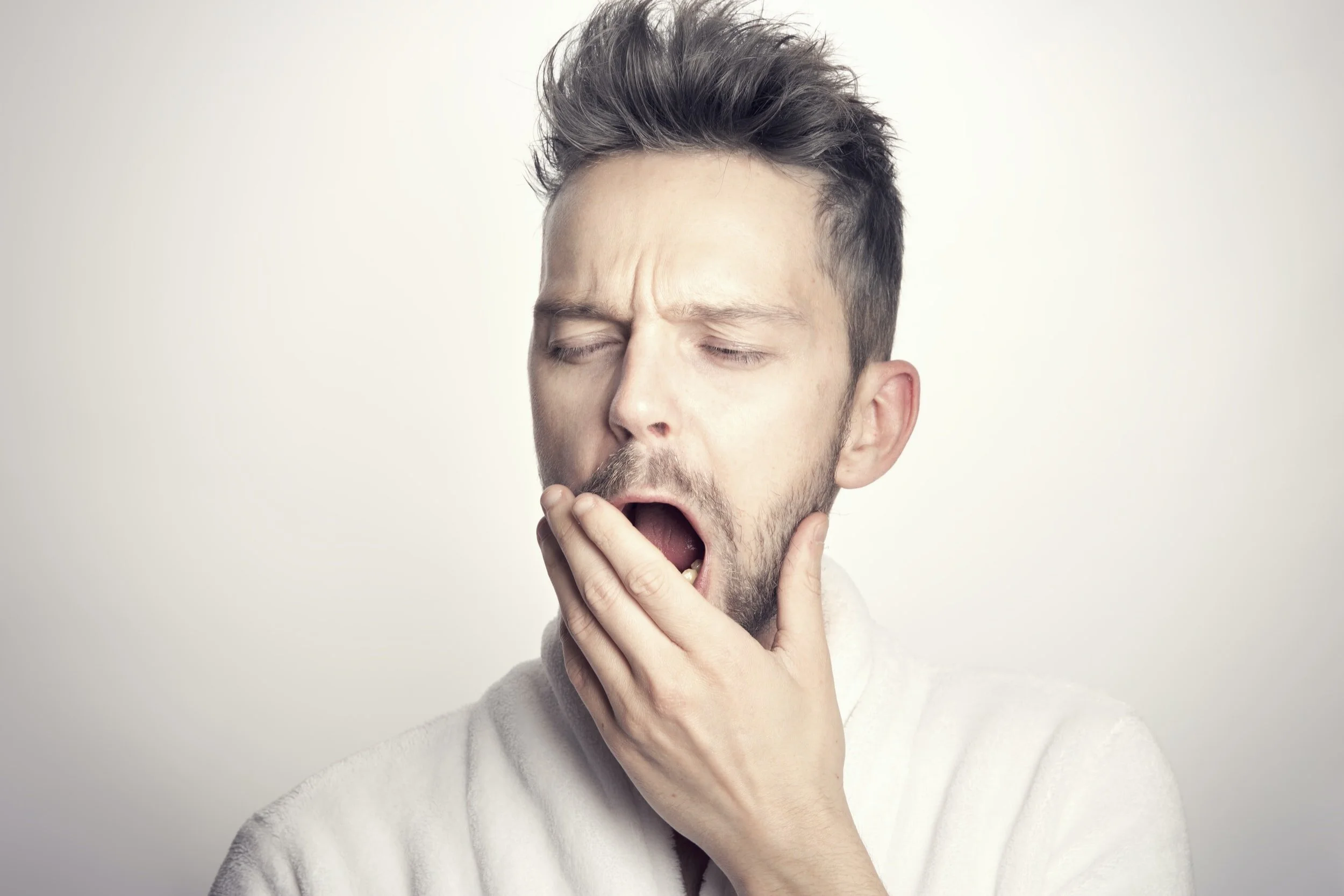
What exercises can help relieve TMJ pain?
People experiencing pain due to a temporomandibular joint (TMJ) disorder can try a range of exercises to relieve it. These exercises can improve jaw strength and mobility.
People experiencing pain due to a temporomandibular joint (TMJ) disorder can try a range of exercises to relieve it. These exercises can improve jaw strength and mobility.
TMJ disorders are a group of conditions affecting the muscles and bones of the jaw. They cause pain in the joint that connects the jaw to the skull and allows a person to open and close their mouth. The pain can stem from the muscles responsible for moving the joint or the joint itself.
Noninvasive or conservative therapies can reduce pain and stiffness from TMJ disorders. These might include exercises that can help improve the strength or function of the jaw.
This article explains what TMJ disorders are and details some exercises that can help alleviate the symptoms.
What causes TMJ disorders?
The TMJ, or the temporomandibular joint, allows the jaw to move when a person is eating, talking, or yawning. The joints, muscles, and ligaments that control the jaw are on either side of it.
According to the American Dental Association, each joint has a disk inside that provides cushioning as the jaw moves. Any misalignment in the system of muscles, ligaments, and the disk can cause pain, stiffness, or discomfort in the TMJ.
The TMJ Association states that common causes of TMJ disorders include:
trauma to the jaw
dental surgery
the insertion of a breathing tube during surgery
autoimmune disease
infections
Other possible causes include arthritis and clenching or grinding the teeth.
The National Institute of Dental and Craniofacial Research (NIDCR) adds that the exact cause of TMJ disorders is not always clear, noting that some injuries can cause them. These injuries may affect the:
joint itself
disk within the joint
muscles or ligaments responsible for moving the jaw
6 exercises for relieving TMJ pain
Some people might find that certain exercises that stretch or strengthen the jaw reduce pain from TMJ disorders.
Below, we list six exercises that might help minimize symptoms and explain how to perform them.
However, it is best to discuss exercises with a doctor or physical therapist before starting. A person should always stop performing any exercise if it worsens the pain or discomfort.
Resisted mouth closing: Resisted mouth closing involves applying some pressure to the chin while closing the mouth. To perform the exercise: Place the thumbs under the chin. Place the index fingers between the ridge of the mouth and the bottom of the chin. Use the fingers and thumbs to apply gentle downward pressure to the chin while closing the mouth.
Resisted mouth opening: A person can also apply gentle pressure to the chin while opening their mouth. To perform the exercise: Place two fingers under the chin and open the mouth slowly while applying gentle pressure with the fingers. Hold for 3–6 seconds. Slowly close the mouth.
Side-to-side jaw movement : This exercise involves moving the jaw from side to side to strengthen the muscles: Gently bite down with the front teeth on an object that is about one-quarter of an inch thick, such as two tongue depressors. Slowly move the jaw from side to side. Increase the thickness of the object once the exercise becomes easier.
Tongue up: The tongue up exercise involves slowly opening and closing the mouth while maintaining contact with the roof of the mouth. A person should repeat this movement several times.
Forward jaw movement: This exercise also requires a thin object. A person can follow these steps: Gently hold an object that is about one-quarter of an inch thick between the front teeth. Move the jaw forward so that the bottom teeth are in front of the top teeth. As the exercise becomes easier, replace the object with a thicker one.
Oxford University Hospitals Exercise: Oxford University Hospitals recommends the following routine to strengthen the jaw muscle and prevent clicking in the jaw joint. A person can perform this exercise sequence for 5 minutes, twice a day: Close the mouth and let the teeth touch without clenching them. Place the tip of the tongue on the palate right behind the upper front teeth. Run the tip of the tongue back toward the soft palate until it cannot reach further while keeping the teeth together. Hold the tongue here against the soft palate and slowly open the mouth until the tongue starts to pull away. Hold the position for 5 seconds, then close the mouth and relax. Repeat the steps for 5 minutes.
When to contact a doctor
People experiencing pain from TMJ disorders should talk with a doctor about possible treatment options. A doctor can recommend a physical therapist, who can work with the person to develop a tailored exercise program for improving jaw strength and flexibility.
Some people will not find these exercises effective in relieving pain. In these cases, doctors may suggest medications or other therapies to alleviate the pain. In severe cases, they might recommend surgery, although they tend to view this as a last resort.
The NIDCR warns that the possible benefits of surgery might not outweigh the risks, which include permanent jaw damage and replacement joints breaking or not functioning properly.
Summary
Exercises for TMJ pain are generally safe and can reduce symptoms for some people. They are easy for a person to perform at home each day.
It is best to talk with a doctor or physical therapist for more guidance on what exercises are suitable. Doctors may also recommend medical treatments if the exercises do not reduce symptoms.

More Evidence Ties Gum Disease With Heart Disease
New research offers further evidence of a link between gum disease and heart disease.
The ongoing Swedish study previously found that gum disease ("periodontitis") was much more common in first-time heart attack patients than in a group of healthy people.
In this follow-up study, the researchers examined whether gum disease was associated with an increased risk of new heart problems in both heart attack survivors and healthy people the same age and sex, and living in the same area.
"The risk of experiencing a cardiovascular event during follow-up was higher in participants with periodontitis, increasing in parallel with the severity. This was particularly apparent in patients who had already experienced a [heart attack]," said study author Giulia Ferrannini, from the Karolinska Institute in Stockholm.
The researchers suspect that damage to the gum tissue in people with gum disease may allow germs to enter the bloodstream. "This could accelerate harmful changes to the blood vessels and/or enhance systemic inflammation that is harmful to the vessels," Ferrannini added.
In total, the study included nearly 1,600 participants with an average age of 62. Dental examinations between 2010 and 2014 showed that 985 had good dental health, 489 had moderate periodontitis and 113 had severe periodontitis.
During an average follow-up of just over six years, people with gum disease were 49% more likely to die from any cause, have a nonfatal heart attack or stroke, or to develop severe heart failure.
The risk of those outcomes increased with the severity of gum disease, according to the study presented Friday at a virtual meeting of the European Society of Cardiology. Such research is considered preliminary until published in a peer-reviewed journal.
When assessed separately, the relationship between gum disease severity and the risk of negative outcomes was significant only for those who had experienced a heart attack in the past.
"Our study suggests that dental screening programs including regular check-ups and education on proper dental hygiene may help to prevent first and subsequent heart events," Ferrannini concluded in a meeting news release.