


Study reveals new aspects of gingivitis and body's response
Researchers have identified and classified how different people respond to the accumulation of dental plaque.
A team led by University of Washington researchers has, for the first time, identified and classified how different people respond to the accumulation of dental plaque, the sticky biofilm that gathers on teeth. Their work, recently published in the journal Proceedings of the National Academy of Sciences (PNAS), sheds important new light on why some people may be more prone to serious conditions that lead to tooth loss and other problems.
Left unchecked, plaque buildup can induce gingivitis, or gum inflammation. Gingivitis, in turn, can lead to periodontitis, a serious gum infection that damages the soft tissue and can destroy the bone that supports teeth. Not only can this result in tooth loss, but chronic inflammation can also spur other serious health consequences, including heart disease, diabetes, cancer, arthritis, and bowel diseases.
The researchers also found a previously unidentified range of inflammatory responses to bacterial accumulation in the mouth. When bacteria build up on tooth surfaces, it generates inflammation, a tool the body uses to tamp down the buildup. Previously, there were two known major oral inflammation phenotypes, or individual traits: a high or strong clinical response and a low clinical response. The team identified a third phenotype, which they called "slow": a delayed strong inflammatory response in the wake of the bacterial buildup.
The study revealed for the first time that subjects with low clinical response also demonstrated a low inflammatory response for a wide variety of inflammation signals. "Indeed, this study has revealed a heterogeneity in the inflammatory response to bacterial accumulation that has not been described previously," said Dr. Richard Darveau of the UW School of Dentistry, one of the study's authors.
His School of Dentistry colleague and study co-author Dr. Jeffrey McLean said, "We found a particular group of people that have a slower development of plaque as well as a distinct microbial community makeup prior to the start of the study." The study authors wrote that understanding the variations in gum inflammation could help better identify people at elevated risk of periodontitis. In addition, it is possible that this variation in the inflammatory response among the human population may be related to susceptibility to other chronic bacterial-associated inflammatory conditions such as inflammatory bowel disease.
In addition, the researchers found a novel protective response by the body, triggered by plaque accumulation, that can save tissue and bone during inflammation. This mechanism, which was apparent among all three phenotypes, utilizes white blood cells known as neutrophils. In the mouth, they act something like cops on the beat, patrolling and regulating the bacterial population to maintain a stable condition known as healthy homeostasis.
In this instance, plaque is not a villain. To the contrary, the researchers said that the proper amount and makeup of plaque supports normal tissue function. Studies in mice have also shown that plaque also provides a pathway for neutrophils to migrate from the bloodstream through the gum tissue and into the crevice between the teeth and gums.
When healthy homeostasis exists and everything is working right, the neutrophils promote colonization resistance, a low-level protective inflammatory response that helps the mouth fend off an excess of unhealthy bacteria and resist infection. At the same time, the neutrophils help ensure the proper microbial composition for normal periodontal bone and tissue function.
The researchers' findings underscore why dentists preach the virtues of regular brushing and flossing, which prevent too much plaque buildup. "The idea of oral hygiene is to in fact recolonize the tooth surface with appropriate bacteria that participate with the host inflammatory response to keep unwanted bacteria out," Dr. Darveau said. The bacteria start repopulating the mouth's surfaces spontaneously and almost immediately afterward, he said.

Good toothbrushing habits in children linked to mother's wellbeing
Researchers have shown that postpartum depression can inhibit a mother's ability to instill healthy tooth brushing habits in children. The study demonstrates the need to foster greater mental support and management for mothers and incorporate these factors when assessing children's oral health.
A mother's mental health may play a larger role in a child's toothbrushing habits than previously thought.
It is no secret that brushing your teeth twice a day is highly effective in promoting healthy teeth and gums. The International Association of Pediatric Dentistry advocates brushing with toothpaste containing fluoride to prevent decayed, missing, or filled teeth -- known as childhood dental caries (ECC) -- in children.
Parents are instrumental in instilling good dental habits in their children.
In Japan, there is a worryingly high prevalence of ECC among children aged 3 years old. Postpartum depression and/or lack of affection caused by bonding disorders hamper a mother's ability to cultivate healthy dental practices in children, and researchers were keen to explore this link.
Dr Shinobu Tsuchiya from Tohoku University Hospital led a research group that analyzed approximately 80,000 mother-infant pairs from the Ministry of Environment's Japan Environment and Children's Study.
They found children with mothers suffering from postpartum depression or bonding disorders brushed their teeth less often. Likewise, the frequency with which children brushed their teeth increased when mothers showed strong affection towards their children.
The research group hopes their research will foster greater mental support and management for mothers and that doctors will incorporate these factors when assessing children's oral health.
"A mother's psychological well-being provides valuable screening information for identifying children at a high risk of ECC," said Tsuchiya
In future studies, Tsuchiya and her team hope to examine other environmental influences on poor oral health.
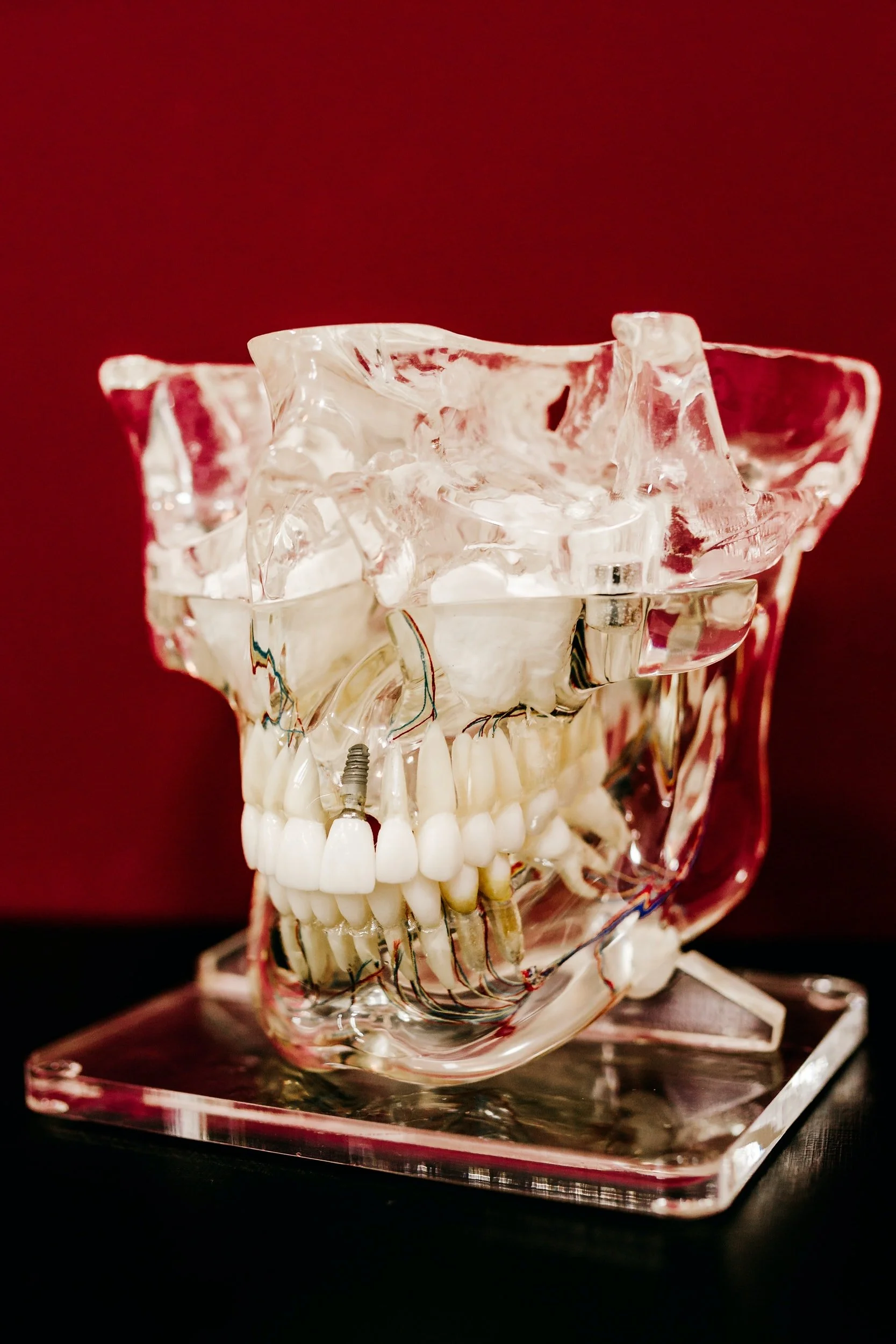
Tooth loss associated with increased cognitive impairment, dementia
Tooth loss is a risk factor for cognitive impairment and dementia -- and with each tooth lost, the risk of cognitive decline grows, according to a new analysis.
Tooth loss is a risk factor for cognitive impairment and dementia -- and with each tooth lost, the risk of cognitive decline grows, according to a new analysis led by researchers at NYU Rory Meyers College of Nursing and published in JAMDA: The Journal of Post-Acute and Long-Term Care Medicine. However, this risk was not significant among older adults with dentures, suggesting that timely treatment with dentures may protect against cognitive decline.
About one in six adults aged 65 or older have lost all of their teeth, according to the Centers for Disease Control and Prevention. Prior studies show a connection between tooth loss and diminished cognitive function, with researchers offering a range of possible explanations for this link. For one, missing teeth can lead to difficulty chewing, which may contribute to nutritional deficiencies or promote changes in the brain. A growing body of research also points to a connection between gum disease -- a leading cause of tooth loss -- and cognitive decline. In addition, tooth loss may reflect life-long socioeconomic disadvantages that are also risk factors for cognitive decline.
"Given the staggering number of people diagnosed with Alzheimer's disease and dementia each year, and the opportunity to improve oral health across the lifespan, it's important to gain a deeper understanding of the connection between poor oral health and cognitive decline," said Bei Wu, PhD, Dean's Professor in Global Health at NYU Rory Meyers College of Nursing and co-director of the NYU Aging Incubator, as well as the study's senior author.
Wu and her colleagues conducted a meta-analysis using longitudinal studies of tooth loss and cognitive impairment. The 14 studies included in their analysis involved a total of 34,074 adults and 4,689 cases of people with diminished cognitive function.
The researchers found that adults with more tooth loss had a 1.48 times higher risk of developing cognitive impairment and 1.28 times higher risk of being diagnosed with dementia, even after controlling for other factors.
However, adults missing teeth were more likely to have cognitive impairment if they did not have dentures (23.8 percent) compared to those with dentures (16.9 percent); a further analysis revealed that the association between tooth loss and cognitive impairment was not significant when participants had dentures.
The researchers also conducted an analysis using a subset of eight studies to determine if there was a "dose-response" association between tooth loss and cognitive impairment -- in other words, if a greater number of missing teeth was linked to a higher risk for cognitive decline. Their findings confirmed this relationship: each additional missing tooth was associated with a 1.4 percent increased risk of cognitive impairment and 1.1 percent increased risk of being diagnosed with dementia.
"This 'dose-response' relationship between the number of missing teeth and risk of diminished cognitive function substantially strengthens the evidence linking tooth loss to cognitive impairment, and provides some evidence that tooth loss may predict cognitive decline," said Xiang Qi, a doctoral candidate from NYU Meyers.
"Our findings underscore the importance of maintaining good oral health and its role in helping to preserve cognitive function," said Wu.

The anguish of finally returning to the dentist
Waiting rooms are full of patients who haven’t visited in two years and are not okay — emotionally or dentally
By now, dentists know by the look of them which patients are skulking in to get their first visit since the start of the pandemic over with. Some are self-conscious, others preemptively apologetic. Occasionally, patients are so flustered they have trouble even doing the “open wide” part: “They’re like, ‘Don’t look at my mouth!’” says Warren Woodruff, a dentist in West Bloomfield, Mich.
“I’m like, ‘You’ve got to take your mask off or I can’t help you,’” says Woodruff, 37, with a laugh. “I always try to tell them: ‘What I see from you, I’ve seen a lot worse.’ ”
The stragglers are returning to practices like the one Woodruff co-owns with his wife, fellow dentist Amira May Woodruff, also 37. Call them the two-year tooth truants, who diligently stayed away from dentists’ offices during the pandemic, eventually began to lean on it as an excuse and now need help alleviating their oral-health woes. They’re back in the waiting-room chairs, leafing absent-mindedly through old issues of Us Weekly and steeling themselves for the pain — and the embarrassment.
Missing a cleaning, as the Woodruffs dutifully remind us, can result in tartar buildup, which can lead to gingivitis and bleeding of the gums and eventually cause irreversible bone loss around the teeth. Before the pandemic (if you can remember back that far), missing an annual or semiannual teeth cleaning meant risking a guilt trip at your next one. Now, many Americans have missed several, from office closures or fear of virus transmission. Says Nimish Maniar, 33, a dentist in Lake Mary, Fla., “You would not believe how many people have … come back with a feeling of shame.”
Jennifer Glatz, a digital content producer for a TV station in Berlin, Conn., went to see her dentist just before Christmas for the first time since 2018. “I didn’t go all of 2019, then 2020 happened,” she says. When chewing became painful, she made the long-overdue appointment, suspecting she needed a root canal. “I was silently praying … that I didn’t ignore my problem so long that it would be a bad situation for me,” she says.
Fearing a big medical procedure that would require anesthesia (and the big medical expense that accompanies it), Glatz, 31, was relieved to hear that her problem was actually four cavities. “It was like, ‘Okay. I can do fillings,’” she says.
At the Woodruffs’ office, “Even people who typically don’t have cavities are coming in” for them, Amira says. And it’s not just from neglect. “Stress reduces saliva, and saliva protects your teeth from cavities.”
The pandemic has also altered people’s routines in ways that have negatively affected their teeth. Working from home, many are snacking more, forgoing brushing in the morning (“They’re like, ‘I’m not going to see co-workers, so I’m not going to brush’”) and falling asleep before brushing at night. “We’re also seeing a rise in people breaking their teeth. A lot of that is from stress, people clenching and grinding more, so more TMJ issues,” she says, referring to the temporomandibular joint at the intersection of the cheekbone and jaw. “It’s just, like, a perfect storm.”
As one periodontist in Bryn Mawr, Pa., told Philadelphia Magazine last year, “Some days, cracked teeth is all I do.”
Marlowe Keller, a molecular biologist in Seattle, was told once that her family history of gum recession made it likely she’d need special dental care after college. Unfortunately, that didn’t stick. “I was like, ‘Cool. This is a problem for future Marlowe,’ " she says.
Keller, 23, graduated during the pandemic. When she finally went to the dentist in November for the first time in two years, she had expected a routine cleaning, perhaps with a side of guff for having stayed away for so long. “Instead, they measured all my recession, which had gotten quite bad,” she says. “Recession is affected by stress, as you might imagine — if you’re clenching your teeth a lot, like if you’re in a global pandemic,” Keller said. “Suddenly, future Marlowe was here.”
After an hour of gum-poking and X-rays, the dentist suggested a deep cleaning. Keller gave the thumbs-up; she didn’t have anywhere else to be. Alas: “They were like, ‘Oh, no, we need to book two separate two-hour appointments,’ ” Keller says — one for the top half and one for the bottom half. Plus a third: The sealant on one of her teeth was beginning to wear off and needed repair.
“I’m not skipping anymore,” she said. “I’m not going to have this happen again.”
Brush up on how to care for your teeth with these tips from dentists
Practitioners like the Woodruffs are aware that going to the dentist, where the possibility of being chided while trapped under a lead apron with a mouth stuffed with gauze looms large, is not one of America’s favorite pastimes — and that the pandemic was a perfect proverbial fig leaf for putting it off. “The majority of my patients who stayed away are people … who’ve had previous bad experiences at other offices,” Amira says. “So they love that they’ve had an excuse not to come.”
The Woodruffs found, however, that when they posted a video in the spring of 2020 detailing their office’s hygiene procedures aimed at curbing the spread of the coronavirus, a surprising influx of patients started scheduling appointments again. “We had a lot of people, especially the older population, say that it was that video that made them feel comfortable coming in,” Amira says.
Still, for some, the risk of a coronavirus infection outweighs even a genuine motivation to get dental care. Addie Tsai, a 42-year-old community college professor in Houston, takes special care to visit their dentist every six months because of their sensitive gums — but doing so during the pandemic has been “a comedy of errors.” A February 2021 appointment was postponed to May by a power-grid failure; a follow-up was initially scheduled for September, then pushed to December by flooding in the area. When December came, they rescheduled for February because of the omicron surge.
In late January, still worried about the possibility of catching the omicron variant, Tsai rescheduled that ill-fated follow-up for March, but not without a pang of apprehension. “There’s just this building anxiety that the longer it takes for me to get back there, the worse it’s going to be,” they said, sigh-laughing. “I know I’m going to get lectured.”

Oral health: A window to your overall health
Your oral health is more important than you might realize. Learn how the health of your mouth, teeth and gums can affect your general health.
Did you know that your oral health offers clues about your overall health — or that problems in your mouth can affect the rest of your body? Protect yourself by learning more about the connection between your oral health and overall health.
What's the connection between oral health and overall health?
Like other areas of the body, your mouth teems with bacteria — mostly harmless. But your mouth is the entry point to your digestive and respiratory tracts, and some of these bacteria can cause disease.
Normally the body's natural defenses and good oral health care, such as daily brushing and flossing, keep bacteria under control. However, without proper oral hygiene, bacteria can reach levels that might lead to oral infections, such as tooth decay and gum disease.
Also, certain medications — such as decongestants, antihistamines, painkillers, diuretics and antidepressants — can reduce saliva flow. Saliva washes away food and neutralizes acids produced by bacteria in the mouth, helping to protect you from microbes that multiply and lead to disease.
Studies suggest that oral bacteria and the inflammation associated with a severe form of gum disease (periodontitis) might play a role in some diseases. And certain diseases, such as diabetes and HIV/AIDS, can lower the body's resistance to infection, making oral health problems more severe.
What conditions can be linked to oral health?
Your oral health might contribute to various diseases and conditions, including:
Endocarditis. This infection of the inner lining of your heart chambers or valves (endocardium) typically occurs when bacteria or other germs from another part of your body, such as your mouth, spread through your bloodstream and attach to certain areas in your heart.
Cardiovascular disease. Although the connection is not fully understood, some research suggests that heart disease, clogged arteries and stroke might be linked to the inflammation and infections that oral bacteria can cause.
Pregnancy and birth complications. Periodontitis has been linked to premature birth and low birth weight.
Pneumonia. Certain bacteria in your mouth can be pulled into your lungs, causing pneumonia and other respiratory diseases.
Certain conditions also might affect your oral health, including:
Diabetes. By reducing the body's resistance to infection, diabetes puts your gums at risk. Gum disease appears to be more frequent and severe among people who have diabetes.
Research shows that people who have gum disease have a harder time controlling their blood sugar levels. Regular periodontal care can improve diabetes control.
HIV/AIDS. Oral problems, such as painful mucosal lesions, are common in people who have HIV/AIDS.
Osteoporosis. This bone-weakening disease is linked with periodontal bone loss and tooth loss. Certain drugs used to treat osteoporosis carry a small risk of damage to the bones of the jaw.
Alzheimer's disease. Worsening oral health is seen as Alzheimer's disease progresses.
Other conditions that might be linked to oral health include eating disorders, rheumatoid arthritis, certain cancers and an immune system disorder that causes dry mouth (Sjogren's syndrome).
Tell your dentist about the medications you take and about changes in your overall health, especially if you've recently been ill or you have a chronic condition, such as diabetes.
How can I protect my oral health?
To protect your oral health, practice good oral hygiene daily.
Brush your teeth at least twice a day for two minutes each time. Use a soft-bristled brush and fluoride toothpaste.
Floss daily.
Use mouthwash to remove food particles left after brushing and flossing.
Eat a healthy diet and limit sugary food and drinks.
Replace your toothbrush every three to four months, or sooner if bristles are splayed or worn.
Schedule regular dental checkups and cleanings.
Avoid tobacco use.
Also, contact your dentist as soon as an oral health problem arises. Taking care of your oral health is an investment in your overall health.
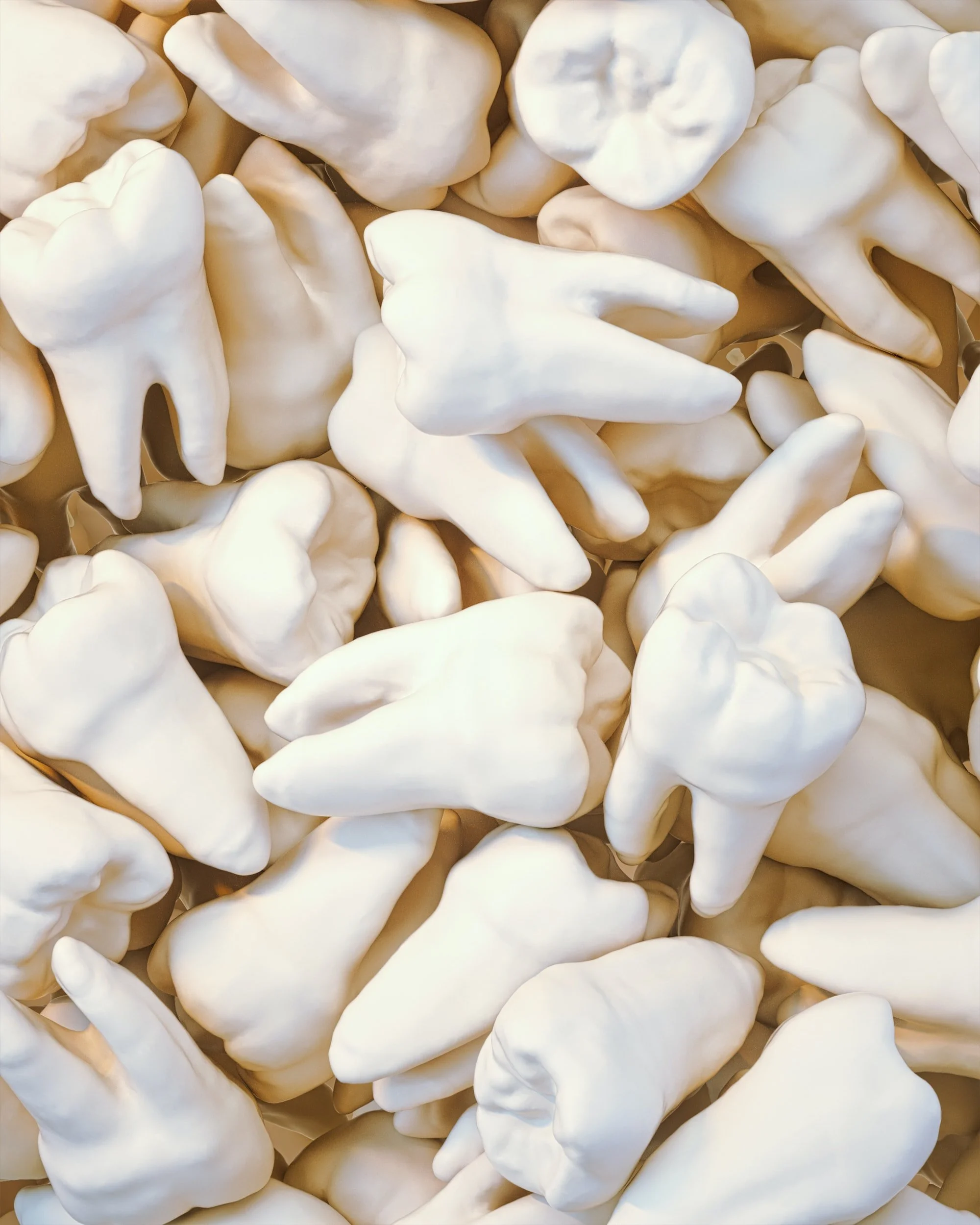
New technique helps researchers understand how acid damages teeth
Researchers have developed a new technique to improve understanding of how acid damages teeth at the microstructural level.
The University of Surrey and the School of Dentistry at the University of Birmingham have developed a new technique to improve understanding of how acid damages teeth at the microstructural level.
The researchers performed a technique called "in situ synchrotron X-ray microtomography" at Diamond Light Source, a special particle accelerator facility with which the University of Surrey has a strong working partnership. There, electrons were accelerated to near light speed to generate bright X-rays that were used to scan dentine samples while they were being treated with acid. This enabled the team to build clear 3D images of dentine's internal structure with sub-micrometre resolution (a micrometre being one-thousandth of a millimetre). By analysing these images over the six hours of the experiment, the researchers conducted the first-ever time-resolved 3D study (often referred to as 4D studies) of the dentine microstructural changes caused by acid.
The study, published in Dental Materials, highlights that acid dissolves the minerals in different structures of dentine at different rates. Dentine forms the main bulk of human teeth and supports the enamel, which covers the crown surface, helping to make teeth strong and resilient, but acids from dental plaque can cause tooth decay which affects the integrity of the dental structure. This research aims to develop knowledge that leads to new treatments that can restore the structure and function of dentine.
Dr Tan Sui, Senior Lecturer in Materials Engineering at the University of Surrey, who led the research group, said:
"Relatively little is known about how exactly acid damages the dentine inside our teeth at a microstructural level. This new research technique changes that and opens the possibility of helping identify new ways to protect dental tissues and develop new treatments."
Nathanael Leung, a final year PhD student at the University of Surrey, has been awarded a GSK Award 2021 by the Oral and Dental Research Trust. He will continue to study the mechanical response of dentine to masticatory forces in correlation with the microstructural changes that acid causes as well as in response to different treatments like fillings and crowns.
This research is part of an ongoing collaboration with Prof Gabriel Landini and Dr Richard Shelton at the School of Dentistry, University of Birmingham.

Obesity raises the risk of gum disease by inflating growth of bone-destroying cells
Chronic inflammation caused by obesity may trigger the development of cells that break down bone tissue, including the bone that holds teeth in place, according to new research that sought to improve understanding of the connection between obesity and gum disease
Chronic inflammation caused by obesity may trigger the development of cells that break down bone tissue, including the bone that holds teeth in place, according to new University at Buffalo research that sought to improve understanding of the connection between obesity and gum disease.
The study, completed in an animal model and published in October in the Journal of Dental Research, found that excessive inflammation resulting from obesity raises the number of myeloid-derived suppressor cells (MDSC), a group of immune cells that increase during illness to regulate immune function. MDSCs, which originate in the bone marrow, develop into a range of different cell types, including osteoclasts (a cell that breaks down bone tissue).
Bone loss is a major symptom of gum disease and may ultimately lead to tooth loss. Also known as periodontal disease, gum disease affects more than 47% of adults 30 years and older, according to the Centers for Disease Control and Prevention.
"Although there is a clear relationship between the degree of obesity and periodontal disease, the mechanisms that underpin the links between these conditions were not completely understood," says Keith Kirkwood, DDS, PhD, professor of oral biology in the UB School of Dental Medicine.
"This research promotes the concept that MDSC expansion during obesity to become osteoclasts during periodontitis is tied to increased alveolar bone destruction. Taken together, this data supports the view that obesity raises the risk of periodontal bone loss," says Kyuhwan Kwack, PhD, postdoctoral associate in the UB Department of Oral Biology.
The study examined two groups of mice fed vastly different diets over the course of 16 weeks: one group a low-fat diet that derived 10% of energy from fat, the other group a high-fat diet that drew 45% of energy from fat.
The investigation found that the high-fat diet group experienced obesity, more inflammation and a greater increase of MDSCs in the bone marrow and spleen compared to the low-fat diet group. The high-fat diet group also developed a significantly larger number of osteoclasts and lost more alveolar bone (the bone that holds teeth in place).
Also, the expression of 27 genes tied to osteoclast formation were significantly elevated in the group fed a high-fat diet.
The findings may shed more light on the mechanisms behind other chronic inflammatory, bone-related diseases that develop concurrently with obesity, such as arthritis and osteoporosis, says Kirkwood.
Additional investigators include Lixia Zhang, PhD, research scientist in the UB Department of Oral Biology; Jiho Sohn, doctoral candidate in the Jacobs School of Medicine and Biomedical Sciences at UB; Victoria Maglaras, student in the UB School of Dental Medicine; and Ramkumar Thiyagarajan, research scientist in the Jacobs School.

Gum disease increases risk of other illness such as mental health and heart conditions, study suggests
A new study shows an increased risk of patients developing illnesses including mental ill-health and heart conditions if they have a GP-inputted medical history of gum disease.
A University of Birmingham-led study shows an increased risk of patients developing illnesses including mental ill-health and heart conditions if they have a GP-inputted medical history of periodontal (gum) disease.
Experts carried out a first of its kind study of the GP records of 64,379 patients who had a GP-inputted recorded history of periodontal disease, including gingivitis and periodontitis (the condition that occurs if gum disease is left untreated and can lead to tooth loss). Of these, 60,995 had gingivitis and 3,384 had periodontitis. These patients' records were compared to those of 251,161 patients who had no record of periodontal disease. Across the cohorts, the average age was 44 years and 43% were male, while 30% were smokers. Body Mass Index (BMI), ethnicity and deprivation levels were also similar across the groups.
The researchers examined the data to establish how many of the patients with and without periodontal disease go on to develop cardiovascular disease (e.g., heart failure, stroke, vascular dementia), cardiometabolic disorders (e.g., high blood pressure, Type 2 diabetes), autoimmune conditions (e.g., arthritis, Type 1 diabetes, psoriasis), and mental ill-health (e.g., depression, anxiety and serious mental illness) over an average follow-up of around three years.
From the research, published today in journal BMJ Open, the team discovered that those patients with a recorded history of periodontal disease at the start of the study were more likely to go on and be diagnosed with one of these additional conditions over an average of three years, compared to those in the cohort without periodontal disease at the beginning of the research. The results of the study showed, in patients with a recorded history of periodontal disease at the start of the study, the increased risk of developing mental ill-health was 37%, while the risk of developing autoimmune disease was increased by 33%, and the risk of developing cardiovascular disease was raised by 18%, while the risk of having a cardiometabolic disorder was increased by 7% (with the increased risk much higher for Type 2 diabetes at 26%).
Co-first author, Dr Joht Singh Chandan, of the University of Birmingham's Institute of Applied Health Research, said: "Poor oral health is extremely common, both here in the UK and globally. When oral ill-health progresses, it can lead to a substantially reduced quality of life. However, until now, not much has been known about the association of poor oral health and many chronic diseases, particularly mental ill-health.Therefore, we conducted one of the largest epidemiological studies of its kind to date, using UK primary care data to explore the association between periodontal disease and several chronic conditions. We found evidence that periodontal disease appears to be associated with an increased risk of developing these associated chronic diseases. As periodontal diseases are very common, an increased risk of other chronic diseases may represent a substantial public health burden."
The research was partly funded by Versus Arthritis's Centre for Musculoskeletal Ageing Research based at the University of Birmingham, and supported by the National Institute for Health Research (NIHR) Birmingham Biomedical Research Centre.
Caroline Aylott, Head of Research Delivery at Versus Arthritis, said: "Some of the biggest challenges of arthritis, especially auto-immune conditions like rheumatoid arthritis (RA) which affects 400,000 people in the UK, is being able to know who is more at risk of developing it, and finding ways to prevent it. Previous studies have shown that people with RA were four times more likely to have gum disease than their RA-free counterparts and it tended to be more severe. This research provides further clear evidence why healthcare professionals need to be vigilant for early signs of gum disease and how it can have wide-reaching implications for a person's health, reinforcing the importance of taking a holistic approach when treating people."
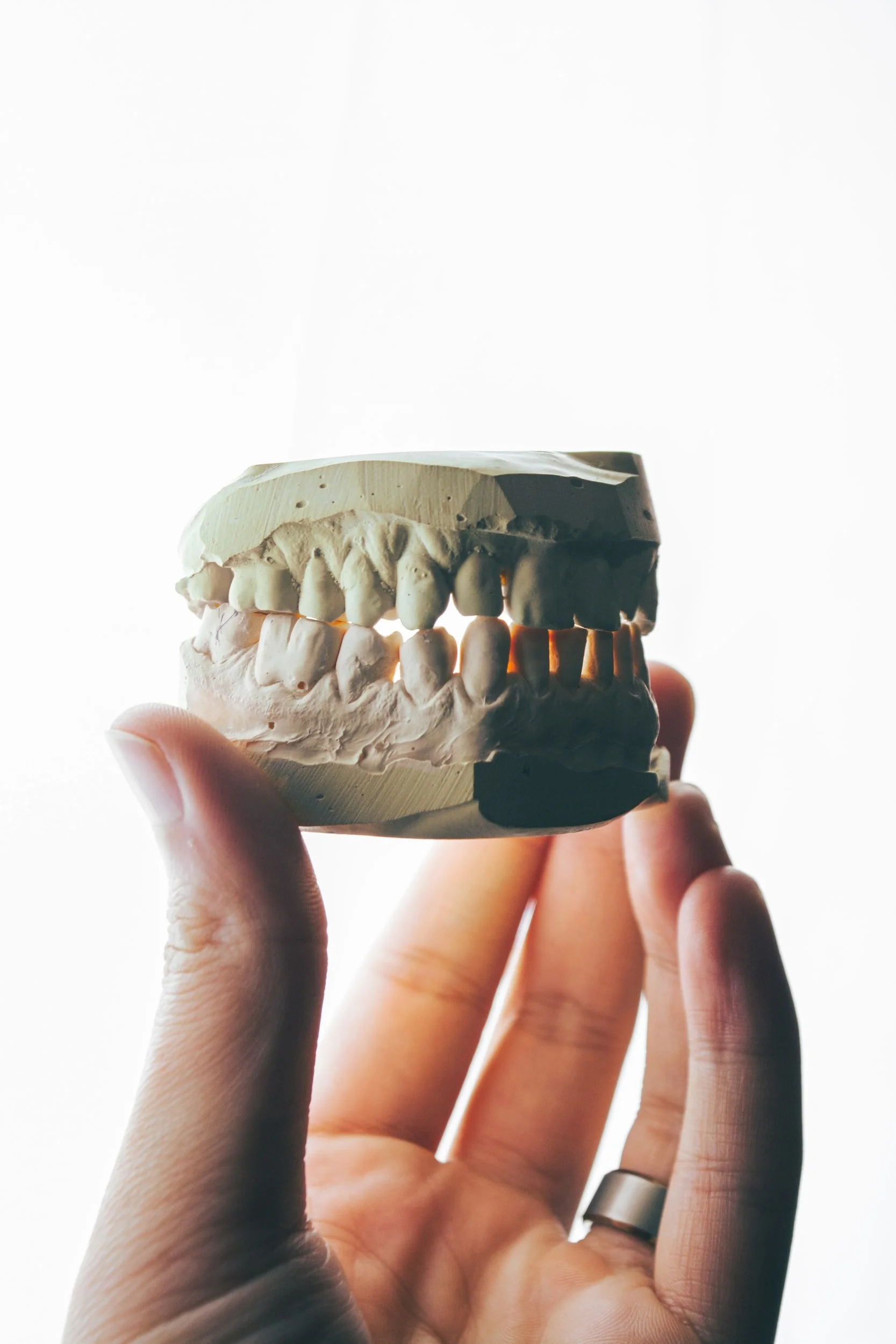
Baby teeth may one day help identify kids at risk for mental disorders later in life
The thickness of growth marks in primary (or 'baby') teeth may help identify children at risk for depression and other mental health disorders later in life, according to a ground-breaking investigation.
The team analysed 70 primary teeth collected from 70 children enrolled in the Children of the 90s study (also known as the Avon Longitudinal Study of Parents and Children) based at the University of Bristol. Parents donated primary teeth (specifically, the pointed teeth on each side of the front of the mouth known as canines) that naturally fell out of the mouths of children aged 5 to 7.
The results of this study could one day lead to the development of a much-needed tool for identifying children who have been exposed to early-life adversity, which is a risk factor for psychological problems, allowing them to be monitored and guided towards preventive treatments, if necessary.
The origin of this study traces back several years, when senior author Erin C. Dunn, ScD, MPH, learned about work in the field of anthropology that could help solve a longstanding problem in her own research. Dunn is a social and psychiatric epidemiologist and an investigator in MGH's Psychiatric and Neurodevelopmental Genetics Unit. She studies the effects of childhood adversity, which research suggests is responsible for up to one-third of all mental health disorders. Dunn is particularly interested in the timing of these adverse events and in uncovering whether there are sensitive periods during child development when exposure to adversity is particularly harmful. Yet Dunn notes that she and other scientists lack effective tools for measuring exposure to childhood adversity. Asking people (or their parents) about painful experiences in their early years is one method, but that's vulnerable to poor recall or reluctance to share difficult memories. "That's a hindrance for this field," says Dunn.
However, Dunn was intrigued to learn that anthropologists have long studied the teeth of people from past eras to learn about their lives. "Teeth create a permanent record of different kinds of life experiences," she says. Exposure to sources of physical stress, such as poor nutrition or disease, can affect the formation of dental enamel and result in pronounced growth lines within teeth, called stress lines, which are similar to the rings in a tree that mark its age. Just as the thickness of tree growth rings can vary based on the climate surrounding the tree as it forms, tooth growth lines can also vary based on the environment and experiences a child has in utero and shortly thereafter, the time when teeth are forming. Thicker stress lines are thought to indicate more stressful life conditions.
Dunn developed a hypothesis that the width of one variety in particular, called the neonatal line (NNL), might serve as an indicator of whether an infant's mother experienced high levels of psychological stress during pregnancy (when teeth are already forming) and in the early period following birth.
To test this hypothesis, Dunn and two co-lead authors -- postdoctoral research fellow Rebecca V. Mountain, PhD, and data analyst Yiwen Zhu, MS, who were both in the Psychiatric and Neurodevelopmental Genetics Unit at the time of the study -- led a team that analysed the teeth. The width of the NNL was measured using microscopes. Mothers completed questionnaires during and shortly after pregnancy that asked about four factors that are known to affect child development: stressful events in the prenatal period, maternal history of psychological problems, neighbourhood quality (whether the poverty level was high or it was unsafe, for instance), and level of social support.
Several clear patterns emerged. Children whose mothers had lifetime histories of severe depression or other psychiatric problems, as well as mothers who experienced depression or anxiety at 32 weeks of pregnancy, were more likely than other kids to have thicker NNLs. Meanwhile, children of mothers who received significant social support shortly after pregnancy tended to have thinner NNLs. These trends remained intact after the researchers controlled for other factors that are known to influence NNL width, including iron supplementation during pregnancy, gestational age (the time between conception and birth) and maternal obesity.
No one is certain what causes the NNL to form, says Dunn, but it's possible that a mother experiencing anxiety or depression may produce more cortisol, the "stress hormone," which interferes with the cells that create enamel. Systemic inflammation is another candidate, says Dunn, who hopes to study how the NNL forms. And if the findings of this research can be replicated in a larger study, she believes that the NNL and other tooth growth marks could be used in the future to identify children who have been exposed to early life adversity. "Then we can connect those kids to interventions," says Dunn, "so we can prevent the onset of mental health disorders, and do that as early on in the lifespan as we possibly can."
Dunn is also an associate professor of Psychiatry at Harvard Medical School. Mountain is now a postdoctoral research fellow at Maine Medical Center Research Institute. Zhu is now a doctoral student at the Harvard T.H. Chan School of Public Health.

Celebrity Smile Makeovers: A Clinical Perspective on Aesthetic Harmony
From veneers to gum reshaping, discover the clinical "fixes" for famous smiles. Dr. Henley’s unhurried, medically-informed approach to cosmetic dentistry.
Fame and fortune often provide the resources for the perfect smile, but as these notable examples suggest, dental health is a universal challenge. Many stars deal with the same issues we see in our practice: gaps (diastemas), excessive gingival display, and complex malocclusions.
At CJ Henley, DMD, we view these cases through the lens of advanced restorative dentistry—where "character" meets clinical longevity.
Lindsay Lohan: Restoration After Chemical Damage
Severe dental erosion and browning near the gumline are often signs of significant systemic or environmental stress.
The Clinical Fix: Addressing this requires more than just whitening.
The Approach: A combination of local gum therapy and rebuilding the tooth structure using high-strength veneers or crowns to restore both function and aesthetics.
Cynthia Nixon: Correcting the Overbite and Gingival Symmetry
A "Class 2, Division 2" overbite occurs when the lateral teeth overlap the front teeth, often accompanied by an "extended gum line".
The Approach: This requires a multidisciplinary strategy. Orthodontics can realign the bite, while gum reshaping (laser gingivectomy) can create a more symmetrical frame for the teeth. This is a hallmark of the unhurried, detailed planning we provide during our comprehensive evaluations.
Kirsten Dunst: Managing the "Snaggle Fangs"
While some choose to keep "trademark" dental features, protruding teeth can sometimes lead to uneven wear over time.
The Approach: If a patient desires a smoother arch, we utilize crowns or veneers to bring the front teeth into alignment, preventing long-term mechanical trauma to the enamel.
Steve Buscemi: The Impact of Periodontal Disease
Beyond the "off-kilter" look, signs of gum disease (periodontitis) are evident when teeth appear loose or out of alignment.
The Approach: Periodontal health is the foundation of any smile makeover. We utilize deep cleanings and occasionally antibiotic therapies to stabilize the gums before any restorative work, like crowns or braces, can begin. This reflects our focus on Complex & Medically Involved Care.
Anna Paquin & Woody Harrelson: Diastemas and Tooth Proportions
Gaps between the front teeth (diastemas) or small tooth proportions can be corrected to create a "wider" and more youthful smile.
The Approach: For Woody Harrelson, crown lengthening and gum reshaping could increase the visible tooth surface. For Anna Paquin, veneers or orthodontics could close the gap to create a more balanced aesthetic.
Experience the "Boutique" Difference
Whether you have a "celebrity" dental challenge or are seeking Oncology-Related Dental Support, we believe your care should never be rushed. We offer a specialized two-hour evaluation to ensure your smile is not only beautiful but medically sound for the long term.
Reviewed and Updated February 2026