


The Gut-Mouth Connection: How Heartburn Medication Impacts Gum Health
Can PPIs protect your gums? Discover the latest research on how heartburn medication affects gum disease severity. Medically-informed dental care in Jacksonville.
Research from the University at Buffalo suggests a surprising link between digestive health and the stability of your gums. The study found that patients using Proton Pump Inhibitors (PPIs)—common medications for heartburn and acid reflux—exhibited significantly less severe symptoms of gum disease (periodontitis).
As a practice focused on Complex & Medically Involved Care, we closely monitor how your systemic medications influence your oral clinical outcomes.
The Data: Smaller "Pockets" and Stronger Foundations
The study analyzed over 1,000 patients and used probing depths (the space between the tooth and gum) as the primary measure of health. Healthy gums fit snugly against the teeth, while deep pockets indicate bone loss and active infection.
The findings were striking:
Severe Disease: Only 14% of teeth in PPI users had deep pockets (6mm+), compared to 24% in non-users.
Moderate Disease: PPI users also showed a significant reduction in 5mm pockets compared to those not taking the medication.
Why Does Heartburn Medicine Affect the Gums?
While more research is needed, scientists believe the link may lie in how PPIs alter two critical systems:
Bone Metabolism: PPIs may influence how the body maintains the alveolar bone that supports your teeth.
The Microbiome: These drugs can shift the balance of bacteria in both the gut and the mouth, potentially reducing the "relative abundance" of harmful, gram-negative bacteria that drive inflammation.
Medically-Informed Periodontal Care
At CJ Henley, DMD, we don't treat the mouth in isolation. Understanding your full medical history—including your use of PPIs or other systemic drugs—is a vital part of our unhurried, two-hour new patient evaluation.
By coordinating with your medical team and understanding these systemic links, we can design more predictable, long-lasting restorative treatments that respect your body's unique physiology.
Reviewed and Updated February 2026
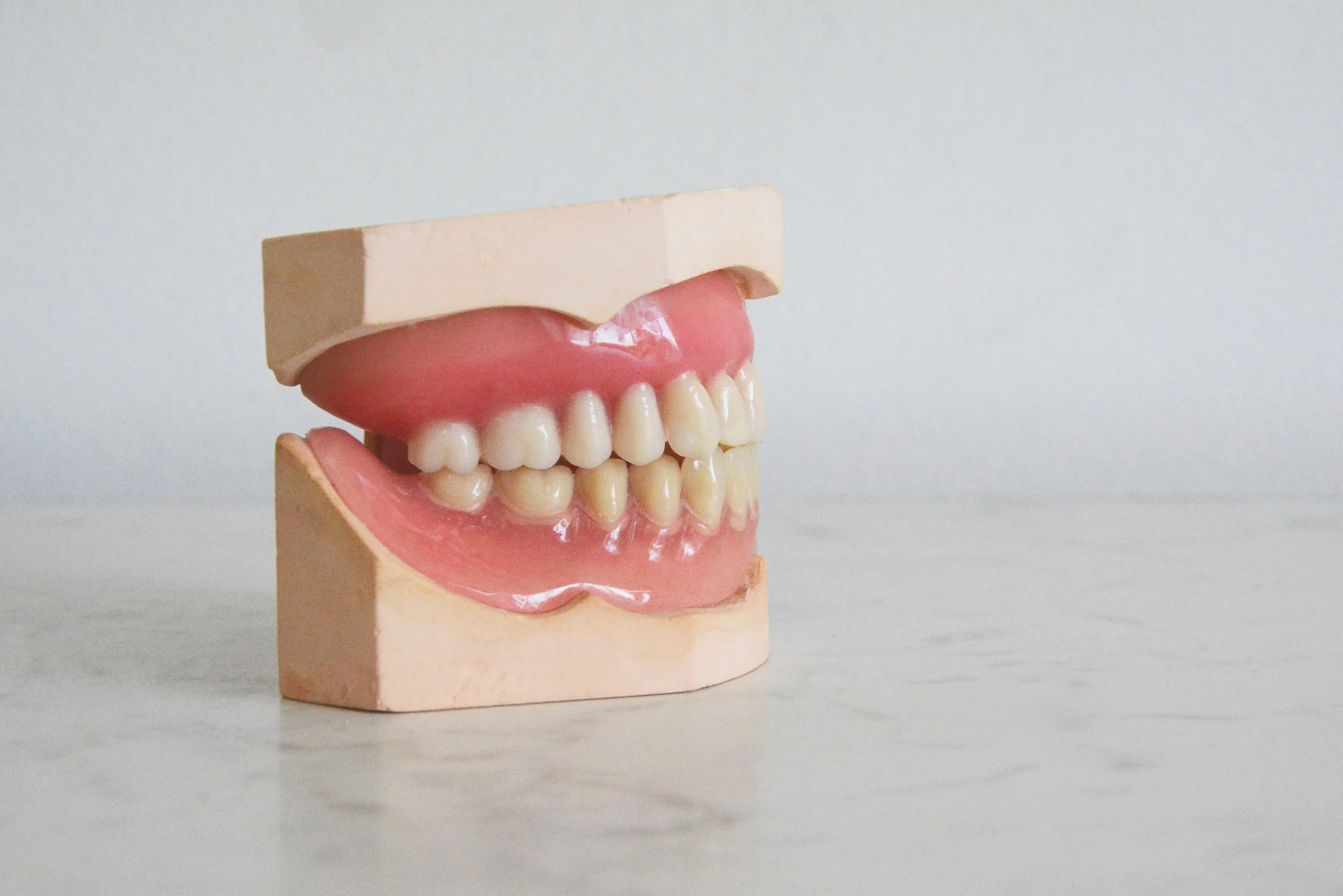
Nocturnal teeth grinding can damage temporomandibular joints
Nocturnal teeth grinding and clenching of the upper and lower jaw are known as sleep bruxism and can have a number of consequences for health. In dental science, the question of whether sleep bruxism is associated with the development or progression of temporomandibular joint disorders is controversial. New research shows that certain tooth shapes and tooth locations could well lead to temporomandibular joint problems as a result of bruxism.
Nocturnal teeth grinding and clenching of the upper and lower jaw are known as sleep bruxism and can have a number of consequences for health. In dental science, the question of whether sleep bruxism is associated with the development or progression of temporomandibular joint disorders is controversial. In a study conducted at the University Clinic of Dentistry of the Medical University of Vienna, it was found that certain tooth shapes and tooth locations could well lead to temporomandibular joint problems as a result of bruxism. The research findings of Benedikt Sagl's team were recently published in the Journal of Advanced Research.
Around 15% of the population grind their teeth while they are asleep. The problem is particularly common in younger people. The, often immense, pressure exerted on tooth surfaces and on the jaws is thought to cause various dental health problems and can also result in pain in the jaw muscles and headaches. Researchers led by Benedikt Sagl at the University Clinic of Dentistry of the Medical University of Vienna have now investigated whether sleep bruxism can also have a negative impact on the temporomandibular joint (TMJ) structures. Their research was based on the theory that specific combinations of tooth shape and tooth location during grinding have an influence on the mechanical load on the temporomandibular joint and can thus be considered a risk factor for TMJ disorders.
Angle of inclination and location
The studies were performed using a state-of-the-art computer model of the masticatory region, which includes bone, cartilage and muscular structures. Such computer models can be used to investigate research questions when direct studies on patients are not feasible on ethical grounds. The subject of the research was the interaction of two factors that coincide in the phenomenon of bruxism. The first of these is the shape of the affected tooth, more precisely the angle of inclination of the dental cusp that is in contact with its opposite number during grinding. The second is the location of the tooth contact (the so-called wear facet) during a dynamic grinding motion, which was considered by the research team. The study simulated the effects of lateral grinding on the first molar and on the canine with six different wear facet inclinations, resulting in a total of twelve simulated scenarios.
"Our results show that both the inclination and location of the wear facets have an influence on the strength of the mechanical load on the temporomandibular joint," explains Benedikt Sagl. "However, it would appear that the decisive factor is the steepness of the grinding facet. The flatter the tooth, the higher the loading on the joint and therefore the higher the risk of a TMJ disorder." Conversely, if the dental cusps involved in bruxism have a steeper angle of inclination, the calculated joint loading was lower, even with the same "grinding force" (bruxing force). Further research will now be conducted, coupled with clinical investigations, to establish whether this finding can be incorporated into the development of therapeutic interventions for sleep bruxism.
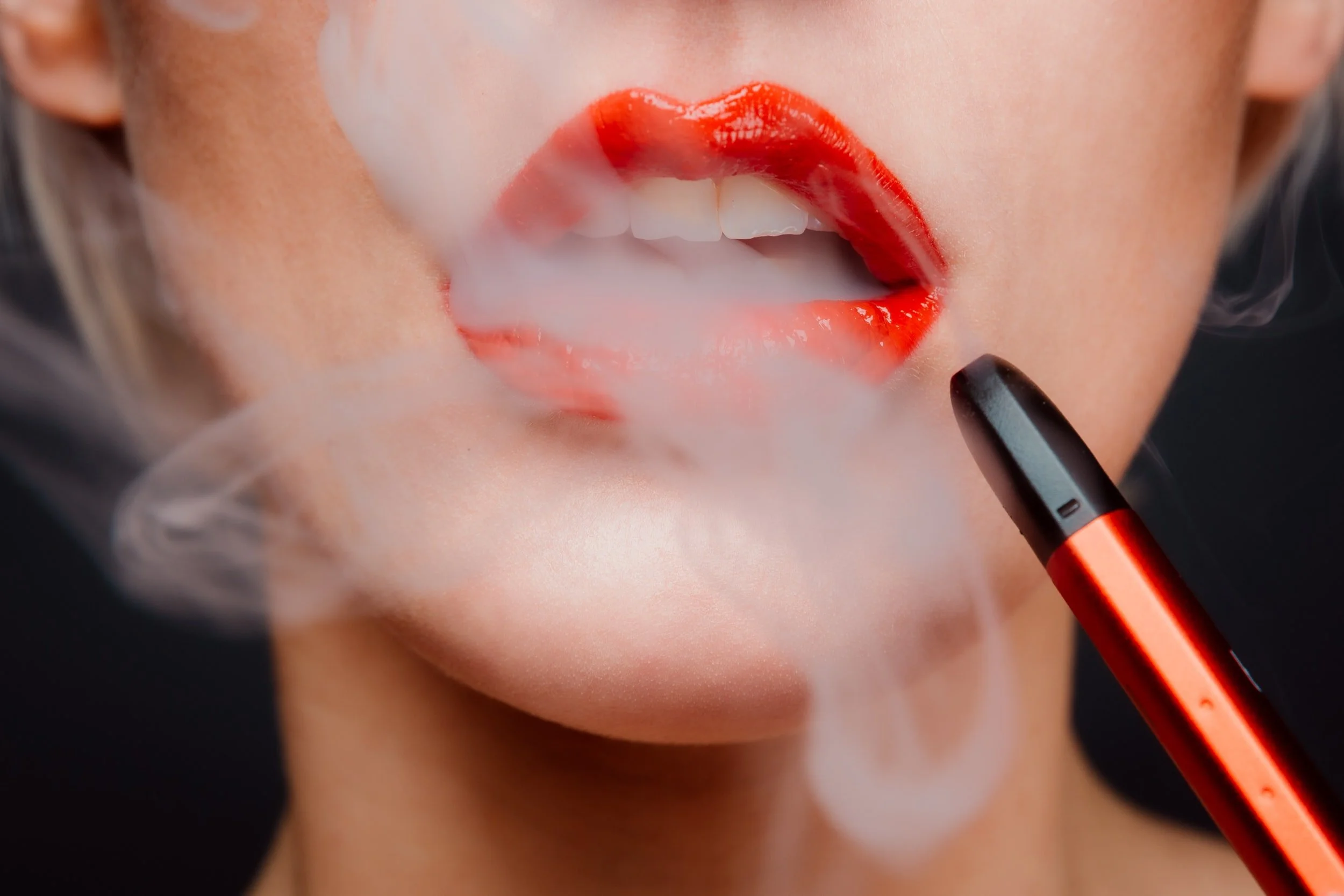
Evidence grows for vaping's role in gum disease
New studies highlight how e-cigarettes alter oral health and may be contributing to gum disease. The latest research finds that e-cigarette users have a unique oral microbiome that is less healthy than nonsmokers but potentially healthier than cigarette smokers, and measures worsening gum disease over time.
A series of new studies by researchers at NYU College of Dentistry highlights how e-cigarettes alter oral health and may be contributing to gum disease. The latest, published in mBio, finds that e-cigarette users have a unique oral microbiome -- the community of bacteria and other microorganisms -- that is less healthy than nonsmokers but potentially healthier than cigarette smokers, and measures worsening gum disease over time.
"To our knowledge, this is the first longitudinal study of oral health and e-cigarette use. We are now beginning to understand how e-cigarettes and the chemicals they contain are changing the oral microbiome and disrupting the balance of bacteria," said Deepak Saxena, who led the research with Xin Li; both are professors of molecular pathobiology at NYU College of Dentistry.
Gum disease affects nearly half of U.S. adults over 30 years of age. Smoking cigarettes is a known risk factor for developing gum disease, but less is known about the impact of e-cigarettes -- which vaporize nicotine and other chemicals -- on oral health, especially the long-term consequences of vaping.
The researchers studied the oral health of 84 adults from three groups: cigarette smokers, e-cigarette users, and people who have never smoked. Gum disease was assessed through two dental exams six months apart, during which plaque samples were taken to analyze the bacteria present.
Changes to gum health
All participants had some gum disease at the start of the study, with cigarette smokers having the most severe disease, followed by e-cigarette users. After six months, the researchers observed that gum disease had worsened in some participants in each group, including several e-cigarette users.
A key indicator of gum disease is clinical attachment loss, measured by gum ligament and tissue separating from a tooth's surface, leading the gum to recede and form pockets. These pockets are breeding grounds for bacteria and can lead to more severe gum disease. In a study of the same participants published in Frontiers in Oral Health, the research team found that clinical attachment loss was significantly worse only in the e-cigarette smokers -- not non-smokers and cigarette smokers -- after six months.
A unique microbiome
The researchers then analyzed the bacteria found in the plaque samples and determined that e-cigarette users have a different oral microbiome from smokers and nonsmokers -- building on findings the team previously reported in iScience and Molecular Oral Microbiology.
While all groups shared roughly a fifth of the types of bacteria, the bacterial makeup for e-cigarette users had strikingly more in common with cigarette smokers than nonsmokers. Several types of bacteria, including Selenomonas, Leptotrichia, and Saccharibacteria, were abundant in both smokers and vapers compared to nonsmokers. Several other bacteria -- including Fusobacterium and Bacteroidales, which are known to be associated with gum disease -- were particularly dominant in the mouths of e-cigarette users.
When plaque samples were gathered and analyzed in the six-month follow-up, the researchers found greater diversity in bacteria for all groups studied, yet each group maintained its own distinct microbiome.
"Vaping appears to be driving unique patterns in bacteria and influencing the growth of some bacteria in a manner akin to cigarette smoking, but with its own profile and risks to oral health," said Fangxi Xu, a junior research scientist in Saxena's lab and the study's co-first author.
An altered immune response
The researchers found that the distinct microbiome in e-cigarette users was correlated with clinical measures of gum disease and changes to the host immune environment. In particular, vaping was associated with different levels of cytokines -- proteins that help regulate the immune system. Certain cytokines are linked to an imbalance in oral bacteria and can worsen gum disease by making people prone to inflammation and infection.
TNFα, a cytokine that causes inflammation, was significantly elevated among e-cigarette users. In contrast, cytokines IL-4 and IL-1β were lower among e-cigarette users; IL-4 tends to be reduced in people with gum disease and increases after treatment, which suggests that certain bacteria in the mouths of e-cigarette users may be actively suppressing immune responses.
The researchers concluded that the distinct oral microbiome of e-cigarette users elicits altered immune responses, which along with clinical markers for gum disease illustrate how vaping presents its own challenge to oral health.
"E-cigarette use is a relatively new human habit," said Scott Thomas, an assistant research scientist in Saxena's lab and the study's co-first author. "Unlike smoking, which has been studied extensively for decades, we know little about the health consequences of e-cigarette use and are just starting to understand how the unique microbiome promoted by vaping impacts oral health and disease."
This research was supported by the National Institute of Dental & Craniofacial Research (DE025992, DE027074), the National Cancer Institute (CA206105), and the NYU Mega-Grants Initiative. The study included additional collaborators from NYU College of Dentistry, NYU Grossman School of Medicine, and the University of Pennsylvania.

April is Oral Cancer Awareness Month
Every hour, 24-hours-a-day, 365-days-a-year, someone dies of oral or oropharyngeal cancer (cancer of the mouth and upper throat). Yet, if oral cancer is detected and treated early, treatment-related health problems are reduced and survival rates may increase.
Every hour, 24-hours-a-day, 365-days-a-year, someone dies of oral or oropharyngeal cancer (cancer of the mouth and upper throat). Yet, if oral cancer is detected and treated early, treatment-related health problems are reduced and survival rates may increase.
This year an estimated 54,0001 new cases of oral cancer will be diagnosed. Of those individuals, 43 percent will not survive longer than five years, and many who do survive to suffer long-term problems, such as severe facial disfigurement or difficulties with eating and speaking. The death rate associated with oral and oropharyngeal cancers remains particularly high because the cancers routinely are discovered late in their development.
This April, as the nation observes the 22nd Annual Oral Cancer Awareness Month, the Academy of General Dentistry Foundation (agd.org/agd-foundation), the American Academy of Oral and Maxillofacial Pathology (aaomp.org), American Academy of Oral and Maxillofacial Radiology (www.aaomr.org), the American Association of Oral and Maxillofacial Surgeons (myoms.org), the American Academy of Oral Medicine (aaom.com), the American Academy of Periodontology (perio.org), the American College of Prosthodontics (www.prosthodontics.org), the American Dental Hygienists’ Association (www.adha.org), and the California Dental Hygienists’ Association (www.cdha.org) are again joining the non-profit Oral Cancer Foundation in its campaign to raise awareness of oral cancer screenings and the importance of early detection.
Regular oral cancer examinations performed by your oral health professional remain the best method for detecting oral cancer in its early stages.
Be Mindful of Symptoms: Public Urged to “Check Your Mouth”
For the third straight year, the efforts of the Foundation and the dental associations cited above will be bolstered by the Oral Cancer Foundation’s Check Your Mouth™ initiative (www.checkyourmouth.org). Check Your Mouth encourages the public to regularly check for signs and symptoms of oral cancer between dental visits and to see a dental professional if they do not improve or disappear after two or three weeks.
Signs and symptoms of oral cancer which is predominantly caused by tobacco usage and/or excessive alcohol usage may include one or more of the following:
Any sore or ulceration that does not heal within 14 days.
A red, white, or black discoloration of the soft tissues of the mouth.
Any abnormality that bleeds easily when touched (friable).
A lump or hard spot in the tissue, usually border of the tongue (induration).
Tissue raised above that which surrounds it; a growth (exophytic).
A sore under a denture, which even after adjustment of the denture, does not heal.
A lump or thickening that develops in the mouth.
A painless, firm, fixated lump felt on the outside of the neck, which has been there for at least two weeks.
All the above symptoms have the commonality of being persistent and not resolving.
Signs and symptoms of HPV-caused oropharyngeal cancer may include one or more of the following (which may persist longer than two-three weeks):
Hoarseness or sore throat that does not resolve within a few weeks.
A swollen tonsil on just one side. This is usually painless.
A painless, firm, fixated lump felt on the outside of the neck, which has been there for at least two weeks.
A persistent cough that does not resolve after many days.
Difficulty swallowing; a sensation that food is getting caught in your throat.
An earache on one side (unilateral) persists for more than a few days.
All the above symptoms have the commonality of being persistent and not resolving.
Always call your dentist right away if there are any immediate concerns.
Risk Factors
Research has identified a number of factors that may contribute to the development of oral and oropharyngeal cancers. Historically, those at an especially high risk of developing oral cancer have been heavy drinkers and smokers older than age 50, but today the cancer also is occurring more frequently in nonsmoking people due to HPV16, the virus most commonly associated with cervical cancer.
The sexually transmitted human papillomavirus 16 (HPV) is related to the increasing incidence of oropharyngeal cancer (most commonly involving lymphoid tissue occurring in the tonsils or the base of the tongue). Approximately 99 percent of people who develop an HPV oral infection will clear the virus on their own. In approximately 1 percent of individuals, the immune system will not clear the virus and it can lay dormant for decades before potentially causing a cancer, this occurs mostly in a non-smoking population composed of males four to one over females.
If you have never had an oral cancer examination, there is no better time to schedule one than during Oral Cancer Awareness Month in April. When you do, be sure to ask that this examination be made a routine part of all of your future dental check-ups. For a list of local dental professionals who are participating in this year’s event by offering free oral cancer screenings, visit the Oral Cancer Foundation’s website.
For more information about oral cancer and its diagnosis and treatment, visit the websites of the organizations listed below.
About Oral Cancer Awareness Month
Each April, several of the nation’s top dental associations join together with the Oral Cancer Foundation to raise awareness for oral and oropharyngeal cancers. Many dental professionals around the country open their offices to do free screenings to the public during this month each year as well. This is an important reminder to the public that when these cancers are detected and treated early, mortality and treatment related health problems are reduced. For more information visit the Oral Cancer Foundation website at www.oralcancer.org.
What is bruxism or teeth grinding?
Bruxism is when a person grinds or clenches their teeth while not chewing. It usually occurs during sleep, but it can also happen during waking hours. Often, a person is not consciously aware that they are doing it.
Teeth grinding involves making a chewing motion in which the teeth rub against each other. Clenching is when a person holds their teeth together and clenches the muscles without moving the teeth back and forth.
People can grind or clench their teeth during the day or night. According to the United Kingdom’s Bruxism Association, 8–10% of the population experience it.
In this article, we look at the signs, diagnosis, and treatment of bruxism. We also explain the differences between bruxism during sleep and when awake.
Signs of sleep bruxism
Sleep bruxism is a type of sleep disorder. The symptoms of sleep bruxism that people may notice when awake include:
facial pain
jaw pain and stiffness
clicking, popping, or grinding noises when moving the jaw
a dull headache
sensitive, loose, or broken teeth
worn teeth
broken or loose fillings
People can also experience ear pain because the temporomandibular joint (TMJ) — the joint that allows the jaw to open and shut — is very close to the ear. People may also have referred pain, which is when someone feels pain in a location other than its source.
Although people with bruxism during sleep often cannot feel that they are clenching or grinding the teeth, people who sleep near them may be able to hear the noise it causes.
Awake bruxism
Awake bruxism is different than sleep bruxism, as it is not a sleep disorder. Instead, it is an unconscious habit.
Often, awake bruxism does not cause teeth grinding. Instead, people are more likely to clench their teeth or tense the muscles around the jaw. Awake bruxism also causes aching around the jaw, dull headaches, and stiffness. However, in cases where there is no grinding, the condition may not wear the teeth in the same way.
As with sleep bruxism, awake bruxism happens involuntarily. People may notice that they are more prone to it when they are concentrating or feel stressed.
What causes bruxism?
Bruxism does not always have a single or identifiable cause, but a number of factors are associated with it. These factors vary depending on the type of bruxism.
Primary bruxism
Primary bruxism occurs on its own and does not result from another condition. Some of the known factors that contribute to it include:
Growing teeth: Bruxism is common in young children, with up to 40%Trusted Source experiencing it, usually when their teeth are growing. However, because the teeth and jaw grow quickly during childhood, the bruxism usually resolves on its own without causing lasting damage.
Misaligned bite: In some people, bruxism may happen because either a person’s bite is not aligned or they have missing teeth. Irritation in the mouth may also contribute to grinding or clenching.
Stress: One of the main causes of bruxism in adults, whether it occurs during sleep or when awake, is stress. A 2020 systematic review found that there was a significant association between stress and bruxism, but more research is necessary to understand the relationship.
Smoking, alcohol, and caffeine: A 2016 review of previous research found that the use of these substances was also associated with bruxism. People who smoked or drank alcohol regularly were about two times more likely to have bruxism, while those who drank more than 8 cups of coffee per day were 1.5 times more likely.
Secondary bruxism
Secondary bruxism occurs as a result of another medical condition or circumstance, such as:
Mental health conditions: Anxiety and depression are associated with bruxism. This association may be due in part to stress, which can contribute to these conditions.
Neurological conditions: Conditions such as Huntington’s disease and Parkinson’s disease can cause movement during sleep, which may result in bruxism.
Medications: Bruxism can be a side effect of certain medications, including some antidepressants and antipsychotics. A 2018 study found a link between selective serotonin reuptake inhibitors (SSRIs) and bruxism. Fluoxetine (Prozac) and sertraline (Zoloft) were the most common culprits out of the studied drugs.
Sleep apnea: Sleep apnea is a condition that causes breathing to stop temporarily during sleep. It can reduce sleep quality and cause frequent arousals, which may be why it is a risk factor for bruxism. By disturbing sleep, sleep apnea may promote teeth grinding or clenching.
What are the long-term effects of bruxism?
Long-term damage from bruxism may cause:
tooth sensitivity, due to enamel wearing away
gum inflammation or bleeding
loose teeth
damage to dental work, such as crowns and fillings
flattened or short teeth
tooth fractures
TMJ syndrome, which causes pain, tension, and difficulty chewing
Diagnosis
A dentist can diagnose bruxism by performing a dental examination. They may notice:
worn tooth enamel
flattened, fractured, or chipped teeth
loose or damaged crowns and fillings
enlarged jaw muscles
Tooth wear can also result from overly vigorous brushing, abrasives in toothpaste, acidic soft drinks, and hard foods, but a trained professional can tell the difference between the characteristic wear patterns of each cause.
Treatment
Various treatments and strategies may help with bruxism. These include:
Mouthguard or mouth splint
A dentist may recommend wearing a mouth splint or mouthguard during sleep to protect the teeth from damage. These devices can help by evening out the pressure across the jaw, providing a physical barrier between the teeth, and reducing the noise of teeth grinding.
Mouthguards for bruxism usually consist of flexible rubber or plastic. A dentist can create one that is tailored to an individual’s teeth, or a person can buy an over-the-counter (OTC) version. OTC versions may be less comfortable.
Mouth splints are typically made of harder plastic and fit directly onto the teeth. Some splints fit over the top teeth, while others fit on the bottom teeth. Depending on the design, a splint will keep the jaw in a more relaxed position or provide a barrier so that the splints, rather than the teeth, sustain any damage.
It is not advisable to use generic mouthguards for sports, as they can be bulky and cause significant discomfort.
Medication
Taking a nonsteroidal anti-inflammatory drug (NSAID), such as ibuprofen, may help relieve any pain and swelling associated with bruxism.
In some cases, a doctor may also recommend the short-term use of a medication to relax the muscles and stop the cycle of teeth grinding. This approach gives the jaw muscles a chance to rest, which may reduce symptoms.
If a medication could be causing bruxism as a side effect, a person may wish to speak with a doctor about changing to an alternative. A person should never stop a medication or change the dosage without consulting a doctor first.
Biofeedback
Biofeedback is a type of therapy that helps someone become aware of involuntary bodily functions, such as breathing or heart rate, and teaches them to control them.
There is not a lot of research on the effectiveness of biofeedback for treating bruxism, but a 2018 review did find some evidence that a specific biofeedback tool known as contingent electrical stimulation improved symptoms after several nights of use.
Botox
In severe cases of bruxism, injections of botulinum toxin, or Botox, can paralyze the muscles responsible for sleep bruxism to stop teeth grinding. However, Botox can be expensive, and regular injections are necessary to maintain the effects.
Treatment for underlying conditions
If a person with bruxism also experiences stress, anxiety, or depression, seeking help for these conditions may help with their teeth grinding.
Usually, treatment for these mental health conditions involves a combination of talk therapy and medication to reduce the symptoms, but as some SSRIs can cause bruxism as a side effect, a person may wish to start with therapy first.
Alternatively, if an individual has a condition such as sleep apnea, speaking with a doctor about this may allow them to get a diagnosis and treatment. For example, some people with sleep apnea benefit from using a continuous positive airway pressure machine to prevent sleep disruptions.
Prevention
People with primary bruxism may be able to reduce or prevent the symptoms by practicing self-care. For example, they can try:
avoiding alcohol, tobacco, and caffeine
refraining from chewing gum, as this may increase wear and tear or encourage more grinding
applying gentle heat to the jaw to relieve pain and tension
reducing avoidable stress and taking steps to manage unavoidable stress
External events and circumstances can cause stress, but it can also come from how people perceive those events. In either case, there are ways to manage it.
Seeking support, making time for relaxation, and practicing mindfulness can help. People may also wish to try breathing exercises, meditation, yoga, or other relaxation techniques.
Frequently asked questions
Here are some answers to questions that people often have about bruxism.
Can bruxism cause tinnitus?
It is possible that bruxism and tinnitus might be linked. According to the American Tinnitus Association, tinnitus can occur if the TMJ becomes damaged. As bruxism directly affects this joint, it may lead to tinnitus.
Is bruxism hereditary?
An older review of previous research concluded that there is some evidence that bruxism may run in families. However, no study has identified specific genes that are related to it, and genetics is likely only one of many contributing factors.
Summary
Bruxism is when a person grinds or clenches their teeth involuntarily. It can occur when someone is awake or asleep, causing facial pain, jaw stiffness, and headaches. In the long term, teeth grinding can damage the teeth, gums, or jaw joint.
A dentist can diagnose bruxism during a dental exam. Treatment focuses on reducing damage to the teeth via a mouthguard or mouth splint and addressing factors that might be contributing to the bruxism. This may involve reducing stress, changing medications, or treating associated conditions, such as sleep apnea.

Could a Chewing Gum in Pregnancy Help Prevent Premature Deliveries?
Gum disease has been linked to an increased risk for preterm birth, and now new research suggests that chewing sugar-free gum with xylitol during pregnancy may lower this risk.
The study took place in Malawi, Africa, which has one of the world's highest rates of preterm delivery. Experts are quick to caution that it's too early to say that all pregnant women should start chewing xylitol gum to prevent preterm birth.
Each year, about 15 million babies are born before the 37th week of pregnancy, and this number is on the rise, according to the World Health Organization. Babies who are born too early have more health problems at birth and later in life than those born at full term.
"As a field, we have not been terribly successful in identifying interventions that reduce the risk of preterm birth. And to achieve preterm birth prevention with a simple, fairly cheap intervention in a lower resource setting with one of the highest rates of preterm births worldwide is remarkable," said Dr. Blair Wylie. She is director of maternal-fetal medicine at Beth Israel Deaconess Medical Center in Boston, and was not involved in the study. "This has the potential to save lives in these lower-income settings that bear a disproportionate burden of preterm birth globally."
Xylitol is known to reduce inflammation and improve oral health, explained study author Dr. Kjersti Aagaard. She is a professor in maternal-fetal medicine and vice chairwoman of obstetrics and gynecology at Texas Children's and Baylor College of Medicine in Houston.
"Oral health and the rest of your body health are intimately linked," Aagaard said. "Preterm birth is a challenging problem, and this is a simple intervention based on really good science."
The study took place over 10 years and included more than 10,000 women from eight health centers in Malawi. All of the women were educated about oral health care and other ways to prevent preterm birth. Half of the women were also asked to chew xylitol gum for 10 minutes once or twice a day throughout their pregnancy.
Pregnant women who chewed the gum were less likely to deliver early, compared with women who received education alone — 12.6% versus 16.5%. What's more, fewer babies born to gum-chewing moms weighed 5.5 pounds or less at birth, the study found. Women also saw improvements in their oral health.
"People sometimes think there's nothing we can do about preterm birth, but that's not true," Aagaard said. "We don't have a magic bullet but providing some spread between children, stopping smoking, and treating underlying diseases are all things that can reduce the preterm birth rate, and chewing xylitol gum seems to also make a difference for pregnant women in Malawi."
Studies in the United States have looked at improving dental health during pregnancy with deep-teeth cleaning or scaling and planing to remove plaque and tartar on the teeth and below the gums, but this didn't seem nearly as effective as simply chewing xylitol gum, Aagaard said.
The study was presented Thursday at a virtual meeting of the Society for Maternal-Fetal Medicine. Findings presented at medical meetings should be considered preliminary until published in a peer-reviewed journal.
Experts who were not involved with the study were quick to caution that these results can't be generalized to other groups of women yet, but they noted that the link between poor oral health and preterm birth is well established.
"Xylitol may alter the oral microbiome, leading to healthier gums, less systemic inflammation, and therefore less preterm birth," said Wylie.
But, she added, there are likely key differences in the oral flora and oral habits of women in the study and women in other parts of the world. "It's premature to suggest everyone chew xylitol gum in pregnancy," Wylie said.
Dr. Cynthia Gyamfi-Bannerman, professor and chairwoman of obstetrics, gynecology and reproductive sciences at University of California, San Diego Health Sciences, agreed.
"This particular type of gum has been shown to decrease cavities, and there has always been the suggestion of a relationship between periodontal health and preterm delivery," she said. "Dental health is likely an important part of pregnancy health. Pregnant individuals should continue seeing their dentists and incorporating oral hygiene into health care while pregnant."
The next step, the researchers said, is to conduct similar studies in other parts of the world, including the United States. That would help determine whether the intervention would be helpful in places where there may be lower levels of preterm birth tied to oral health.

Comparative Medicine: Why Oral Health is Vital for Every Family Member
Oral health impacts the heart, liver, and kidneys in both humans and pets. Discover the clinical links between periodontal disease and systemic wellness.
At CJ Henley, DMD, we focus on the specialized needs of Complex & Medically Involved Care in humans, but the biological principles of oral health extend across species. Periodontal disease is the most common dental condition in both humans and our animal companions, and the systemic consequences are remarkably similar.
Just as we coordinate with medical teams through the Baptist MD Anderson Head and Neck Tumor Board to protect human systemic health, veterinary professionals prioritize oral care to prevent damage to vital organs like the heart, liver, and kidneys.
The Systemic Link: More Than Just "Bad Breath"
In both humans and pets, periodontal disease starts with plaque that hardens into tartar. While tartar above the gumline is visible, the most significant damage occurs subgingivally (below the gumline). This hidden infection provides a direct gateway for bacteria to enter the bloodstream, potentially leading to:
Endocarditis: Inflammation of the heart muscle or valves.
Renal and Hepatic Stress: Chronic strain on the kidneys and liver as they filter oral bacteria from the blood.
Bone Loss: Irreversible damage to the jawbone and supporting structures.
The Clinical Standard: Why Professional Intervention Matters
Whether for a person or a pet, a "cleaning" is only effective if it addresses the pathology below the gumline. In veterinary medicine, this requires anesthesia to ensure a thorough, pain-free evaluation and to allow for diagnostic radiographs (X-rays) that reveal the health of tooth roots and the jaw.
In our practice, we utilize a similar philosophy of unhurried, thorough evaluation. We believe that early detection—identifying issues before they cause pain or systemic illness—is the highest standard of care.
Warning Signs of Oral Distress
While pets cannot communicate dental pain verbally, their clinical signs are often identical to the symptoms we treat in our Restorative Dentistry cases:
Discolored teeth or heavy tartar buildup.
Abnormal chewing or difficulty eating.
Swelling around the mouth or jaw.
Changes in behavior or irritability.
A Unified Approach to Wellness
Understanding the shared risks of oral infection helps us appreciate the importance of rigorous clinical standards. Whether we are managing Oncology-Related Dental Care for a human patient or discussing the needs of a family pet, the goal remains the same: protecting the integrity of the body through advanced oral medicine.
Reviewed and Updated February 2026

Pulling wisdom teeth can improve long-term taste function, research finds
Patients who had their wisdom teeth extracted had improved tasting abilities decades after having the surgery, according to a new study.
Patients who had their wisdom teeth extracted had improved tasting abilities decades after having the surgery, a new Penn Medicine study published in the journal Chemical Senses found. The findings challenge the notion that removal of wisdom teeth, known as third molars, only has the potential for negative effects on taste, and represent one of the first studies to analyze the long-term effects of extraction on taste.
"Prior studies have only pointed to adverse effects on taste after extraction and it has been generally believed that those effects dissipate over time," said senior author Richard L. Doty, PhD, director of the Smell and Taste Center at the University of Pennsylvania. "This new study shows us that taste function can actually slightly improve between the time patients have surgery and up to 20 years later. It's a surprising but fascinating finding that deserves further investigation to better understand why it's enhanced and what it may mean clinically."
Doty and co-author Dane Kim, a third-year student in the University of Pennsylvania School of Dental Medicine, evaluated data from 1,255 patients who had undergone a chemosensory evaluation at Penn's Smell and Taste Center over the course of 20 years. Among that group, 891 patients had received third molar extractions and 364 had not.
The "whole-mouth identification" test incorporates five different concentrations of sucrose, sodium chloride, citric acid, and caffeine. Each solution is sipped, swished in the mouth, and then spit out. Subjects then indicate whether the solution tastes sweet, salty, sour, or bitter.
The extraction group outperformed the control group for each of the four tastes, and in all cases, women outperformed men. The study suggests, for the first time, that people who have received extractions in the distant past experience, on average, an enhancement (typically a three to 10 percent improvement) in their ability to taste.
"The study strongly suggests that extraction of the third molar has a positive long-term, albeit subtle, effect on the function of the lingual taste pathways of some people," Kim said.
Two possibilities, the authors said, could explain the enhancement. First, extraction damage to the nerves that innervate the taste buds on the front of the mouth can release inhibition on nerves that supply the taste buds at the rear of the mouth, increasing whole-mouth sensitivity. Second, hypersensitivity after peripheral nerve injury from a surgery like an extraction has been well documented in other contexts. There is evidence, for example, from animal studies that repetitive light touch, which might occur during chewing, gradually accentuates neural responses from irritated tissue that can lead to progressive long-term tactile hypersensitivity. Whether this occurs for taste, however, is not known.
"Further studies are needed to determine the mechanism or mechanisms behind the extraction-related improvement in taste function," Doty said. "The effects are subtle but may provide insight into how long-term improvement in neural function can result from altering the environment in which nerves propagate."
The study was supported in part by the National Institute on Deafness and Other Communication Disorders (PO1 DC 00161).

Study reveals new aspects of gingivitis and body's response
Researchers have identified and classified how different people respond to the accumulation of dental plaque.
A team led by University of Washington researchers has, for the first time, identified and classified how different people respond to the accumulation of dental plaque, the sticky biofilm that gathers on teeth. Their work, recently published in the journal Proceedings of the National Academy of Sciences (PNAS), sheds important new light on why some people may be more prone to serious conditions that lead to tooth loss and other problems.
Left unchecked, plaque buildup can induce gingivitis, or gum inflammation. Gingivitis, in turn, can lead to periodontitis, a serious gum infection that damages the soft tissue and can destroy the bone that supports teeth. Not only can this result in tooth loss, but chronic inflammation can also spur other serious health consequences, including heart disease, diabetes, cancer, arthritis, and bowel diseases.
The researchers also found a previously unidentified range of inflammatory responses to bacterial accumulation in the mouth. When bacteria build up on tooth surfaces, it generates inflammation, a tool the body uses to tamp down the buildup. Previously, there were two known major oral inflammation phenotypes, or individual traits: a high or strong clinical response and a low clinical response. The team identified a third phenotype, which they called "slow": a delayed strong inflammatory response in the wake of the bacterial buildup.
The study revealed for the first time that subjects with low clinical response also demonstrated a low inflammatory response for a wide variety of inflammation signals. "Indeed, this study has revealed a heterogeneity in the inflammatory response to bacterial accumulation that has not been described previously," said Dr. Richard Darveau of the UW School of Dentistry, one of the study's authors.
His School of Dentistry colleague and study co-author Dr. Jeffrey McLean said, "We found a particular group of people that have a slower development of plaque as well as a distinct microbial community makeup prior to the start of the study." The study authors wrote that understanding the variations in gum inflammation could help better identify people at elevated risk of periodontitis. In addition, it is possible that this variation in the inflammatory response among the human population may be related to susceptibility to other chronic bacterial-associated inflammatory conditions such as inflammatory bowel disease.
In addition, the researchers found a novel protective response by the body, triggered by plaque accumulation, that can save tissue and bone during inflammation. This mechanism, which was apparent among all three phenotypes, utilizes white blood cells known as neutrophils. In the mouth, they act something like cops on the beat, patrolling and regulating the bacterial population to maintain a stable condition known as healthy homeostasis.
In this instance, plaque is not a villain. To the contrary, the researchers said that the proper amount and makeup of plaque supports normal tissue function. Studies in mice have also shown that plaque also provides a pathway for neutrophils to migrate from the bloodstream through the gum tissue and into the crevice between the teeth and gums.
When healthy homeostasis exists and everything is working right, the neutrophils promote colonization resistance, a low-level protective inflammatory response that helps the mouth fend off an excess of unhealthy bacteria and resist infection. At the same time, the neutrophils help ensure the proper microbial composition for normal periodontal bone and tissue function.
The researchers' findings underscore why dentists preach the virtues of regular brushing and flossing, which prevent too much plaque buildup. "The idea of oral hygiene is to in fact recolonize the tooth surface with appropriate bacteria that participate with the host inflammatory response to keep unwanted bacteria out," Dr. Darveau said. The bacteria start repopulating the mouth's surfaces spontaneously and almost immediately afterward, he said.

Good toothbrushing habits in children linked to mother's wellbeing
Researchers have shown that postpartum depression can inhibit a mother's ability to instill healthy tooth brushing habits in children. The study demonstrates the need to foster greater mental support and management for mothers and incorporate these factors when assessing children's oral health.
A mother's mental health may play a larger role in a child's toothbrushing habits than previously thought.
It is no secret that brushing your teeth twice a day is highly effective in promoting healthy teeth and gums. The International Association of Pediatric Dentistry advocates brushing with toothpaste containing fluoride to prevent decayed, missing, or filled teeth -- known as childhood dental caries (ECC) -- in children.
Parents are instrumental in instilling good dental habits in their children.
In Japan, there is a worryingly high prevalence of ECC among children aged 3 years old. Postpartum depression and/or lack of affection caused by bonding disorders hamper a mother's ability to cultivate healthy dental practices in children, and researchers were keen to explore this link.
Dr Shinobu Tsuchiya from Tohoku University Hospital led a research group that analyzed approximately 80,000 mother-infant pairs from the Ministry of Environment's Japan Environment and Children's Study.
They found children with mothers suffering from postpartum depression or bonding disorders brushed their teeth less often. Likewise, the frequency with which children brushed their teeth increased when mothers showed strong affection towards their children.
The research group hopes their research will foster greater mental support and management for mothers and that doctors will incorporate these factors when assessing children's oral health.
"A mother's psychological well-being provides valuable screening information for identifying children at a high risk of ECC," said Tsuchiya
In future studies, Tsuchiya and her team hope to examine other environmental influences on poor oral health.