
Why Do I Need a Crown?
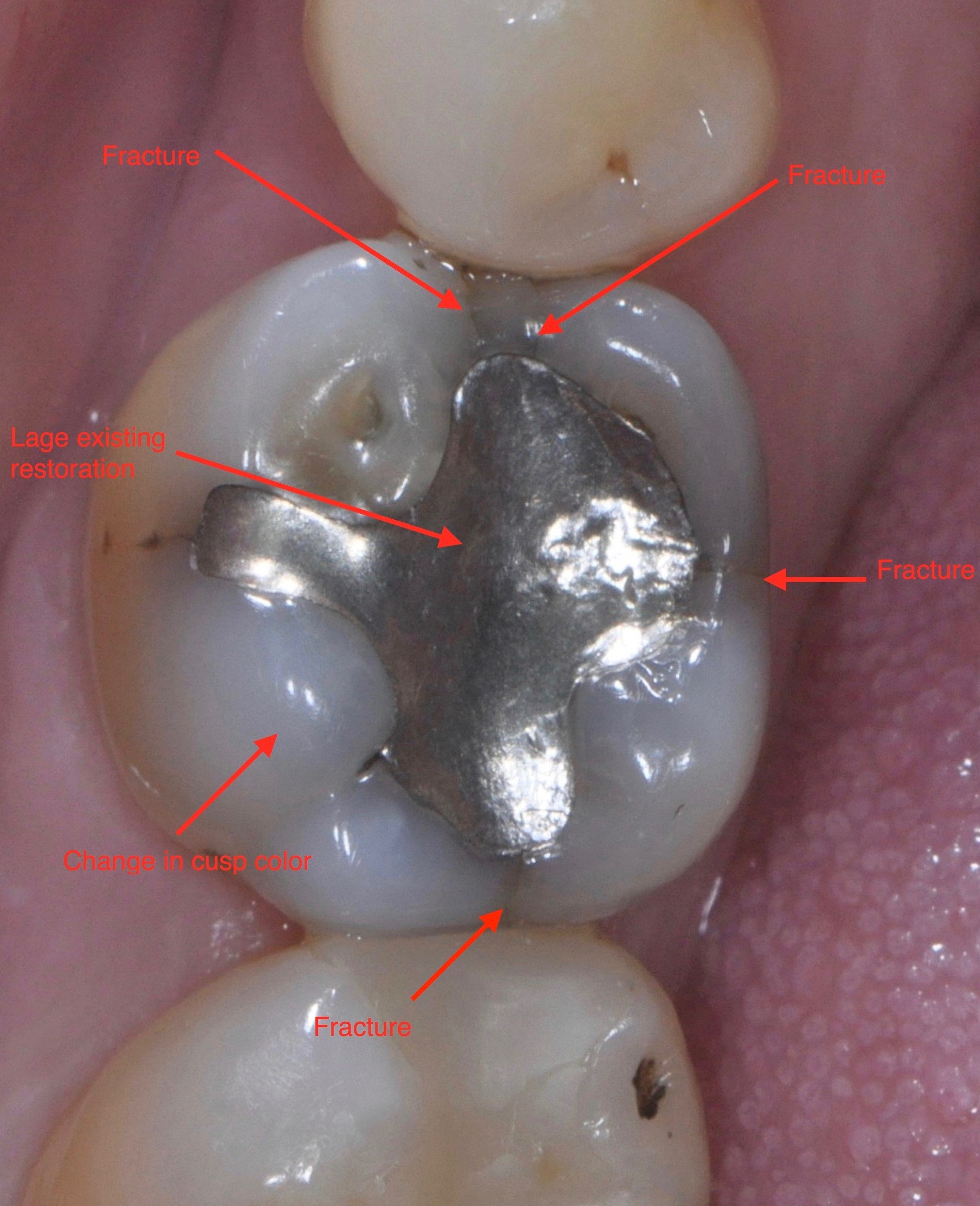
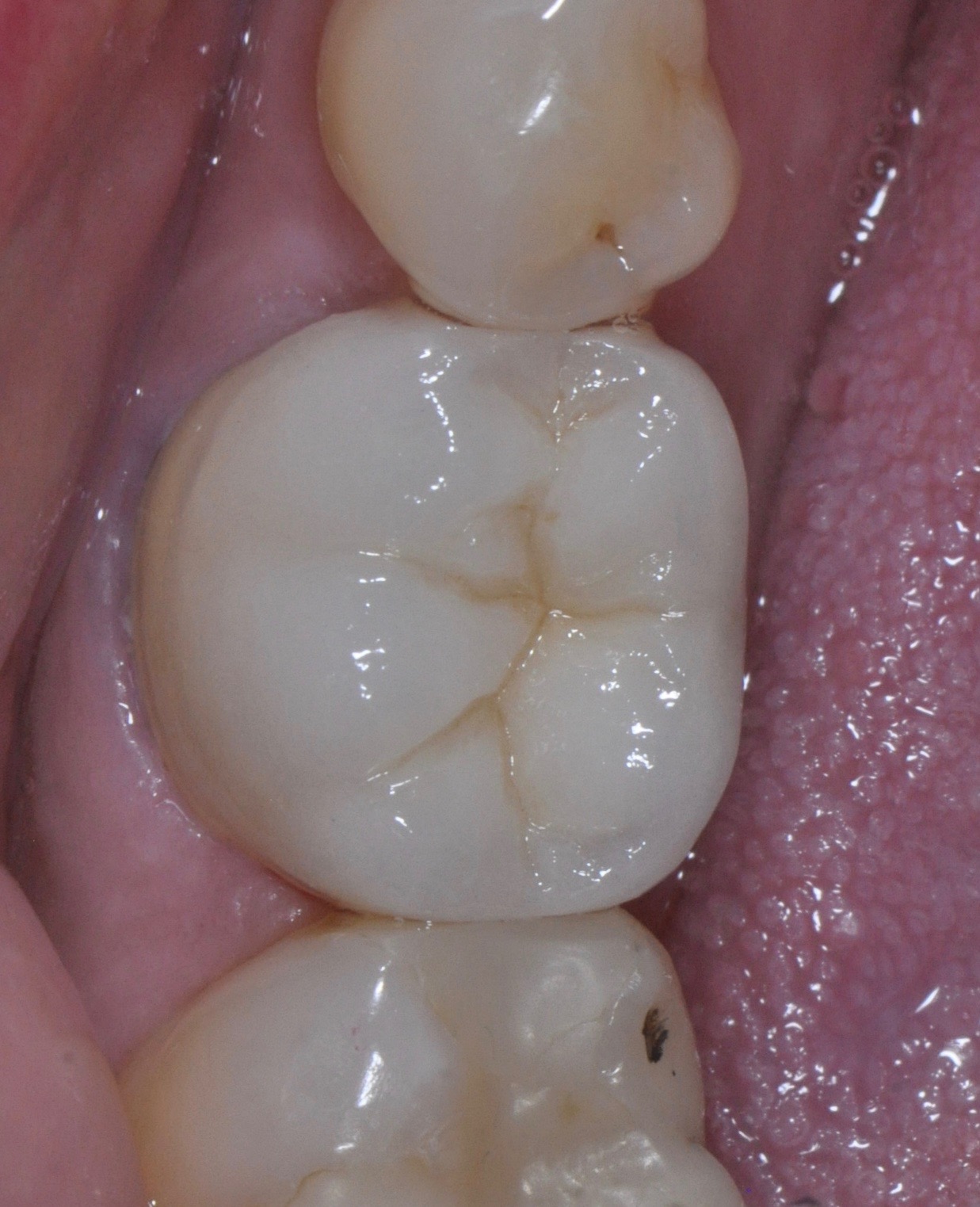
It’s a fair question — especially since crowns are often recommended before a tooth becomes painful.
As part of every comprehensive examination, we evaluate the structural health of each tooth, not just whether it hurts. Over time, teeth are weakened by normal wear, clenching or grinding, and large existing fillings. Small fractures can develop that are not always visible or painful at first.
These fractures can:
Weaken the tooth structure
Allow bacteria to leak beneath existing fillings
Progress to pain, infection, or nerve damage
Increase the risk of root canal treatment or tooth loss
Treating a tooth before pain develops is often the most conservative and cost-effective option. Pain usually signals a more advanced problem that requires more extensive treatment.
How Is a Crown Prepared?
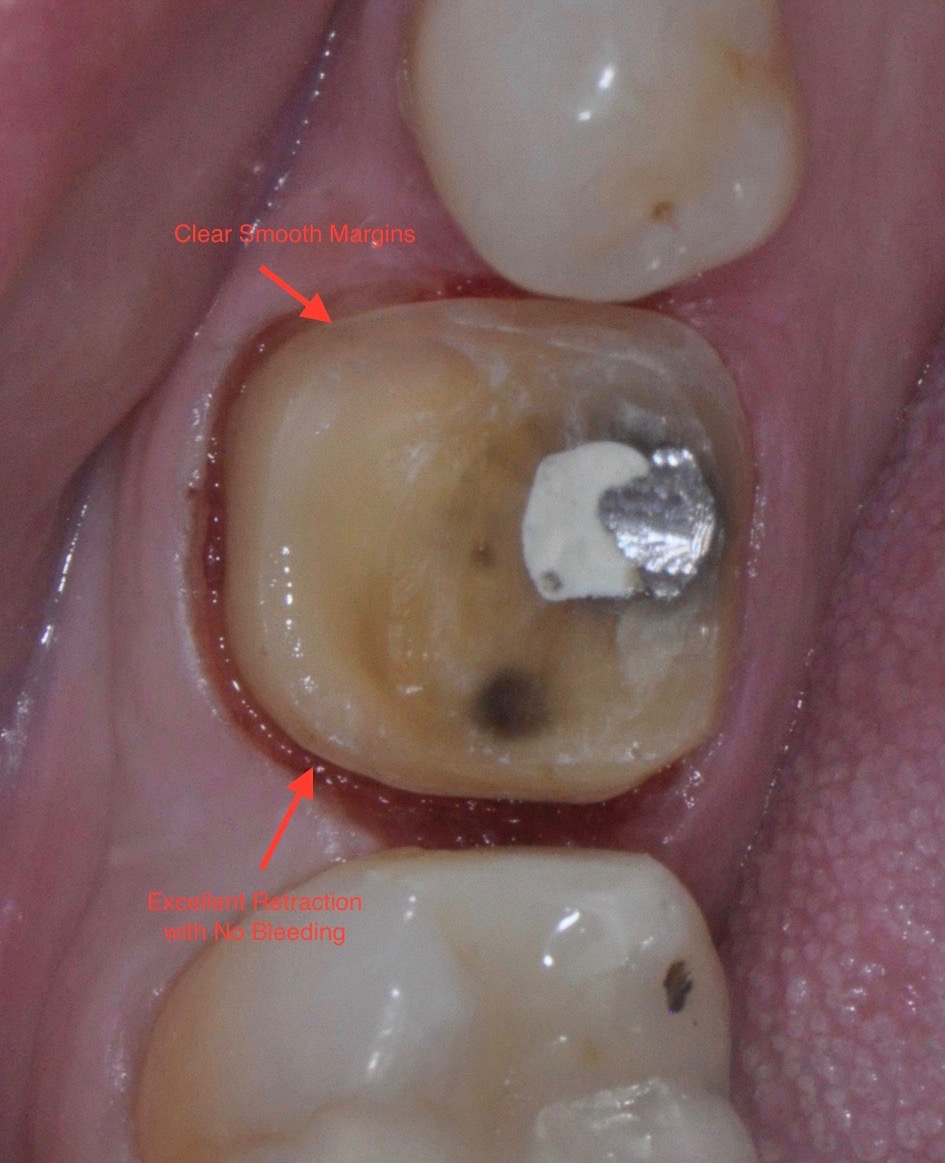
Once the tooth is fully anesthetized, the existing tooth structure is carefully shaped to allow room for the crown. This step is critical.
A crown must be thick enough to withstand chewing forces, but the tooth must also be preserved as much as possible. Throughout the preparation process, we take precise measurements to ensure:
Enough reduction for crown strength
Preservation of the tooth’s internal health
Proper support for the final restoration
Too little reduction can lead to crown failure. Too much reduction can irritate the nerve and increase the risk of root canal treatment.
The Margin Matters
The margin is the edge where the crown meets the natural tooth. This area must be smooth, clearly defined, and precisely shaped so the crown can seal properly.
A well-designed margin helps:
Prevent bacterial leakage
Protect the tooth long-term
Ensure the crown fits accurately
Before taking impressions, the gum tissue is gently retracted using a special cord and solution to control moisture and bleeding. This allows for a clean, accurate result.
The Most Important Step: The Impression
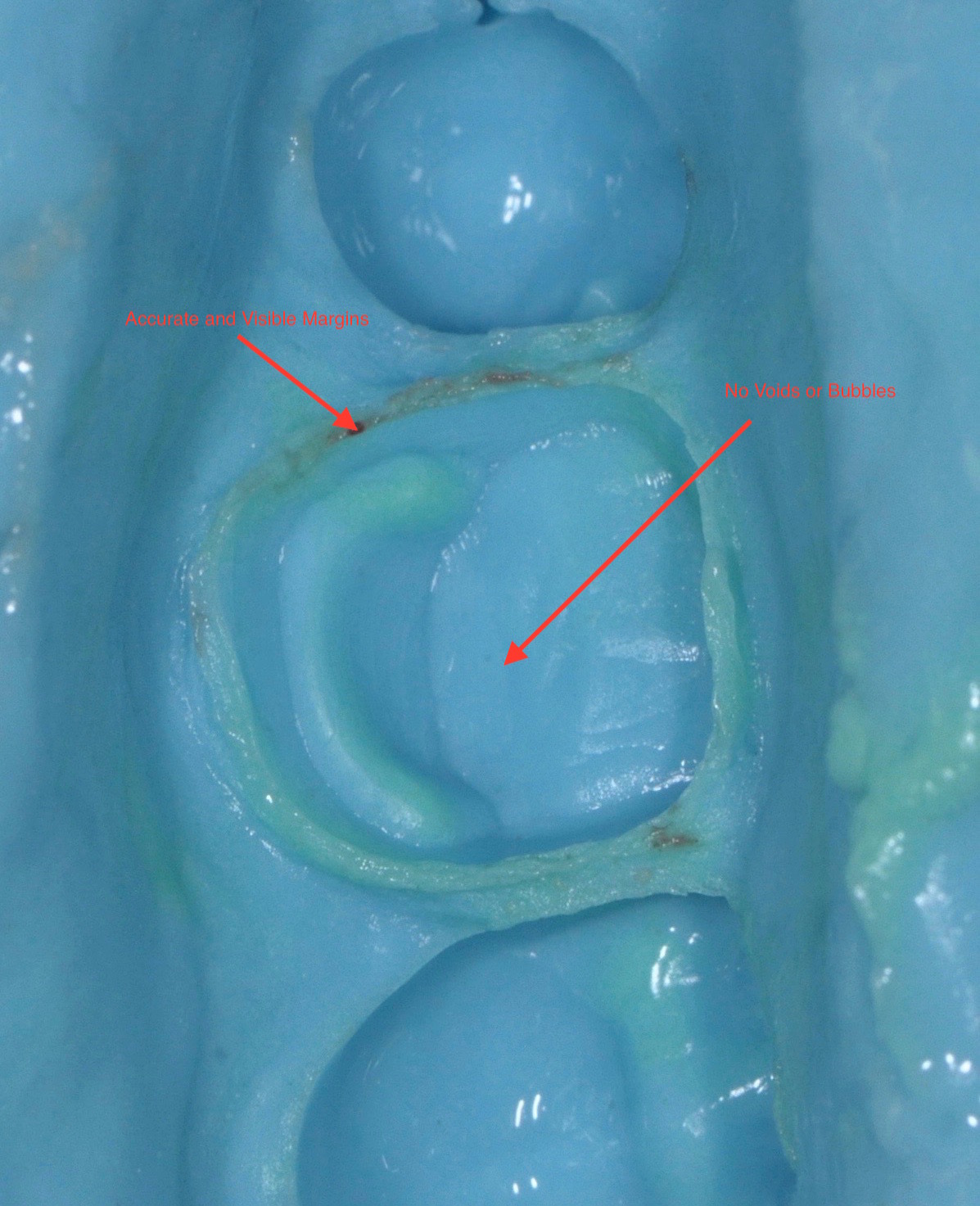
The impression of the prepared tooth is one of the most critical steps in the entire procedure.
If the impression is not precise, the dental laboratory cannot fabricate a crown that fits properly — regardless of material quality. We take great care during this step to capture every detail of the preparation.
Although the impression tray may feel large, the process itself is quick and typically completed within a few minutes.
A Temporary Crown Is Placed
After the impression is taken, a temporary crown is fabricated and placed to protect the tooth while your permanent crown is being made.
At our office, temporary crowns are custom-made by the doctor, which allows for better fit, comfort, and function.
A temporary crown:
Protects the tooth from bacteria
Reduces sensitivity
Maintains proper tooth position
Allows you to chew comfortably
Temporaries are cemented with a special material designed for easy removal, minimizing the risk of damage to the prepared tooth. Most patients wear their temporary crown for 2–3 weeks.
Delivery of the Permanent Crown
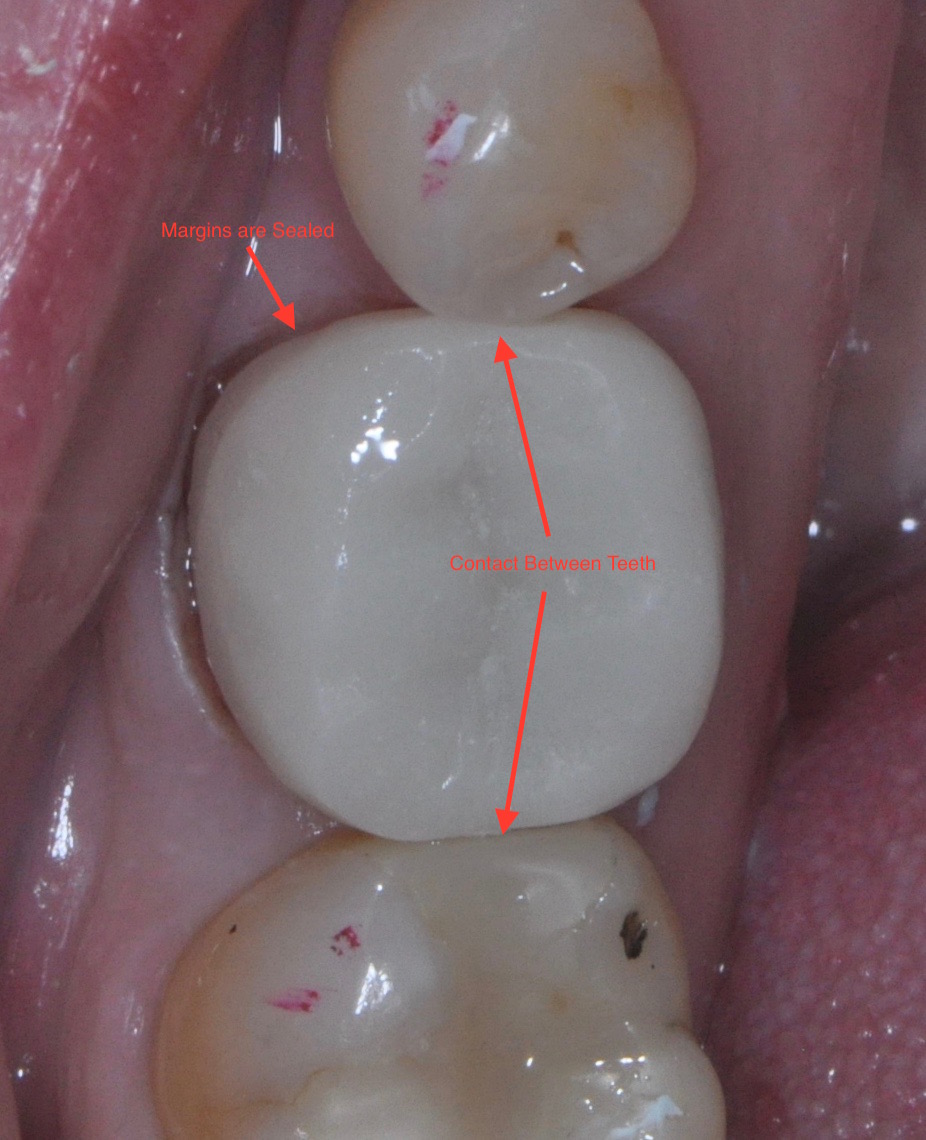
At the delivery appointment, the temporary crown is removed and the permanent crown is carefully seated.
We take time to:
Verify the fit
Check the bite in all movements
Ensure comfort and proper contact with neighboring teeth
Your crown should feel natural right away. We never expect patients to “get used to” a crown that doesn’t feel right.
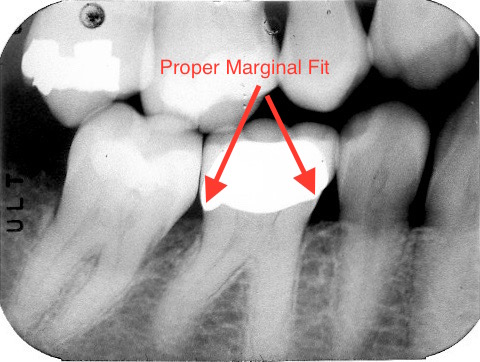
An X-ray is taken to confirm that the crown fits precisely and seals properly.
How Long Will a Crown Last?
This is one of the most common questions we hear — and the answer depends largely on oral hygiene, bite forces, and long-term care.
Nationally, the average lifespan of a crown is 10–15 years. With proper care, many crowns last significantly longer. We routinely see crowns in our practice exceed the national average.
Regular examinations, good home care, and addressing clenching or grinding habits all play an important role in longevity.