
Composite Bonding in Jacksonville: Small Changes, Big Impact
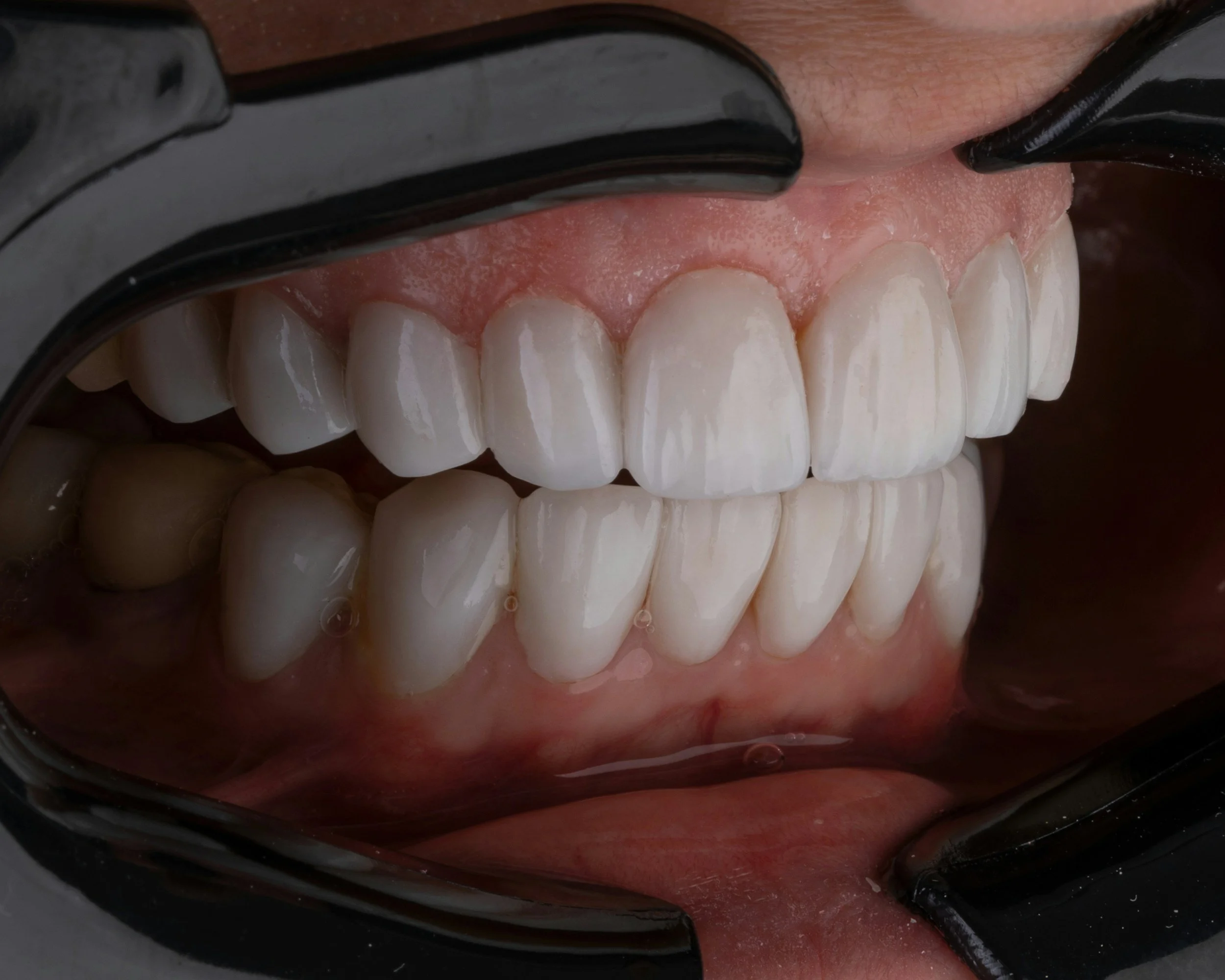
When people search “cosmetic dentistry near me,” they’re rarely looking for something dramatic. Most patients want a small improvement that makes a noticeable difference — a chip, a dark edge, a gap they’ve always seen in photos.
Composite bonding is one of the most conservative and effective ways to achieve that kind of change. When it’s done thoughtfully, it enhances what’s already there rather than covering it up.
In my practice, bonding is a collaborative process. You’re involved in the details, the shape, and the final look. The goal is simple: to help your teeth look the way you’ve always felt they should.
What Is Composite Bonding?
Composite bonding uses tooth-colored resin to reshape, rebuild, or refine teeth. It’s minimally invasive, preserves natural tooth structure, and is often completed in a single visit.
Bonding is commonly used for:
• Repairing chipped or fractured teeth
• Closing small gaps
• Correcting uneven or worn edges
• Improving symmetry
• Addressing localized discoloration
• Finishing cosmetic details after orthodontics
When done well, bonding blends seamlessly with natural enamel — it shouldn’t look like dental work at all.
Why Our Bonding Looks Natural
Not all bonding is the same. The difference is in the planning, materials, and time spent on the details.
Here’s what we do differently:
• You’re involved in the design from the start
• Filtek Supreme composite for lifelike shade and translucency
• Scotchbond Universal adhesive for long-term durability
• Bioclear matrix system for smooth contours and natural emergence
• Glycerin final cure to eliminate the oxygen-inhibited layer and reduce staining
• Micro-texture and polish that mimic natural enamel
• Careful, unhurried execution
The result is bonding that doesn’t look like bonding — it looks like your tooth.
Our Approach: Built Around Your Vision
Every bonding case begins with a conversation. Some patients want a very subtle change. Others want a more noticeable refinement.
For more involved cases, I often create a chairside mock-up so you can preview the shape, size, and symmetry before we begin. This allows real-time feedback and eliminates surprises.
Most bonding cases are completed in one visit. To maintain the highest quality, we typically limit treatment to six teeth or fewer per appointment.
Bonding vs. Veneers: Honest Guidance
Composite bonding is an excellent option for many patients, but it isn’t the right solution for every situation.
Here’s how I explain the difference:
• Bonding works best for subtle to moderate cosmetic changes
• Veneers are better for full-coverage transformations or major color changes
• Veneers resist staining longer
• Bonding is easier to repair or adjust
• The right choice depends on your goals, budget, and long-term plan
Good dentistry isn’t about pushing treatment. It’s about helping you make an informed decision that fits you.
Longevity and Maintenance
With proper care, composite bonding can last many years.
I recommend:
• Avoid biting nails or hard objects
• Maintain excellent oral hygiene
• Periodic polishing as needed
• Expect occasional touch-ups over time — they’re simple and conservative
• Reach out promptly if something feels off
One thing that sets my practice apart: if there’s an issue, you have direct access to me. Your care doesn’t stop when you leave the office.
Why Patients Choose Us for Composite Bonding
Patients choose this practice because we focus on precision, honesty, and collaboration. We don’t rush treatment, and we don’t recommend procedures you don’t need. The goal is always the most natural-looking result possible — planned carefully and delivered with intention.
If you’re searching for cosmetic dentistry or composite bonding in Jacksonville, I’d be happy to help you explore whether this conservative approach is right for you.
Real Before & After
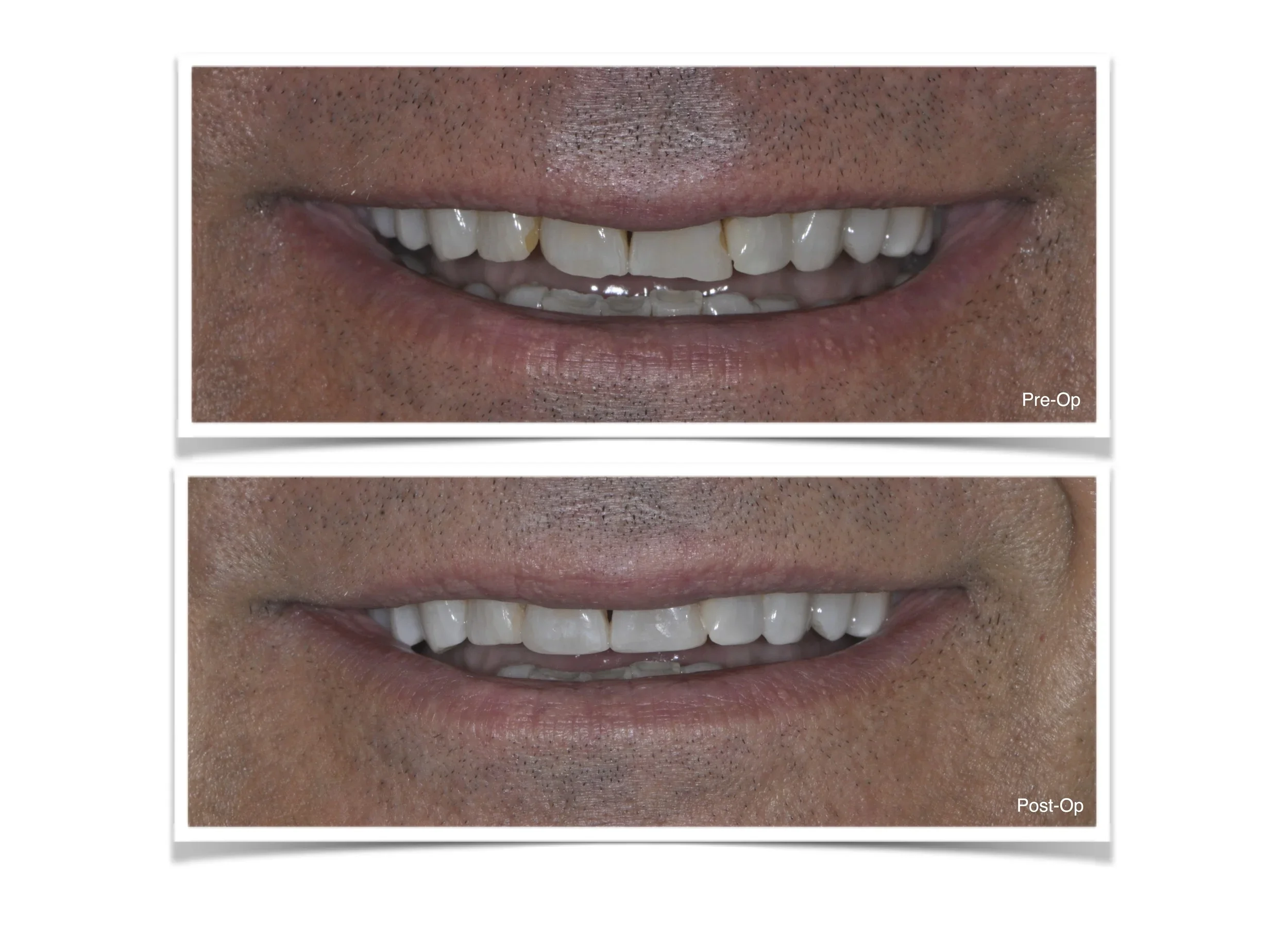
Case 1: Closing spaces and refreshing the smile using composite bonding.
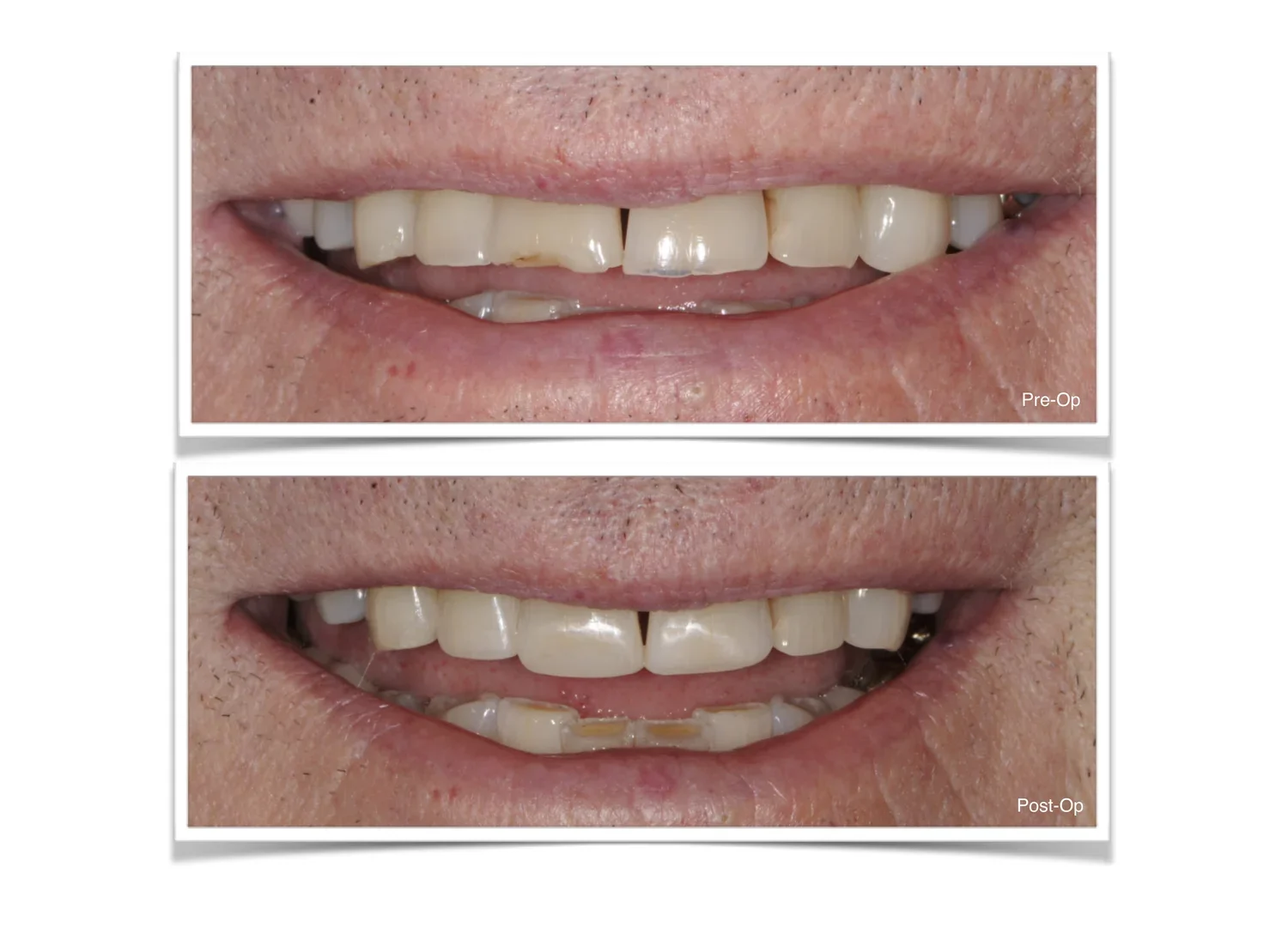
Case 2: Improving shape and symmetry using composite bonding.
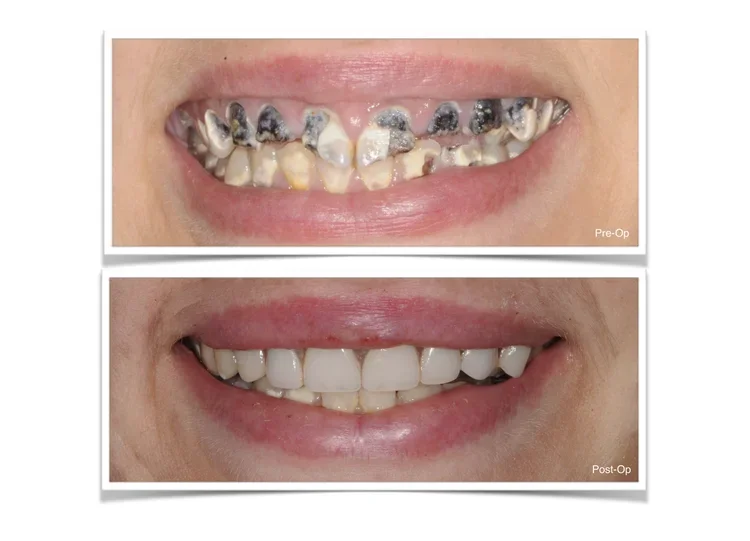
Case 3: Budget-friendly full-mouth rehabilitation with selective extractions, composite restorations, and a flexible partial
Frequently Asked Questions About Composite Bonding
How long does composite bonding last?
With proper care, bonding can last many years. Periodic polishing and occasional touch-ups help maintain appearance and durability.
Is composite bonding reversible?
Yes. Because bonding preserves natural tooth structure, it’s considered a conservative and reversible cosmetic option.
Does composite bonding stain over time?
Bonding can stain more than porcelain veneers, but proper polishing and good habits significantly reduce discoloration.
Is bonding better than veneers?
Bonding is ideal for minor to moderate changes. Veneers are better for full-coverage or major color transformations. The right choice depends on your goals.
How many teeth can be bonded at once?
For quality and precision, we typically limit bonding to six teeth per visit.
Is composite bonding painful?
Bonding is usually painless and often requires no anesthesia.