
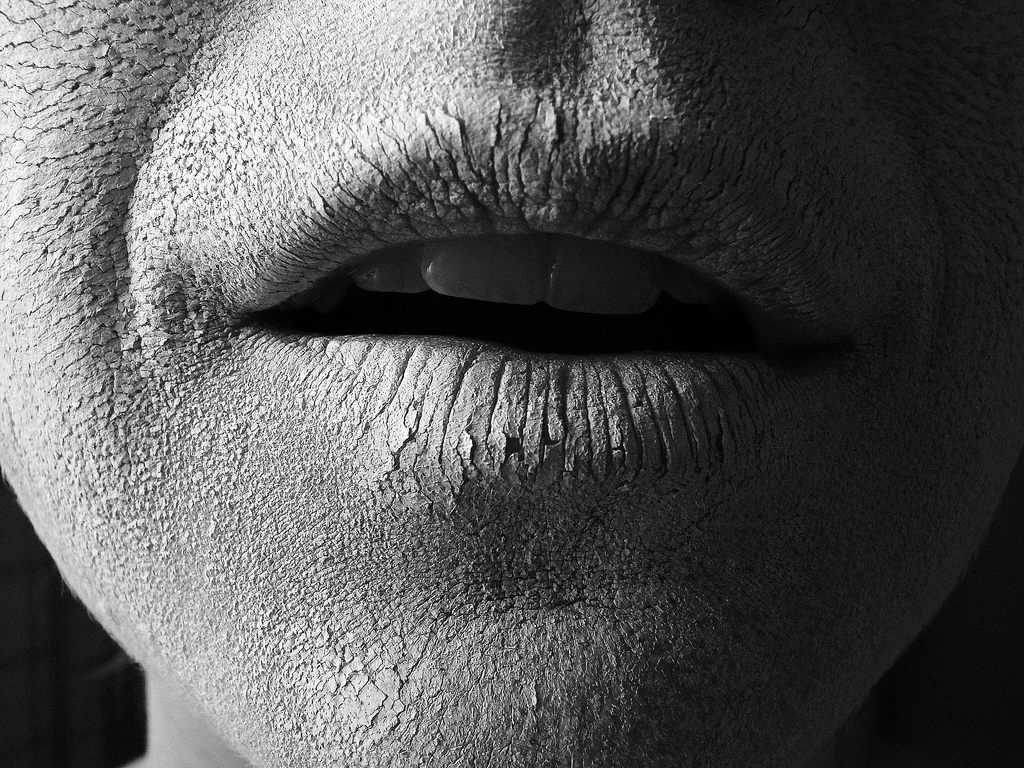
Dry Mouth (Xerostomia) Evaluation & Treatment in Jacksonville, FL
Dry mouth, also known as xerostomia, is more than an uncomfortable sensation. Saliva plays a critical role in oral health, digestion, tissue protection, and infection control. When salivary flow is reduced or altered, patients may experience discomfort, difficulty eating or speaking, and a higher risk of dental disease.
At CJ Henley, DMD, we approach dry mouth as a diagnostic issue, not just a symptom to mask. Identifying the underlying cause is essential to managing both comfort and long-term oral health.
What Is Dry Mouth?
Dry mouth occurs when the salivary glands do not produce enough saliva, or when saliva quality is altered. While saliva is mostly water, it also contains enzymes, minerals, and antimicrobial components that protect oral tissues.
Patients with dry mouth may notice:
A sticky or dry feeling in the mouth
Thick or stringy saliva
Difficulty chewing, swallowing, or speaking
Changes in taste
Increased cavities or gum inflammation
Burning or soreness of the tongue or oral tissues
Dry mouth may be persistent or fluctuate throughout the day, depending on the cause.
Common Causes of Dry Mouth
Dry mouth can result from many different factors. In many cases, multiple contributors are present at the same time.
Common causes include:
Side effects of medications (antidepressants, antihypertensives, antihistamines, pain medications)
Autoimmune or inflammatory conditions
Salivary gland dysfunction
Cancer treatment, including radiation therapy
Dehydration or systemic illness
Mouth breathing or sleep-related factors
Dry mouth may also overlap with conditions such as burning mouth syndrome, where nerve-related pain and altered sensation are present even when saliva appears normal.
Why Diagnosis Matters
Not all dry mouth is the same. Some patients have reduced saliva volume, while others have normal flow but altered composition. Treating every case the same can lead to frustration and limited relief.
Because dry mouth symptoms often overlap with other oral conditions — including oral lichen planus, neuropathic pain, or medication-related changes — careful evaluation is important.
A structured diagnostic approach allows us to determine whether symptoms are gland-related, nerve-related, inflammatory, or medication-induced.
Our Diagnostic Approach to Dry Mouth
At our Jacksonville office, evaluation for dry mouth may include:
Detailed medical and medication history
Oral soft-tissue examination
Assessment of salivary flow and consistency
Review of systemic health conditions
Screening for fungal or inflammatory changes
Correlation with imaging or prior dental findings
This diagnostic process is part of our broader oral medicine and diagnostic dentistry approach.
Managing Dry Mouth
Treatment depends on the underlying cause. In some cases, improving comfort is the goal. In others, protecting teeth and tissues from long-term damage is equally important.
Management strategies may include:
Saliva substitutes or prescription salivary stimulants
Medication review and coordination with physicians
Topical fluoride and remineralization support
Antifungal therapy when indicated
Dietary and hydration guidance
Customized oral care recommendations
When dry mouth contributes to tooth wear, irritation, or increased decay risk, a comprehensive dental examination helps guide prevention and treatment planning.
When to Seek Evaluation
You should consider evaluation if dry mouth:
Persists despite hydration
Is associated with burning, pain, or tissue changes
Developed after medication changes or medical treatment
Is accompanied by frequent cavities or oral infections
Dry mouth is often a sign — not a diagnosis — and identifying the cause can help prevent complications.
Schedule a Dry Mouth Evaluation
If you are experiencing ongoing dry mouth or related oral discomfort, a focused diagnostic evaluation may help clarify the cause and identify appropriate management options.
Call (904) 398-1549 or request an appointment online to schedule a consultation at our Jacksonville office.