


What is a diastema?
A diastema is a gap between the teeth. It is not harmful, and it appears in children and adults. In children, the gap typically closes when their permanent teeth come through. A diastema is a gap between teeth that is wider than 0.5 millimeters. It can develop between any teeth. Treatment is not usually necessary for medical reasons. But if a person dislikes the appearance of their diastema, it is possible to close or narrow the gap.
A diastema is a gap between the teeth. It is not harmful, and it appears in children and adults. In children, the gap typically closes when their permanent teeth come through.
A diastema is a gap between teeth that is wider than 0.5 millimeters. It can develop between any teeth.
Treatment is not usually necessary for medical reasons. But if a person dislikes the appearance of their diastema, it is possible to close or narrow the gap.
If a person’s teeth are too small, relative to the size of their jawbone, gaps may develop between the teeth.
Jawbone and tooth sizes can be genetic, which is one reason that diastemas can run in families.
If some teeth are missing or smaller than others, a diastema can develop.
This often involves the upper lateral incisors — the teeth to either side of the two upper front teeth. If the upper lateral incisors are missing or relatively small, a gap can develop between the two front teeth.
The labial frenum is the tissue that extends from the inside of the upper lip to the gum above the upper front teeth.
If this tissue is especially large, it can cause a gap to form between these teeth.

How can boosting Your Vitamin And Mineral Intake Protect Your Smile?
Everyone knows that eating a good mix of vitamins and minerals is vital for optimum health, but did you know that these nutrients are just as essential for your dental health? According to the Centers for Disease Control and Prevention, 47.2% of American adults have some form of periodontal disease. But with the right vitamin and mineral consumption and effective dental care, the nation’s tooth decay could be significantly improved.
Everyone knows that eating a good mix of vitamins and minerals is vital for optimum health, but did you know that these nutrients are just as essential for your dental health? According to the Centers for Disease Control and Prevention, 47.2% of American adults have some form of periodontal disease. But with the right vitamin and mineral consumption and effective dental care, the nation’s tooth decay could be significantly improved.
Fluoride is a naturally occurring mineral found in water which your teeth rely heavily on as research has found that it can reduce the rate of cavities by 60%. 95% of all leading brands of toothpaste contain fluoride and there are also prescription only ones available for those who need extra protection against cavities. Fluoride Alert details a whole host of ways in which you increase your fluoride consumption, including consuming processed foods and drinks, drinking tea, eating products which have been treated with a fluoride pesticide, such as, dried fruit and cocoa powder and cooking food in Teflon pans.
Calcium is well documented for keeping muscles, joints, and bones strong, but it’s just as powerful in protecting your teeth. Calcium keeps the teeth and gums healthy by replacing lost calcium particles. Therefore, it’s essential that your diet is packed full of dairy products, tinned salmon, almonds and dark green leafy vegetables. You’ll also need to keep your vitamin D intake high as this helps calcium absorption. Vitamin D is absorbed from sun exposure, from taking nutritional supplements and from eating a healthy diet of fatty fish, foods which have been fortified with vitamin D such as cereals and egg yolks.
Phosphorus is the second largest mineral found in the body, with 85% of it found in the teeth and bones alone. It works hand in hand with calcium and vitamin D to keep your teeth healthy and looking good. As long as you’re eating a well-balanced diet you should be consuming enough phosphorus to keep your dental hygiene in top condition. However, if you’re looking to up your intake of phosphorus- rich foods turkey, tuna, and sunflower seeds all rank highly. These high protein foods help to boost the absorption of this vital mineral.
To keep your teeth healthy you must ensure you look after them by following a good hygiene routine. However, the vitamin and minerals you consume play a pivotal role, too. In order to keep your teeth strong, healthy and pearly white fluoride, calcium, vitamin D, and phosphorus are a must.

How to Stop Dry Mouth Caused By Diabetes
463 million people in the world have diabetes, according to the International Diabetes Foundation, and diabetes is known to raise the risk of certain dental health issues, including dry mouth. Dry mouth is much more than an annoyance that may make it a little difficult to speak sometimes. Fortunately, there are effective ways to ease or eliminate dry mouth.
463 million people in the world have diabetes, according to the International Diabetes Foundation, and diabetes is known to raise the risk of certain dental health issues, including dry mouth. Dry mouth is much more than an annoyance that may make it a little difficult to speak sometimes. It’s a problem that raises the risk of tooth decay and makes it easier for fungal infections to develop. When people with diabetes learn how to manage dry mouth symptoms, they’ll be doing something good for their dental health and general health. Fortunately, there are effective ways to ease or eliminate dry mouth.
Dry mouth is also known as xerostomia, and it’s believed that diabetics are prone to dry mouth due to high blood glucose levels. Another issue is the fact diabetics produce less saliva than most non-diabetics, according to a study published in the Journal of Periodontology. Dry mouth issues may affect people with both forms of diabetes (Type 1 and Type 2). While all people with diabetes don’t develop dry mouth problems, they are not uncommon, either.
If you’re having dry mouth problems, which are common in diabetics, but not exclusive to diabetics, you may notice that your mouth feels sticky. You might also have bad breath, whether you’re aware of it or not. Mouth sores, cracked lips (especially at the corners) and dry throat may also occur. Additionally, speaking may be difficult. Some people with dry mouth have excessive thirst. Other symptoms to watch for include sore throat, a hoarse speaking voice, and dry, inflamed tongues. You may have some of these symptoms or most of them, as everyone is different.
Diabetics are used to accessing treatments that maintain or improve their health. For instance, people with diabetes might wear compression socks that ease health problems, such as swelling and discomfort from deep vein thrombosis, and many take pills or insulin injections to regulate their blood levels. Many also follow special diets that help them to stay well. When it comes to dry mouth, treatment options are also available. Drinking plenty of pure water should be very helpful. You may also want to use sugar-free mouthwashes, mints, and gums in order to stimulate the production of saliva. Avoid alcohol, tobacco products, and caffeine, as all may make dry mouth problems worse. As you can see, some simple lifestyle changes are usually enough to minimize or eliminate the problem.
Seeing your dentist twice a year for checkups and cleaning will be essential. Some dental patients need even more attention from dentists. Another smart tip is to talk to your doctor about any medications that you are taking. Some medications prescribed to diabetics may trigger side effects, including dry mouth. It is possible that your doctor can adjust your medication in order to try and ease this symptom.
Now that you know more about dry mouth and diabetes, you’ll be ready to tackle the problem. The more than you do to alleviate dry mouth, the better. Effective dry mouth treatments help to safeguard good health.

Lockdown leading to increased snacking culture
The coronavirus pandemic has changed many aspects of life, but it could also be having a significant impact on the health of the mouth, according to a leading charity.
The coronavirus pandemic has changed many aspects of life, but it could also be having a significant impact on the health of the mouth, according to a leading charity.
New research by the Oral Health Foundation shows staying at home has led to more than one-in-three (38%) British adults increasing the amount of times they are snacking throughout the day.
Since lockdown, snacking has risen considerably in younger adults. Nearly two-in-three (61%) under 35s admit they are now eating more often in between meals.
Snacking has also risen amongst families with younger children. Seven-in-ten families (70%) with children under five are reporting more snacking in the household. This is more than double compared with those who are not living with children.
The Oral Health Foundation is worried about the damage snacking in between meals can have on the nation’s oral health. The charity’s Chief Executive, Dr Nigel Carter OBE, says: “As a nation we have slowly moved away from three square meals and have adopted more snacking habits. This has been worsened during lockdown, as sudden changes to work and family life might have led more people to snack more.
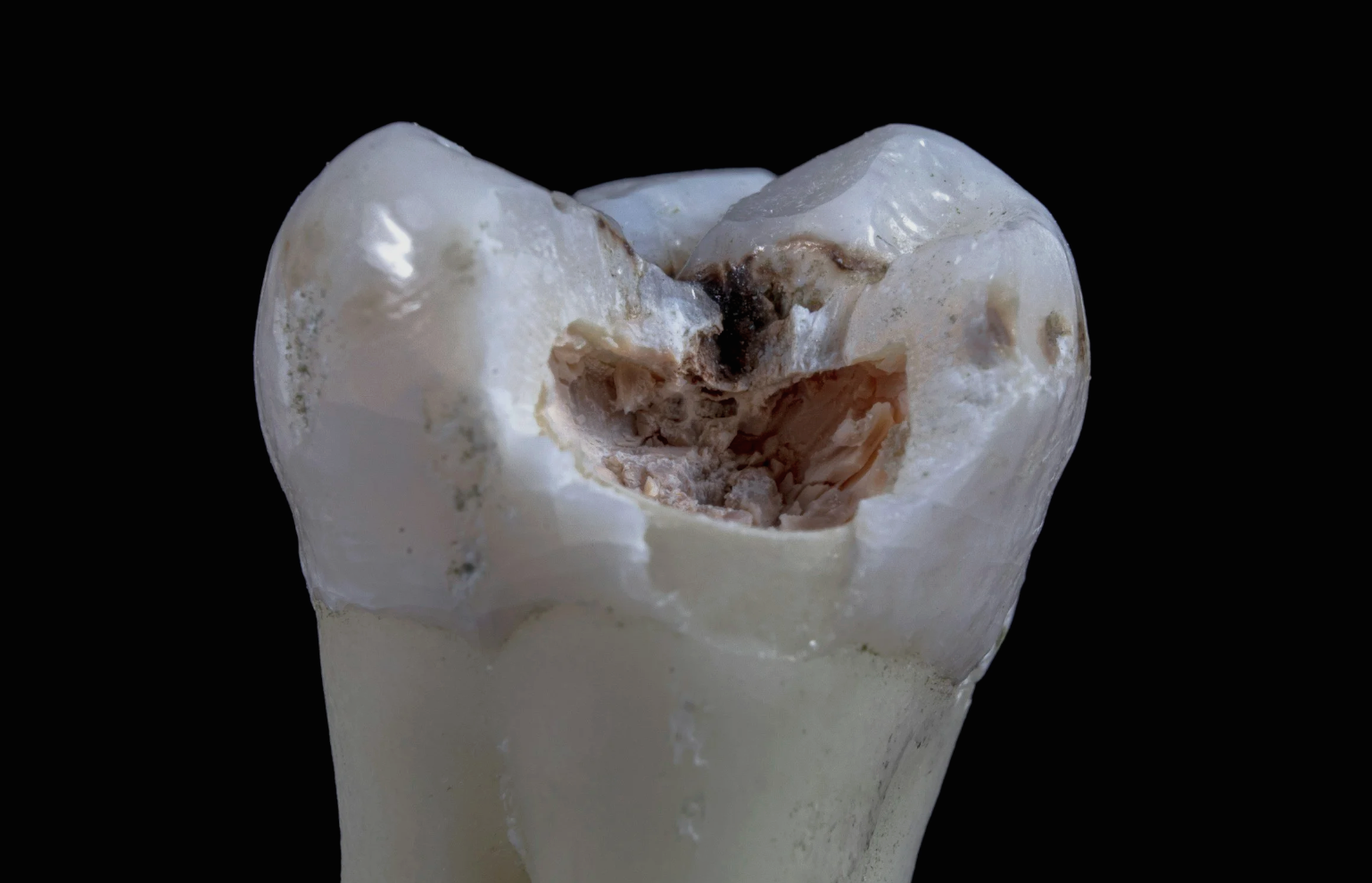
Beyond the Surface: Understanding Dental Caries and Clinical Longevity
Cavities, which dentists sometimes call dental caries, are spots of tooth decay. They can range in size from tiny to large enough to break teeth.
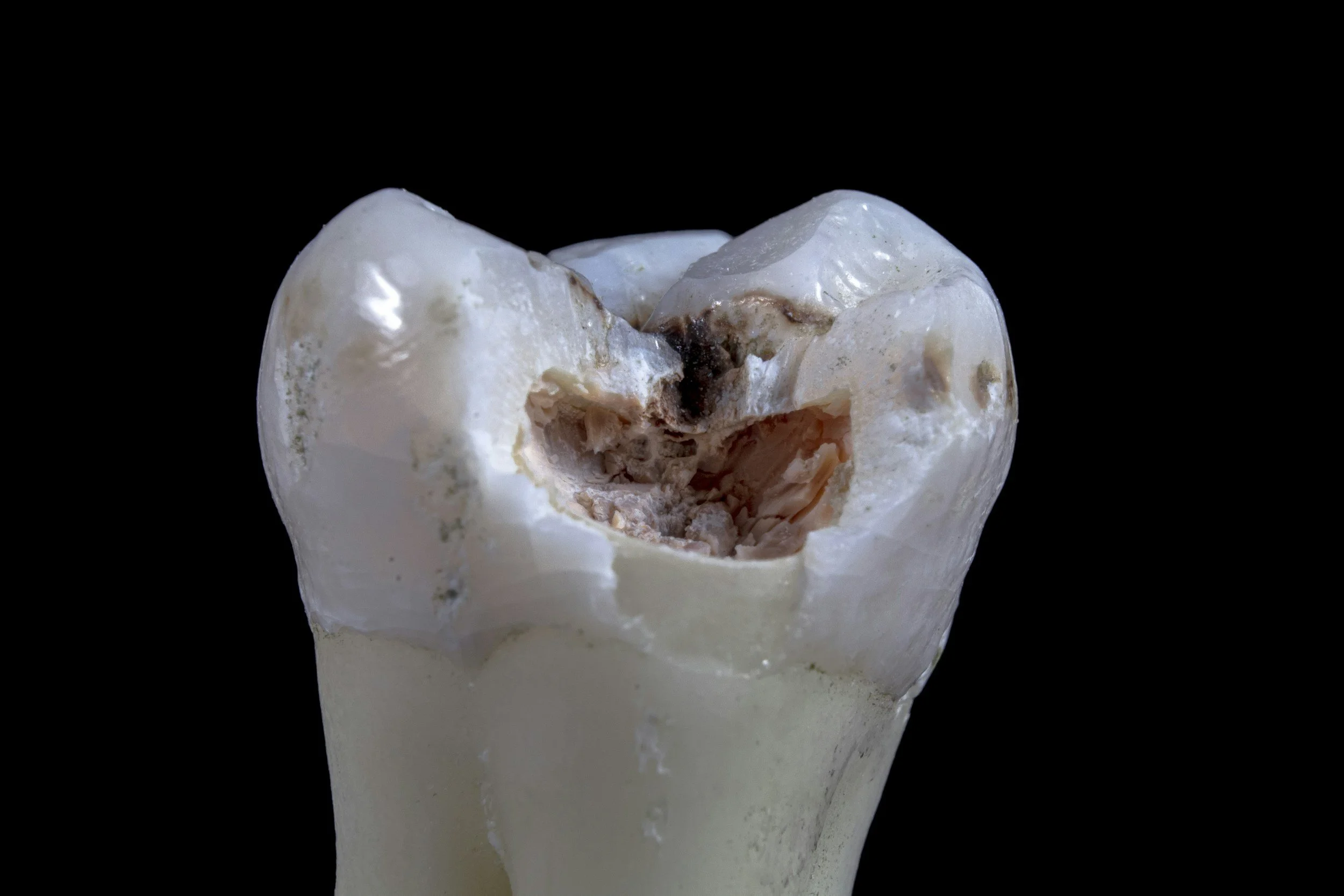
Dental cavity showing tooth decay in enamel and dentin
Dental caries (cavities) are not merely a result of poor hygiene; they are the byproduct of a complex, dynamic shift in your oral microbiome. While common, they represent an active disease process that can compromise both your oral and systemic health if not treated with a focus on long-term stability.
At CJ Henley, DMD, we don't just "fill holes." We practice medically-informed restorative dentistry, diagnosing the root cause of decay to ensure your treatment holds up for years, not months.
The Physiology of Decay: Why Teeth Fail
Enamel is the hardest substance in the human body, yet it is vulnerable to sustained acidic environments. Decay typically progresses through three distinct layers:
The Enamel Barrier: In the early stages, decay is often painless because enamel lacks nerves. However, this is the most critical time for conservative intervention.
Dentin Infiltration: Once decay breaches the enamel and enters the dentin, sensitivity to temperature and sweets begins. Dentin is porous, allowing bacteria to migrate more quickly toward the center of the tooth.
Pulpal Involvement: When bacteria reach the pulp (the nerve and blood supply), pain becomes throbbing and persistent. At this stage, coordination with specialists may be required to save the natural tooth structure.
High-Authority Risk Factors: The Systemic Link
Not all "sugar bugs" are created equal. Your susceptibility to cavities is heavily influenced by factors that many high-volume practices overlook:
The Saliva Factor: Saliva is your mouth’s natural defense, neutralizing acid and remineralizing enamel. For patients taking medications for blood pressure or anxiety, medication-induced dry mouth (Xerostomia) can cause rapid, "rampant" decay regardless of hygiene habits.
The Microbial Balance: Your oral microbiome is unique. Research indicates that certain bacterial strains can be more aggressive, making some individuals naturally more prone to decay.
Restorative Longevity: A restoration is only as good as the diagnosis behind it. We focus on longevity and function, choosing biocompatible materials and precise techniques that respect the integrity of your natural tooth.
When Treatment Becomes Urgent
If decay is left unmanaged, it can lead to dental abscesses—serious infections that can spread to the surrounding bone or even enter the bloodstream. Signs of advanced infection include:
Severe, unrelenting throbbing pain
Swelling of the gums or face
Fever or a general feeling of systemic illness
A Higher Standard of Care
We believe that patients deserve more than a rushed 15-minute filling. We prioritize an unhurried, two-hour new patient evaluation to identify your unique risk factors and design a care plan focused on clinical longevity.
Reviewed and Updated February 2026

Sinus infection and tooth pain: What is the connection?
A sinus infection, or sinusitis, occurs when viruses or bacteria infect the sinus linings. The results can be uncomfortable symptoms, including facial pain and pressure, runny nose, headache, and, sometimes, tooth pain.

Sinus infections, also known as sinusitis, commonly cause facial pressure, congestion, headaches, and nasal drainage. Less commonly—but often more confusing for patients—they can also cause tooth pain. Understanding why this happens can help distinguish sinus-related discomfort from a true dental problem.
How Sinuses and Teeth Are Connected
The sinuses are air-filled cavities within the bones of the face and skull. The maxillary sinuses, located behind the cheeks and above the upper teeth, are the sinuses most closely associated with dental pain.
The roots of the upper premolars and molars often sit very close to the floor of the maxillary sinuses. In some individuals, the roots are separated from the sinus cavity by only a thin layer of bone or tissue. Because of this close anatomical relationship, inflammation or pressure within the maxillary sinus can be perceived as pain in the upper teeth.
The sinuses, teeth, and surrounding facial structures also share common nerve pathways. When the sinus lining becomes inflamed or swollen during an infection, pressure can be transmitted through these shared nerves, creating pain that feels dental in origin even when the teeth themselves are healthy.
Why Sinus Infections Can Cause Tooth Pain
During a sinus infection, the sinus lining becomes inflamed and swollen, and normal drainage of mucus is impaired. As pressure builds within the maxillary sinuses, it can compress nearby nerves and tissues.
This pressure most often presents as:
• A dull, aching pain in the upper back teeth
• Pain affecting multiple teeth on one side
• Discomfort that worsens when bending forward or lying down
• Tooth pain accompanied by congestion, facial pressure, or headache
Unlike dental pain caused by decay or infection, sinus-related tooth pain is usually not triggered by chewing, temperature changes, or biting pressure.
Can Tooth Problems Cause Sinus Infections?
The relationship between teeth and sinuses can also work in the opposite direction. Infections of the upper teeth—particularly abscesses involving the molars—can sometimes spread into the maxillary sinuses. This is known as odontogenic sinusitis and requires treatment of the underlying dental source in addition to managing sinus inflammation.
Because symptoms can overlap, distinguishing between a sinus infection and a dental problem often requires a clinical examination and, in some cases, dental imaging.
When to See a Dentist vs. a Physician
Dental evaluation is recommended if:
• Tooth pain is localized to a single tooth
• Pain worsens with chewing or biting
• There is swelling of the gums or face
• Symptoms persist after sinus symptoms improve
Medical evaluation is appropriate if:
• Tooth pain is accompanied by congestion, nasal discharge, or facial pressure
• Pain affects multiple upper teeth
• Symptoms worsen when bending forward
• There is a recent history of sinus infection or upper respiratory illness
In some cases, both dental and sinus evaluations are necessary to identify the true source of discomfort.
Getting an Accurate Diagnosis
Because sinus infections and dental problems can mimic each other, self-diagnosis is unreliable. A thorough dental examination allows evaluation of the teeth, gums, and surrounding structures to determine whether pain is dental in origin or referred from the sinuses. When dental causes are ruled out, appropriate medical treatment can be pursued with confidence.
If you are experiencing persistent tooth pain or facial discomfort, professional evaluation is the best way to identify the cause and guide proper treatment.

Torus Palatinus: Causes, Cancer Risk, and When Treatment Is Needed
A torus palatinus is a bony growth that develops on the roof of the mouth. These growths come in many different shapes, and they may be very small or quite large.

Photo taken by dozenist, CC BY-SA 3.0 <http://creativecommons.org/licenses/by-sa/3.0/>, via Wikimedia Commons
Quick Overview:
• Torus palatinus is a common, benign bony growth on the roof of the mouth
• It is not cancerous and does not increase oral cancer risk
• Most people have no symptoms and do not need treatment
• Pain or irritation can occur if the tissue over the bone is injured
• Removal is only recommended when the growth interferes with function or dental care
The hard palate, or roof of the mouth, is normally smooth and gently curved. In some individuals, however, a firm bony growth can develop along the midline of this area. This growth is known as a torus palatinus.
A torus palatinus is a benign bony prominence that may appear gradually over time or be present for most of a person’s life. It is a common anatomical variation, affecting approximately 20–30% of the population, and is seen more frequently in women and in individuals of Asian or Inuit descent.
The exact cause of torus palatinus is not fully understood. Genetics, bite forces, and environmental factors are all believed to contribute to its development. In most cases, it causes no symptoms and does not require treatment.
Although torus palatinus itself is harmless, symptoms can occur when the thin tissue covering the bone becomes irritated or traumatized. This may happen in patients who wear dentures, grind their teeth, or experience repeated mechanical irritation from hard or sharp foods. In these situations, discomfort, ulceration, or localized inflammation may develop.
Importantly, torus palatinus is not cancerous and does not increase the risk of oral cancer. It does not spread, become infected on its own, or transform into a malignant condition. However, any new or changing growth in the mouth should be professionally evaluated to confirm the diagnosis and rule out other conditions that may appear similar.
Removal of a torus palatinus is rarely necessary. Surgical treatment may be recommended only when the growth interferes with speech, swallowing, oral hygiene, or the fabrication and comfort of a dental prosthesis such as a denture.
For patients who are concerned about a lump on the roof of the mouth, a proper clinical examination is the most reliable way to determine whether the finding represents a torus palatinus or another condition requiring attention.
Can Torus Palatinus Cause Pain or Infection?
Torus palatinus itself is typically painless. Because it is composed of dense, normal bone, it does not contain nerves that would ordinarily cause discomfort. Many people are unaware of its presence unless it is identified during a dental examination.
Pain or irritation may occur, however, if the tissue covering the growth becomes injured or inflamed. This is most commonly seen in patients who wear dentures, grind their teeth, or experience repeated trauma to the roof of the mouth. When the protective tissue breaks down, ulceration and localized inflammation can develop.
In some cases, chronic irritation or delayed healing can cause the area to feel sore, swollen, or tender. While torus palatinus does not become infected on its own, damaged tissue can allow bacteria to enter, particularly in individuals with dry mouth, compromised immune function, or poorly fitting dental appliances.
If pain, swelling, or non-healing sores develop over a torus palatinus, evaluation by a dentist is recommended. Treatment focuses on identifying and eliminating the source of irritation, managing inflammation, and ensuring the growth is not interfering with normal oral function.
Is Torus Palatinus Cancerous?
No. Torus palatinus is a benign anatomical variation and is not cancerous. It does not transform into oral cancer and is not considered a risk factor for malignancy.
Torus palatinus consists of normal bone that develops slowly over time. Unlike cancerous lesions, it is typically symmetrical, firm, and covered by healthy mucosa. It does not spread, invade surrounding tissues, or ulcerate without an external cause.
That said, any new or changing lump in the mouth should always be professionally evaluated. Certain oral tumors, cysts, or other pathologic conditions can occasionally resemble a torus palatinus, particularly in early stages. A clinical examination allows a dentist to distinguish a benign bony growth from conditions that require further investigation.
Patients should seek evaluation if a growth is rapidly enlarging, painful without an obvious cause, bleeding, or associated with unexplained changes in sensation or function. These features are not typical of torus palatinus and warrant closer assessment.
For patients concerned about oral cancer, confirmation of a torus palatinus diagnosis often provides significant reassurance. Once properly identified, no ongoing monitoring or treatment is required unless symptoms develop.
For the majority of patients, torus palatinus remains an incidental finding that requires no intervention. Once properly diagnosed, it can simply be monitored over time. However, in certain situations, the size or location of the growth may interfere with comfort, oral function, or necessary dental treatment. In these cases, removal may be considered to improve quality of life or allow appropriate dental care.
When Should a Torus Palatinus Be Removed?
Removal of a torus palatinus is rarely required and is only recommended when the growth causes functional or clinical problems. The most common reasons for removal include interference with speech or swallowing, repeated ulceration or chronic irritation of the overlying tissue, and difficulty maintaining proper oral hygiene.
Surgical removal may also be necessary when a torus palatinus prevents the proper fabrication or fit of a dental prosthesis, such as a complete or partial denture. In these cases, removal allows the appliance to fit comfortably and function as intended.
The decision to remove a torus palatinus is individualized and based on symptoms, oral anatomy, and treatment needs. When indicated, the procedure is typically performed under local anesthesia, and healing is generally predictable with appropriate post-operative care.
For patients without symptoms or functional limitations, no treatment is required. Observation and routine dental examinations are sufficient unless changes develop over time.
If you’ve noticed a lump on the roof of your mouth or have concerns about changes in your oral health, a proper evaluation can provide clarity and peace of mind. An in-person examination allows your dentist to confirm the diagnosis, rule out other conditions, and determine whether any treatment is necessary. If you have questions or would like an expert opinion, scheduling a consultation is the best next step.
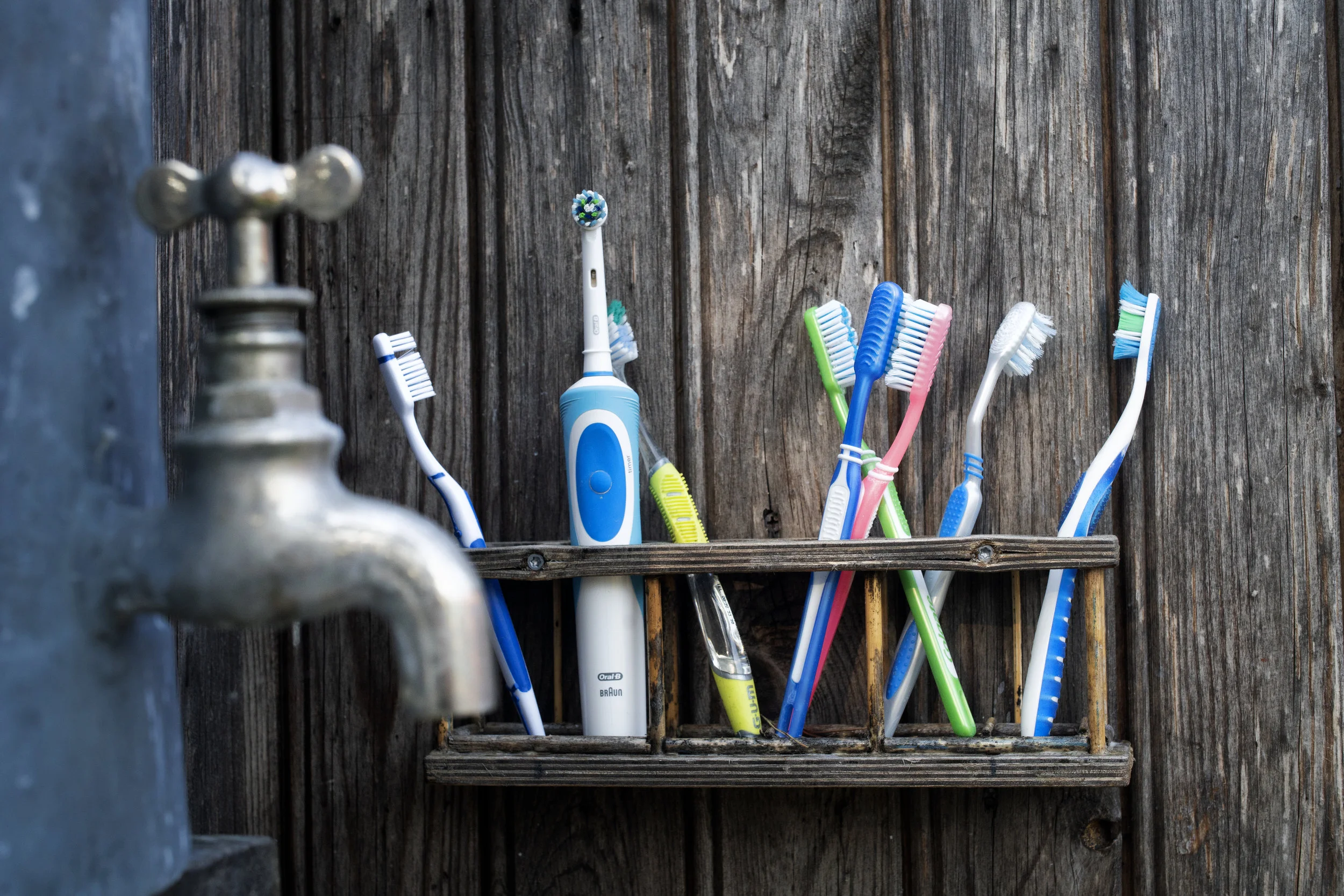
Want to Help Keep Diabetes at Bay? Brush & Floss
There's a new, unexpected reason to keep your pearly whites gleaming: avoiding diabetes.
Recommended Videos
New research found that people who regularly brush their teeth three times a day reduce their risk of type 2 diabetes.
The study also found that people who have dental disease or a lot of missing teeth have a higher risk of developing the blood sugar condition.
"Our study suggested that improved oral hygiene may be associated with a decreased risk of new-onset diabetes," said study author Dr. Yoonkyung Chang. She is a clinical assistant professor of neurology at Ewha Woman's University Mokdong Hospital, in South Korea.
Chang said the researchers don't know what the exact mechanism behind this connection is, but there are a number of possible ways that poor dental health might contribute to diabetes.
"Poor oral hygiene may be related to the chronic inflammatory process," she said. Inflammation affects oral health and can lead to gum disease that creates space in the gum where bacteria can collect. That bacteria may then travel into the body's circulation and trigger immune system responses, which might impair blood sugar control.
But it's difficult to prove a cause-and-effect relationship between dental health and diabetes because many factors involved in poor oral health are also linked to type 2 diabetes.

Your Teeth Are a Permanent Archive of Your Life: Study
Your teeth provide a detailed account of your life, much as a tree's rings record its history, a groundbreaking study shows.
For the study, the NYU researchers compared nearly 50 teeth from skeletons of people who ranged in age from 25 to 69 to information about their medical history and lifestyle, such as age, illnesses, significant events and where they lived.
The researchers focused on cementum, the tissue covering the tooth's root. It begins to form yearly layers from the time the tooth appears in the mouth.
Using imaging techniques to illuminate cementum bands, the investigators uncovered links between tooth formation and various events in the lives of those included in the study.

Donate to help support healthcare Workers
Please help support our local healthcare workers with Protective equipment so that they in turn can safely provide much-needed medical care to our fellow citizens affected with Covid-19 in the coming days and weeks.
NO DONATION IS TOO SMALL!!
Some NEEDED items from COMMUNITY RESIDENTS include,
• Any type of face mask and N 95 face mask
•Safety goggles
•Latex and non Latex Gloves
•Hand Sanitizers >60% alcohol concentration
•Antibacterial soap
NEEDED ITEMS FROM HEALTHCARE PROFESSIONALS
• Procedure masks
•Isolation gowns
•N 95 mask
•Surgical mask and gowns
•Face shield and goggles