


Good toothbrushing habits in children linked to mother's wellbeing
Researchers have shown that postpartum depression can inhibit a mother's ability to instill healthy tooth brushing habits in children. The study demonstrates the need to foster greater mental support and management for mothers and incorporate these factors when assessing children's oral health.
A mother's mental health may play a larger role in a child's toothbrushing habits than previously thought.
It is no secret that brushing your teeth twice a day is highly effective in promoting healthy teeth and gums. The International Association of Pediatric Dentistry advocates brushing with toothpaste containing fluoride to prevent decayed, missing, or filled teeth -- known as childhood dental caries (ECC) -- in children.
Parents are instrumental in instilling good dental habits in their children.
In Japan, there is a worryingly high prevalence of ECC among children aged 3 years old. Postpartum depression and/or lack of affection caused by bonding disorders hamper a mother's ability to cultivate healthy dental practices in children, and researchers were keen to explore this link.
Dr Shinobu Tsuchiya from Tohoku University Hospital led a research group that analyzed approximately 80,000 mother-infant pairs from the Ministry of Environment's Japan Environment and Children's Study.
They found children with mothers suffering from postpartum depression or bonding disorders brushed their teeth less often. Likewise, the frequency with which children brushed their teeth increased when mothers showed strong affection towards their children.
The research group hopes their research will foster greater mental support and management for mothers and that doctors will incorporate these factors when assessing children's oral health.
"A mother's psychological well-being provides valuable screening information for identifying children at a high risk of ECC," said Tsuchiya
In future studies, Tsuchiya and her team hope to examine other environmental influences on poor oral health.
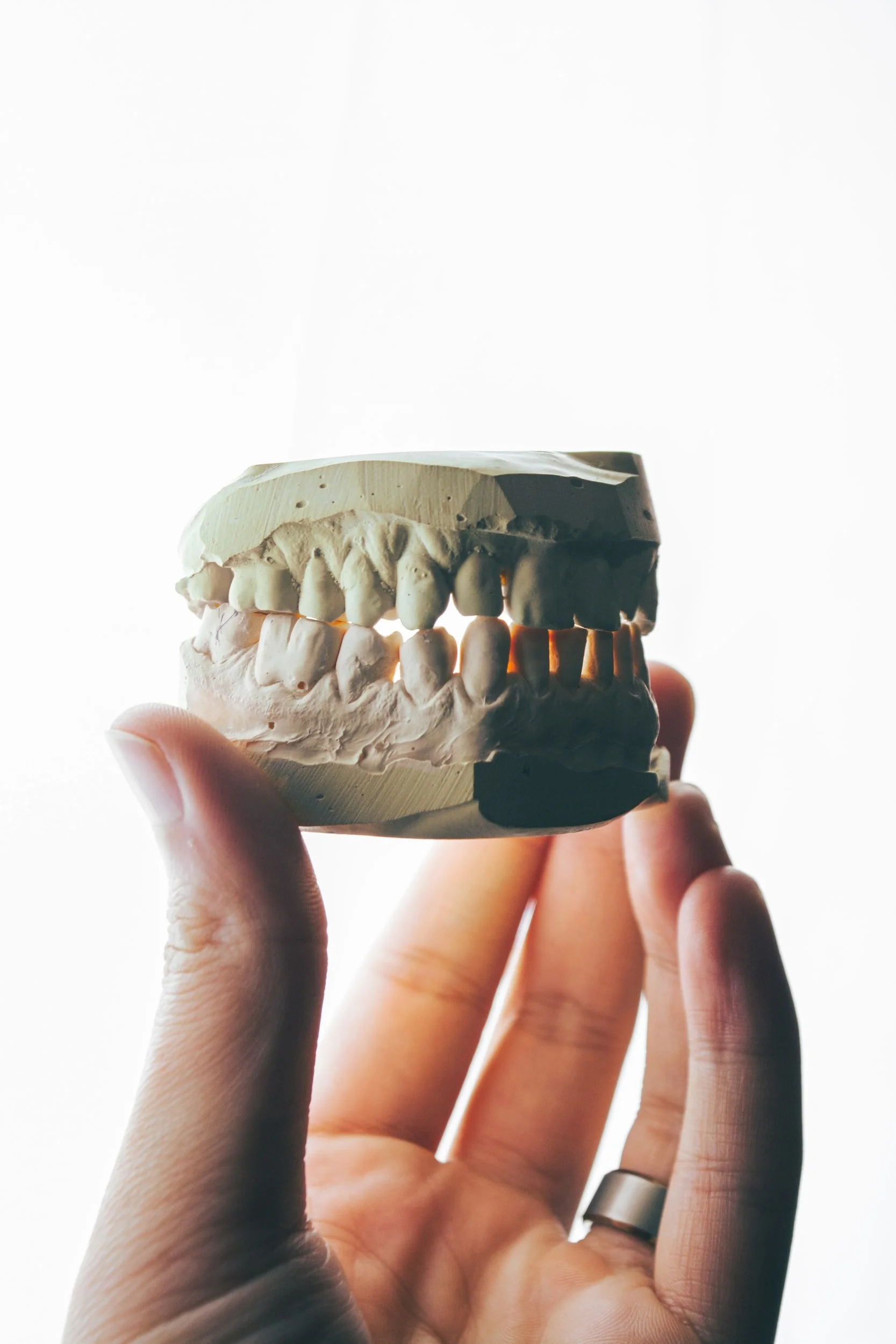
Baby teeth may one day help identify kids at risk for mental disorders later in life
The thickness of growth marks in primary (or 'baby') teeth may help identify children at risk for depression and other mental health disorders later in life, according to a ground-breaking investigation.
The team analysed 70 primary teeth collected from 70 children enrolled in the Children of the 90s study (also known as the Avon Longitudinal Study of Parents and Children) based at the University of Bristol. Parents donated primary teeth (specifically, the pointed teeth on each side of the front of the mouth known as canines) that naturally fell out of the mouths of children aged 5 to 7.
The results of this study could one day lead to the development of a much-needed tool for identifying children who have been exposed to early-life adversity, which is a risk factor for psychological problems, allowing them to be monitored and guided towards preventive treatments, if necessary.
The origin of this study traces back several years, when senior author Erin C. Dunn, ScD, MPH, learned about work in the field of anthropology that could help solve a longstanding problem in her own research. Dunn is a social and psychiatric epidemiologist and an investigator in MGH's Psychiatric and Neurodevelopmental Genetics Unit. She studies the effects of childhood adversity, which research suggests is responsible for up to one-third of all mental health disorders. Dunn is particularly interested in the timing of these adverse events and in uncovering whether there are sensitive periods during child development when exposure to adversity is particularly harmful. Yet Dunn notes that she and other scientists lack effective tools for measuring exposure to childhood adversity. Asking people (or their parents) about painful experiences in their early years is one method, but that's vulnerable to poor recall or reluctance to share difficult memories. "That's a hindrance for this field," says Dunn.
However, Dunn was intrigued to learn that anthropologists have long studied the teeth of people from past eras to learn about their lives. "Teeth create a permanent record of different kinds of life experiences," she says. Exposure to sources of physical stress, such as poor nutrition or disease, can affect the formation of dental enamel and result in pronounced growth lines within teeth, called stress lines, which are similar to the rings in a tree that mark its age. Just as the thickness of tree growth rings can vary based on the climate surrounding the tree as it forms, tooth growth lines can also vary based on the environment and experiences a child has in utero and shortly thereafter, the time when teeth are forming. Thicker stress lines are thought to indicate more stressful life conditions.
Dunn developed a hypothesis that the width of one variety in particular, called the neonatal line (NNL), might serve as an indicator of whether an infant's mother experienced high levels of psychological stress during pregnancy (when teeth are already forming) and in the early period following birth.
To test this hypothesis, Dunn and two co-lead authors -- postdoctoral research fellow Rebecca V. Mountain, PhD, and data analyst Yiwen Zhu, MS, who were both in the Psychiatric and Neurodevelopmental Genetics Unit at the time of the study -- led a team that analysed the teeth. The width of the NNL was measured using microscopes. Mothers completed questionnaires during and shortly after pregnancy that asked about four factors that are known to affect child development: stressful events in the prenatal period, maternal history of psychological problems, neighbourhood quality (whether the poverty level was high or it was unsafe, for instance), and level of social support.
Several clear patterns emerged. Children whose mothers had lifetime histories of severe depression or other psychiatric problems, as well as mothers who experienced depression or anxiety at 32 weeks of pregnancy, were more likely than other kids to have thicker NNLs. Meanwhile, children of mothers who received significant social support shortly after pregnancy tended to have thinner NNLs. These trends remained intact after the researchers controlled for other factors that are known to influence NNL width, including iron supplementation during pregnancy, gestational age (the time between conception and birth) and maternal obesity.
No one is certain what causes the NNL to form, says Dunn, but it's possible that a mother experiencing anxiety or depression may produce more cortisol, the "stress hormone," which interferes with the cells that create enamel. Systemic inflammation is another candidate, says Dunn, who hopes to study how the NNL forms. And if the findings of this research can be replicated in a larger study, she believes that the NNL and other tooth growth marks could be used in the future to identify children who have been exposed to early life adversity. "Then we can connect those kids to interventions," says Dunn, "so we can prevent the onset of mental health disorders, and do that as early on in the lifespan as we possibly can."
Dunn is also an associate professor of Psychiatry at Harvard Medical School. Mountain is now a postdoctoral research fellow at Maine Medical Center Research Institute. Zhu is now a doctoral student at the Harvard T.H. Chan School of Public Health.

Factors Affecting Child Behavior at Dental Clinic
Factors Affecting Children’s Behavior at Dental Clinic
INTRODUCTION
“Man is the enemy of what he ignores” is a statement often heard, and is entirely true. Ignorance of a thing leads to fear from it, and fear from a certain event leads to avoiding and not repeating it. However, if a person has to deal with the event, this might lead to negative psychological reactions (disturbances) such as fear, dislike, and rejection. These reactions or disturbances may range between mild to severe, which may express themselves at first by weeping and crying then end by losing consciousness and hysteric convulsions. Yes, this can really happen at the dental clinic or at any place a person finds him- self in a certain psychological crisis. The degree of the reaction of any person depends on his ability to absorb and bear the shock. Yes, the shock!! Can the child’s visit to the dental clinic be a shock? Yes it can. But it can also be a
blessing. It all depends on the dentist and his skill at handling and dealing in a well-studied psychological manner, with the new visitor who comes to that unknown world which is called the dental office.
Let us place the dealing of the dentist with the child and the results of that dealing in the form of an equation similar to the chemical equations that we know and let us see the reaction’s out- comes:
Skillful dentist + child + sound and smooth psychological handling and treatment = high quality treatment + record short time + friendship, love and an absence of fear forever. Yes, this is how dealing and treatment in child dentistry should be. The easiest way to achieve this equation is the psychological approach. We strongly believe, and this is our personal opinion, that this is
the best way to deal with the child, particularly if the child is of a normal cognitive and intellectual standard, with an ability to understand. These abilities normally exist in children between 3 – 6 years of age. The purpose of this research is to study some variables influencing children’s cooperative behavior at the dental clinic. In this study, we will highlight three major factors specifically in order to identify their effects on the behavior of the children at the dental clinic. These three factors are:
(1) Preparing the child at home before visiting the dental clinic.
(2) The presence or absence of the moth- er of the child at the dental clinic.
(3) Using the psychological approach (T.S.D. technique)* in dealing with the child.
* { Tell, show and do}
Materials and Methods
Sixty children, 36 – 60 months old, from among those who come to the children’s unit at the school health center of the ministry of health in the State of Kuwait were selected. For most of these children, that was their first visit to the dental clinic. Most of them came from middle class families, and enjoyed good, normal physical and mental health.
The children were put in three groups of twenty children each. As far as possible, care was taken to ensure that the children in each group were homogeneous in terms of age and sex, i.e. that the number of females would be equal to the number of males in the three groups.
We agreed with the parents and took their permission to having their children participate in this scientific study. We asked them to increase their children awareness and prepare them both psychologically and mentally for the visit to the dentist’s, by explaining to them the benefits of the continuous prevention and treatment of their teeth and the harm that would result from failure to keep their teeth clean. We also requested the parents to put their children to bed early, the night before the visit, so that they may have enough sleep following a light dinner. We also recommended to the parents not to promise their children any gifts to encourage them to agree to go to the dentist, but to postpone this until after the visit.
Each group was given a code: A, B, and C, and each child was given 30 – 45 minutes for the visit so that the dentist could use the TSD technique for dealing with and controlling the child. Two variables and their effects on the child’s behavior at the clinic were studied. The order of the variables within each group was as follows:
Group A: Preliminary psychological preparation at home prior to the visit + the presence of the mother at the operatory room.
Group B: Preliminary psychological preparation at home prior to the visit – the presence of the mother at operatory room.
Group C: No preliminary psychological preparation at home prior to the visit – the presence of the mother at the operatory room.
In this study, as we have stated before, we used the TSD technique in order to find out the effectiveness of this psycho- logical technique in the presence of the other two variables, namely the preliminary preparation at home prior to the children’s visit to the dentist’s and the presence of the mother at the operatory room. All the children in all three groups whose behavior was controlled, were subjected to simple treatment measures, namely clinical examination by using mirror and explorer, oral prophylaxis and applying the fluoride.
Before starting the treatment steps, and as a part of the psychological treatment plan which aims at gaining the child’s confidence and breaking the barrier of fear, we were very careful to call each child by his name and invite him kindly to sit on the dental chair. At the same time, the tools to be used were pre- pared in a simple manner that children like. Each tool was given a pleasant name of a famous cartoon character to bring it close to the mind and imagination of the child. The child was invited to touch and feel those tools by hand. Also, the child was given the chance to hear the unpleasant sounds of surgical suction and the cleaning drill. The child was allowed to experience the feeling of the water and air used in washing and drying, in order to introduce him/her to the general nature of the thing they would be experiencing. Furthermore, the dentist explained to the child the necessary treatment steps, elaborately, but simply and in a language appropriate to the mental ability of the child.
A part of these steps was carried out in the presence of the mother, (group A), and the other part, in her absence (group B and C). It is worth mentioning that, in the events where the mother was present, her role was one of a witness only. She was not allowed to interfere with the work of the dentist or try to influence the behavior of the child, unless she was asked to do so. We asked the mothers about their own educational level, in an attempt to identify the positive or negative effect on the child’s behavior. We also watched the mother’s emotional behavior (maternal anxiety) and the degree of tension in her face. If we found her too tense, we would ask her to step out of the clinic and wait in the waiting room.
This study lasted fifteen days. Children were seen at the rate of 4 cases a day. After each child in each different group was studied, remarks were recorded concerning the behavior of each child for further subjective study.
Results
Remarks concerning each group were recorded as follows:
Group A
Response was different, depending on the age difference. Older children were more able to respond than younger children. Somehow, females responded more positively than males. A number of three-year-old children looked around themselves more frequently looking for their mother, and occasionally cried. There were three cases of total absence of cooperation. Response was generally high.
Group B
Response was varied, depending on age, as it was the case in the previous group. Females were more positive than males. The absence of the mother from the beginning – in this group – was use- ful, because there was less movement and turning around by the child. This helped carry out the work more quickly. There were two cases of total absence of cooperation. Response was generally high.
Group C
In this group, regardless of age, almost all the children were more afraid, tense and hesitating. A longer time was needed to control the children in this group in order to convince them to accept the treatment and to make them feel secure, compared to the other two groups. Females were, as usual, more positive than males. The older children were more cooperative than the younger ones, as was the case in the previous two groups. There were six cases of total absence of cooperation. Response in this group was average compared to the other two groups. More time and effort was needed to control the children and to accomplish the treatment.
Discussion
The results we arrived at were most important in identifying the factors that affect the behavior of children at the clinic. The study has proved beyond doubt that the preliminary preparation of the child by the mother, in a studied mental and psychological way, is important and effective in reducing the fear of the child.1,2,3 This was very clear in the first and second groups, where the child was prepared psychologically before the visit. The children in the third group, who were not prepared at home by their parents, needed more time and effort to control and calm. We believe, this is because man is enemy of what he does not know. It is important to inform the child about the nature of the dentist’s work, and the damage that will result from not going to the dentist. For this reason, it is advised that the child’s first visit to the dentist take place before any teeth problems start.
With regard to age as a factor affecting the child’s behavior at the clinic, we found that there is a direct relationship between age and positive conduct of the child at the clinic. This means that a 6-year-old child is more cooperative
and responsive to the doctor’s instructions than a 3-year-old child. This is so because of the increased cognitive, mental, conceptual and psychological growth.4,5 An elder child is more able to communicate and respond to the dentist’s directions. However, there are exceptions to every role, as can be seen in the higher degree of cooperation by younger children in the first two groups in which there was preliminary preparation prior to their visit to the dental clinic. This means that age is not the only factor affecting the child’s cooperation in the dental clinic, but there are sever- all others. Other factors include such as the educational and cultural level of the parents, the social status of the child within the family and among his broth- ers.6 Is he an only child or not?. Generally, we found that the older the child was, the easier it was to deal with him.
With regard to the factor of sex, we found that females were more responsive than males regardless of the preliminary preparation or presence or absence of the mother at the clinic. This might be because of the more quiet nature of females. This result is different from that reached by Frankl and others.3 The effect of the presence of the mother on the conduct of the child at the clinic was of two different and opposite effects.3,6,7,8 Sometimes we found that it was necessary for the child to be treated in the presence of his mother, in view of the age of the child, his medical and mental status and whether the mother was anxious or not.6,9,10,11 We allowed the mother to be with us as a witness or observer only, with no right to affect the child’s behavior or interfere with the dentist’s work. Meanwhile, when the mother was too anxious, we would ask her to step out of the clinic until we finished our work to avoid any negative effect on her child. Older children were more independent and self-confident. Their behavior was more settled than that of younger children. The presence or absence of their mother did not make any difference. Also, we found that keeping the mother away from the child during the treatment was much better than being with him.6,7 This is because the doctor had to use certain techniques, such as voice control and / or HOME technique (Hand Over Mouth Exercise) to control the unpleasant behavior of an uncooperative child.12 The mother might think that these are punitive measures used with her children, and so she would tend to interfere and sometimes request to stop the treatment.
In addition, in this study, we made two interesting observations: the first is that when the mother was more afraid and anxious, her child would also be more afraid, especially among the younger children.6,7,8,13,14 This is because the fear of the dentist is an acquired rather than native one. Many studies demonstrated many years ago that parents can and do convey their negative attitude (fear) to their children.5
The second is that the children who studied at foreign schools were more responsive and better equipped to adapt to the situation, compared with those who studied at government school. This underlines the necessity of increasing awareness in children.
In this research, we preferred to use the psychological approach rather than other approaches such as the pharmacological approach and/or restricting the movement of the child. We did encounter some children who were too difficult to be controlled by psychological means, particularly within the third group who were not prepared for the visit at home. The existence of uncooperative children is a normal sign, because no doctor can possibly control the behavior of 100% of the children within a period of 30 – 45 minutes. This is because the image of fear, whether that fear was acquired or expressed by the child as a result of unpleasant experience, can stay with a child for a long time, and for this reason a number of uncooperative children were treated under general anesthesia.
We now return again to the reason why we chose the psychological way rather than other available ways; this is because we strongly believe that psychology plays an important role in the child’s management and treatment in the dental clinic. ”Man is the enemy of what he ignores”, and for this reason the doctor’s duty is psychological in the first place and one of the treatment in second place. Unless the doctor is able to gain the confidence and love of the child, he cannot treat him properly. The dentist should be kind and pleasant when he meets the child. He should call him by his name from the start in order to break the barrier of fear in the mind of the child. He should also understand the child’s language and be able to understand and analyze his psychology before starting the treatment, and he should be kind but firm.
Because a child likes to be the object of interest, the dentist should praise the child and his clothes, without exaggeration. That will make the child feel that the doctor is a friend, and will establish a good link of love and confidence between them.16
The TDS technique is the most success- full approach followed by many dentists in dealing with children and has been proven successful.17 However, it is not effective with all children, and not all dentists can use it successfully. Why? Because its success depends on sever- al factors, foremost among which is the personality of the dentist, his under- standing of child psychology, his language skill and his ability to use this skill in talking to the child and opening and maintaining a conversation with him as a first start toward a successful treatment. It is worth mentioning here that language is the magical key to the hearts of all people in general, and the children in particular. For this reason we do not recommend dealing with dentists who do not understand the child’s language and who cannot communicate successfully with children. This failure is a serious obstacle to sound doctor-child communication and conversation.
Conclusions
We came up with the following results through this study:
The responsibility for the child’s health and treatment is a joint one, between the home and the clinic. The well-studied preparation at home by the parents has a huge positive effect on making the child accept the treatment.
The presence of the mother and its effect on the child’s cooperation is controversial. We recommend the absence of the mother at the clinic in general. We would allow it only under certain unusual psychological circumstances of the mother, or in light of the child’s age, and physical and mental health. Another factor is the skill and ability of the doctor in dealing with the child in the presence of the mother. Keeping the mother separated from the child helps the mechanism of treatment and gives the doctor a large area for maneuvering in order to win the battle.
The difference in sex and age is an influencing factor in general to a moderate extent. In this study, females were found to be more responsive than males. The educational level of the mother and\or child is also important. The psychological approach proved to be ideal and most successful because it seeks to address the cause of fear in the child and seeks to change the child’s concept of the dentist. Furthermore, it is the most secure way from both the psychological and physical point of view.
In short, this research is only a small, faithful step toward getting to know the psychology of children and trying to overcome the difficulties faced by the dentist at the clinic. Dentists should give the psychological aspect in treating children more attention. The subject merits more detailed study and research.

A link between childhood stress and early molars
Research shows that children from lower-income backgrounds and those who go through greater adverse childhood experiences get their first permanent molars sooner. The findings align with a broader pattern of accelerated development often seen under conditions of early-life stress.
Early in her career neuroscientist Allyson Mackey began thinking about molars. As a researcher who studies brain development, she wanted to know whether when these teeth arrived might indicate early maturation in children.
"I've long been concerned that if kids grow up too fast, their brains will mature too fast and will lose plasticity at an earlier age. Then they'll go into school and have trouble learning at the same rate as their peers," says Mackey, an assistant professor in the Department of Psychology at Penn. "Of course, not every kid who experiences stress or [is] low income will show this pattern of accelerated development."
In the Proceedings of the National Academy of Sciences, Mackey, with doctoral student Cassidy McDermott and colleagues from Penn's School of Dental Medicine and the University of Missouri-Kansas City, shows that children from lower-income backgrounds and those who go through greater adverse childhood experiences get their first permanent molars earlier. The findings, generated initially from a small study and replicated using a nationally representative dataset, align with a broader pattern of accelerated development often seen under conditions of early-life stress.
"It's really important for us to understand how to detect early maturation sooner," Mackey says. "Right now, we're relying on seeing when kids hit puberty, which might be too late for some meaningful interventions. If we can inexpensively see that a child is experiencing this maturation earlier, we might be able to direct more intervention resources toward them."
A novel rating system
Broadly speaking, Mackey's lab studies how the brain changes and grows as people learn. It's well-established that stress during childhood speeds up maturation and that children who hit puberty earlier are at greater risk for both physical and mental health problems in adulthood.
Beyond that, in studies across primate species, molar eruption has been used to measure childhood length and correlates with a number of other developmental events. Similarly, for humans, the timing of dental events often plays a role in estimating biological age.
"That all made molar eruption a compelling developmental indicator," says McDermott, who is training to be a clinical psychologist.
It helped that more than 100 children, ages 4 to 7, had been participating in two Penn brain development studies, which included structural and functional MRI scans. "There's one type of MRI scan called a T2 weighted scan where you can visualize the morphology of the tooth pretty well," McDermott says. These scans -- typically used to look at the brain -- showed the researchers just how close these molars were to breaking through the gum line.
Once Mackey and McDermott realized this, they partnered with Katherine Hilton, then a student in Penn Dental Medicine, and Muralidhar Mupparapu, a professor in the Department of Oral Medicine, who developed a novel scale to precisely rate each tooth's position.
"The scale ranges from 1 to 4," McDermott says. "At the low end of the scale is 1, which is before the tooth has really developed at all. As the tooth emerges, there are intermediate stages, and the highest rating, a 4, is when the tooth is fully in the mouth and parallel with the other teeth." Four molars each received a score, which then got averaged, leaving a single score per individual.
Controlling for factors like age and gender, the researchers then looked for associations between early environment and molar eruption. "What we found is that income and adverse childhood experiences are both individually associated with molar eruptions status," McDermott says.
Replicating the findings
Those findings derived from just 117 participants, so although the correlation was clear, Mackey and McDermott hoped to replicate what they'd seen.
Collaborators at the University of Missouri-Kansas City told them about a large population-representative dataset called the National Health and Nutrition Examination Survey (NHANES), which is publicly available and includes dental data, demographic data, and family income, among other measures.
"Because our sample is only from one city and is much smaller than a population-representative study like that," McDermott says, "we saw it as an opportunity to verify that the findings exist outside of what we had collected in Philadelphia."
Though some facets differed -- NHANES measures dental development a little differently, for example -- the models showed similar results, indicating a connection between lower family income and earlier first molars.
Whether this overall trend is new or just now coming to light is something Mackey wants to study further. She's also curious about when the rate of maturation gets set. "Is it as early as in utero or is it dynamically adjusted based on stressors in the world?" she says. "If it's the latter, that tells you there are more opportunities to intervene."
Present implications, future work
There are still significant unknowns, as well as findings that need further examination, Mackey says. For example, the research team found racial disparities in this timing, with first molars emerging in Black children sooner than in white children.
"These race differences in molar eruption have been known for a long time, but no one thought critically about where they came from," she says. "It's consistent with higher levels of stress due to structural racism. This is a clear indication that it's not just speculation that experiences with racism can cause stress and early aging. They are having an effect on kids that we can't ignore."
For all children, a year-plus of pandemic-driven grief and social isolation most certainly amplified stress levels, making it even more important to understand who is at greatest risk for early maturation, Mackey says.
Yet she and McDermott emphasize that molar timing shouldn't become another parental fear. "What I really don't want is for parents to either worry or feel complacent just based on when their kids got their molars," says Mackey. "We don't have those data yet."
The Penn researchers are working on it. In the future, they hope to collaborate with dental offices to recruit children into studies based on their molar-eruption status. The goal would be to follow them into adulthood, to get more information on what precisely early first molars may indicate. "If this is the meaningful discovery that I think it is," Mackey says, "I would love for many scientists to jump on board and test these hypotheses."
Funding for this research came from the Jacobs Foundation, National Institute on Drug Abuse (Grant 1R34DA050297-01), and National Science Foundation.What would help, she thought, was a scalable, objective way -- a physical manifestation, of sorts -- to indicate how children embodied and responded to stresses in their world. Eruption timing of the first permanent molars proved to be just that.

A Parent's Guide To Early Childhood Dental Issues
In order to help your child have a healthy, a happy smile for their entire life, start thinking about dental care at an early age. You can help keep your child’s teeth healthy by practicing good dental hygiene and visiting dentist no later than your child’s first birthday. Check out the infographic for more information.


6 Ways to Reduce Your Child’s Sugary Snacking (and Save Their Smile)
Everyone knows a healthy diet is essential to a healthy life, but how many know that eating right can help prevent tooth decay and gum disease?
We all know that a balanced diet is essential for a healthy life, but as a parent, it can feel like a constant battle against the "sugar rush." In the dental world, we don't just look at sugar as a source of energy; we see it as the primary fuel for the bacteria that cause tooth decay and gum disease.
Protecting your child’s smile doesn’t require a complete pantry overhaul. Often, a few small, strategic changes to how and when your family snacks can make the biggest difference.
Here are six practical ways to reduce sugary snacking in your household.
1. Timing is Everything: The "Mealtime Rule"
It isn't just about how much sugar your child eats, but how often. Every time your child eats sugar, the mouth becomes acidic for about 20 minutes. Frequent snacking leads to constant "acid attacks."
The Fix: If they are going to have a sugary treat, let them have it with a meal. Increased saliva production during meals helps wash away sugar and neutralize acids.
2. Swap "Sticky" for "Crunchy"
Sticky snacks like fruit leathers, gummy vitamins, and dried fruit are some of the biggest culprits in pediatric cavities because they lodge in the grooves of the teeth and stay there for hours.
The Fix: Choose "detergent" foods—crunchy fruits and vegetables like apples, carrots, and celery. These naturally help scrub the tooth surfaces as they are chewed.
3. The "Water First" Strategy
Juice boxes and sports drinks are often marketed as healthy, but they are frequently loaded with liquid sugar that bathes the teeth.
The Fix: Make water the default beverage. In Jacksonville, our community water is fluoridated, which acts like a "constant repair kit" for tooth enamel. If they do have juice, have them chase it with a sip of water to rinse the teeth.
4. Become a Label Detective
Sugar hides under many names: high fructose corn syrup, agave nectar, maltose, and dextrose. Many "healthy" yogurts and cereals contain as much sugar as a candy bar.
The Fix: Look for snacks where sugar isn't one of the first three ingredients. Aim for snacks with less than 5 grams of sugar per serving.
5. Harness the Power of Cheese
It sounds simple, but cheese is a secret weapon for dental health.
The Fix: Cheese triggers saliva flow and contains calcium and phosphates that help re-mineralize tooth enamel. A string cheese or a few cubes of cheddar is an excellent "closer" for a snack or meal.
6. Model the Behavior
Children are observant. If they see you reaching for water and nuts instead of soda and cookies, they are more likely to follow suit.
The Fix: Make healthy snacking a family project. Let them help pick out "dentist-approved" snacks at the grocery store to give them a sense of ownership over their health.
A Note for Jacksonville Parents
Between school, sports, and Florida heat, kids are constantly on the go. While we advocate for healthy snacking, we also know that life happens. If your child does indulge in a sugary snack while you're out at San Marco Square or the park, just remember: Rinse with water immediately and brush as soon as you get home.
Dr. Henley’s Smart Snack Guide
Reviewed and Updated February 2026