

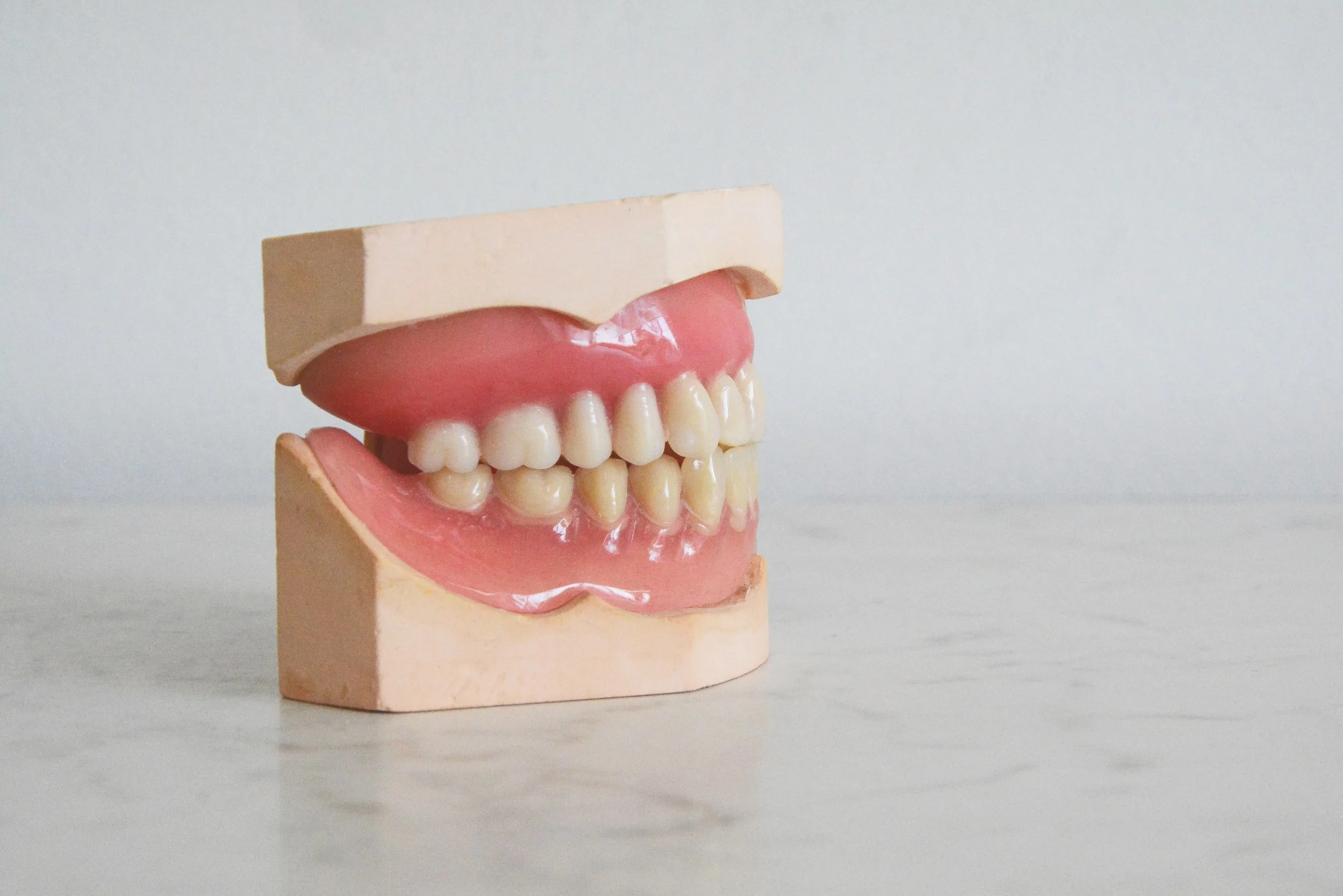
New drug to regenerate lost teeth
Scientists report that an antibody for one gene -- uterine sensitization associated gene-1 or USAG-1 -- can stimulate tooth growth in mice suffering from tooth agenesis.
The tooth fairy is a welcome guest for any child who has lost a tooth. Not only will the fairy leave a small gift under the pillow, but the child can be assured of a new tooth in a few months. The same cannot be said of adults who have lost their teeth.
A new study by scientists at Kyoto University and the University of Fukui, however, may offer some hope. The team reports that an antibody for one gene -- uterine sensitization associated gene-1 or USAG-1 -- can stimulate tooth growth in mice suffering from tooth agenesis, a congenital condition. The paper was published in Science Advances.
Although the normal adult mouth has 32 teeth, about 1% of the population has more or fewer due to congenital conditions. Scientists have explored the genetic causes for cases having too many teeth as clues for regenerating teeth in adults.
According to Katsu Takahashi, one of the lead authors of the study and a senior lecturer at the Kyoto University Graduate School of Medicine, the fundamental molecules responsible for tooth development have already been identified.
"The morphogenesis of individual teeth depends on the interactions of several molecules including BMP, or bone morphogenetic protein, and Wnt signaling," says Takahashi.
BMP and Wnt are involved in much more than tooth development. They modulate the growth of multiple organs and tissues well before the human body is even the size of a raisin. Consequently, drugs that directly affect their activity are commonly avoided, since side effects could affect the entire body.
Guessing that targeting the factors that antagonize BMP and Wnt specifically in tooth development could be safer, the team considered the gene USAG-1.
"We knew that suppressing USAG-1 benefits tooth growth. What we did not know was whether it would be enough," adds Takahashi.
The scientists therefore investigated the effects of several monoclonal antibodies for USAG-1. Monoclonal antibodies are commonly used to treat cancers, arthritis, and vaccine development.
USAG-1 interacts with both BMP and Wnt. As a result, several of the antibodies led to poor birth and survival rates of the mice, affirming the importance of both BMP and Wnt on whole body growth. One promising antibody, however, disrupted the interaction of USAG-1 with BMP only.
Experiments with this antibody revealed that BMP signaling is essential for determining the number of teeth in mice. Moreover, a single administration was enough to generate a whole tooth. Subsequent experiments showed the same benefits in ferrets.
"Ferrets are diphyodont animals with similar dental patterns to humans. Our next plan is to test the antibodies on other animals such as pigs and dogs," explains Takahashi.
The study is the first to show the benefits of monoclonal antibodies on tooth regeneration and provides a new therapeutic framework for a clinical problem that can currently only be resolved with implants and other artificial measures.
"Conventional tissue engineering is not suitable for tooth regeneration. Our study shows that cell-free molecular therapy is effective for a wide range of congenital tooth agenesis," concludes Manabu Sugai of the University of Fukui, another author of the study.

Why Cavemen Needed No Braces
Crooked teeth are a modern phenomenon and a telltale sign of an underlying epidemic.
Modern industrialized societies are plagued by crowded, ill-aligned teeth, a condition that the dental profession refers to as “malocclusion”—which translates literally to “bad bite.” Survey data from 1998 suggests that as much as a fifth of the U.S. population has significant malocclusion, over half of which require at least some degree of orthodontic intervention. Braces, tooth extractions, and retainers are the bread and butter for all the dentists and orthodontists tasked with setting straight our dental deviations. Having braces as a child has become so common in the Western world that it can seem a rite of passage—today, an estimated 50 to 70 percent of U.S. children will wear braces before adulthood. But what did humans do to fix their teeth before modern dentistry, before Novocain, gauze, and rubber spacers?
As it turns out, our ancestors did not suffer from crooked teeth to the same extent that we do today. Our species’ fossil record reveals a telling story: the epidemic of crooked teeth developed in humans over time. Evolutionary biologist, Daniel Lieberman, notes the pattern in his book, The Story of the Human Body:
Ample evidence abounds in support of Lieberman’s observations. A comparison of 146 medieval skulls from abandoned Norwegian graveyards with modern skulls indicated a trend toward bad bite in our more recent forebears. The skulls of people scored as being in “great” or “obvious” need of orthodontic treatment made up 36 percent of the medieval sample and 65 percent of the modern sample. And evidence of malocclusion in still earlier human fossils is vanishingly rare. The jaws of hunter-gatherers nearly uniformly reveal roomy, perfect arches of well aligned teeth, with no impacted wisdom teeth—a movie star’s dream smile, 15,000 years before the movies!

FDA Clears Novel Daytime Device for Obstructive Sleep Apnea
The US Food and Drug Administration (FDA) has approved the first device to help reduce snoring and mild obstructive sleep apnea (OSA) that is used during the day while the patient is awake.
The US Food and Drug Administration (FDA) has approved the first device to help reduce snoring and mild obstructive sleep apnea (OSA) that is used during the day while the patient is awake.
eXciteOSA (Signifier Medical Technologies, LLC) is a prescription-only, neuromuscular stimulation device designed to improve tongue muscle function, which, over time, can help prevent the tongue from collapsing backwards and obstructing the airway during sleep, the FDA said.
The eXciteOSA mouthpiece has four electrodes that deliver a series of electrical pulses with rest periods in between. Two electrodes are located above the tongue and two are located below the tongue.
The patient uses the device for 20 minutes once a day while awake for 6 weeks, and once a week thereafter. It is indicated for adults aged 18 and older with snoring and mild OSA.
OSA is marked by the recurring collapse of the upper airways during sleep, intermittently reducing or completely blocking airflow. Common symptoms include snoring, restless sleep and daytime sleepiness. Untreated OSA can lead to serious complications such as cardiovascular disease and cognitive and behavioral disorders.
Continuous positive airway pressure (CPAP) therapy, administered through a facemask that is worn while asleep, is a first-line treatment for OSA.
The eXciteOSA device "offers a new option for the thousands of individuals who experience snoring or mild sleep apnea," Malvina Eydelman, MD, director, FDA Office of Ophthalmic, Anesthesia, Respiratory, ENT and Dental Devices, said in a news release.
The FDA reviewed data on the safety and effectiveness of the eXciteOSA device in 115 patients with snoring, including 48 patients with snoring and mild OSA. All patients used the device for 20 minutes once a day for 6 weeks, then stopped using it for 2 weeks before they were reassessed.
Overall, the percentage of time spent snoring at levels louder than 40 decibels (dB) was reduced by more than 20% in 87 out of the 115 patients.
In the subset of patients with snoring and mild OSA, the average apnea-hypopnea index (AHI) score was reduced by 48%, from 10.21 to 5.27, in 41 of 48 patients. Mild OSA is defined as an AHI score greater than 5 but less than 15.
The most common adverse events were excessive salivation, tongue or tooth discomfort, tongue tingling, dental filling sensitivity, metallic taste, gagging, and tight jaw.
Before using the eXciteOSA device, patients should receive a comprehensive dental examination, the FDA says.
The device should not be used in patients with pacemakers or implanted pacing leads, or women who are pregnant. The device is also contraindicated in patients with temporary or permanent implants, dental braces, intraoral metal prosthesis/restorations, or ulcerations in or around the mouth.
The eXciteOSA device was approved under the de novo premarket review pathway for new low- to moderate-risk devices. More information on the device is available online.
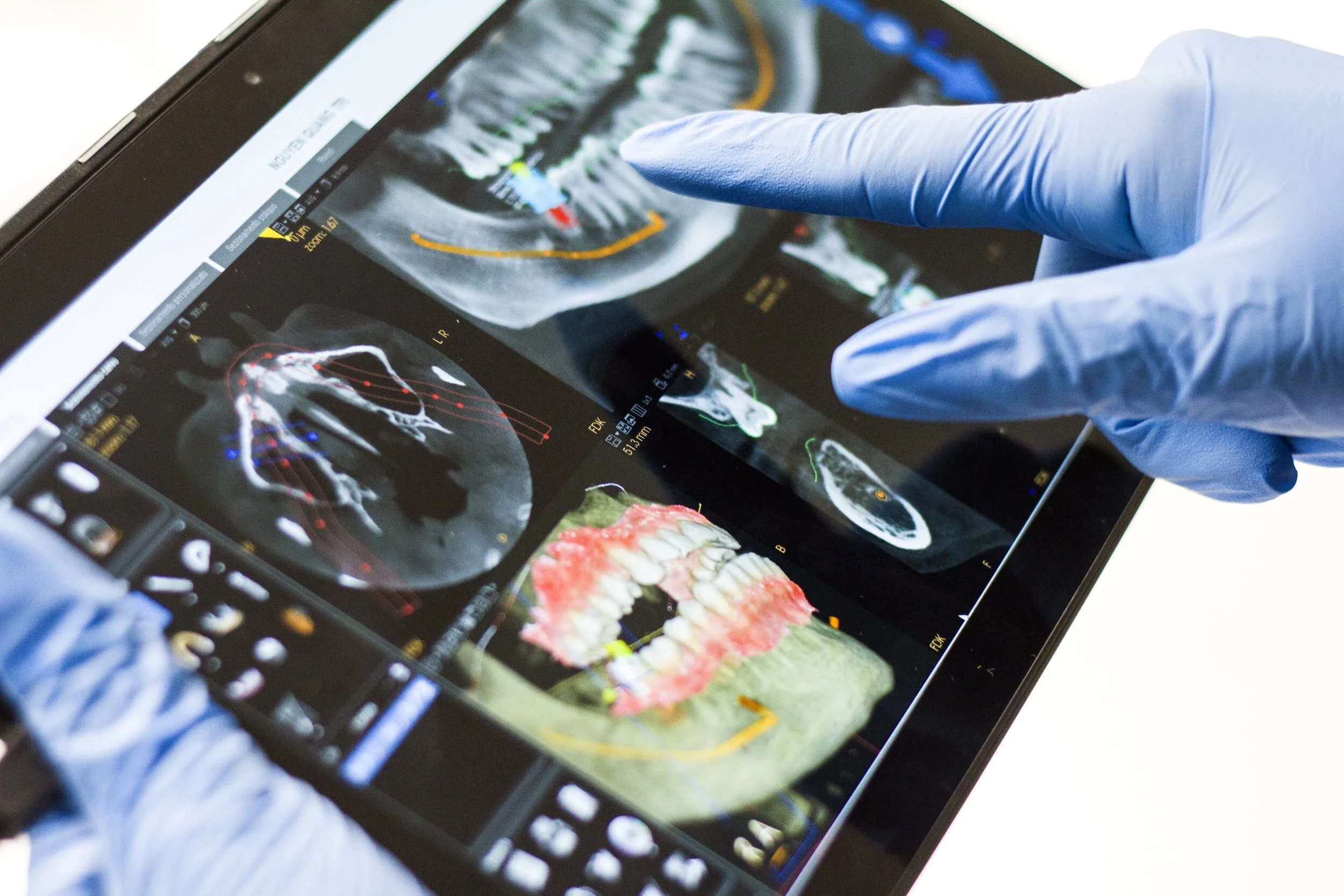
Researchers demonstrate how changing the stem cell response to inflammation may reverse periodontal disease
Scientists have discovered that a specific type of molecule may stimulate stem cells to regenerate, reversing the inflammation caused by periodontal disease.
Periodontal disease, also known as gum disease, is a serious infection that affects nearly 50 percent of Americans aged 30 years and older. If left unchecked, periodontal disease can destroy the jawbone and lead to tooth loss. The disease is also associated with higher risk of diabetes and cardiovascular disease.
The current treatment for periodontal disease involves opening the infected gum flaps and adding bone grafts to strengthen the teeth. But in new research published recently in the journal Frontiers in Immunology, Forsyth Institute scientists have discovered that a specific type of molecule may stimulate stem cells to regenerate, reversing the inflammation caused by periodontal disease. This finding could lead to the development of new therapeutics to treat a variety of systemic diseases that are characterized by inflammation in the body.
For the study, Dr. Alpdogan Kantarci, his PhD student Dr. Emmanuel Albuquerque, and their team removed stem cells from previously extracted wisdom teeth and placed the stem cells onto petri dishes. The researchers then created a simulated inflammatory periodontal disease environment in the petri dishes. Next, they added two specific types of synthetic molecules called Maresin-1 and Resolvin-E1, both specialized pro-resolving lipid mediators from omega-3 fatty acids. The scientists found that Mar1 and RvE1 stimulated the stem cells to regenerate even under the inflammatory conditions.
"Both Maresin-1 and Resolvin-1 reprogrammed the cellular phenotype of the human stem cells, showing that even in response to inflammation, it is possible to boost capacity of the stem cells so they can become regenerative," said Dr. Kantarci, Associate Member of Staff at the Forsyth Institute.
This finding is important because it allows scientists to identify the specific protein pathways involved in inflammation. Those same protein pathways are consistent across many systemic diseases, including periodontal disease, diabetes, heart disease, dementia, and obesity.
"Now that we understand how these molecules stimulate the differentiation of stem cells in different tissues and reverse inflammation at a critical point in time, the mechanism we identified could one day be used for building complex organs" said Dr. Kantarci. "There is exciting potential for reprogramming stem cells to focus on building tissues."
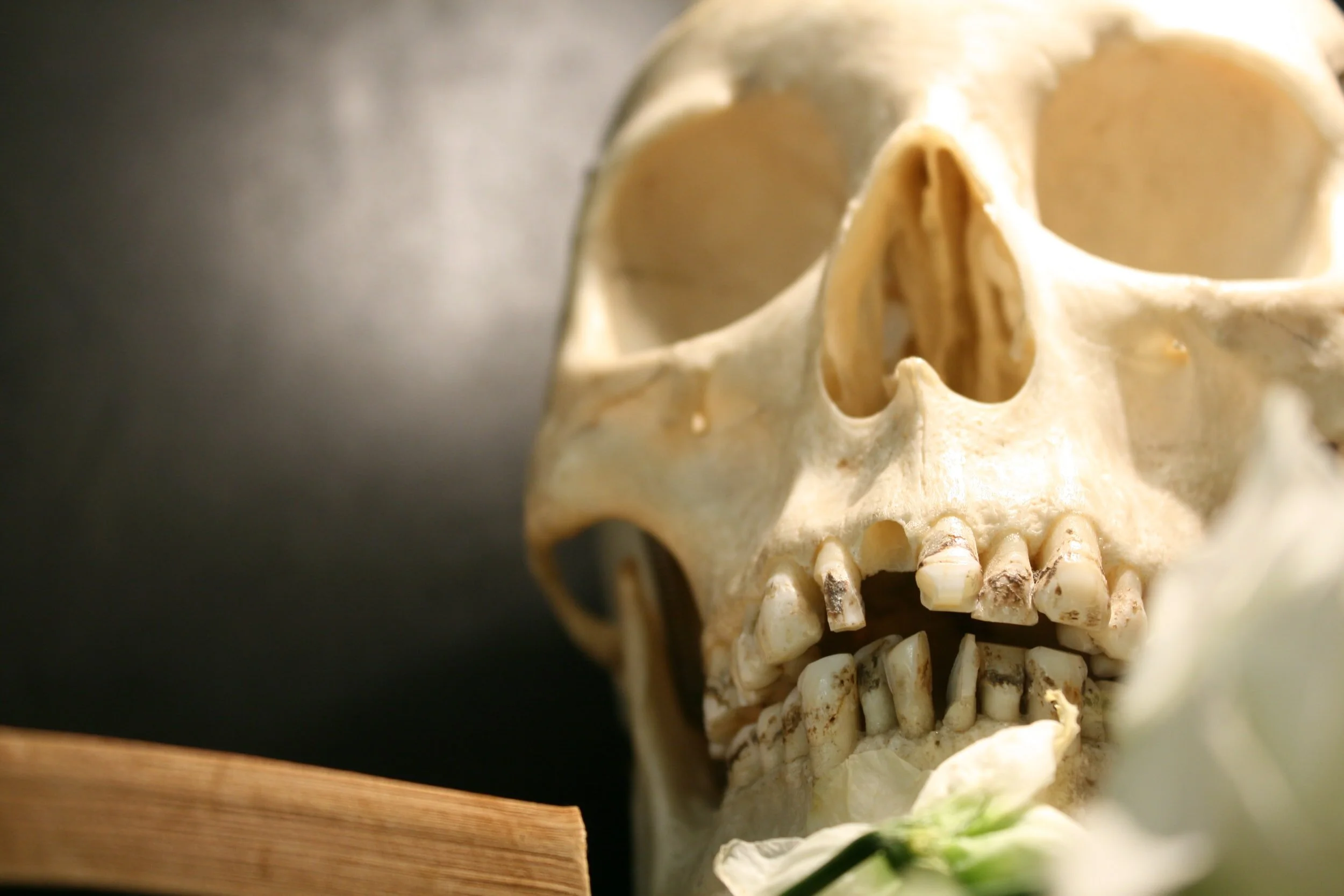
A tiny jaw from Greenland sheds light on the origin of complex teeth
Scientists have described the earliest known example of dentary bone with two rows of cusps on molars and double-rooted teeth. The new findings offer insight into mammal tooth evolution, particularly the development of double-rooted teeth.
A team of scientists led from Uppsala University have described the earliest known example of dentary bone with two rows of cusps on molars and double-rooted teeth. The new findings offer insight into mammal tooth evolution, particularly the development of double-rooted teeth. The results are published in the scientific journal PNAS.
The first mammals originated in the latest Triassic period, around 205 million years ago. An ancestor to mammals were the therapsids, "mammal-like reptiles" referred to as stem mammals or proto-mammals, which originated about 320-300 million years ago. One unique characteristic of the lineage that included mammals and animals related to mammals (synapsids) was that they developed complex occlusion. Close ancestors to mammals, called mammaliaforms, developed rows of cusps on molar-like teeth adapted for more omnivorous feeding. The origin of this multicusped pattern and double-rooted tooth has thus far remained unclear.
A team of scientists led by Grzegorz Niedzwiedzki from Uppsala University have investigated the jaw anatomy and tooth structure of a recently described new mammaliaform species named Kalaallitkigun jenkinsi. It was discovered on the eastern coast of Greenland and was a very small, shrew-like animal, probably covered with fur. It would have been the size of a large mouse and lived during the Late Triassic, around 215 million years ago.

Gum disease may raise risk of some cancers
People with history of gum disease appear to have higher risk of developing oesophageal and gastric cancer, suggest researchers
People who have periodontal (gum) disease may have a higher risk of developing some forms of cancer, suggests a letter published in the journal Gut detailing a prospective study.
US researchers found that a history of periodontal disease appeared to be associated with a raised risk of esophageal (gullet) cancer and gastric (stomach) cancer and this risk was also higher among people who had lost teeth previously.
Previous findings on the relationship of periodontal disease and tooth loss with esophageal and gastric cancer have been inconsistent.
Therefore, a team of researchers from Harvard T.H. Chan School of Public Health, in Boston, USA, carried out a study of data on patients over decades of follow up.
They examined the association of history of periodontal disease and tooth loss with the risk of esophageal and gastric cancer in 98,459 women from the Nurses' Health Study (1992-2014) and 49,685 men from the Health Professionals Follow-up Study (1988-2016).
Dental measures, demographics, lifestyle, and diet were assessed using follow-up questionnaires and self-reported cancer diagnosis was confirmed after reviewing medical records.
The results showed that during 22-28 years of follow-up, there were 199 cases of esophageal cancer and 238 cases of gastric cancer.
A history of periodontal disease was associated with a 43% and 52% increased risk of esophageal cancer and gastric cancer, respectively.
Compared to people with no tooth loss, the risks of esophageal and gastric cancer for those who lost two or more teeth were also modestly higher -- 42% and 33%, respectively.
In addition, among individuals with a history of periodontal disease, no tooth loss and losing one or more teeth were equally associated with a 59% increased risk of esophageal cancer compared to those with no history of periodontal disease and no tooth loss.
Similarly, the same group of individuals had 50% and 68% greater risk of gastric cancer, respectively.
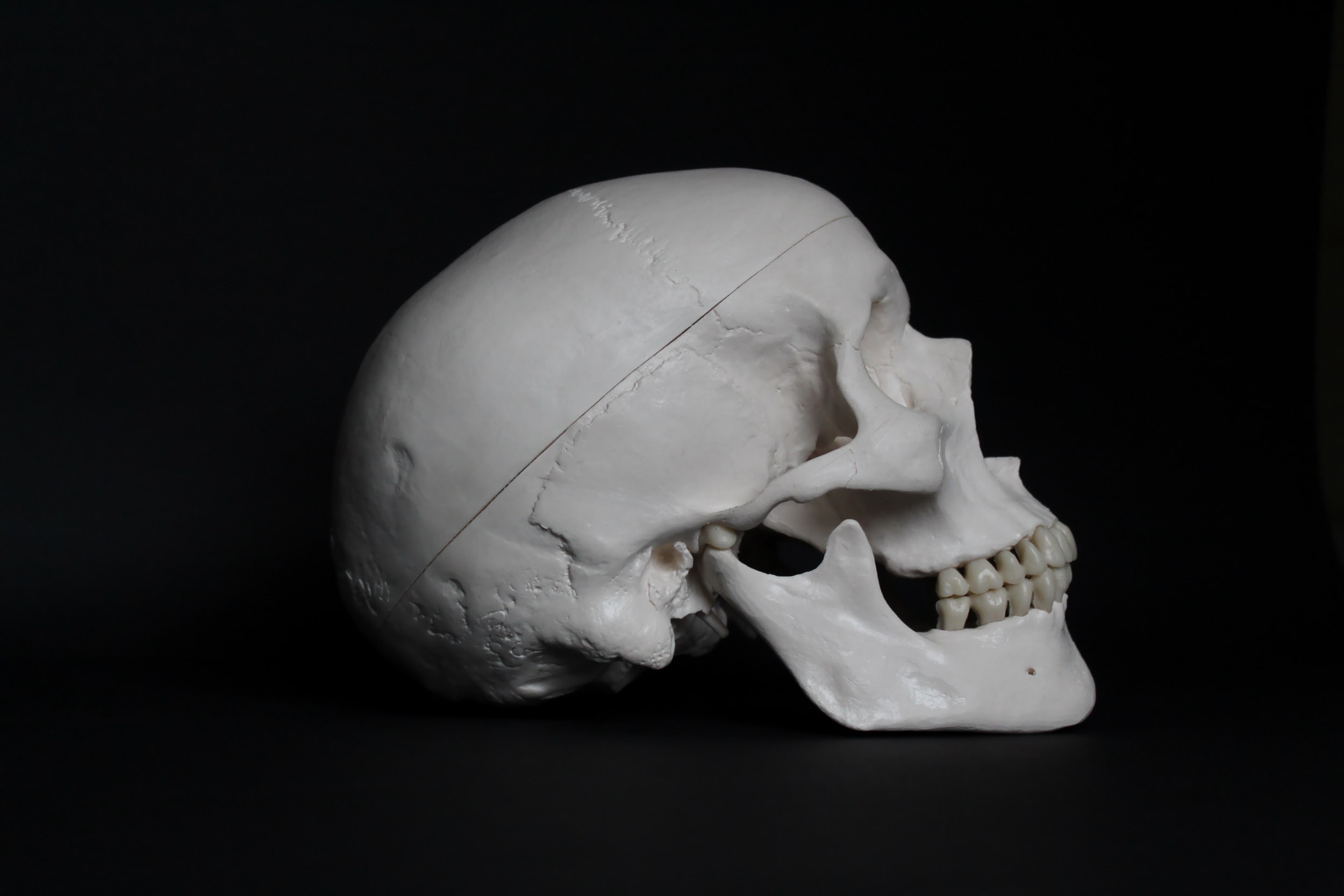
A tiny jaw from Greenland sheds light on the origin of complex teeth
Scientists have described the earliest known example of dentary bone with two rows of cusps on molars and double-rooted teeth. The new findings offer insight into mammal tooth evolution, particularly the development of double-rooted teeth.
A team of scientists led from Uppsala University have described the earliest known example of dentary bone with two rows of cusps on molars and double-rooted teeth. The new findings offer insight into mammal tooth evolution, particularly the development of double-rooted teeth. The results are published in the scientific journal PNAS.
The first mammals originated in the latest Triassic period, around 205 million years ago. An ancestor to mammals were the therapsids, "mammal-like reptiles" referred to as stem mammals or proto-mammals, which originated about 320-300 million years ago. One unique characteristic of the lineage that included mammals and animals related to mammals (synapsids) was that they developed complex occlusion. Close ancestors to mammals, called mammaliaforms, developed rows of cusps on molar-like teeth adapted for more omnivorous feeding. The origin of this multicusped pattern and double-rooted tooth has thus far remained unclear.
A team of scientists led by Grzegorz Niedzwiedzki from Uppsala University have investigated the jaw anatomy and tooth structure of a recently described new mammaliaform species named Kalaallitkigun jenkinsi. It was discovered on the eastern coast of Greenland and was a very small, shrew-like animal, probably covered with fur. It would have been the size of a large mouse and lived during the Late Triassic, around 215 million years ago.
"I knew it was important from the moment I took this 20 mm specimen off the ground," says Niedzwiedzki, researcher at Uppsala University and the corresponding author of the publication.
Kalaallitkigun jenkinsi exhibits the earliest known dentary with two rows of cusps on molars and double-rooted teeth. The anatomical features place Kalaallitkigun jenkinsi as an intermediate between the mammals and the insectivorous morganucodontans, another type of mammaliaform.
The researchers believe that the structural changes in the teeth are related to changed feeding habits. In this case study, the animals were switching to a more omnivorous/herbivorous diet and the tooth crown was expanding laterally. Broader teeth with "basins" on the top surface are better for grinding food. This development also forced changes in the structure of the base of the tooth.
The biomechanical analysis that was carried out within the study found that multi-rooted teeth are better able to withstand mechanical stresses, including those of upper and lower tooth contact during biting, compared to single-rooted teeth. Human teeth, for instance, have this characteristic. The results suggest that the development of molar-like teeth with complex crowns may have developed together with biomechanically optimised dual roots.
"The early evolution of mammals is a particularly interesting topic in evolutionary studies. This tiny jaw from Greenland shows us how complex mammalian teeth arose and why they appeared," says Niedzwiedzki.
"Our discovery of the oldest mammalian ancestor with double-rooted molars shows how important the role of teeth was in the origin of mammals. I had this idea to look at the biomechanics and the collaboration with the engineers turned out great," says Tomasz Sulej, researcher at the Polish Academy of Sciences, first author of the publication.
"It seems that the fossils of close mammalian ancestors must be looked for in even older rocks," says Sulej.
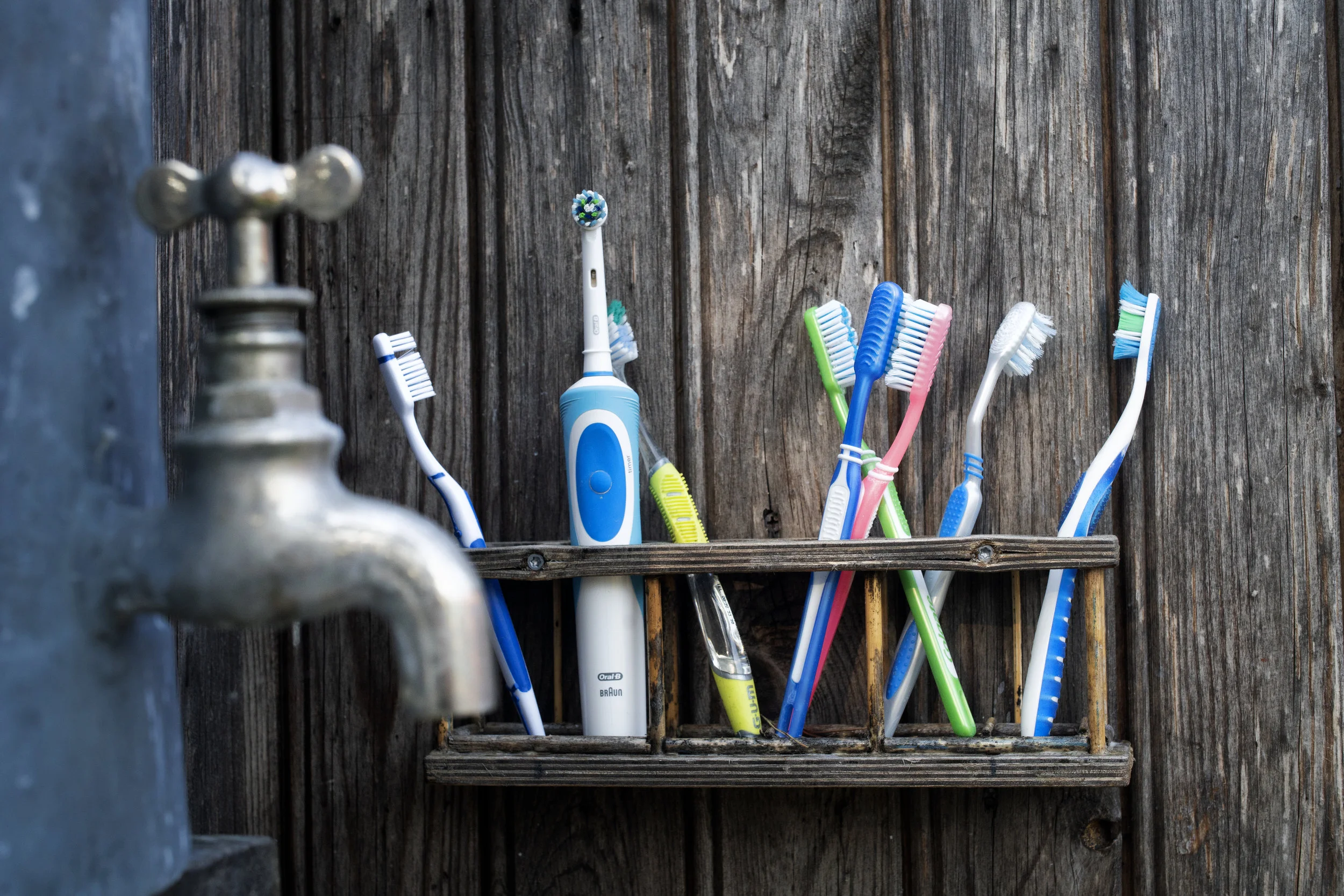
Want to Help Keep Diabetes at Bay? Brush & Floss
There's a new, unexpected reason to keep your pearly whites gleaming: avoiding diabetes.
Recommended Videos
New research found that people who regularly brush their teeth three times a day reduce their risk of type 2 diabetes.
The study also found that people who have dental disease or a lot of missing teeth have a higher risk of developing the blood sugar condition.
"Our study suggested that improved oral hygiene may be associated with a decreased risk of new-onset diabetes," said study author Dr. Yoonkyung Chang. She is a clinical assistant professor of neurology at Ewha Woman's University Mokdong Hospital, in South Korea.
Chang said the researchers don't know what the exact mechanism behind this connection is, but there are a number of possible ways that poor dental health might contribute to diabetes.
"Poor oral hygiene may be related to the chronic inflammatory process," she said. Inflammation affects oral health and can lead to gum disease that creates space in the gum where bacteria can collect. That bacteria may then travel into the body's circulation and trigger immune system responses, which might impair blood sugar control.
But it's difficult to prove a cause-and-effect relationship between dental health and diabetes because many factors involved in poor oral health are also linked to type 2 diabetes.
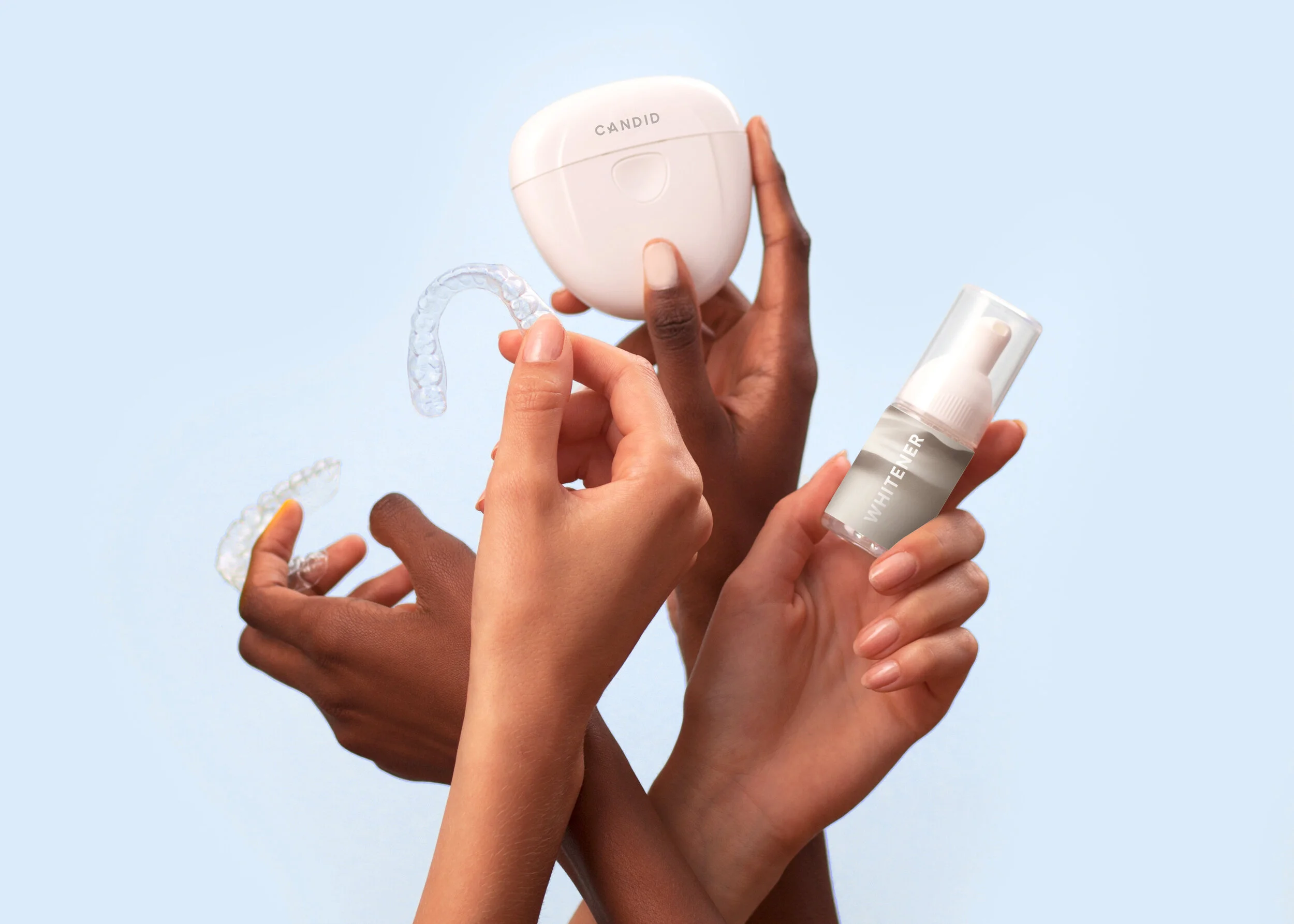
An Oral Splint that can Reduce Tourette Syndrome Tics
While there is no cure for Tourette syndrome, there are several available options to treat severe tics. These include behavioral (e.g. psychotherapy and cognitive behavioral therapy), pharmacological (e.g. medications that block dopamine in the brain), and more intrusive surgical interventions (e.g. deep brain stimulation, whereby motor areas of the brain receive electrical stimulation). However, the efficacy of these treatments can vary, and patients still frequently suffer from physical, mental, and social disabilities. As an alternative treatment option, researchers at Osaka University have developed a custom-made oral splint. These are typically used for unconscious teeth clenching and grinding, and for temporomandibular disorders such as misalignment of the teeth or jaw. The oral splint is applied to the molars to increase the occlusal vertical dimension, which essentially means that the alignment of the nose, lips, and chin is altered. The study was recently published in Movement Disorders.
Beyond tooth decay: why good dental hygiene is important
Most of us are aware that poor dental hygiene can lead to tooth decay, gum disease and bad breath - but not brushing your teeth could also have consequences for more serious illnesses.
Alzheimer's disease
In 2010, researchers from New York University (NYU) concluded that there is a link between gum inflammation and Alzheimer's disease, after reviewing 20 years of data on the association.
The American Dental Hygienists' Association recommend that we should brush for 2 minutes, twice daily. However, the number of participants in the NYU study was fairly small. The researchers analyzed data from 152 subjects enrolled in the Glostrop Aging Study - a study looking at psychological, medical and oral health in Danish men and women. The study spanned a 20-year period and ended in 1984, when the subjects were all over the age of 70.
Comparing cognitive function at ages 50 and 70, the NYU team found that gum disease at the age of 70 was strongly associated with low scores for cognitive function. Study participants were nine times more likely to have a score in the lower range of the cognitive test - the "digit symbol test" (DST) - if they had inflammation of the gums. Although this study took into account potentially confounding factors like obesity, cigarette smoking and tooth loss unrelated to gum inflammation, there was still a strong association between low DST score and gum inflammation.
In 2013, UK-based researchers from the University of Central Lancashire (UCLan) built on the findings of this study, by comparing brain samples from 10 living patients with Alzheimer's with 10 brain samples from people who did not have the disease.
Analysis showed that a bacterium - Porphyromonas gingivalis - was present in the Alzheimer's brain samples but not in the samples from the brains of people who did not have Alzheimer's. What was interesting was that P. gingivalis is usually associated with chronic gum disease.
The team followed up this research in 2014 with a new mouse study, the results of which were published in the Journal of Alzheimer's Disease. Medical News Today spoke to co-author Dr. Sim K. Singhrao regarding the findings.
Dr. Singhrao says that there is sufficient scientific evidence to show that two of the three gum disease-causing bacteria are capable of motion (or "motile") and have been consistently found in brain tissue.
"These motile bacteria can leave the mouth and enter the brain via two main routes," he explains. "They can use their movement capability to directly enter the brain. One of the paths taken is to crawl up the nerves that connect the brain and the roots of teeth. The other path is indirect entry into the brain via the blood circulation system."
In a patient who has bleeding gums, says Dr. Singharo, the gum disease-causing bacteria will enter the blood stream every time they clean their mouth and even when they eat food.
He continues: "P. gingivalis is particularly interesting as it has found ways to hitch a lift from red blood cells when in the blood stream and instead of getting 'off the red blood cell bus' in the spleen, they choose to get off in the brain at an area where there are no immune checkpoints. From there, they spread to the brain at their will. In addition, in older individuals, the blood vessels tend to enlarge and become leaky."
"The published work confirmed P. gingivalis placed in the mouths of mice finds its way to the brain once gum disease becomes established first," Dr. Singhrao concludes. "Furthermore, our hypothesis is strengthened by the recent results demonstrating that the chemicals released by the brain's immune system in response to P. gingivalis reaching the brain 'inadvertently' damage functional neurons in the area of the brain related to memory."
Pancreatic cancer
A research team from Harvard School of Public Health in Boston, MA, were the first to report strong evidence on a link between gum disease and pancreatic cancer, back in 2007.
Researchers are unable to prove whether the periodontitis bacteria are a cause or result of pancreatic cancer - current research can only prove that the two are linked. The type of gum inflammation associated with pancreatic cancer in the study was periodontitis, which affects the tissue that support the teeth and can cause loss of bone around the base of the teeth.
The other main kind of gum disease - gingivitis; where the tissue around the teeth becomes inflamed - was not linked to increased cancer risk. However, gingivitis can lead to periodontitis if persistent. Gingivitis happens when bacteria in the plaque around the base of the teeth build up due to bad dental hygiene.
Examining data on gum disease from the Health Professionals Follow-Up Study, which involved a cohort of more than 51,000 men and began collecting data in 1986, the Harvard researchers found that men with a history of gum disease had a 64% increased risk of pancreatic cancer compared with men who had never had gum disease.
The greatest risk for pancreatic cancer among this group was in men with recent tooth loss. However, the study was unable to find links between other types of oral health problems - such as tooth decay - and pancreatic cancer.
The researchers suggest that there may be a link between high levels of carcinogenic compounds found in the mouths of people with gum disease and pancreatic cancer risk. They argue that these compounds - called nitrosamines - may react to the digestive chemicals in the gut in a way that creates an environment favorable to the development of pancreatic cancer.
However, a follow-up study from the team in 2012 was unable to prove whether the periodontitis bacteria are a cause or result of pancreatic cancer - the study could only prove that the two were linked.
"This is not an established risk factor," admitted author Dominique Michaud. "But I feel more confident that something is going on. It's something we need to understand better."
Heart disease
Perhaps more well established is the association between dental hygiene and heart disease. "The mouth is probably the dirtiest place in the human body," said Dr. Steve Kerrigan.
In 2008, MNT reported on research from joint teams at the University of Bristol in the UK and the Royal College of Surgeons in Dublin, Ireland, who found that people with bleeding gums from poor dental hygiene could be increasing their risk of heart disease.
The researchers found that heart disease risk increased because - in people who have bleeding gums - bacteria from the mouth is able to enter the bloodstream and stick to platelets, which can then form blood clots, interrupting the flow of blood to the heart and triggering a heart attack.
"The mouth is probably the dirtiest place in the human body," said Dr. Steve Kerrigan from the Royal College of Surgeons, explaining that there are up to 700 different types of bacteria co-existing in our mouths.
Prof. Howard Jenkinson, from the University of Bristol, added: "Cardiovascular disease is currently the biggest killer in the western world. Oral bacteria such as Streptococcus gordonii and Streptococcus sanguinis are common infecting agents, and we now recognise that bacterial infections are an independent risk factor for heart diseases."
The Bristol University researchers investigated how the bacteria interact with platelets by mimicking the pressure inside the blood vessels and the heart. Prof. Jenkinson's team found that the bacteria use the platelets as a defense mechanism.
By clumping the platelets together, the bacteria are able to completely surround themselves. This platelet armor shields the bacteria from attack by immune cells and makes them less detectable to antibiotics.
Although some of the associations we have looked at in this spotlight feature are still under investigation, good dental hygiene remains important for lowering risk of a variety of conditions.
The American Dental Hygienists' Association (ADHA) recommend that we should brush for 2 minutes, twice daily. The ADHA guidelines also stress the importance of flossing daily and rinsing with mouthwash. You can read the full recommendations on the ADHA website.
Source: Most of us are aware that poor dental hygiene can lead to tooth decay, gum disease and bad breath - but not brushing your teeth could also have consequences for more serious illnesses.
Source: https://www.medicalnewstoday.com/articles/283649.php