


TIME Magazine: Should I Use Mouthwash?
Some types may be trouble, but most are a satisfying addition to your brushing routine.
Some types may be trouble, but most are a satisfying addition to your brushing routine.
It just feels good to cap your mouth-cleaning routine with a vigorous swish of mouthwash.
“A lot of people really enjoy the sensation of rinsing after they’re brushed,” says Matt Messina, a member of the American College of Dentists and a spokesperson for the American Dental Association. “They feel like the mouthwash is clearing away all that loose debris.”
And those people are right. Messina says mouthwash can help you spit out loosened plaque and other bits of detritus hiding in the cracks and crevices of your mouth. But so can water, he adds.
“I like to say mouthwash is an addition to proper oral hygiene, not a substitute,” he says. It’s not going to take the place of your morning brush or twice-yearly dentist visit, but it may help freshen your breath, and in most cases it’s not harmful, he says.
Read the entire article at www.TIME.com

Antibiotics Prior to Dental Work? Maybe Not.
Consumer Reports reported that “new guidelines call for fewer people to get antibiotics before a dental procedure.”
In recent years, recommendations regarding the use of preventive antibiotics before dental procedures have changed significantly.
According to guidance summarized by Consumer Reports, updated clinical guidelines now recommend antibiotic premedication for far fewer patients than in the past. Current recommendations reserve antibiotics primarily for individuals with specific, high-risk medical conditions — such as certain artificial heart valves, a prior history of infective endocarditis, or select serious congenital heart conditions.
For the vast majority of patients, preventive antibiotics before routine dental care are no longer indicated.
Why the Guidelines Changed
The shift reflects a growing understanding of:
the risks associated with unnecessary antibiotic use
antibiotic resistance
the lack of evidence supporting routine premedication for most patients
Modern dentistry places a strong emphasis on evidence-based care — using antibiotics only when the benefits clearly outweigh the risks.
How Recommendations Are Determined
Antibiotic guidelines used in dental care are based on consensus statements and ongoing research from organizations including the American Dental Association, the American Heart Association, and the American Academy of Orthopaedic Surgeons.
These guidelines are reviewed and updated as new evidence becomes available.
An Individualized, Medically Informed Approach
While guidelines provide an important framework, they do not replace individualized medical decision-making.
Dental recommendations in this practice are always made with consideration of:
current clinical guidelines
your medical history
recommendations from your physician or specialist
When there is uncertainty, or when a patient’s medical history is complex, coordination with the treating physician is essential. Physician guidance is never overridden.
Questions About Antibiotics?
If you are unsure whether antibiotic premedication is appropriate before your dental appointment, we encourage you to ask. These decisions are best addressed before treatment, with time for proper review and, when needed, communication with your medical team.
Reviewed and updated January 2026

Gum Disease May Worsen Cognitive Decline For Alzheimer's Patients
Gum disease is an unpleasant condition, causing bad breath, bleeding and painful gums, ulcers and even tooth loss. But people with Alzheimer's disease might fare worse, after a new study suggests gum disease may speed up cognitive decline.
First study author Dr. Mark Ide, from the Dental Institute at King's College London in the UK, and colleagues publish their findings in the journal PLOS One.
According to the Centers for Disease Control and Prevention (CDC), almost half of adults in the US have some form of gum disease, or periodontal disease. Rates increase with age, with the condition affecting more than 70% of adults aged 65 and older.
The researchers note that rates of gum disease may be even higher for people with Alzheimer's disease, primarily because they are less likely to engage in good oral hygiene as their condition progresses.
Previous studies have also associated gum disease with increased risk of developing Alzheimer's. Medical News Today reported on one such study in 2013, in which researchers identified bacteria related to gum disease - Porphyromonas gingivalis - in brain samples of people with Alzheimer's.
For this latest study, Dr. Ide and colleagues looked at whether gum disease may impact the severity of cognitive decline among people with Alzheimer's.
Gum disease linked to six-fold increase in rate of cognitive decline
The team enrolled 59 participants with mild to moderate Alzheimer's disease to their study, and 52 of these participants were followed for an average of 6 months.
At the beginning and end of the follow-up period, the dental health of the subjects was assessed by a dental hygienist, and the researchers took blood samples from the participants and assessed them for inflammatory markers. Subjects also underwent cognitive tests at study baseline and after 6 months.
Compared with participants who did not have gum disease at study baseline, those who did were found to have a six-fold increase in the rate of cognitive decline during the 6-month follow-up period.
What is more, subjects who had gum disease at study baseline showed an increase in blood levels of pro-inflammatory markers over the follow-up period.
Based on their findings - and those of previous research - the team suggests that gum disease may increase the rate of cognitive decline by increasing the body's inflammatory response.
"A number of studies have shown that having few teeth, possibly as a consequence of earlier gum disease, is associated with a greater risk of developing dementia," says Dr. Ide, adding:
"We also believe, based on various research findings, that the presence of teeth with active gum disease results in higher body-wide levels of the sorts of inflammatory molecules which have also been associated with an elevated risk of other outcomes such as cognitive decline or cardiovascular disease.
Research has suggested that effective gum treatment can reduce the levels of these molecules closer to that seen in a healthy state."
The researchers recognize that the small number of participants in their study is a limitation, and they recommend that the association between gum disease and cognitive decline is investigated in a larger cohort.
Further studies, they say, should also seek to determine the exact mechanisms by which gum disease drives cognitive decline.

6 Ways to Reduce Your Child’s Sugary Snacking (and Save Their Smile)
Everyone knows a healthy diet is essential to a healthy life, but how many know that eating right can help prevent tooth decay and gum disease?
We all know that a balanced diet is essential for a healthy life, but as a parent, it can feel like a constant battle against the "sugar rush." In the dental world, we don't just look at sugar as a source of energy; we see it as the primary fuel for the bacteria that cause tooth decay and gum disease.
Protecting your child’s smile doesn’t require a complete pantry overhaul. Often, a few small, strategic changes to how and when your family snacks can make the biggest difference.
Here are six practical ways to reduce sugary snacking in your household.
1. Timing is Everything: The "Mealtime Rule"
It isn't just about how much sugar your child eats, but how often. Every time your child eats sugar, the mouth becomes acidic for about 20 minutes. Frequent snacking leads to constant "acid attacks."
The Fix: If they are going to have a sugary treat, let them have it with a meal. Increased saliva production during meals helps wash away sugar and neutralize acids.
2. Swap "Sticky" for "Crunchy"
Sticky snacks like fruit leathers, gummy vitamins, and dried fruit are some of the biggest culprits in pediatric cavities because they lodge in the grooves of the teeth and stay there for hours.
The Fix: Choose "detergent" foods—crunchy fruits and vegetables like apples, carrots, and celery. These naturally help scrub the tooth surfaces as they are chewed.
3. The "Water First" Strategy
Juice boxes and sports drinks are often marketed as healthy, but they are frequently loaded with liquid sugar that bathes the teeth.
The Fix: Make water the default beverage. In Jacksonville, our community water is fluoridated, which acts like a "constant repair kit" for tooth enamel. If they do have juice, have them chase it with a sip of water to rinse the teeth.
4. Become a Label Detective
Sugar hides under many names: high fructose corn syrup, agave nectar, maltose, and dextrose. Many "healthy" yogurts and cereals contain as much sugar as a candy bar.
The Fix: Look for snacks where sugar isn't one of the first three ingredients. Aim for snacks with less than 5 grams of sugar per serving.
5. Harness the Power of Cheese
It sounds simple, but cheese is a secret weapon for dental health.
The Fix: Cheese triggers saliva flow and contains calcium and phosphates that help re-mineralize tooth enamel. A string cheese or a few cubes of cheddar is an excellent "closer" for a snack or meal.
6. Model the Behavior
Children are observant. If they see you reaching for water and nuts instead of soda and cookies, they are more likely to follow suit.
The Fix: Make healthy snacking a family project. Let them help pick out "dentist-approved" snacks at the grocery store to give them a sense of ownership over their health.
A Note for Jacksonville Parents
Between school, sports, and Florida heat, kids are constantly on the go. While we advocate for healthy snacking, we also know that life happens. If your child does indulge in a sugary snack while you're out at San Marco Square or the park, just remember: Rinse with water immediately and brush as soon as you get home.
Dr. Henley’s Smart Snack Guide
Reviewed and Updated February 2026
Top 6 Reasons Your Tooth Has Been Hurting You
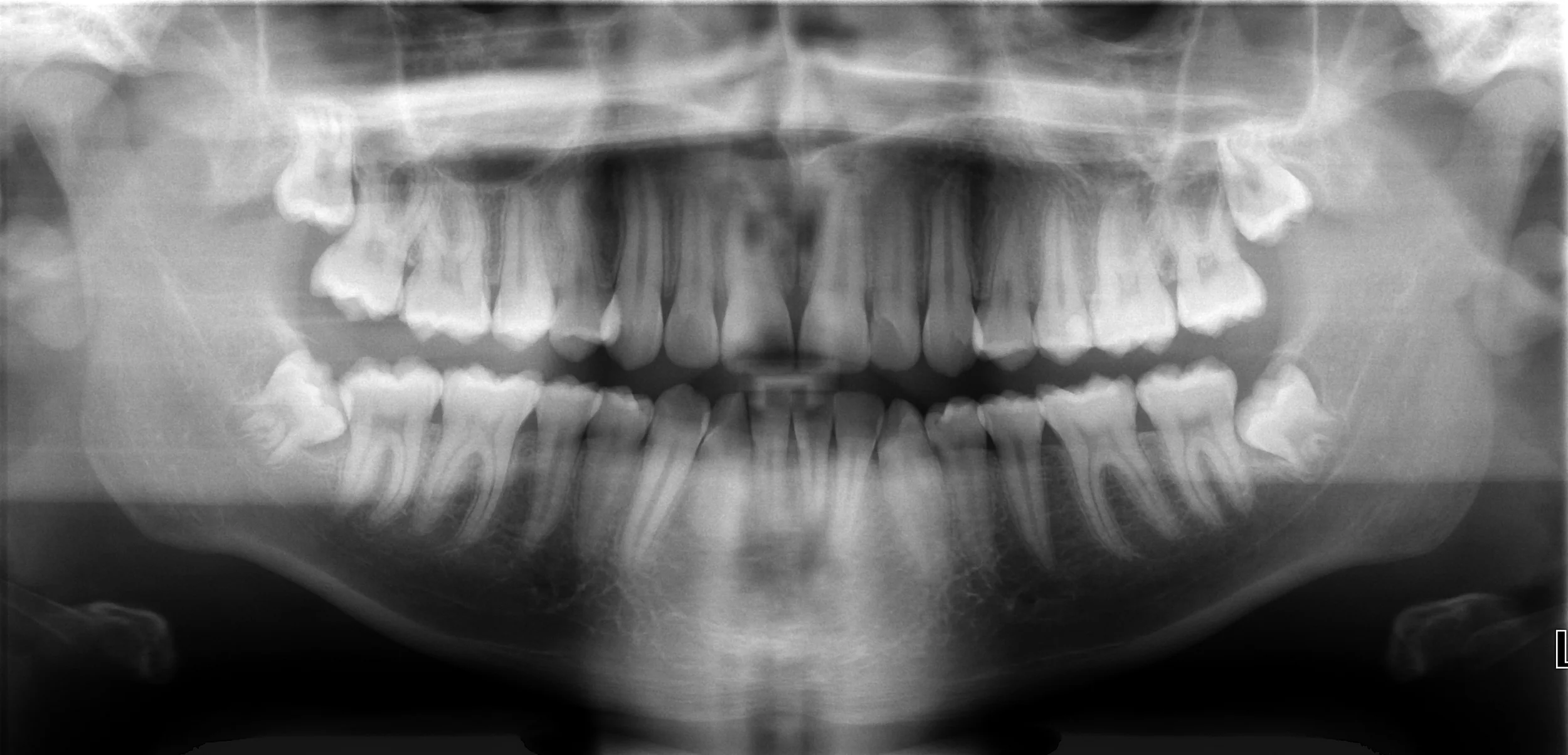
Not all toothaches are the same! Depending on the symptoms, toothaches can require different treatments. Understanding these symptoms can help Dr. Henley or Dr. Kelly determine how to help you feel better, faster.

Not all tooth pain is the same. The type, timing, and triggers of a toothache often point to very different underlying causes—and different treatments. Understanding these patterns helps your dentist identify the problem more quickly and get you relief sooner.
1. Brief Sensitivity to Hot or Cold Foods
What it usually means
If sensitivity lasts only a few seconds, it is typically not a serious problem. Short-lived sensitivity is often caused by gum recession, a small cavity, exposed root surfaces, or a filling that is beginning to leak.
What helps
Desensitizing toothpaste can significantly reduce symptoms, especially for cold sensitivity. These products require consistent use and may take up to two weeks to reach full effectiveness. If sensitivity persists or worsens, a dental evaluation is recommended to rule out underlying decay or restoration issues.
2. Sensitivity After Dental Treatment
What it usually means
Dental procedures can temporarily irritate the nerve inside a tooth. Sensitivity to hot or cold after treatment is common and often resolves as the tooth settles.
What helps
Give the tooth a few weeks to recover. However, if sensitivity is increasing, lingering, or accompanied by biting pain, your dentist should evaluate the area to ensure the bite and restoration are functioning properly.
3. Pain When Biting or Chewing
What it usually means
Pain with pressure often suggests a crack or fracture in the tooth. It can also indicate inflammation around the root or an early dental abscess. In some cases, the bite may be uneven following recent dental work.
What helps
This type of pain should be evaluated promptly. Depending on the cause, treatment may involve adjusting the bite, placing a crown, or performing root canal therapy to address infection or nerve involvement.
4. Lingering Pain After Hot or Cold Foods
What it usually means
Pain that continues for several seconds or minutes after temperature exposure often indicates that the tooth’s nerve is inflamed or beginning to fail.
What helps
This type of pain frequently requires root canal treatment to remove the damaged nerve and relieve symptoms. Early evaluation can prevent worsening infection and reduce the risk of complications.
5. Constant, Severe Pain with Swelling or Pressure
What it usually means
Severe, unrelenting pain—especially when accompanied by swelling, pressure, or tenderness—often signals a dental infection at the root of the tooth. In many cases, the nerve has already died.
What helps
Dental infections should be treated urgently. Prompt care may involve antibiotics, drainage, root canal therapy, or extraction depending on the severity. Delaying treatment can allow infection to spread and, in rare cases, become medically serious.
6. Dull Ache or Pressure in Upper Teeth on One Side
What it usually means
Sinus infections can closely mimic tooth pain, particularly in the upper back teeth. The maxillary sinuses sit just above these teeth, and sinus inflammation can create pressure that feels dental in origin.
What helps
A dental evaluation can determine whether the pain is coming from the teeth or the sinuses. If dental causes are ruled out, medical treatment for sinus infection—such as decongestants or antibiotics—may be recommended.
When to Schedule an Evaluation
Tooth pain is rarely something to ignore. If discomfort is persistent, worsening, or interfering with daily activities, a professional examination is the best way to identify the cause and determine appropriate treatment. Early diagnosis often means simpler, more comfortable solutions.
Reviewed and updated January 2026
An In-Depth Look at Dry Mouth (Xerostomia)
A guide to understanding the causes of dry mouth and how to treat it.

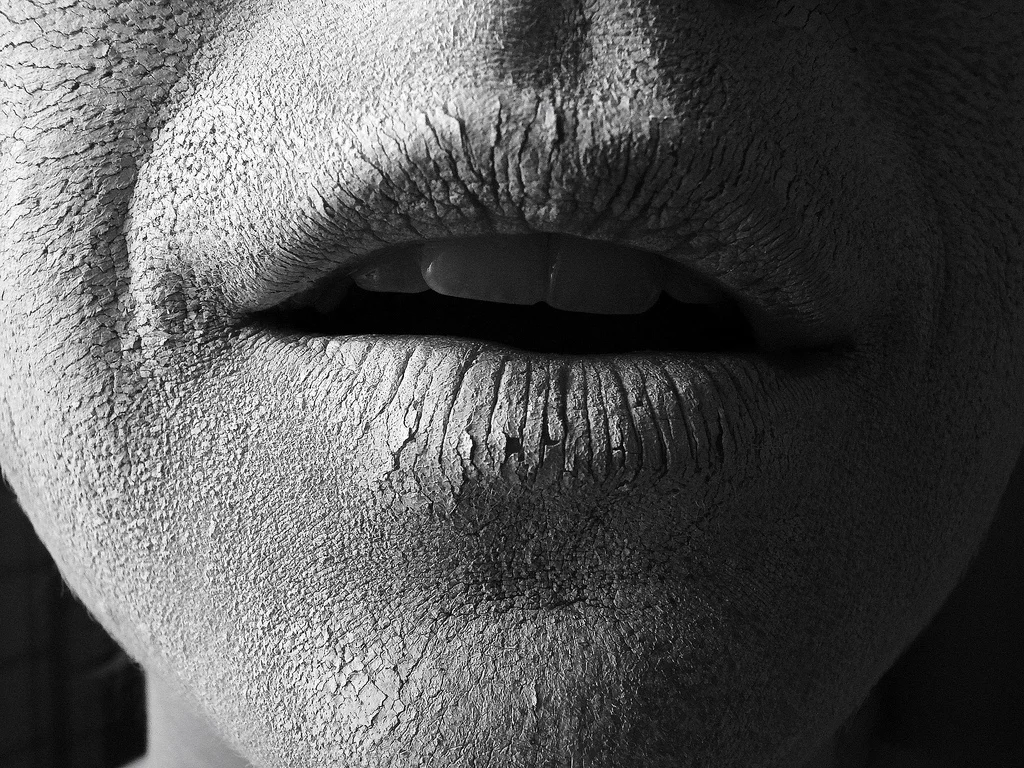
Dry mouth, also known as xerostomia, occurs when the salivary glands do not produce enough saliva, or when the quality of saliva is reduced. Saliva plays a critical role in oral health, digestion, and comfort, and reduced salivary flow can significantly affect both dental health and quality of life.
What Does Saliva Do?
Although saliva is largely water, it contains enzymes, proteins, and minerals that serve several important functions:
• Helps break down food and begin digestion
• Washes away bacteria and food debris
• Protects teeth against decay
• Maintains oral tissue health
• Supports taste and speech
• Lubricates food to aid chewing and swallowing
When saliva production decreases, these protective functions are compromised.
Symptoms of Dry Mouth
Dry mouth symptoms can vary in severity and may include:
• Persistent dryness or sticky feeling in the mouth
• Thick or stringy saliva
• Difficulty speaking, chewing, or swallowing
• Changes or loss of taste
• Problems wearing dentures
• Increased tooth decay
• Bad breath
Because saliva helps neutralize acids and control bacterial growth, chronic dry mouth significantly increases the risk of cavities and oral infections.
What Causes Dry Mouth?
Dry mouth can develop for several reasons, often involving more than one contributing factor.
Medications
The most common cause of dry mouth is medication use. Many prescription and over-the-counter drugs list dry mouth as a side effect. The risk increases as the number of medications increases.
Medications commonly associated with dry mouth include those used to treat:
• Depression and anxiety
• ADHD
• High blood pressure
• High cholesterol
• Allergies (antihistamines)
Aging
Aging itself does not directly cause dry mouth. However, as people age, they are more likely to take multiple medications, which increases the likelihood of xerostomia.
Cancer Treatment
Chemotherapy can temporarily alter salivary flow or composition, with saliva often returning after treatment ends. Radiation therapy to the head and neck can cause permanent damage to the salivary glands, leading to long-term or irreversible dry mouth.
Medical Conditions
Certain health conditions can impair salivary function. These include autoimmune diseases such as Sjögren’s syndrome. Chronic mouth breathing, snoring, and sleep apnea can also contribute to oral dryness.
Methamphetamine Use
Methamphetamine use can cause severe dry mouth and rapid tooth destruction, commonly referred to as “meth mouth.” This combination of reduced saliva, acidic environment, and poor oral hygiene can lead to extensive dental damage.
Treating Dry Mouth
While there is no universal cure for dry mouth, many strategies can help manage symptoms and reduce complications.
Over-the-counter options include artificial saliva products, rinses, sprays, and moisturizing gels designed to relieve dryness. Toothpastes and mouthwashes formulated for dry mouth can also improve comfort and reduce irritation.
Prescription medications may be appropriate in certain cases. Drugs such as pilocarpine (Salagen) or cevimeline (Evoxac) can stimulate natural saliva production and are often used in patients with conditions such as Sjögren’s syndrome.
Patients often find the most relief by combining multiple approaches, including:
• Using a moisturizing gel before bedtime
• Sucking on sugar-free lozenges to stimulate saliva
• Staying well hydrated throughout the day
Protecting Your Teeth When You Have Dry Mouth
One of the most serious complications of dry mouth is an increased risk of tooth decay. Without adequate saliva, teeth are more vulnerable to acid attack and bacterial damage.
Preventive strategies include:
• Using prescription-strength fluoride toothpaste
• Maintaining meticulous oral hygiene
• Scheduling regular dental evaluations
These measures can significantly reduce the risk of cavities and costly dental treatment.
When to Seek Evaluation
If you experience persistent dry mouth or worsening oral symptoms, professional evaluation is important. Identifying the underlying cause allows for targeted treatment and helps protect long-term oral health.
Note for our Patients: If you are currently undergoing treatment at MD Anderson or are managing multiple prescriptions from your primary care physician, please let us know. We can coordinate with your medical team to ensure your oral health is protected during your treatment.
Reviewed and updated February 2026

I'm Retiring, Should I Keep My Dental Insurance?
Retirement is exciting! Congratulations! After years of hard work, you deserve it! You've saved and you've tried hard to make good financial decisions. You only have one last decision; should you purchase dental insurance?
Retirement is exciting! Congratulations! After years of hard work, you deserve it! You've saved and you've tried hard to make good financial decisions. You only have one last decision; should you purchase dental insurance? Many of you have had dental insurance for most of your lives. When the cost is provided partially by employers, dental insurance can be a benefit to you and your family.
Now that you're retiring, signing up for dental insurance seems like the next logical step after navigating Medicare. However, make sure you look at the numbers before you take the dental insurance leap.
Let's take a look at different options for dental insurance.
DMO vs PPO
Dental Maintenance Organization (DMO) insurance plans can seem like a great option. They are inexpensive monthly and they have minimum copays at office visits. One limitation with a DMO is you have to see the dentist that you're assigned to by your dental insurance. In some cases, this removes your right to use your dental insurance benefits at the dental practice of your choice. Another limitation with DMO plans is the office tend to have a high patient volume. Both Dr. Henley and Dr. Kelly believe that exemplary dental care requires time and individualized care.
Preferred Provider Organizations (PPO) are good because they typically allow you to choose a dentist that you want to see. This is great because you can continue to see your dentist. However, when you look at the numbers, they may not add up.
“There are very few cases where self-pay dental insurance will prove to be a financial win for patients. Dental insurance companies know this and depend on it to generate revenue. ”
Cost Analysis of Self-pay Dental Insurance
As of the writing of this article the annual cost for a "middle of the road" PPO plan through Delta Dental is $511.44. (Dental for Everyone Gold Plan Delta Dental Premier) Let's consider a scenario over 5 years and consider insurance vs paying out of pocket.
Case A: Insured
Monthly Insurance Premium over 5 years = $2557.20
Annual Office Visit Copays over 5 years = $250.00
Cost of your portion of cleanings/exams/X-rays over 5 years (assume 80% coverage) = $290.00
Cost of your portion of a crown (assume 50% coverage) = $604.00
Total cost = $3701.20
It is important to understand that most dental insurances have an annual maximum that the insurance company will pay. For the plan discussed above the annual maximum is $1000.00. Once your insurance company had paid out the maximum, you are responsible for any costs thereafter. This is in contrast with most medical insurances. When you reach your maximum on most medical insurance plans, you are no longer responsible for the costs which exceed your maximum. The insurance company covers those excess costs.
Case B: Uninsured
Cost of cleanings/exams/X-rays over 5 years = $1450.00
Cost of crown = $1208.00
Total cost = $2658.00
That's a 5 year savings of $1043.20. Not to mention the piece of mind of continuing to see a dentist that you know and trust.
There are very few cases where self-pay dental insurance will prove to be a financial win for patients. Dental insurance companies know this and depend on it to generate revenue. Did you know that Delta Dental, the nation's largest dental insurance provider, posted 19.5 billion dollars in revenue for 2014?
We know that your money works best for you when it is in your pocket. We understand that dental care can be expensive. That is why Dr. Henley and Dr. Kelly are committed to providing you with the best dental care that will last you for years to come.
If you have any questions regarding dental insurance, even if we are not your dentist, please contact us at 904.398.1549
What is the Best Toothpaste? The Answer May Surprise You.
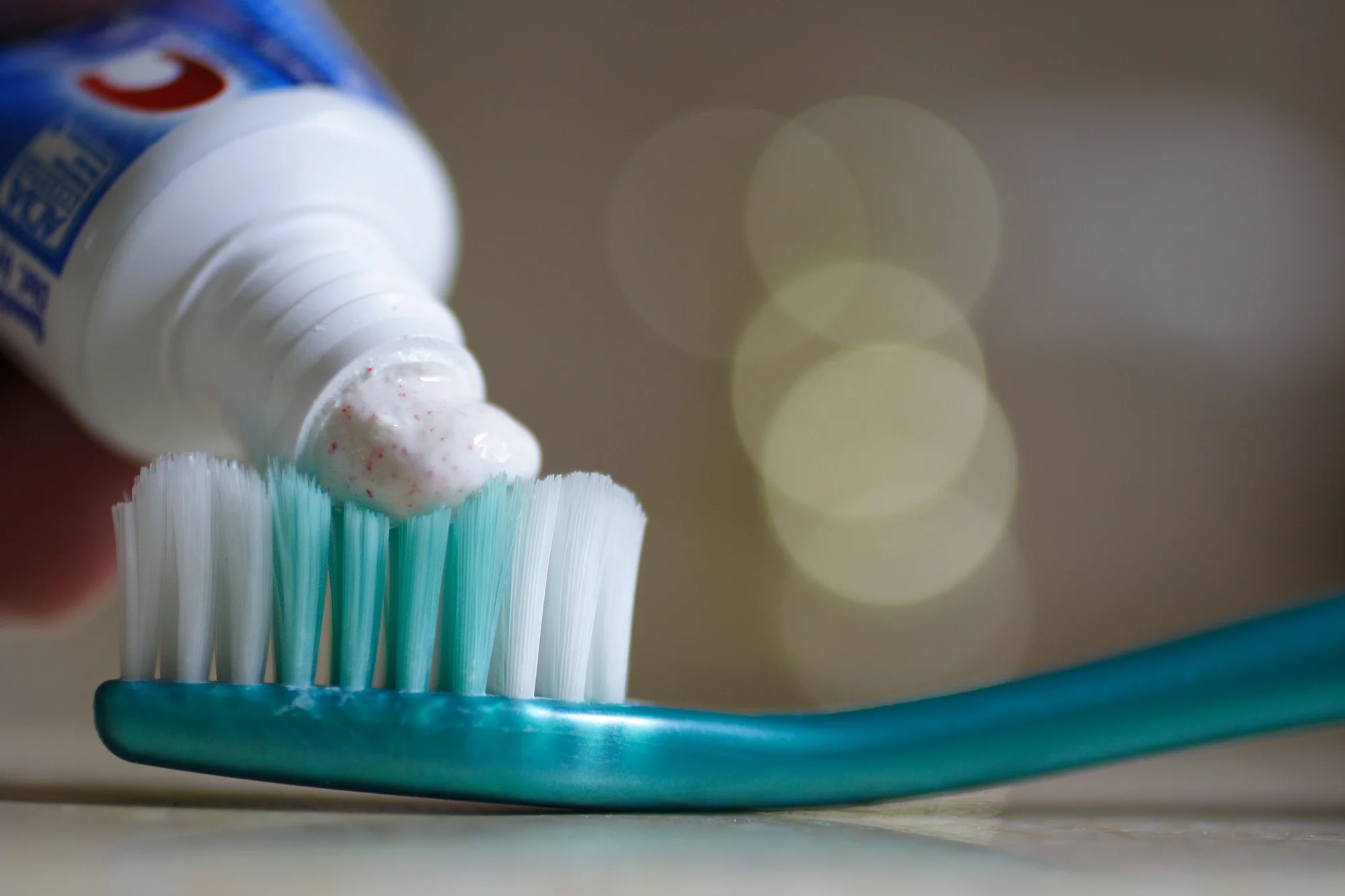
Several times a week someone asks us "What's the best toothpaste out there?" The answer may surprise you.
At our San Marco office, we get asked this question several times a week: "What is the best toothpaste out there?" To understand the answer, it helps to look at how far we’ve come. Believe it or not, your morning routine used to involve a lot more "grit."
A Brief History of the "Clean" Smile
The quest for clean teeth is ancient. The Egyptians created the world’s oldest-known formula in 4 AD using a powder of rock salt, mint, dried iris flowers, and pepper. Later, the Greeks and Romans "improved" the recipe by adding abrasives like pulverized oyster shells and bones.
The evolution continued through the centuries:
The 9th Century: Ziryab, an Iraqi polymath, invented a "pleasant-tasting" paste in Islamic Spain.
The 18th Century: Some people actually scrubbed their teeth with burnt bread!
The 19th Century: Homemade "tooth powders" made of chalk, salt, or pulverized brick were the standard until World War I.
Modern toothpaste as we know it—in a tube—wasn't invented until 1870 by Dr. Washington Sheffield. While fluoride was added in 1890, it wasn't until the 1950s that the American Dental Association (ADA) officially recognized its massive benefits as an anti-cavity agent.
What’s Actually Inside Your Tube?
Today’s toothpastes are scientifically formulated with four primary components:
Abrasives (The Scrubbers): Making up about 50% of the paste, these particles help physically remove plaque, tartar, and surface stains.
Fluoride (The Protector): This is the active ingredient that strengthens enamel. Sodium fluoride (NaF) is common, but Stannous fluoride (SnF2) is a powerhouse—it's also antibacterial and helps protect against gingivitis and sensitivity.
Detergents (The Foam): Ingredients like sodium lauryl sulfate (SLS) create the foam that helps distribute the paste into the hard-to-reach nooks and crannies of your teeth.
Specialty Agents: Ingredients like Potassium Nitrate are added specifically to desensitize the nerves in your teeth for those who struggle with cold sensitivity.
The Verdict: So, What Is the Best Toothpaste?
Ultimately, the best toothpaste is the one you will actually use twice a day! However, we do have a few professional ground rules:
1. Look for Fluoride
The vast majority of modern toothpastes contain it, and for good reason—it is your best defense against decay.
2. Avoid Heavy "Whitening" Formulas
This is where the surprise comes in. Dr. Henley generally suggest that patients avoid aggressive whitening toothpastes. These formulas often contain extra-harsh abrasives. Over the long haul, these can wear down your enamel and actually increase tooth sensitivity and yellowing as the thinner enamel reveals the dentin underneath.
3. Target Your Needs
If you have sensitive teeth, a brand like Sensodyne is highly effective at blocking the microscopic pathways to your nerves.
The Bottom Line
Brushing twice a day for two minutes is the single best thing you can do for your oral health. The "magic" isn't necessarily in the brand name, but in the consistency of the habit and the presence of fluoride.
Have questions about which specific brand is right for your unique smile? Give us a call at our San Marco office in Jacksonville. We’re always here to help you navigate the dental aisle!
Reviewed and Updated February 2026
Dr. CJ Henley is a Jacksonville-based dentist and a graduate of the University of Florida College of Dentistry. With a background on the Head and Neck Tumor Board at MD Anderson, he focuses on evidence-based care that prioritizes long-term enamel health over temporary cosmetic trends.

NEDDA New Dentist Social

NEDDA New Dentists Social
We had an amazing evening with the NEDDA new dentist social!
More than 30 of Jacksonville's best dentists and specialists attended a presentation on oral pathology by Stephanie Henley DMD, MD.
Big thanks to Charles Bond at BioHorizons and Ginger Harris at Patterson Dental for their help with this event.
We would also like to thank Rose and Amy for their help putting it all together.
April Is Oral Cancer Awareness Month
Oral Cancer screening and prevention is something that we take very seriously at Henley & Kelly. That's why we perform an oral cancer screening (OCS) on every patient, at every visit.
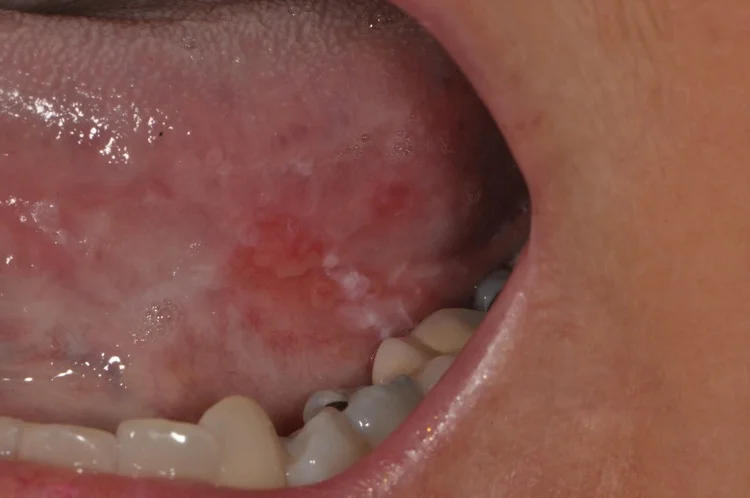
Pre-Malignant Lesion Found on the Tongue of a Non-Smoker. Photo: Dr. C.J. Henley
Oral cancer screening and prevention are taken seriously in this practice. For that reason, an oral cancer screening is performed routinely as part of comprehensive dental care — not only when symptoms are present.
Early detection matters. Many oral cancers are highly treatable when identified early, but can be far more complex once they progress. Screening is a simple step that plays an important role in long-term health.
Oral Cancer Is Changing
Historically, oral cancer was most commonly associated with tobacco and alcohol use. While those remain risk factors, they no longer account for the majority of cases.
Today, the most common cause of oropharyngeal cancer in the United States is infection with certain high-risk strains of human papillomavirus (HPV). HPV is extremely common — most sexually active adults are exposed at some point in their lives — and in the vast majority of cases, the immune system clears the virus without consequence.
It is important to understand that:
There are nearly 200 identified strains of HPV
Only a small number are associated with cancer
Most infections never lead to disease
HPV-related oral cancers are not the result of poor oral hygiene and often occur in patients with no traditional risk factors.
What an Oral Cancer Screening Involves
An oral cancer screening is a careful evaluation of the soft tissues of the mouth, tongue, throat, and surrounding structures. The goal is to identify changes that may warrant further monitoring or referral — often before symptoms develop.
Screening is non-invasive and takes only a few minutes, but it reflects a broader commitment to comprehensive, medically informed dental care.
Prevention, Awareness, and Ongoing Care
Oral health is closely connected to overall health. Staying informed, attending regular dental visits, and addressing changes early are all part of responsible long-term care.
This practice remains actively engaged in oral medicine and current research related to oral cancer, HPV, and medically complex care. Questions are always welcome, and patients are encouraged to discuss concerns openly — whether related to risk factors, screening, or symptoms.
A Thoughtful, Evidence-Based Approach
Oral cancer awareness is not about fear — it is about knowledge, vigilance, and appropriate evaluation. Routine screening is one of the many ways dentistry can support broader health goals and early intervention when it matters most.
Reviewed and updated January 2026