


Sugary Snacks and Kids' Teeth: 6 Ways to Cut Back
Everyone knows a healthy diet is essential to a healthy life, but how many know that eating right can help prevent tooth decay and gum disease?
How often your child has sugar matters as much as how much. Each sugary snack or drink feeds the bacteria that make acid, and that acid softens enamel for a while afterward. Keeping sweets to mealtimes, choosing less sticky snacks, making water the everyday drink and brushing twice a day with fluoride toothpaste go a long way. You don't need to overhaul the pantry.
1. Why does the timing of sugar matter?
Every time your child eats or drinks something sugary, mouth bacteria produce acid that attacks the enamel. A child who sips juice or grazes on snacks all afternoon gives their teeth little time to recover.
What helps: If your child is going to have a sweet, serve it with a meal. There's more saliva flowing at mealtimes, which helps rinse away sugar and neutralize acid.
2. Why are sticky snacks a problem?
Fruit leathers, gummy snacks, gummy vitamins and dried fruit cling to the grooves of the back teeth and keep feeding bacteria long after they're eaten.
What helps: Choose crunchy fruits and vegetables such as apples, carrots and celery. They're lower in sticky sugar and get saliva going. They don't replace brushing, but they leave far less behind.
3. What should kids drink?
Juice boxes and sports drinks are often sold as healthy choices, but they bathe the teeth in sugar.
What helps: Make water the default drink between meals and keep juice for mealtimes, if at all. If your child does have juice away from home, a drink of water afterward helps rinse the teeth.
A note on Jacksonville water. JEA's tap water contains fluoride that occurs naturally in the Floridan aquifer. JEA has never added fluoride, and since July 1, 2025, Florida law doesn't allow fluoride to be added to public water systems. Levels vary, and well water and other utilities are different. For most children the dependable source of fluoride is brushing twice a day with fluoride toothpaste in the right amount for their age. Read more about fluoride toothpaste and Jacksonville's water.
4. How do you spot hidden sugar?
Sugar appears on labels under many names, including high fructose corn syrup, agave nectar, maltose and dextrose. Flavored yogurts, granola bars and cereals can contain more added sugar than you'd expect.
What helps: Compare labels, and favor snacks where sugar isn't one of the first few ingredients.
5. Is cheese a good snack for teeth?
Cheese is a useful choice. It's low in sugar, it gets saliva flowing, and it contains calcium and phosphate, minerals that are part of enamel.
What helps: String cheese or a few cubes of cheddar make a good snack on their own or at the end of a meal.
6. Does it help if parents model good habits?
Yes. Children copy what they see. If they see you reaching for water and nuts instead of soda and cookies, they're more likely to do the same.
What helps: Make it a family project. Let your child help choose tooth-friendly snacks at the grocery store so they feel some ownership.
What if your child has a sweet treat while you're out?
Between school, sports and Florida heat, kids are on the go, and treats happen. If your child has something sugary at the park or around San Marco Square, have them rinse with water and brush when you get home.
Smart snack swaps
Instead of fruit gummies or fruit leather, try fresh apple slices. Less sticky sugar left on the teeth, and chewing gets saliva going.
Instead of juice boxes or sports drinks, try water. No sugar bathing the teeth between meals.
Instead of chips or crackers, try string cheese or cubed cheddar. Low in sugar and prompts saliva. Starchy snacks tend to stick in the grooves.
Where can families get advice in Jacksonville?
Our office is at 3675 Hendricks Avenue, near San Marco. For adult diet advice, read about foods that support healthy teeth. For younger children, see our parent's guide to early childhood dental problems. To ask a question, contact the office at 904-398-1549.
Sources
American Dental Association, MouthHealthy. Baby bottle tooth decay. Retrieved 2026-10-06.
JEA. Water constituents.
Florida Senate. SB 700 (2025), effective July 1, 2025. Reported by WLRN, May 6, 2025.
About the author. CJ Henley, DMD, is a general dentist in Jacksonville whose practice focuses on cosmetic and restorative dentistry, dental implants and dental care around head and neck cancer. Meet Dr. Henley.
CJ Henley, DMD, PA · 3675 Hendricks Avenue, Jacksonville, FL 32207 · 904-398-1549
Updated October 2026.

Why Does My Tooth Hurt? Six Common Patterns
Not all toothaches are the same! Depending on the symptoms, toothaches can require different treatments. Understanding these symptoms can help Dr. Henley or Dr. Kelly determine how to help you feel better, faster.
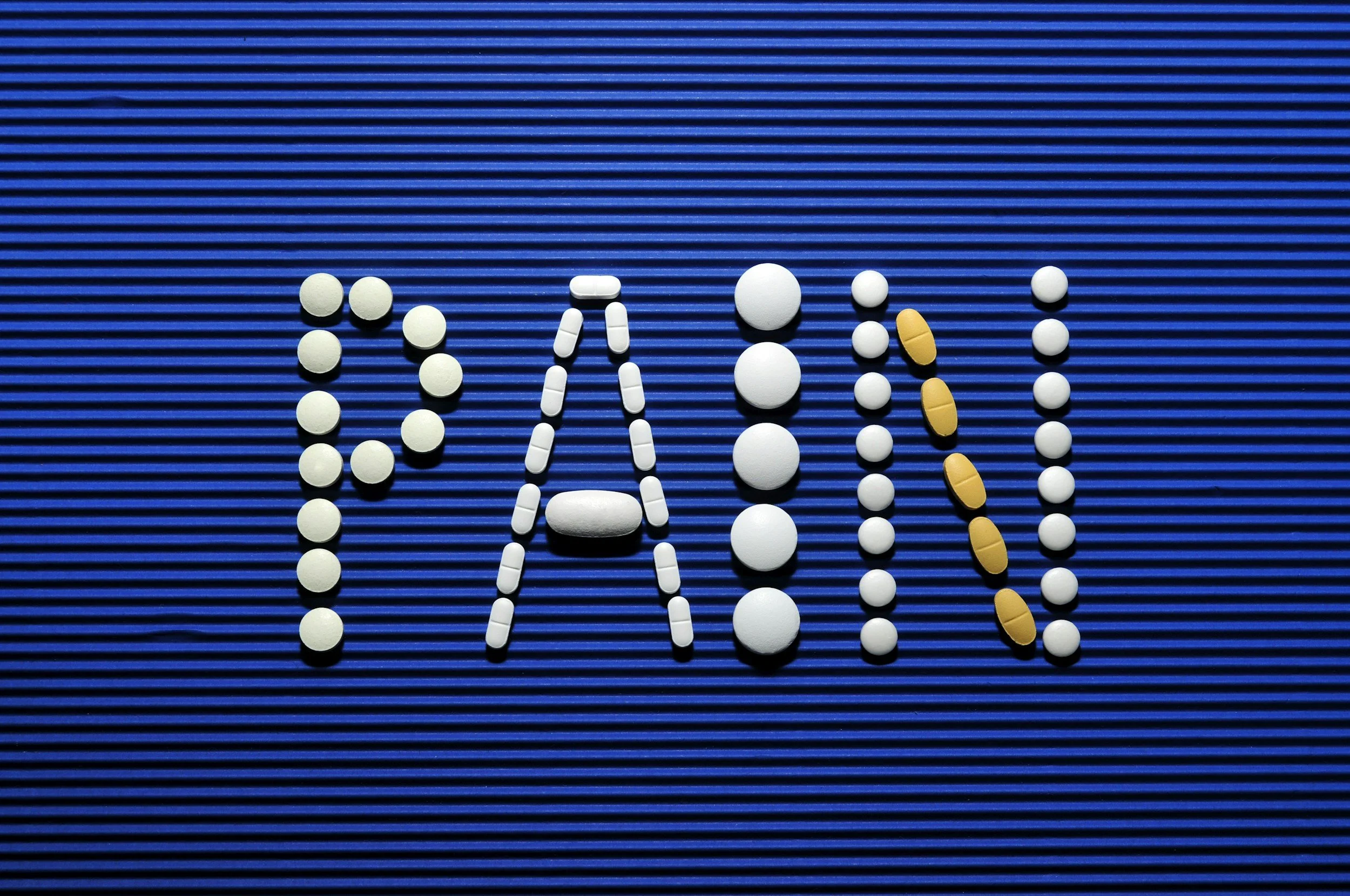
Tooth pain usually comes from decay, a crack, exposed root surfaces, an inflamed or infected nerve, a problem with a filling, or pressure from the sinuses. When the pain starts, what sets it off and how long it lasts all point toward a cause, but the pattern alone can't confirm a diagnosis. Swelling, fever or pain that keeps you up at night should be checked promptly.
Why does my tooth hurt briefly with hot or cold?
A quick zing that fades within a few seconds often comes from exposed dentin. That can happen with gum recession, worn enamel, a small cavity or a filling whose edge has started to leak. Desensitizing toothpaste often helps when the cause is exposed root surface, but it won't fix a cavity or a leaking filling. If the sensitivity keeps coming back, or one tooth stands out, have it examined. Our guide to the causes of tooth sensitivity goes through the possibilities, and foods that trigger sensitive teeth covers what to go easy on in the meantime.
Why is my tooth sensitive after dental treatment?
Fillings, crowns and cleanings can irritate the nerve for a while. Mild sensitivity to temperature after treatment is common and usually settles over days to weeks. Sensitivity that is getting worse, lingers after the cold is gone, or comes with pain on biting should be looked at, because the bite may need adjusting or the nerve may be more irritated than expected. Read more about tooth pain after a filling.
Why does my tooth hurt when I bite or chew?
Pain on biting can come from a cracked tooth, a loose or high filling, decay, or inflammation around the root tip. A crack often causes a sharp pain when you bite down or release, sometimes only on one cusp. This pattern deserves a prompt visit. Depending on the cause, the answer may be a bite adjustment, a crown to hold a cracked tooth together, or root canal treatment if the nerve is involved.
What does lingering pain after hot or cold mean?
Pain that hangs on for more than about 30 seconds after the cold or heat is gone suggests the nerve inside the tooth is inflamed and may not recover. Pain that wakes you up or throbs on its own points the same way. This usually needs root canal treatment or, in some cases, removal of the tooth. Seeing a dentist early gives you more options.
Is severe tooth pain with swelling urgent?
Yes. Constant, severe pain with swelling of the gum or face, a bad taste or tenderness to touch usually means an infection at the root of the tooth, and the nerve may already have died. Treatment depends on the diagnosis and may include draining the infection, root canal treatment or extraction. Antibiotics help in some situations, but they don't remove the source of the infection. Don't wait for a dental infection to settle on its own. See our page on dental emergencies for what to do while you arrange care.
Can sinus pressure feel like a toothache?
It can. The roots of the upper back teeth sit just below the maxillary sinuses, so sinus inflammation can feel like a dull ache in several upper teeth at once, often worse when you bend forward. Our article on sinus infections and tooth pain explains how to tell the difference. An examination and X-rays can show whether a tooth is involved before you treat it as a sinus problem.
When should I go to the emergency room instead?
Trouble breathing or swallowing, swelling that is spreading quickly in the face or neck, or a high fever with facial swelling needs emergency medical care. Call 911 or go to an emergency department rather than waiting for a dental appointment.
Where can I have tooth pain checked in Jacksonville?
Call our office at 904-398-1549 or contact us and tell us when the pain started, what triggers it, how long it lasts and whether there is swelling. When someone is in pain, we try to see them the same day if we can. At the visit, a comprehensive dental examination with the right X-rays connects the pattern you describe with what is actually happening in the tooth.
Sources
American Association of Endodontists. Tooth pain. Accessed October 6, 2026.
American Dental Association, MouthHealthy. Sensitive teeth. Accessed October 6, 2026.
Craig JR, et al. Diagnosing odontogenic sinusitis: an international multidisciplinary consensus statement. Int Forum Allergy Rhinol. 2021;11(8):1235-1248. doi:10.1002/alr.22777 (retrieved via PubMed)
About the author. CJ Henley, DMD, is a general dentist in Jacksonville whose practice focuses on cosmetic and restorative dentistry, dental implants and dental care around head and neck cancer. Meet Dr. Henley.
CJ Henley, DMD, PA · 3675 Hendricks Avenue, Jacksonville, FL 32207 · 904-398-1549
Updated October 2026.