

Before & After
Smile transformations in Jacksonville, FL
Real patients. Real results. Every case below was planned and completed by Dr. CJ Henley and his team in San Marco. Drag the slider on any photo to compare.
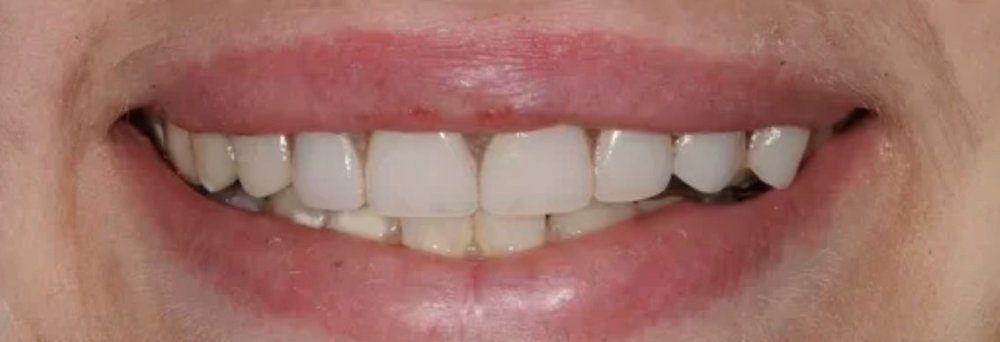
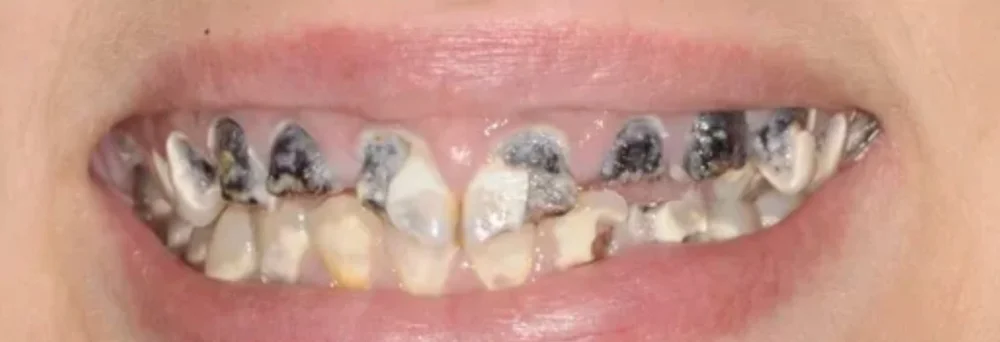
Ready for the Navy: a healthy smile on a budget
Soda-related decay kept this patient from applying to the Navy. Four visits later, she had a healthy, natural-looking smile, and she has since completed boot camp.
This patient came to our Jacksonville office with widespread tooth decay caused by years of drinking soda. Her dental health was keeping her from applying to the U.S. Navy, and she needed a plan that could be completed quickly and fit her budget.
Over about four visits, we removed the teeth that could not be saved, rebuilt the remaining teeth with tooth-colored composite restorations, and replaced the missing teeth with a Valplast partial denture. Valplast is a flexible, metal-free partial that blends in with the gums, so it looks natural when she smiles.
She went on to successfully complete boot camp and is now serving in the Navy.
This case is a good reminder that beautiful dentistry does not always mean the most expensive option. With careful planning and the right materials, affordable dental care can still restore health, function, and confidence.
Related: General & family dentistry · New patients
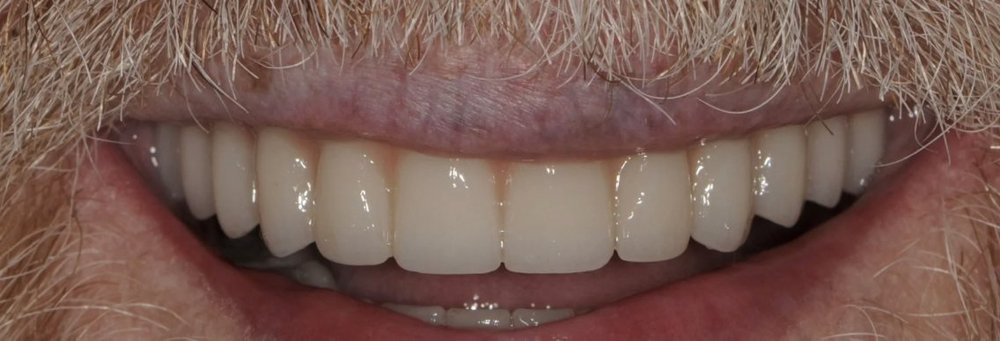
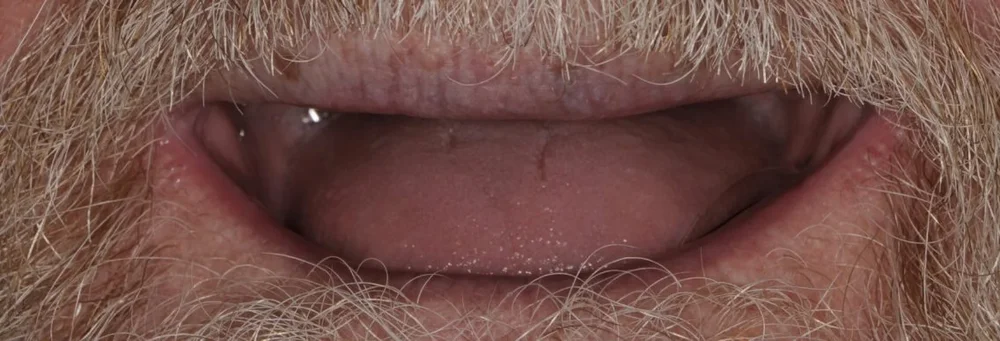
All-on-X full-arch implants with zirconia hybrids
Six implants in each jaw support fixed, full zirconia hybrid bridges, so this patient's new teeth stay in place.
This patient came to us with no upper teeth. We restored both the upper and lower arches with All-on-X full-arch dental implants, placing six implants in each jaw to support a fixed hybrid bridge. Implant placement was planned digitally with 3D cone beam imaging and a surgical guide, so each implant went exactly where the final teeth needed support.
Unlike a removable denture, a hybrid denture is screwed onto the implants and stays in place. There is no adhesive, no plate covering the roof of the mouth, and no worrying about teeth shifting while eating or talking.
Both hybrids are made from full zirconia. Monolithic zirconia is extremely strong and resists chipping and staining, which matters for a full-arch restoration that has to handle the bite forces of an entire mouth.
Related: How do dental implants work?
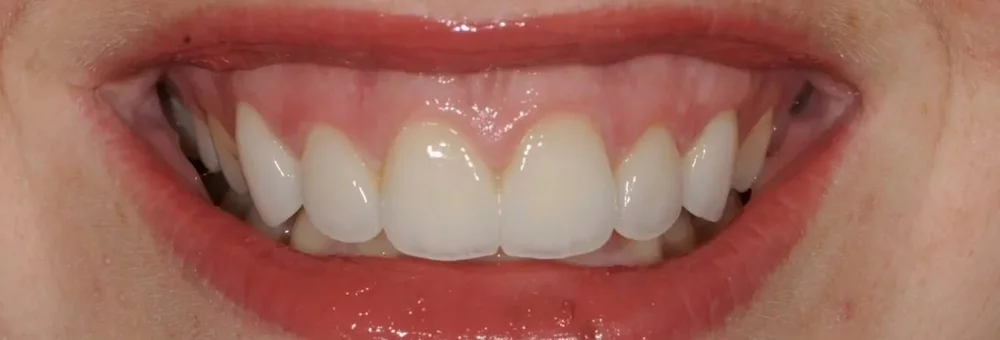
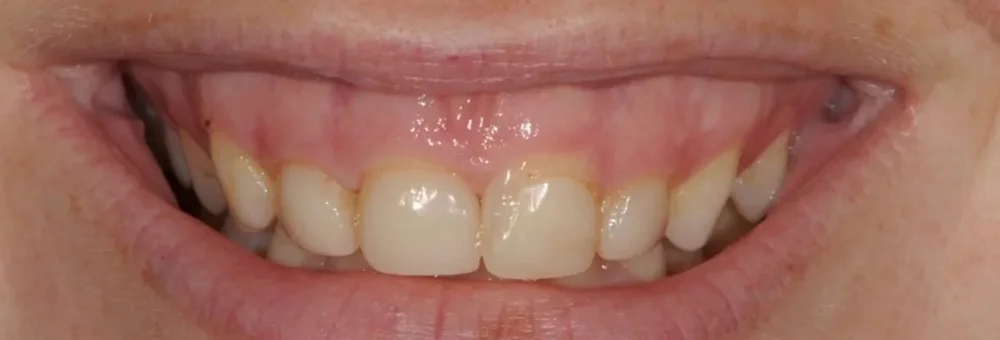
Gummy smile correction with laser and e.max
A diode laser reshaped the gumline first, then layered e.max restorations improved tooth shape, color, and proportion.
This smile makeover combined diode laser crown lengthening with layered e.max restorations to improve both gum display and tooth proportions. The front teeth were crown lengthened with a diode laser to reduce the appearance of a “gummy” smile and create a more balanced frame for the final restorations.
Once the gumline was improved, e.max restorations were used to enhance the shape, color, and overall harmony of the smile. E.max works well for highly esthetic front teeth because it allows natural light transmission, layering effects, and subtle translucency at the biting edges.
Notice the detail in the final restorations: the layered ceramic creates depth, while the translucent edges keep the teeth from looking flat or opaque. Those small details are what make a smile makeover look lifelike.
Related: Smile design vs. orthodontics
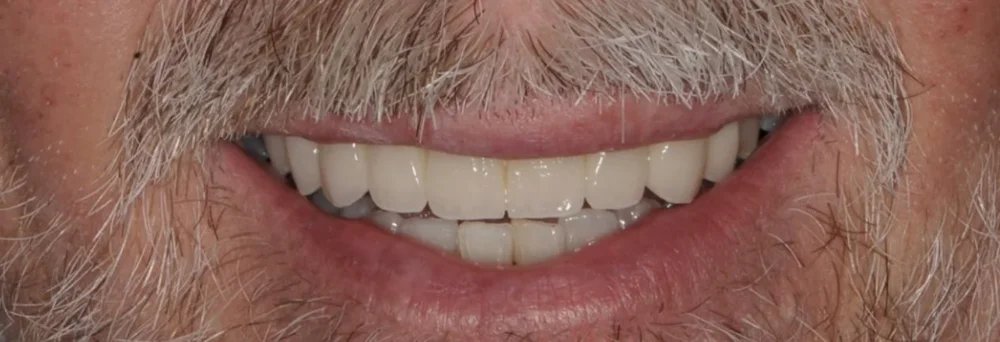
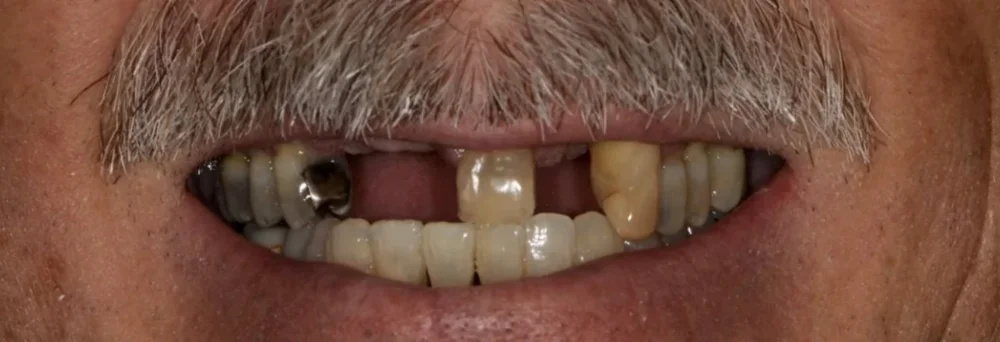
A fixed bridge after head and neck radiation: 10 years later
Radiation ruled out extractions and implants for this cancer survivor. A long-span PFZ bridge replaced the missing teeth, and it is still in perfect condition a decade later.
This patient was treated at MD Anderson for tonsillar cancer, including radiation to the head and neck. Radiation changes how the jawbone heals, which makes extractions and dental implants risky for head and neck cancer survivors, so we planned his treatment around avoiding both.
Instead, we stabilized the gums with careful periodontal care and prepared the remaining teeth to support a long-span porcelain-fused-to-zirconia (PFZ) fixed bridge. Long bridges in post-radiation patients leave very little room for error, so the bite was refined with exceptional precision.
Ten years later, the bridge is still in perfect condition. This is what biologically respectful, long-term planning can achieve in medically complex dental care.
Read the full case study for the complete treatment details.
Related: Oral cancer screening · Crowns and bridges
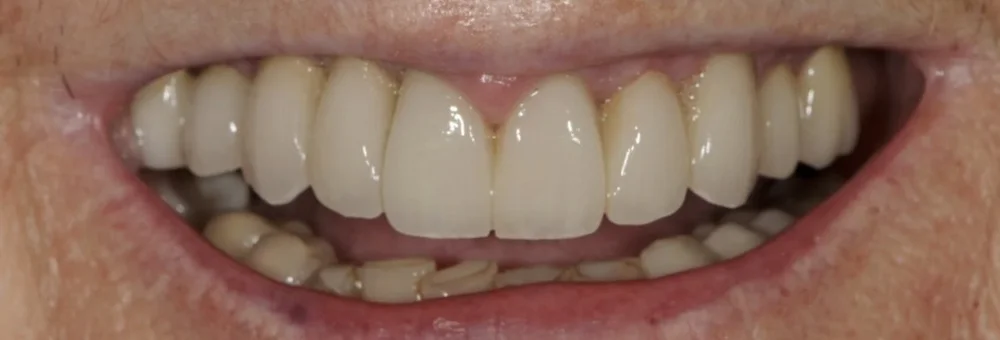
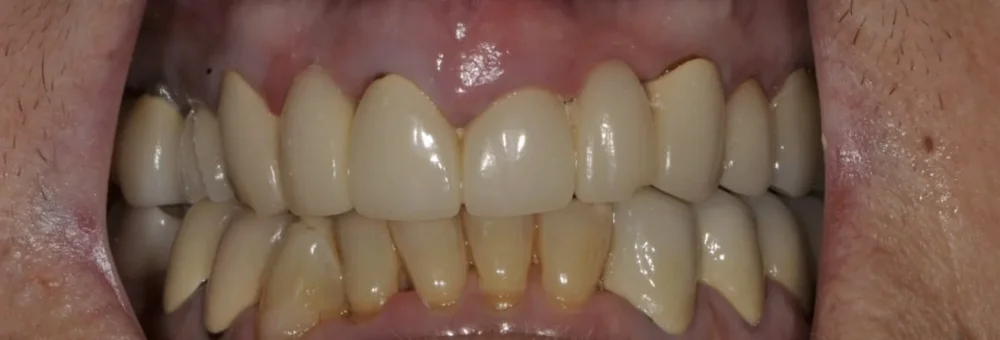
Replacing failed crowns and bridges with implants and PFZ
Several failing crowns and bridges were removed and replaced with implants, laser gum contouring, and new porcelain-fused-to-zirconia restorations.
This patient came to us with several failed crowns and bridges and a lot of previous dental work that was breaking down. Rather than patching individual problems, we planned a complete rehabilitation of the upper arch.
First, the failing restorations were removed. Where teeth could not be saved, we placed dental implants to give the new restorations a stable foundation.
Next, we used laser gum contouring to reshape the gumline and improve the shape and length of the teeth, the same approach used in our gummy smile case. A healthy, even gumline is what makes new restorations look like they belong.
Finally, the smile was restored with porcelain-fused-to-zirconia (PFZ) bridges and dental crowns, combining the strength of a zirconia core with the natural look of layered porcelain.
Related: Complex dental care · What to expect at a crown appointment
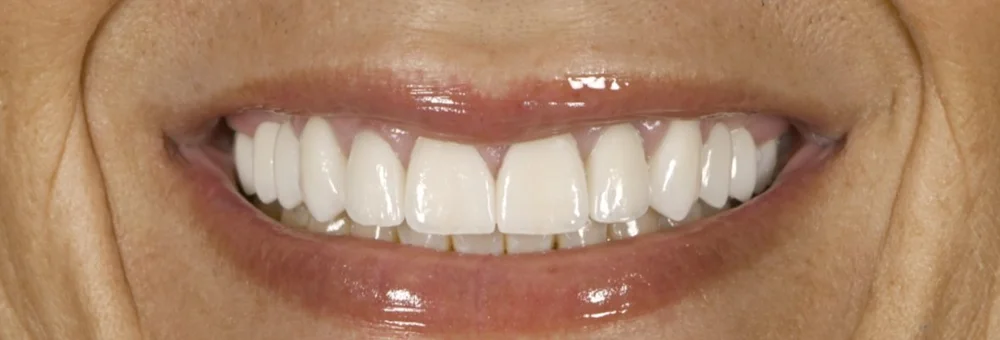
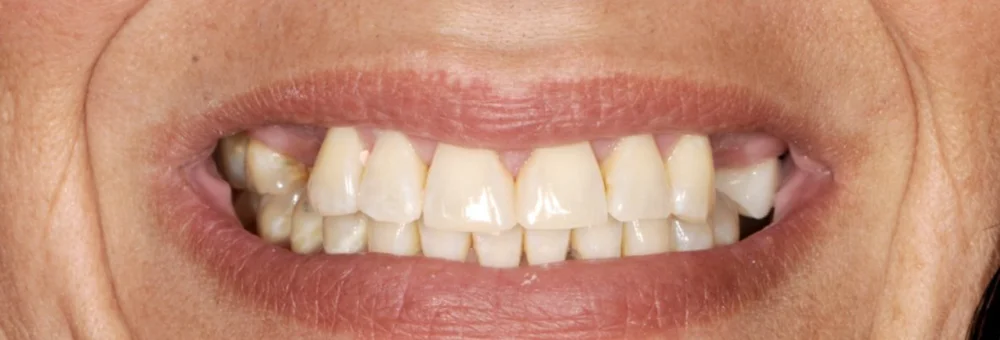
Full zirconia smile restoration
Built for strength under heavy bite forces, with surface texture and anatomy that keep zirconia looking natural.
This smile restoration was designed for strength, function, and long-term durability. With heavy bite forces or a higher risk of fracture, materials like e.max or layered zirconia are not always the best choice, because they can be more prone to chipping under stress. Full-contour zirconia provides that strength while still allowing a beautiful, natural-looking result.
The key to realistic zirconia crowns is in the details. Notice the secondary anatomy, subtle surface texture, line angles, embrasures, and natural contours that help the teeth reflect light like real enamel. The patient also wears a custom night guard to protect the new crowns.
Related: Cosmetic dentistry · What to expect at a crown appointment
Beyond rebonding: laser gum contouring and e.max
She was told she only needed new bonding, but her teeth were too short. Laser gum contouring and layered e.max created a realistic, natural-looking smile.
This patient had been told she simply needed to redo the composite bonding on her front teeth. The real problem was clinical crown length: too much of each tooth was covered by gum tissue, so the teeth looked short and new bonding alone would not have fixed the proportions of her smile.
We started with a laser gingivectomy to reshape the gumline and expose more of each tooth. She wore temporary restorations while the gums healed, which let the tissue settle into its final position before we finalized the restorations.
This case shows what e.max restorations do especially well. Look closely at the secondary anatomy, the subtle surface texture that catches light the way natural enamel does, and the translucent incisal edges. Those details are what make a smile makeover look realistic instead of flat or artificial.
Related: What makes a truly beautiful smile
Graduation-ready: e.max veneers and crowns after childhood trauma
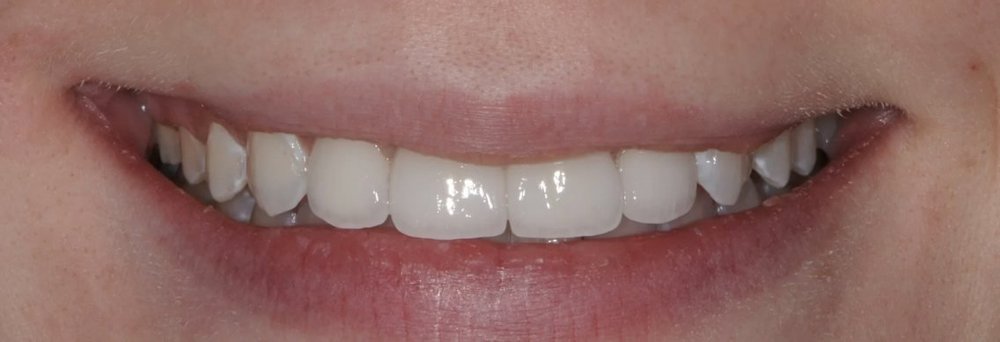
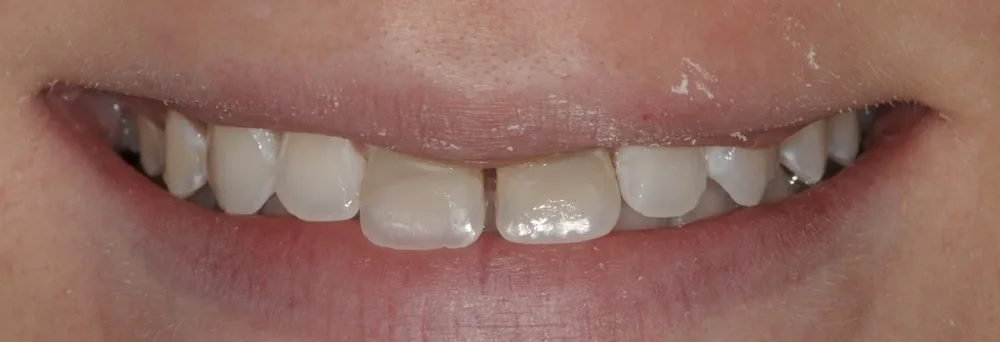
Front teeth damaged in childhood, a gap, and mismatched color, restored with e.max crowns and veneers just in time for graduation.
This patient had dental trauma as a child that left her front teeth discolored and mismatched, with a gap between them. She had graduation coming up and wanted a smile she felt confident about in photos.
We restored the two front teeth with e.max crowns and the teeth beside them with e.max porcelain veneers. Using the same material for both lets the color and translucency match across the whole smile, even though the teeth needed different levels of restoration. The new restorations also closed the gap between the front teeth.
This case highlights how light reflects off a well-made restoration. The secondary anatomy (the small ridges, grooves, and surface texture on each tooth) breaks up and scatters light the way natural enamel does. Without it, even a perfectly shaped tooth can look flat. You can see the same attention to detail in our laser and e.max case.
Related: Cosmetic dentistry
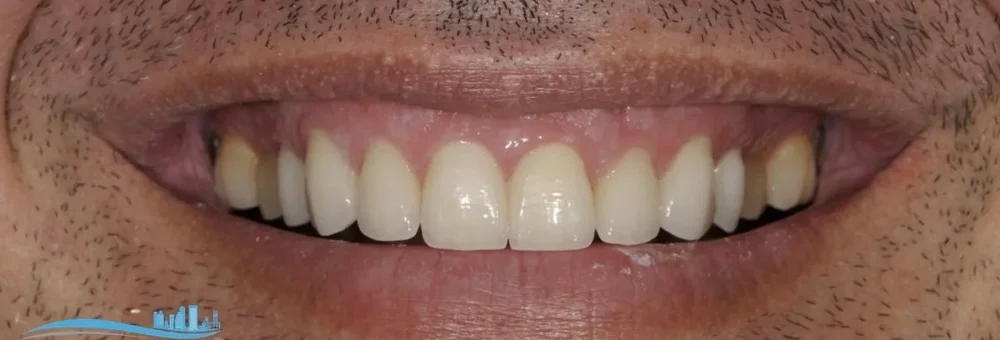
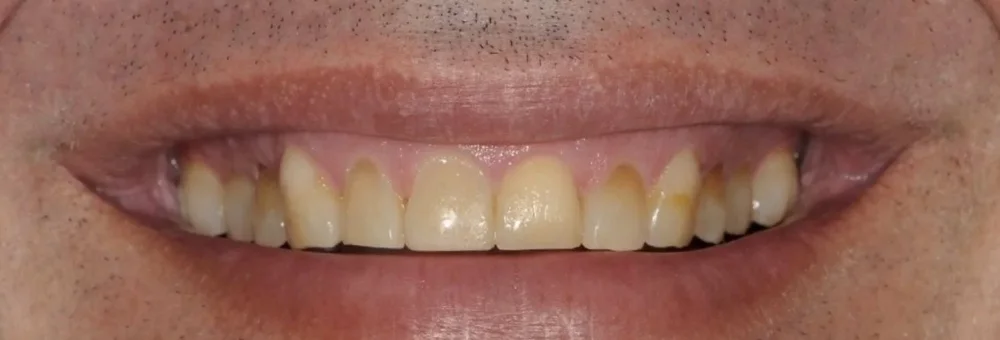
Rebuilding teeth worn down by grinding
Years of grinding had worn these teeth short and uneven. Porcelain-fused-to-zirconia restorations rebuilt their length, shape, and color.
This patient's teeth were worn down by attrition, the gradual loss of tooth structure caused by teeth grinding. Over time, grinding had shortened the teeth, flattened their edges, and exposed the darker, yellower layer underneath the enamel.
We rebuilt the worn teeth with porcelain-fused-to-zirconia (PFZ) restorations. The zirconia core gives each restoration the strength to stand up to heavy bite forces, while the layered porcelain restores natural color and shape. The result is longer, brighter, more even teeth that bring back the proportions of a healthy smile. To protect the new restorations, the patient wears a custom night guard while sleeping.
Tooth wear from grinding is common and often goes unnoticed until the damage is significant. If your teeth look shorter than they used to, a comprehensive dental exam can show how much wear has happened and how to protect what remains.
Related: What is bruxism? · Crowns and bridges
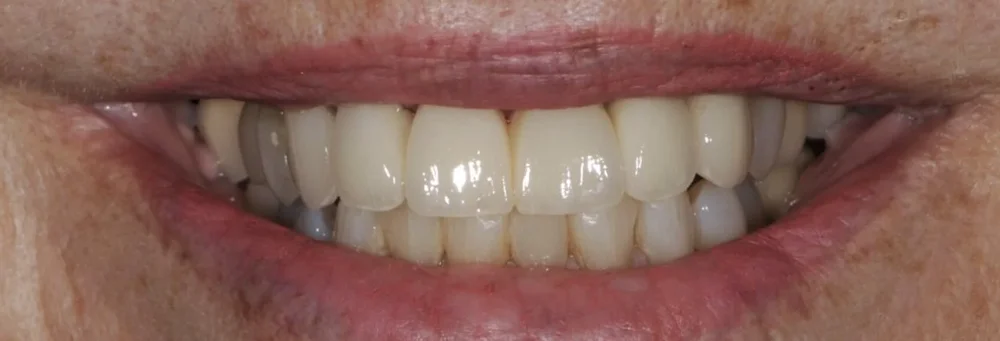
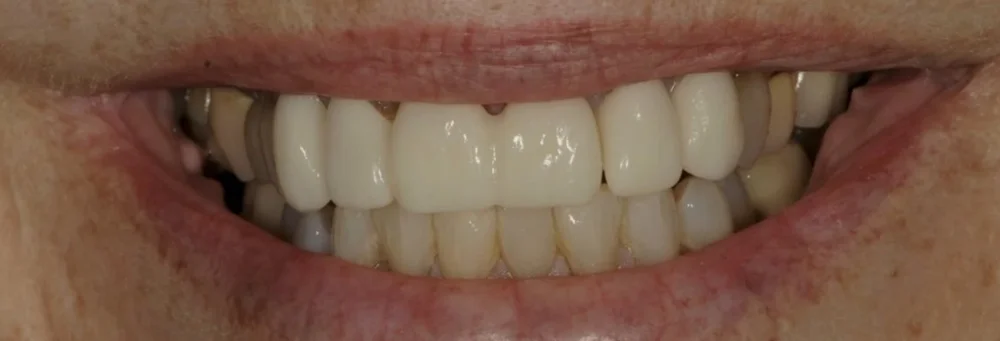
Told it couldn't look better: a second-opinion redo
She was told her front restorations couldn't be improved. Better emergence, translucency, surface detail, and connections between the teeth proved otherwise.
This patient came to us unhappy with the front restorations she had received elsewhere, which looked bulky and opaque. She had been told that no one could make them look any better. We disagreed.
We replaced them with a new porcelain-fused-to-zirconia (PFZ) dental bridge, paying close attention to four details that separate natural-looking dentistry from restorations that look obviously artificial:
Emergence. How each tooth rises out of the gums. Bulky restorations push the gumline and look thick; a natural emergence profile lets each tooth grow out of the tissue the way a real tooth does.
Translucency. Natural enamel lets some light pass through, especially near the edges. The original restorations were opaque and flat; the new ones have depth.
Secondary anatomy. The fine ridges and surface texture that scatter light like real enamel.
Connections between the teeth. Where restorations join, the shape of the contact areas and the small spaces between the teeth determine whether they read as individual teeth or one solid block.
If you have been told your smile is as good as it can get, a second-opinion exam can show what is actually possible. See more cosmetic dentistry options.
Related: What makes a truly beautiful smile
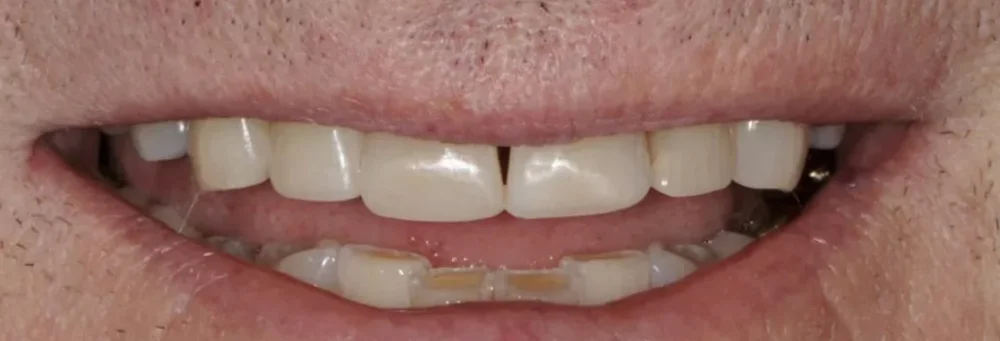
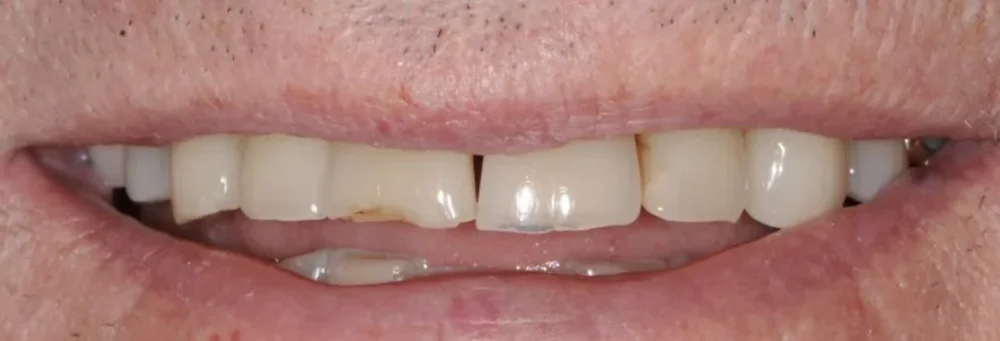
Simple bonding and smoothing for a younger-looking smile
No crowns or veneers needed. Bonding the chips and rounding the worn corners made these teeth look new again.
Not every great result needs complicated dentistry. This patient had chipped, worn front teeth, and the fix was simple: composite bonding to repair the chips, then smoothing and reshaping the edges.
Here is a detail most people never notice: what makes teeth look old is the squaring of the corners. As teeth wear, their naturally rounded corners flatten into hard, square edges. Rounding those corners back out instantly gives the smile a more youthful appearance.
Bonding is done in a single visit, preserves natural tooth structure, and costs far less than veneers or crowns. Like our Navy case, it shows that beautiful cosmetic dentistry does not have to be complicated or expensive.
Related: General & family dentistry
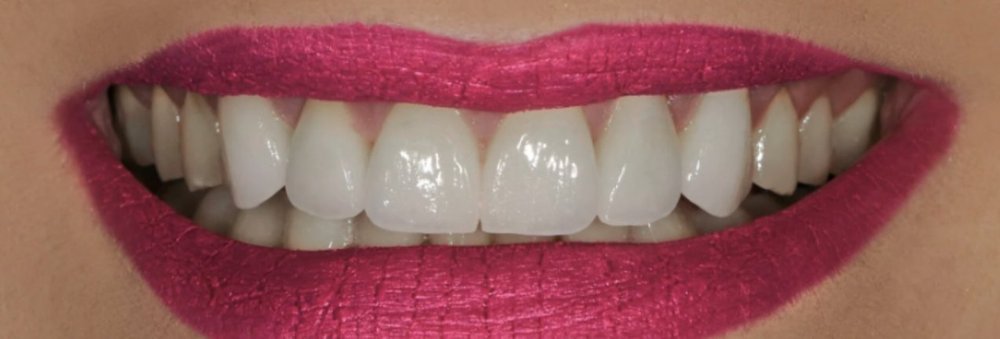
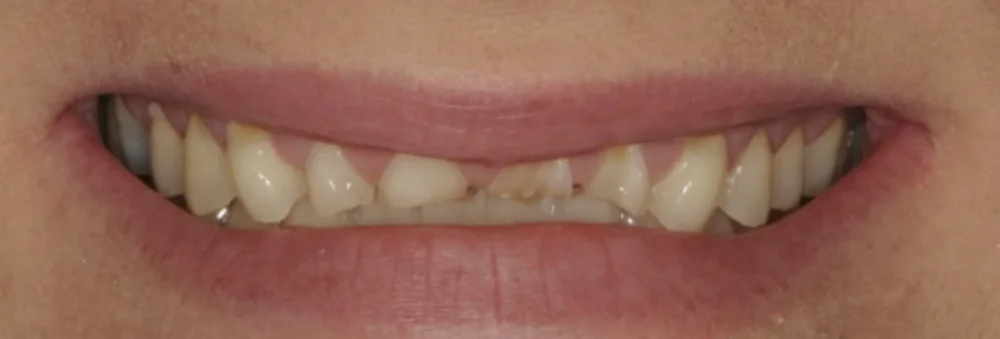
Saving severely eroded front teeth without implants
She was told extraction and implants were her only option. Orthodontics first, then e.max crowns, saved every tooth.
This patient had severe acid erosion that had worn her upper front teeth short and thin. She had been told that her only option was to remove the teeth and replace them with dental implants or a bridge.
The teeth were badly eroded, but they were still restorable. Rather than extracting them, we used orthodontics first to create proper space and proportions, then restored the teeth with layered e.max crowns. Keeping the natural teeth also preserved her natural gumline, which is very difficult to recreate around implants in the front of the mouth.
Every tooth was saved. Read the full case study for the complete treatment details.
Related: Cosmetic dentistry · Smile design vs. orthodontics
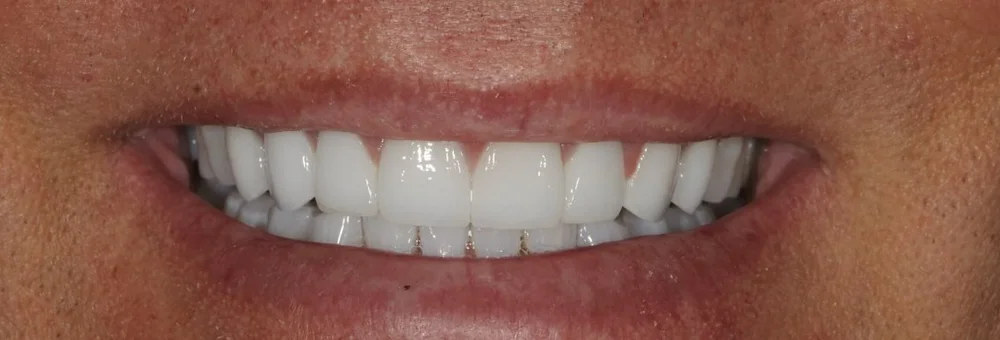
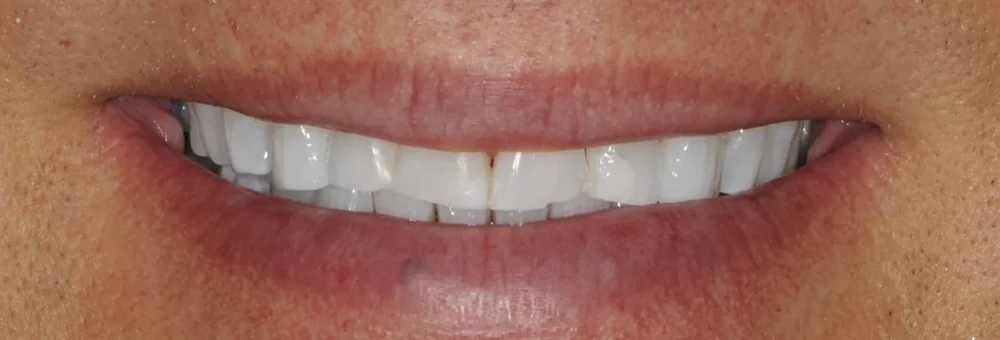
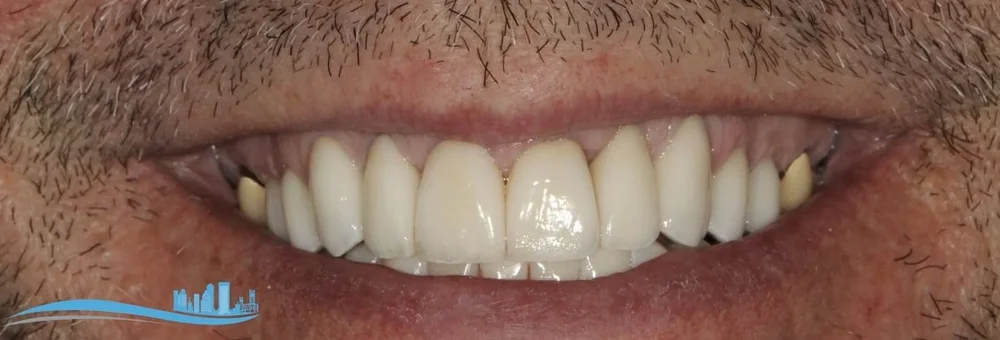
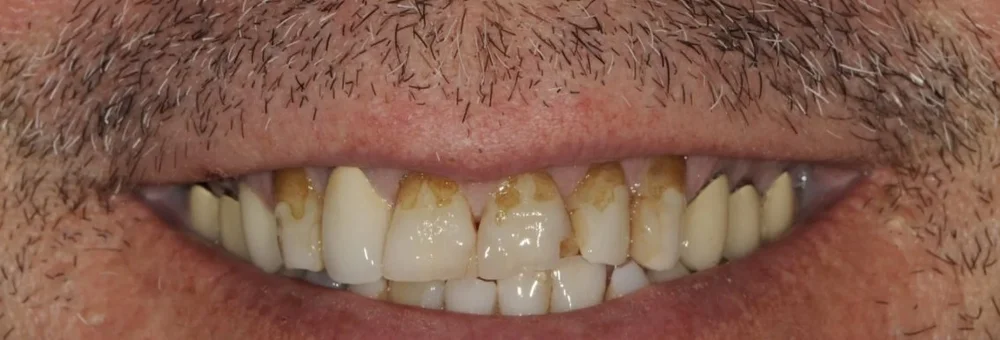
Restoring an upper arch worn down by bruxism
Significant grinding had flattened every upper tooth. Full and three-quarter crowns rebuilt the whole arch to a fuller, more even smile.
Significant bruxism (clenching and grinding) had worn this patient's upper teeth flat and uneven. The teeth were still fairly white, but they had lost their length and shape, which made the smile look narrow and tired.
Because the wear affected the whole arch, we restored all of the upper teeth together using a combination of full dental crowns and three-quarter crowns, all made from porcelain-fused-to-zirconia (PFZ) for strength against heavy bite forces. A three-quarter crown covers most of the tooth but leaves part of the healthy natural tooth in place, so we only removed as much tooth structure as each tooth actually needed.
Restoring the full arch at once let us rebuild the length, shape, and bite of every tooth so they work together, and a custom night guard now protects them from nighttime grinding. Grinding is one of the most common causes of tooth wear we see. Compare this result with another grinding case, also restored with PFZ.
Related: What is bruxism? · What to expect at a crown appointment
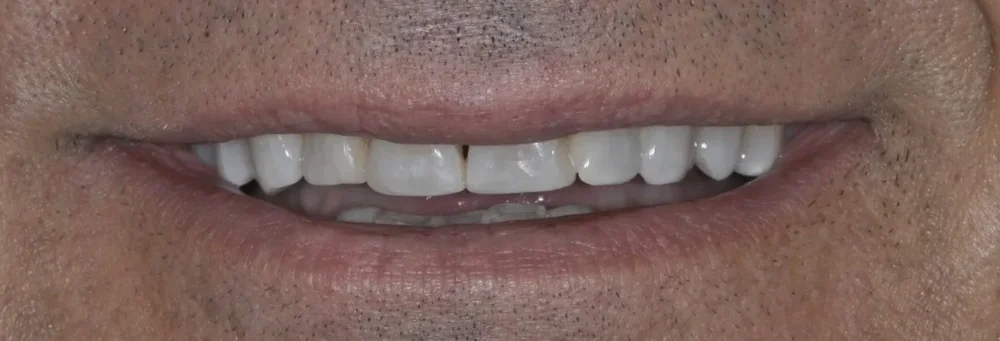
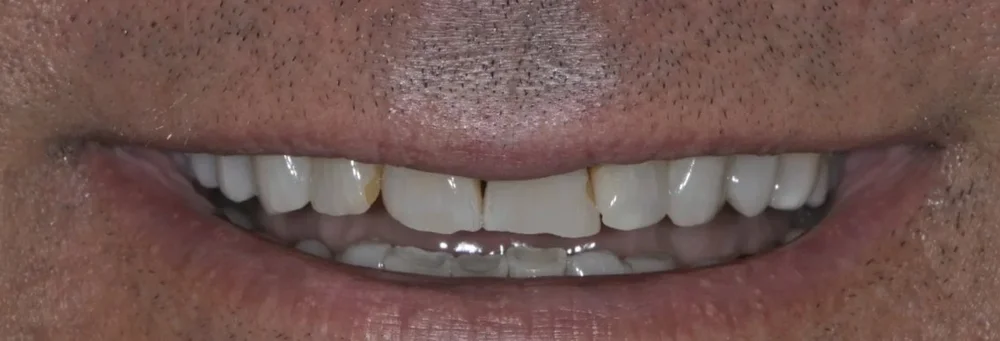
Fixing chipped front teeth with bonding
Chips along the edges of the upper front teeth repaired with tooth-colored bonding for an even, natural smile line.
This patient had chips along the biting edges of the upper front teeth, leaving the smile line uneven. We repaired them with tooth-colored composite bonding, matching the color of the natural teeth and sculpting the edges back to an even line.
Chipped teeth are one of the most common cosmetic concerns we treat, and bonding is often the most conservative fix. Little or no natural tooth structure needs to be removed, and small chips can usually be repaired in a single visit.
For another example of how far simple bonding can go, see this bonding and recontouring case, or explore more cosmetic dentistry options.
Related: General & family dentistry
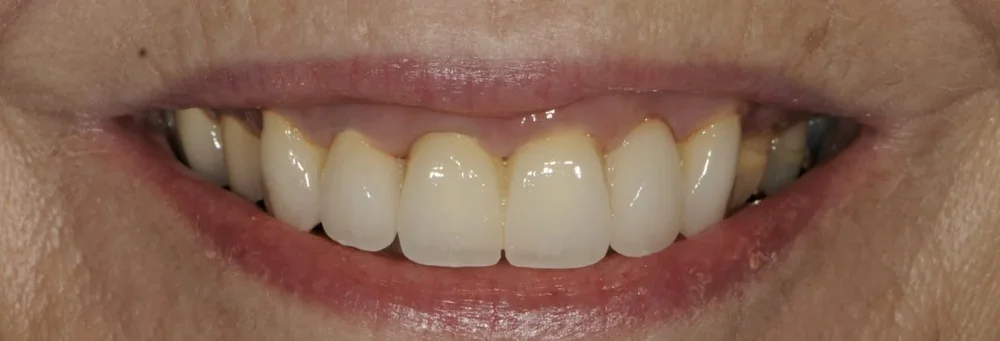
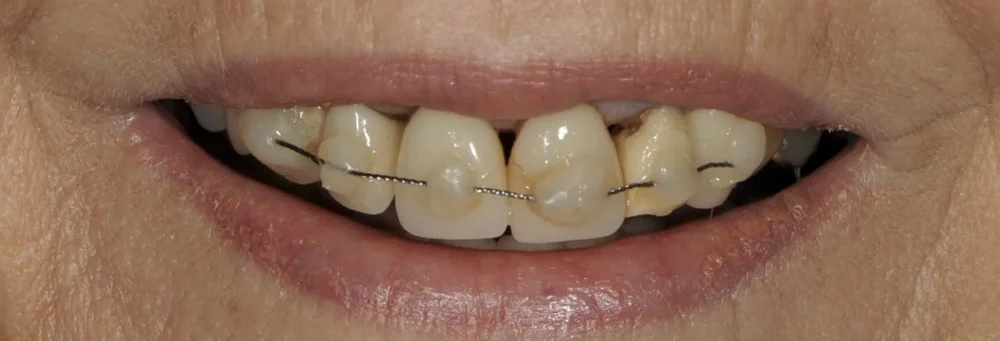
Rebuilding the front teeth after a fall
A fall left this patient's four upper front teeth damaged beyond repair. We removed them and restored the smile with a fixed bridge.
This patient fell and injured the upper front teeth. When we saw them, the four front teeth were held together with a wire splint and were too badly damaged to save.
We removed the four front teeth and replaced them with a fixed porcelain-fused-to-zirconia (PFZ) dental bridge supported by the neighboring teeth. A bridge is cemented in place, so it looks and functions like natural teeth with nothing to take in and out.
Dental injuries from falls are more common than most people think. If you have chipped, loosened, or broken teeth after an accident, a prompt dental exam is the best way to find out which teeth can be saved and what your options are. For another long-lasting bridge, see our 10-year post-radiation case.
Related: Dental implants · General & family dentistry
Wondering what’s possible for your smile?
Every treatment plan starts with a conversation and a careful exam. Dr. Henley will walk you through your options, including what each one involves and how long it lasts.
“This dental practice is outstanding. Doctor Henley provides the highest quality dental care and are perfectionists in their work. Pamela Jensen is the best dental hygienist you will ever find. The entire office is friendly, caring and entirely patient-focused. I have been a patient for over 20 years and can honestly say that you could not find a better practice to care for your dental health.”
Clinical content reviewed by CJ Henley, DMD, October 2026. Photos show real patients of CJ Henley, DMD. Individual results vary.