


What Toothpaste Do Dentists Use? My Personal Picks
Jacksonville dentist Dr. CJ Henley, DMD shares what dentists actually use at home. Learn how to choose the best toothpaste for sensitivity, whitening, and long-term oral health.
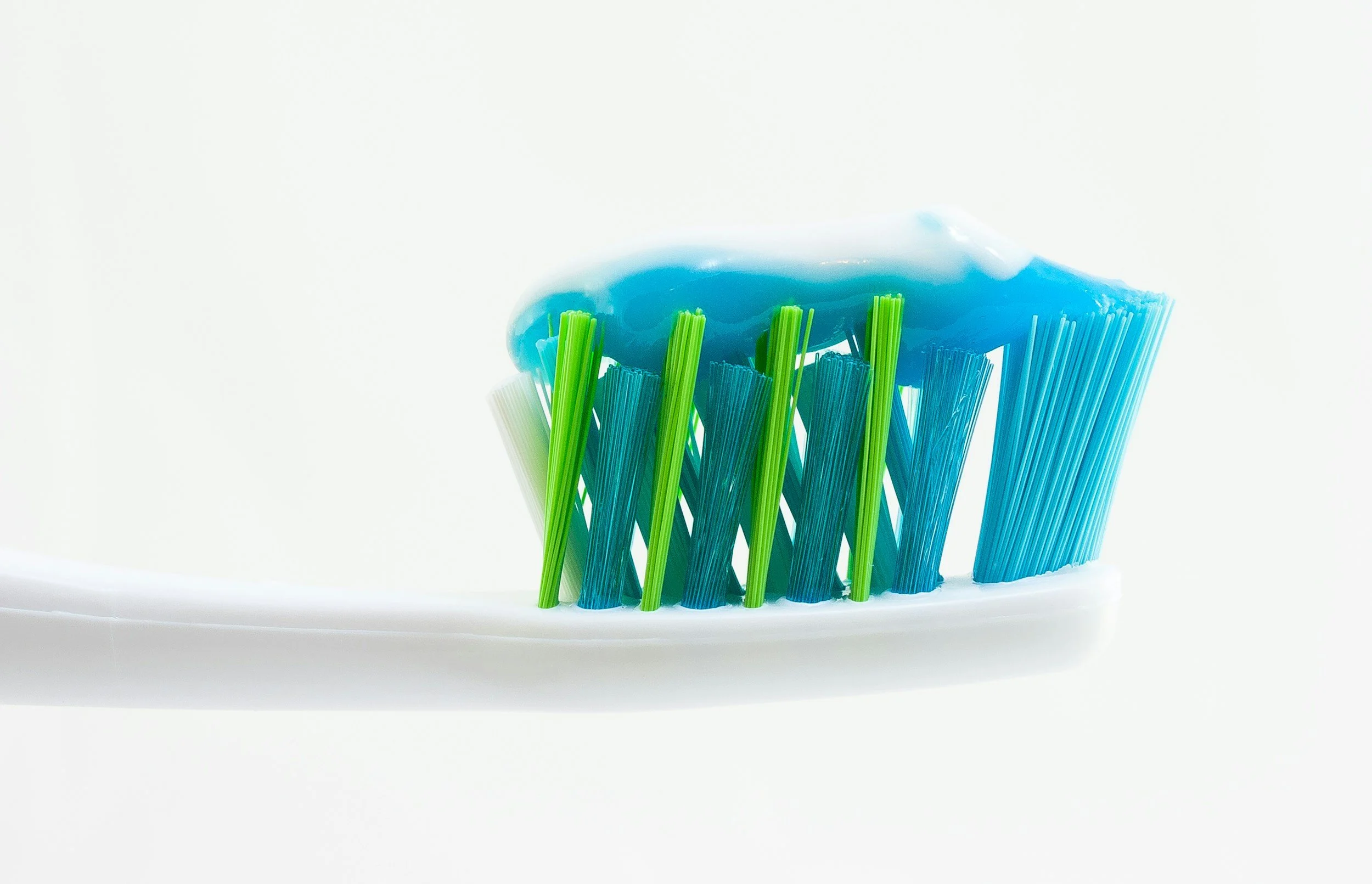
At home I use a fluoride toothpaste with low abrasion, and I switch to a desensitizing fluoride toothpaste when my teeth are sensitive. That's what I recommend for most adults too. The brand matters less than three things: fluoride, gentle abrasives and an active ingredient that fits your needs. For the full ingredient breakdown, see our toothpaste guide. This post is the short, personal version.
Is there one perfect toothpaste?
No. The right choice depends on your mouth: your enamel, your diet, your habits and your medical history. Toothpaste matters more than most people think, though. The right one can reduce sensitivity, help prevent cavities and protect dental work over the years.
What do I look for on the label?
Fluoride. This is the ingredient I won't skip. It strengthens enamel and can help reverse early decay before a cavity forms. Sodium fluoride and stannous fluoride are both good choices.
Low abrasiveness. Abrasives remove surface stains, but they can also wear enamel, exposed roots and restorations. My own rule of thumb is to stay under about 100 on the RDA scale (relative dentin abrasivity) for most people. Most labels don't list RDA, so I usually point patients toward pastes made for sensitive teeth or enamel protection, which tend to be gentler.
An active ingredient for your need. Potassium nitrate helps with sensitivity. Stannous fluoride helps with gum health as well as cavities. Nano-hydroxyapatite is a fluoride alternative some patients ask about. The research on it is growing, but for most of my patients I still recommend fluoride.
What you can skip. Charcoal, "natural" whitening ingredients and oil pulling trends sound appealing, but they don't have good evidence behind them, and some charcoal pastes are quite abrasive.
What do I actually use at home?
People often ask me which toothpaste I use. Here's my honest rotation:
Everyday: a fluoride toothpaste with mild abrasiveness, such as Pronamel or Colgate Total.
When my teeth are sensitive: a desensitizing option such as Sensodyne Repair & Protect.
For a dry mouth: an SLS-free fluoride toothpaste, such as Biotène's fluoride toothpaste. SLS is the foaming detergent in most toothpastes, and some people with a dry or tender mouth find it irritating.
For whitening: I don't rely on whitening toothpaste.
These are my own preferences, not a recommendation for everyone. A different paste may fit your mouth better.
Does whitening toothpaste change the color of your teeth?
Not much. Whitening toothpastes work mainly by polishing off surface stains from coffee, tea and similar foods. They don't significantly change the color inside the tooth.
Changing the tooth's underlying color takes a peroxide bleaching product. That can be an over-the-counter strip or gel, or a professional treatment in the office or with custom trays at home. Both kinds bleach the tooth. A dental exam first is still worthwhile, because whitening won't change crowns, veneers or fillings, it can make sensitivity worse, and discoloration sometimes has a cause that needs treatment. Our teeth whitening page covers the options.
What if I've had radiation to the head and neck?
Radiation to the head and neck can sharply reduce saliva and raise the risk of decay. An SLS-free fluoride toothpaste helps with comfort, but most patients also need a stronger, prescription fluoride plan that we tailor to them. If you're facing or have finished treatment, see our head and neck cancer and dry mouth pages.
When isn't toothpaste enough?
Even a good toothpaste can't make up for missed brushing. Brush twice a day for two minutes with a soft brush, and clean between your teeth daily with floss or small brushes. If you still have bleeding gums, lasting sensitivity or new discoloration, come see me. Sometimes your mouth is telling you something toothpaste can't fix.
A few toothpaste tips
Less is more. A pea-sized amount is plenty for adults. More foam doesn't mean more cleaning.
Spit, don't rinse. Leaving a thin film of fluoride on your teeth helps it work longer. Our post on why orange juice tastes bad after brushing explains this and the role of SLS.
Match your situation. Enamel wear, gum recession, dental implants and cancer treatment can each change what works for you.
Want help choosing?
If you're not sure which toothpaste fits your mouth, ask at your next visit and we'll build it into your home care plan. Contact our office at 3675 Hendricks Avenue in Jacksonville or call 904-398-1549.
Sources
American Dental Association. Whitening (Oral Health Topics).
American Dental Association, MouthHealthy. Fluoride.
About the author. CJ Henley, DMD, is a general dentist in Jacksonville whose practice focuses on cosmetic and restorative dentistry, dental implants and dental care around head and neck cancer. Meet Dr. Henley.
CJ Henley, DMD, PA · 3675 Hendricks Avenue, Jacksonville, FL 32207 · 904-398-1549
Updated October 2026.

Interesting Facts About Christmas: Merry Christmas from the Team at CJ Henley, DMD
Ever wondered where some of our Christmas traditions started?

We first shared this holiday post in December 2023. Here are a few Christmas facts and traditions, with the history checked, and our warm wishes for the season from all of us at the office.
Christmas trees. Decorating evergreen trees at Christmas is usually traced to 16th-century Germany. In Britain, Queen Victoria and her German-born husband, Prince Albert, helped make the decorated tree popular in the 1840s.

The first Christmas card. In 1843, Henry Cole in London commissioned the first commercial Christmas card, illustrated by his friend John Callcott Horsley. It showed a family raising a toast, and the first printing ran to 1,000 copies.

Santa's look. Coca-Cola did not invent the modern Santa. The jolly figure grew out of Clement Clarke Moore's 1823 poem A Visit from St. Nicholas and Thomas Nast's 19th-century drawings. Starting in 1931, Haddon Sundblom painted Santa for Coca-Cola ads for more than 30 years, and those ads helped make the warm, red-suited Santa the familiar image.

Stockings. The custom of hanging stockings is often linked to a legend about St. Nicholas, who is said to have left gifts for three poor sisters.

Red and green. A common interpretation is that red stands for the blood of Christ and green, the color of evergreens, for eternal life.

Mistletoe. Kissing under the mistletoe is often linked to a Norse myth about the goddess Frigg. The custom as we know it became popular much later.
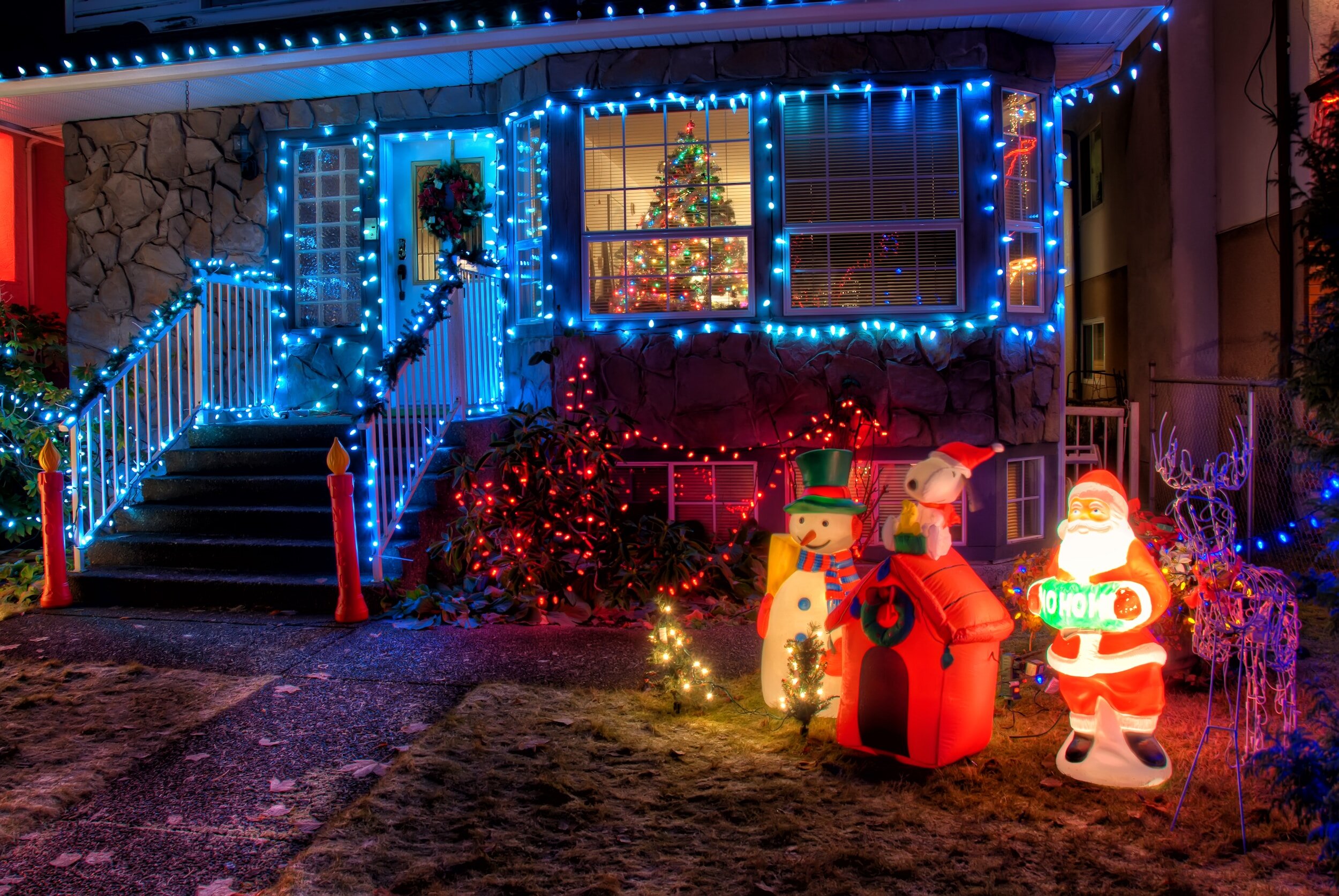
A record for lights. Guinness World Records lists the most lights on a residential property as 601,736, set by the Gay family of LaGrangeville, New York, in November 2014.

A very tall tree. The largest artificial Christmas tree on record stood 72.1 meters, about 236 feet, in Colombo, Sri Lanka, in December 2016.

Caroling. The word carol is thought to come from an old French word for a circle dance. Over time, caroling came to mean singing festive songs.

Around the world. In Iceland, children hear about the 13 Yule Lads, folklore figures who visit in the nights before Christmas. In Japan, many families eat KFC at Christmas, a tradition that grew from a marketing campaign in the 1970s.
Merry Christmas from all of us. Our holiday hours are posted on our contact page.
About the author. CJ Henley, DMD, is a general dentist in Jacksonville whose practice focuses on cosmetic and restorative dentistry, dental implants and dental care around head and neck cancer. Meet Dr. Henley.
CJ Henley, DMD, PA · 3675 Hendricks Avenue, Jacksonville, FL 32207 · 904-398-1549
Updated October 2026.
Sources
Victoria and Albert Museum. The first Christmas card. Retrieved October 6, 2026.
The Coca-Cola Company. Haddon Sundblom and the Coca-Cola Santas. Retrieved October 6, 2026.
Guinness World Records. Most lights on a residential property. Retrieved October 6, 2026.
Guinness World Records. Largest artificial Christmas tree. Retrieved October 6, 2026.