
BLOG: A PLACE TO FIND THE MOST UP-TO-DATE INFORMATION ABOUT DENTISTRY IN JACKSONVILLE
Temporomandibular Joint Dysfunction Symptoms Following Massage Therapy
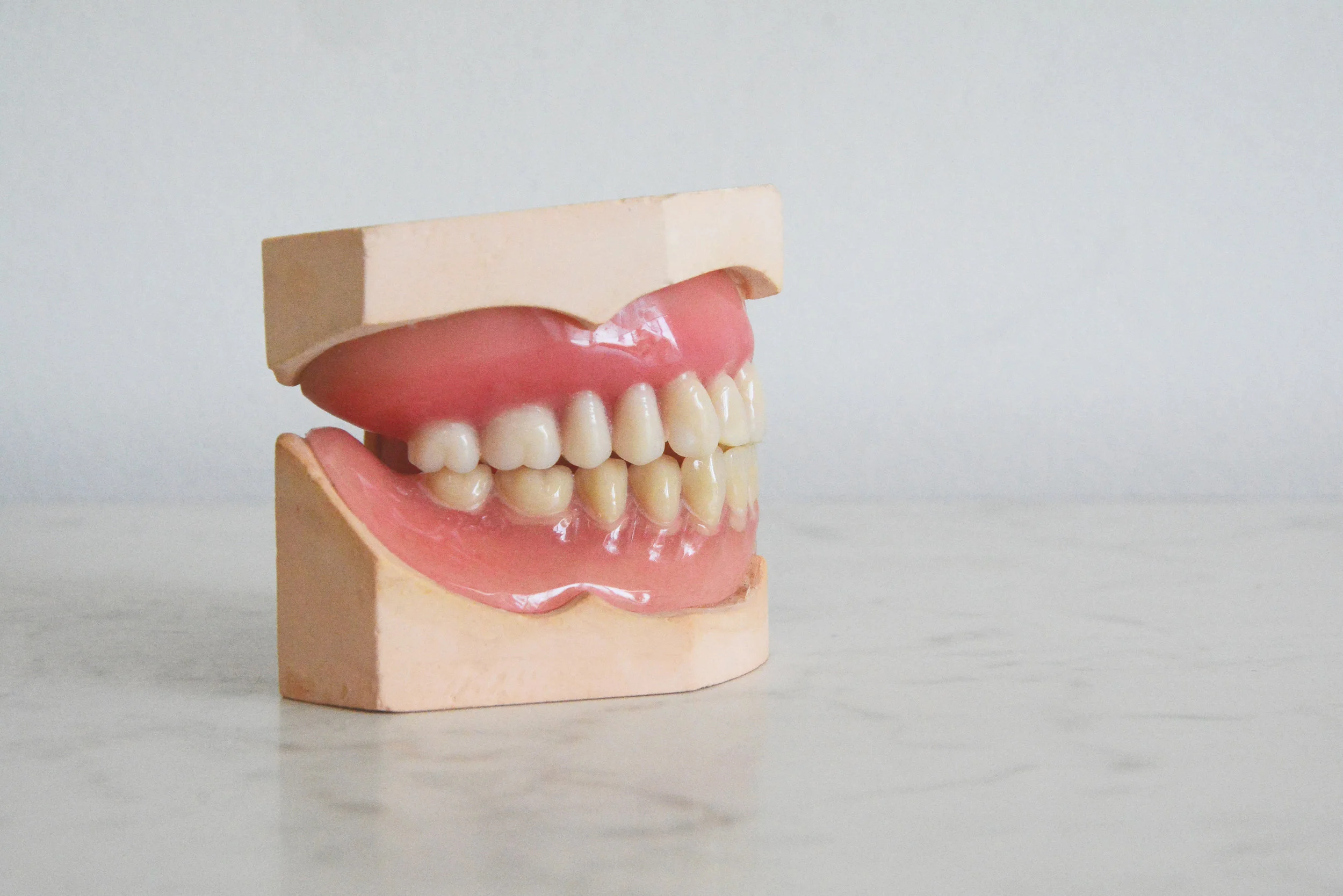
Researchers have estimated that 65%–85% of Americans experience some symptoms of temporomandibular joint dysfunction (TMD) during their lives. This is perhaps owing to the fact that the temporomandibular joint (TMJ) is the most frequently used joint in the body, moving 2000–3000 times a day. TMD is a condition that encompasses several pathologies of the jaw and the muscles of mastication (chewing). Symptoms of TMD are most common in people between 15 and 45 years of age, and are more common in women than men by a ratio of 5:1. A triad of predisposition, tissue alteration (neuromuscular, skeletal, and dental), and stress sufficient to cause jaw clenching and/or bruxism is usually necessary to provoke TMD.
Symptoms of TMD vary from case to case, but common complaints include: spasm and/or pain in the head, jaw, neck, and shoulder muscles; headaches; earaches; jaw clicking or deviation; limited jaw opening; clenching or grinding of the teeth; and dizziness. Causes can include whiplash, bruxism, malocclusion, anxiety, stress, trigger points, and postural dysfunction.
It is important for patients to seek treatment because muscle contractures may develop and degeneration of the disc, condylar head and articular eminence may occur if not corrected. There are several approaches to the treatment of TMD. These treatment strategies are as diverse as the patients presenting the symptoms. Because each patient presents differently, he or she should be assessed and treated according to his or her distinct needs. Because most of the causes and conditions associated with TMD are irremediable, it has been suggested that treatment be aimed toward symptomatic relief and not cures. Common treatment options include: splint therapy, occlusal adjustment, analgesic medications, surgery, acupuncture, trigger point injections, hydrotherapy, therapeutic ultrasound, electromyopathy, hypnorelaxation, cognitive-behavioral therapy, massage therapy, stress management, and biofeedback. Home care practices such as a soft food diet, a local application of ice, self-massage, hot showers, and stretching have also been suggested as being beneficial.
Treatments that are discussed in the dentistry literature focus on surgical repair, splint therapy, and medication. In addition, some dentists may choose to refer their patients to massage therapists to assist in treatment of this condition. Although support for the use of massage therapy as a part of a comprehensive treatment solution for TMD has been discussed, literature that addresses the effectiveness of massage therapy on TMD is limited and studies report varying degrees of success.

Botanical Drug Shows Effectiveness Against Head and Neck Cancers
A plant-based drug called APG-157 has shown signs of helping patients fight oral and oropharyngeal cancers, according to a phase I clinical trial led by the University of California at Los Angeles Jonsson Comprehensive Cancer Center.
A plant-based drug called APG-157 has shown signs of helping patients fight oral and oropharyngeal cancers, according to a phase I clinical trial led by the University of California at Los Angeles Jonsson Comprehensive Cancer Center.
The botanical drug comprises multiple compounds produced by plants, including curcumin. Treatment with it resulted in high concentrations of curcumin and its byproducts circulating in the blood and absorbed by tumor tissues within three hours after being taken orally.
APG-157 reduced the concentration of cytokines, the proteins involved in inflammation, in the saliva when administered to cancer patients. The therapy also reduced the relative abundance of Bacteroides species, a group of gram-negative bacteria.
Gram-negative refers to a group of dangerous bacteria with an outer layer that hides them from the immune system. The relative abundance of gram-negative bacteria compared to the presence of other types of bacteria is correlated with oral cancer.

Milk from teeth
Dental epithelial stem cells are able to generate all epithelial cell types of the teeth; however, it was not yet clear whether these cells could also produce non-dental cell populations. In a recent paper published in the open access journal Cells, a team of researchers led by Thimios Mitsiadis, professor at the Institute of Oral Biology of the University of Zurich (UZH), has shown for the first time that epithelial stem cells isolated from the continuously growing incisors of young mice are indeed able to form mammary glands in female mice.
In a first set of experiments, after removing all cells of mammary origin, dental epithelial stem cells and mammary epithelial cells were directly injected into the areas where the mammary glands normally develop. The researchers used advanced genetic, molecular and imaging tools that allow the precise follow-up of the transplanted dental stem cells in the mammary gland fat pad of the animals. "The results show that the dental stem cells contribute to mammary gland regeneration, and are able to generate all mammary cell populations and, even more strikingly, milk-producing cells," says Mitsiadis.
This work demonstrates the exceptional plasticity of dental epithelial stem cells to generate not only dental tissues but also other tissues of the body. "These findings represent a major contribution to the understanding of the cellular and molecular mechanisms involved in the regenerative capacity of dental stem cells, and, furthermore, indicate the clinical potential of these specific stem cell populations," Mitsiadis adds.
An Oral Splint that can Reduce Tourette Syndrome Tics
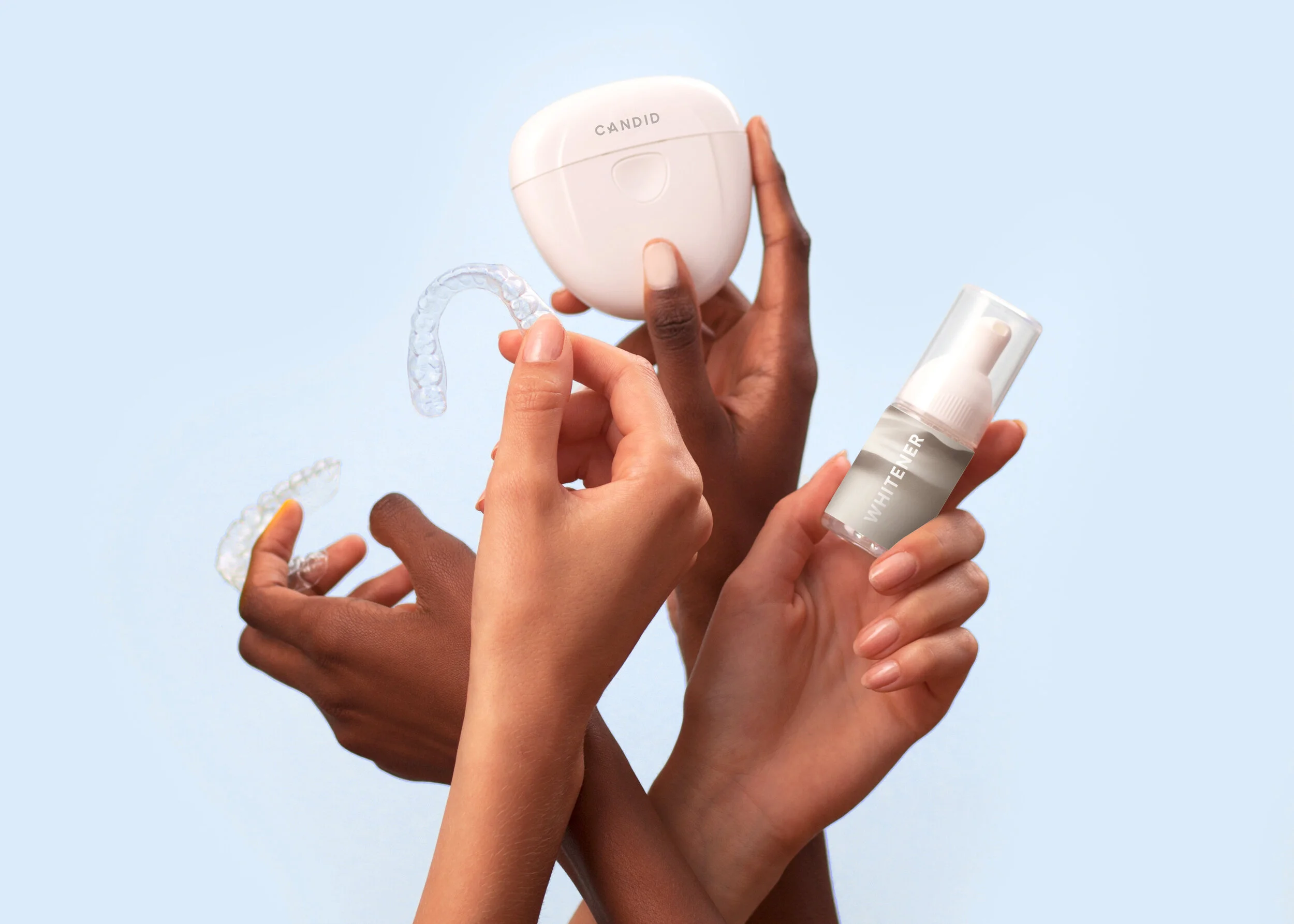
While there is no cure for Tourette syndrome, there are several available options to treat severe tics. These include behavioral (e.g. psychotherapy and cognitive behavioral therapy), pharmacological (e.g. medications that block dopamine in the brain), and more intrusive surgical interventions (e.g. deep brain stimulation, whereby motor areas of the brain receive electrical stimulation). However, the efficacy of these treatments can vary, and patients still frequently suffer from physical, mental, and social disabilities. As an alternative treatment option, researchers at Osaka University have developed a custom-made oral splint. These are typically used for unconscious teeth clenching and grinding, and for temporomandibular disorders such as misalignment of the teeth or jaw. The oral splint is applied to the molars to increase the occlusal vertical dimension, which essentially means that the alignment of the nose, lips, and chin is altered. The study was recently published in Movement Disorders.

Sleep Apnea: Oral appliance could help you (and your partner) sleep better
Researchers measured a novel treatment for sleep apnea and found positive results. By measuring patients lying down flat, the researchers stimulated sleep conditions and measured the patient's airways using 3D imaging. The study confirmed that the treatment is effective at opening the airways and warrants further collaboration between dentists and doctors in treatment of sleep apnea.
Obstructive sleep apnea is a condition that causes throat muscles to relax and narrows the airways of those affected while they are asleep. Snorting, choking or gasping while sleeping are the indicators of the condition. Usually the sufferers' partner notices before they do!
People with mild to moderate sleep apnea experience daily fatigue and a shortened attention span from lack of sleep. Sleep apnea can also have more serious consequences; people have died from very severe forms of the condition.
"Your eyes are closed but you're not resting," explains Dr. Cynthia Concepción-Medina, Research Assistant at the Department of Orthodontics at Hiroshima University Hospital who contributed to the study with her colleagues Associate Professor Hiroshi Ueda and Dr. Yu Matsumura.

National Children’s Dental Health Month highlights optimally fluoridated water
This year the February observance of National Children’s Dental Health Month honors the 75th anniversary of community water fluoridation with its theme, “Fluoride in water prevents cavities! Get it from the tap!”
“I am excited to share in the celebration of the 75th anniversary of community water fluoridation this year with the rest of the dental community, and especially the public at large, who reap the benefits of fluoridation,” said ADA President Chad P. Gehani. “More than 75 years of scientific research has consistently shown that a recommended level of fluoride in community water is safe and effective. It also prevents tooth decay by at least 25% in both children and adults.”
Dr. Gehani continued: “Simply by drinking water, Americans can benefit from fluoride's cavity protection. My fellow dentists should proudly impart the message with their patients and communities this and every year.”
ADA President-elect Daniel J. Klemmedson noted that the Centers for Disease Control and Prevention named community water fluoridation as one of 10 great public health achievements of the 20th century. He encouraged dentists to take advantage of ADA resources this month to arm themselves with the facts about water fluoridation to help children and their parents in the quest for better oral health.

The Link Between Stress, Anxiety, and Dental Health
It may come as a surprise, but mental health is closely related to oral health. Issues such as depression, stress, and anxiety can have an impact on the integrity of your teeth.
The most common reason behind poor dental health in mentally taxed patients is the behavioral effects of stress and anxiety. It can be difficult to have the discipline to follow a strict tooth care routine when battling a mental health condition, which is why it’s so important to take time out for self-reflection, which can give you the energy to put into everyday tasks. Depressed people are also more likely to have unhealthy diets and skip visits to the dentist.
Stress can also have physiological effects on the body. Spikes in the stress hormone cortisol weaken the immune system, which makes it easier for bacteria to invade the gums and cause inflammation. Certain antidepressants and anti-anxiety medications can cause dry mouth, which means that saliva isn’t available to clear away food debris after eating.
Those with severe anxiety sometimes exhibit symptoms such as canker sores and teeth grinding. Both of these are detrimental to oral health, with both short-term and long-term effects. In the case of teeth grinding, patients may permanently wear down essential molars and cause irreparable damage to protective enamel.
Preventing, healing tooth decay with a bioactive peptide
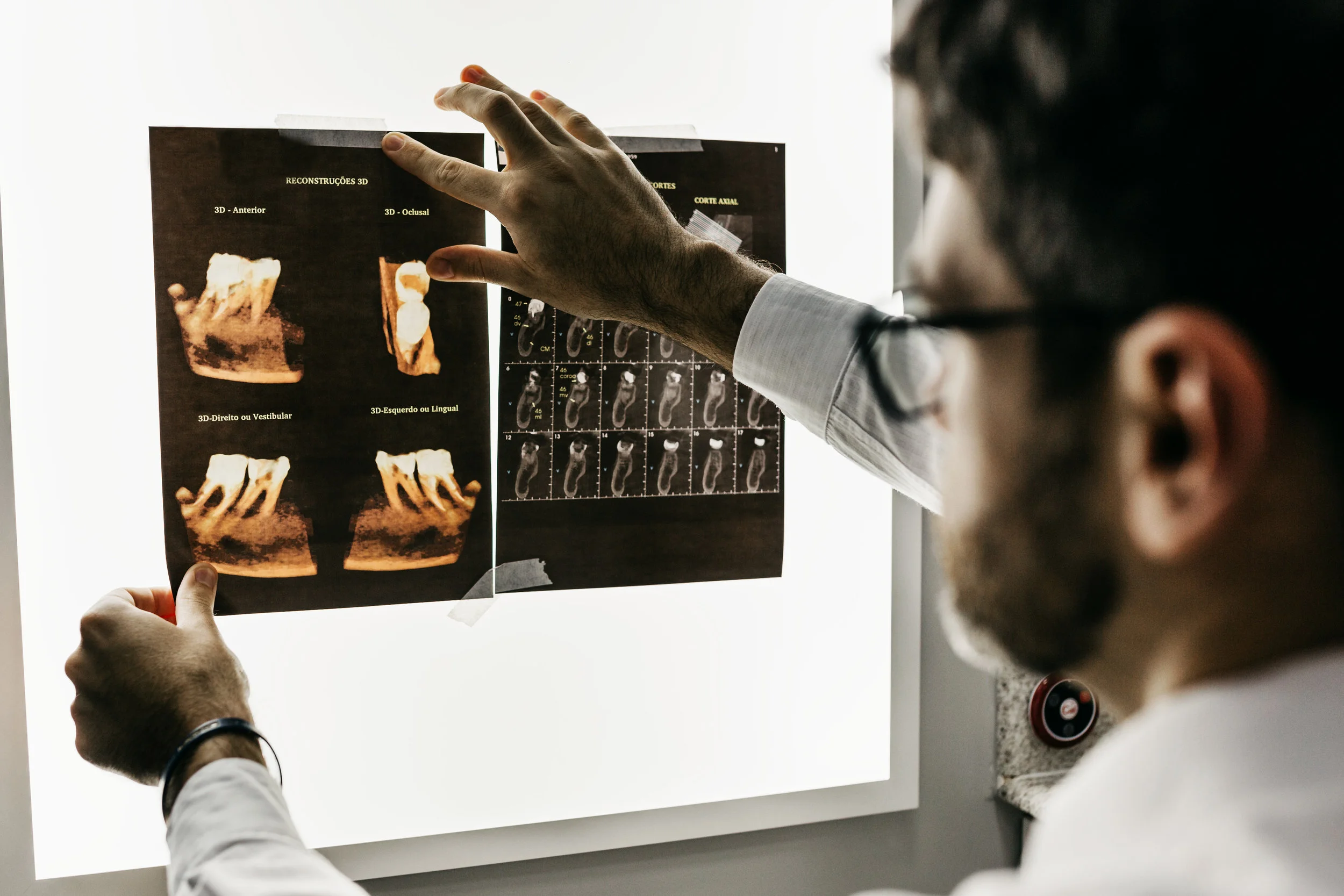
Cavities, or dental caries, are the most widespread non-communicable disease globally, according to the World Health Organization. Having a cavity drilled and filled at the dentist's office can be painful, but untreated caries could lead to worse pain, tooth loss, infection, and even illness or death. Now, researchers report a bioactive peptide that coats tooth surfaces, helping prevent new cavities and heal existing ones in lab experiments.
Conventional treatment for dental cavities involves removing decayed tissue and filling the hole with materials, such as amalgam or composite resin. However, this procedure can damage healthy tissue and cause severe discomfort for patients. Hai Ming Wong, Quan Li Li and colleagues wanted to develop a two-pronged strategy to prevent and treat tooth decay: 1) prevent colonization of the tooth surface by the plaque-forming bacteria that cause cavities, and 2) reduce demineralization, or the dissolving of tooth enamel, while increasing remineralization, or repair.
The researchers based their anti-cavity coating on a natural antimicrobial peptide called H5. Produced by human salivary glands, H5 can adsorb onto tooth enamel and destroy a broad range of bacteria and fungi. To promote remineralization, the team added a phosphoserine group to one end of H5, which they thought could help attract more calcium ions to repair the enamel than natural H5. They tested the modified peptide on slices of human molars. Compared with natural H5, the new peptide adsorbed more strongly to the tooth surface, killed more bacteria and inhibited their adhesion, and protected teeth from demineralization. Surprisingly, however, both peptides promoted remineralization to a similar degree. After brushing, people could someday apply the modified peptide to their teeth as a varnish or gel to protect against tooth decay, the researchers say.
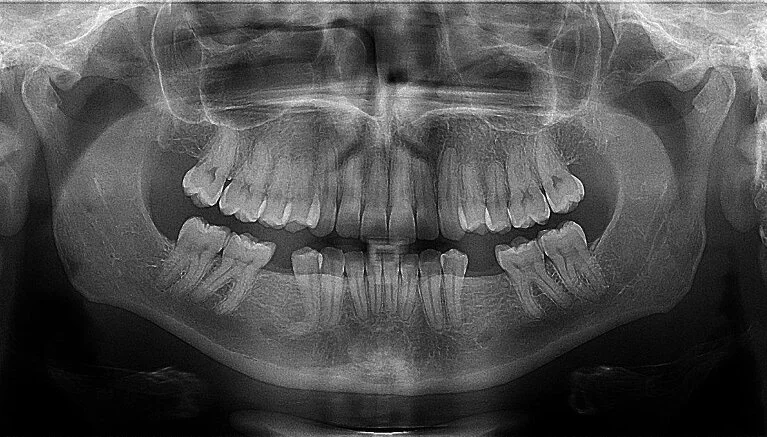
First adult molars are 'living fossils' that hold a 'health record' dating back to the womb
Researchers have found that a person's first permanent molars carry a life-long record of health information dating back to the womb, storing vital information that can connect maternal health to a child's health, even hundreds of years later.
Dentin, the material under the enamel that makes up the bulk of a tooth, forms in microscopic layers that compare to the rings of a tree. Adequate formation of those layers is dependent on Vitamin D. Dark streaks develop in periods when the body is deprived of the critical nutrient, usually because of a lack of sunlight.
The researchers, led by anthropologist Megan Brickley, had previously established that such microscopic defects remain in place and can be read later, in the same way a tree trunk can show years of good and poor growth. Because teeth do not decay as rapidly as flesh and bone, they can retain such information for hundreds of years post-mortem.
Combined with other data, Brickley says, patterns in dentin can create rich banks of knowledge about past conditions, including the health impacts of living in low-light environments.
"It's a living fossil of your life, starting in utero," Brickley says. "Conceivably, it would be possible to remove the molar of anyone and compare their health to the evidence in the tooth."
Early colonial settlers in Canada, for example, who were often wrapped head to toe, even in summer, commonly developed conditions such as rickets, or died prematurely from other conditions related to poor access to vitamin D.
Now the same team of researchers has established the value of such records, which begin during the original formation of teeth in the fetal stage, for reflecting the health of the mother during pregnancy. All of the body's primary or "baby" teeth, which start forming in utero, are lost in childhood.
The first permanent molars -- which emerge around age 6 -- also start forming in utero and stay in the mouth throughout one's adult life, where they retain a record of Vitamin D intake dating back to the mother's pregnancy.

From high school student to dentist, Give Kids A Smile volunteer continues commitment
Dr. Eliscar-Hewett, 29, began volunteering at the Nassau County Give Kids A Smile event in Long Island, New York, as a high school student while taking a dental assisting course at Joseph M. Barry Career & Technical Education Center. Although volunteering started off as a requirement for the course, she continues to volunteer more than 10 years later, only now as a dentist.
For Dr. Theressa Eliscar-Hewett, it was the excitement of the young patients arriving at the Give Kids A Smile event that solidified her desire to be a dentist.
"You can't put that into words. It's a wonderful experience seeing how their faces light up and how excited they are to get the exam," she said.
Dr. Eliscar-Hewett, 29, began volunteering at the Nassau County Give Kids A Smile event in Long Island, New York, as a high school student while taking a dental assisting course at Joseph M. Barry Career & Technical Education Center. Although volunteering started off as a requirement for the course, she continues to volunteer more than 10 years later, only now as a dentist.
Give Kids A Smile will hold this year's national kickoff event Feb. 7 at the Indiana University School of Dentistry in Indianapolis. More than 6 million underserved children have received free oral health services through Give Kids A Smile since the program's national launch in 2003.