Tooth Pain: What It Means & When to Call the Dentist
Tooth pain is your body's way of saying something is wrong — and it usually shouldn’t be ignored. Whether it's sharp, dull, throbbing, or comes and goes, tooth pain almost always has a cause.
At CJ Henley, DMD in Jacksonville, we diagnose and treat the full spectrum of tooth pain — from simple cavities to nerve inflammation, cracked teeth, and complex oral infections. Dr. Henley has advanced training in restorative and oncology-related dentistry and works with patients every day who are dealing with significant dental pain.
These are signs of a potential infection. Call us immediately at 904-398-1549 or visit our Emergency Dental Care page for what to do next.
Common Types of Tooth Pain (And What They Might Mean)
Different types of pain often point to different problems. This quick guide can help you understand what might be going on — but it’s not a substitute for a proper dental exam.
Sensitivity to Cold
Often due to gum recession, enamel wear, early decay, grinding, or whitening-related sensitivity.
Sharp Pain When Biting
Common with cracked teeth, fractured fillings, loose crowns, or a high bite on a recent filling or crown.
Dull or Throbbing Ache
Usually related to nerve inflammation or infection inside the tooth, especially if it comes and goes or builds over time.
Hot Sensitivity
A strong indicator of advanced nerve irritation or infection; often a sign that root canal treatment or extraction may be needed.
Pain That Wakes You Up at Night
Classic sign of deep decay, abscess, or a spreading infection that needs prompt treatment.
Pain in Upper Back Teeth
May be sinus-related, especially with congestion, pressure, or recent illness, even if the teeth themselves look normal.
Morning Jaw and Tooth Soreness
Often tied to grinding or clenching at night (bruxism), and can include headaches or tenderness along the cheeks and temples.
If you’re also dealing with sensitivity, take a look at our Ultimate Toothpaste Guide for recommended toothpastes and how they actually work.
Top Causes of Tooth Pain
1. Cavities (Tooth Decay)
Tooth decay can sneak up on you, especially in areas you can’t see or reach easily. Early cavities may cause mild sensitivity to sweets or cold. As decay gets deeper, you may feel sharp pain when chewing, or lingering pain with hot or cold drinks.
Treating decay early usually means smaller, more conservative fillings. If decay reaches the nerve, treatment may require a root canal or, in some cases, an extraction and replacement tooth (such as a bridge or implant).
2. Cracked Tooth Syndrome
Cracks in teeth can be microscopic or obvious — and they don’t always show up clearly on X-rays. A classic sign is sharp, sudden pain when you bite down and then release. Clenching, grinding, large old fillings, and trauma all increase your risk.
Treatment can range from a simple bite adjustment or bonded filling to a full-coverage crown, and in more severe cases, a root canal or extraction.
3. Gum Recession and Enamel Wear
When gum tissue recedes or enamel thins out, the underlying tooth surface becomes exposed and extremely sensitive. Common causes include aggressive brushing, gum disease, clenching and grinding, acidic diets, and certain medical conditions like dry mouth.
Depending on the cause, treatment may include desensitizing toothpaste, fluoride treatments, bonding, night guards, or addressing dry mouth issues (see our Dry Mouth page for more information).
4. Nerve Inflammation (Pulpitis)
If the nerve inside the tooth becomes inflamed, the pain can be intense. Heat sensitivity, spontaneous pain without a trigger, and pain that lingers for more than a few seconds after hot or cold are all warning signs.
Mild, reversible pulpitis may improve once the underlying problem is treated. More advanced cases often require root canal treatment to remove the inflamed nerve and save the tooth.
5. Dental Abscess (Infection)
An abscess is an infection inside the tooth or in the surrounding bone and gum tissue. Symptoms can include swelling, a pimple-like bump on the gum, a bad taste in your mouth, fever, and severe throbbing pain.
Dental abscesses do not get better on their own. They need prompt treatment, which may include drainage, antibiotics, root canal therapy, or extraction.
If you suspect an abscess, seek care immediately. Call us at 904-398-1549 or learn more on our Emergency Dental Care page.
6. Sinus Pressure
The roots of your upper back teeth sit very close to the maxillary sinuses. When your sinuses are inflamed from allergies, a cold, or sinus infection, those teeth can feel sore even if the teeth themselves are perfectly healthy.
If your upper teeth ache on both sides, especially when you bend over, and you also have congestion or sinus symptoms, sinus pressure may be the cause.
7. Grinding and Clenching (Bruxism)
Nighttime grinding and clenching overload the teeth, jaw joints, and muscles. This can lead to morning headaches, jaw soreness, worn or chipped teeth, and generalized tooth tenderness.
A custom night guard can help protect your teeth and reduce muscle strain. To learn more, visit our Tooth Grinding or Bruxism page.
Is It Your Tooth, Your Sinus, or Your Jaw?
Tooth pain isn’t always just a tooth problem. Here are a few quick clues:
Likely Tooth/Nerve Issue
Pain in a single tooth, triggered by hot/cold, biting pressure, or spontaneous sharp pain.
Likely Sinus-Related
Pain in several upper back teeth, worsens when bending over, often paired with congestion or recent illness.
Likely Jaw/TMJ Issue
Morning headaches, muscle soreness, ear or temple pain, or tenderness when opening/closing your mouth.
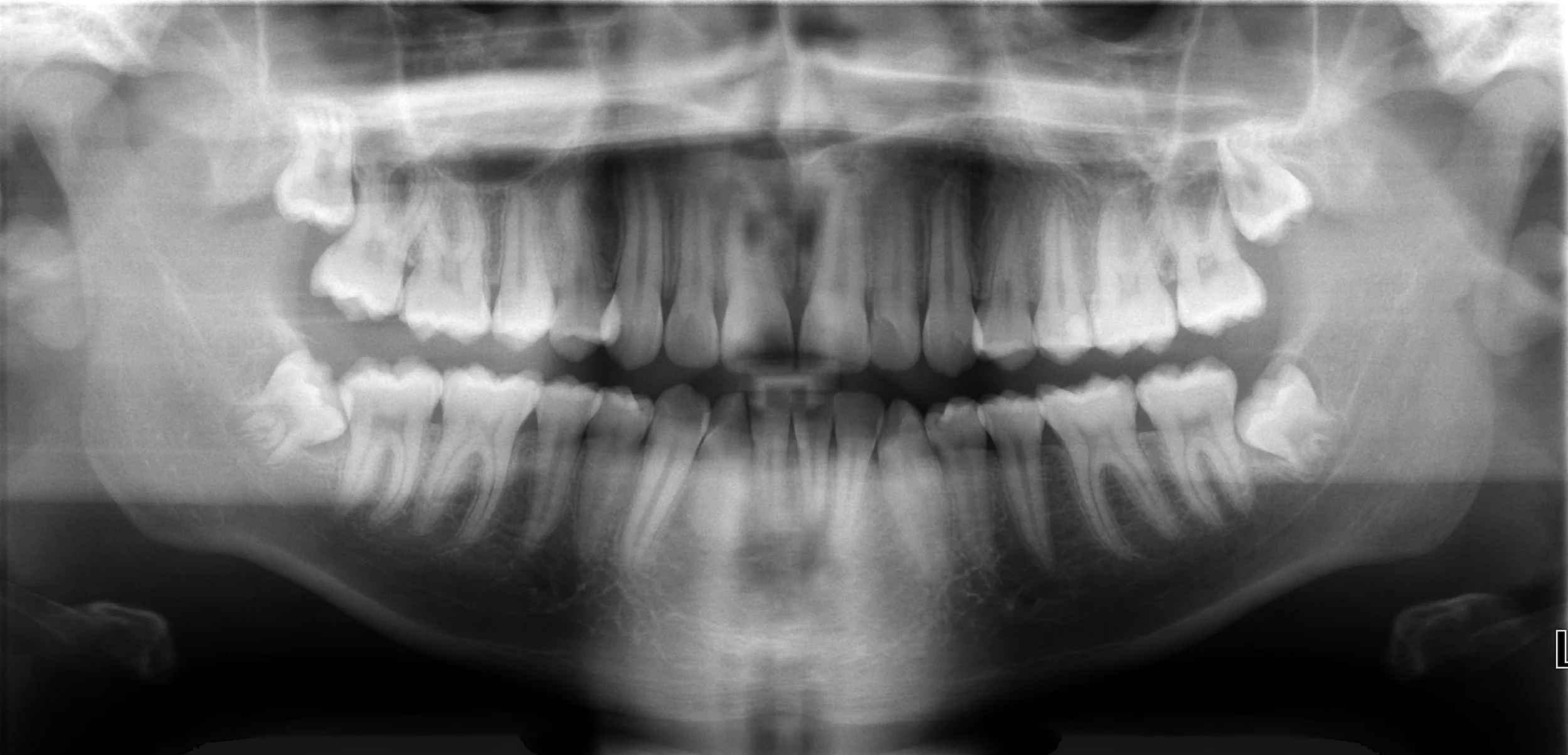
A thorough exam, sometimes including X-rays or 3D imaging, is the best way to pinpoint the source and choose the right treatment.
When Is Tooth Pain a Dental Emergency?
You should call a dentist immediately if you have:
- Severe or persistent pain that doesn’t improve
- Facial swelling or a visible lump on the gum
- Fever, chills, or feeling generally unwell
- Pain that wakes you up at night
- Difficulty swallowing or opening your mouth
- A broken or knocked-out tooth, especially if it’s in the front
If you’re unsure whether it’s an emergency, call anyway — we’d rather help early than too late. Same-day emergency appointments are often available for patients in Jacksonville and the surrounding areas.
Does Tooth Pain Always Mean You Need a Root Canal?
Not always. Many problems can be treated conservatively — for example:
- Small cavities treated with fillings
- Loose or chipped fillings that can be repaired
- Sensitivity from gum recession or enamel wear
- Sinus-related pain that resolves as the sinus infection improves
Root canal treatment becomes necessary when the nerve inside the tooth is irreversibly damaged or infected. In those cases, removing the diseased tissue is what stops the pain and saves the tooth.
For broader prevention tips and home care strategies, explore our Ultimate Toothpaste Guide or learn more about Dr. Henley on the Meet the Doctor page.
What You Can Safely Do at Home (Before Your Appointment)
These steps can help manage discomfort until you’re able to be seen:
- Take ibuprofen or acetaminophen as directed (if medically safe for you)
- Avoid chewing on the painful side of your mouth
- Avoid very cold or very hot drinks if they trigger pain
- Use sensitivity toothpaste — and don’t rinse after brushing so it stays on the teeth longer
- Rinse gently with warm salt water to soothe irritated tissues
Avoid placing aspirin directly on the tooth or gums, and don’t apply heat to a swollen area, as this can sometimes make an infection worse.
Fun and Weird Tooth Pain Facts
- About 1 in 3 adults experiences tooth sensitivity at some point in their lives.
- A cracked tooth can hurt only when you release your bite — a classic diagnostic clue dentists look for.
- Your sinuses can trick your brain into thinking a perfectly healthy tooth hurts.
- Stress is one of the top causes of nighttime clenching-related tooth pain.
- Teeth can “refer” pain to the ear, temple, or jaw, which is why diagnosis sometimes feels like detective work.
- Ancient toothache “cures” included garlic, vinegar, beeswax, leeches, and even wearing charms around the neck.
Frequently Asked Questions About Tooth Pain
How long can I wait with a toothache?
Mild, short-lived sensitivity to cold that comes and goes can often be monitored for a short time. However, pain that lingers, wakes you up at night, or is associated with swelling or fever should be evaluated as soon as possible. Tooth infections do not heal themselves and can spread.
Can sinus problems really make my teeth hurt?
Yes. The roots of upper molars are close to the sinus cavities, so sinus pressure or infection can cause aching in those teeth. A dental exam and X-rays help rule out true dental problems and separate sinus-related pain from tooth-related pain.
Can grinding my teeth cause tooth pain even if my teeth look fine?
Absolutely. Grinding and clenching can overload the teeth, joints, and muscles, leading to sensitivity, cracked enamel, and sore muscles. Even if the teeth look normal, the forces involved can be enough to cause pain. A custom night guard can be a big help.
When should I go to the ER instead of the dentist?
Go to the nearest emergency room or call 911 if you have trouble breathing, difficulty swallowing, rapidly spreading swelling in your face or neck, or feel extremely ill. For most toothaches, infections, and broken teeth, calling your dentist first is the best starting point.
Why Patients Choose CJ Henley, DMD for Tooth Pain in Jacksonville
- Experience with both everyday dentistry and complex head & neck cases
- Advanced diagnostic tools to quickly identify the true source of your pain
- Conservative, patient-focused treatment plans — no unnecessary procedures
- Same-day emergency appointments often available
- Convenient location in Jacksonville’s San Marco area
Ready to Fix Your Tooth Pain?
The sooner you treat tooth pain, the easier and less expensive it usually is. If you’re in Jacksonville or the surrounding areas and dealing with a toothache, we’re here to help.
CJ Henley, DMD
3675 Hendricks Avenue
Jacksonville, FL 32207
Phone: 904-398-1549
Call us or request an appointment today to get started on real relief.