

BLOG: A PLACE TO FIND THE MOST UP-TO-DATE INFORMATION ABOUT DENTISTRY IN JACKSONVILLE
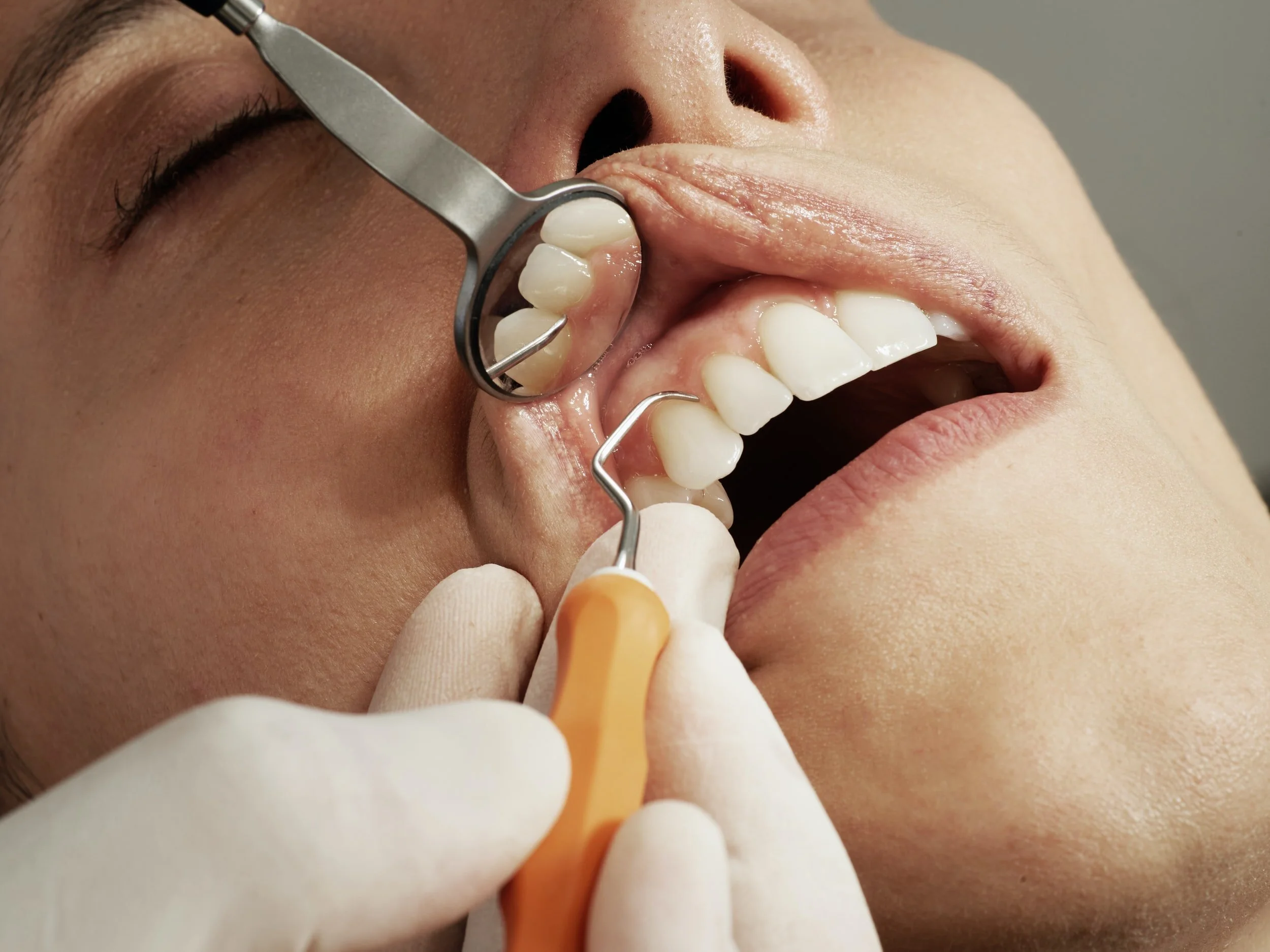
Bleeding gums may be a sign you need more vitamin C in your diet
Bleeding of the gums on gentle probing, or gingival bleeding tendency, and also bleeding in the eye, or retinal hemorrhaging, were associated with low vitamin C levels in the bloodstream.
Current advice from the America Dental Association tells you that if your gums bleed, make sure you are brushing and flossing twice a day because it could be a sign of gingivitis, an early stage of periodontal disease. And that might be true. So if you are concerned, see your dentist. However, a new University of Washington study suggests you should also check your intake of vitamin C.
"When you see your gums bleed, the first thing you should think about is not, I should brush more. You should try to figure out why your gums are bleeding. And vitamin C deficiency is one possible reason," said the study's lead author Philippe Hujoel, a practicing dentist and professor of oral health sciences in the UW School of Dentistry.
Hujoel's study, published Feb. 1 in Nutrition Reviews, analyzed published studies of 15 clinical trials in six countries, involving 1,140 predominantly healthy participants, and data from 8,210 U.S. residents surveyed in the Centers for Disease Control and Prevention's Health and Nutrition Examination Survey. The results showed that bleeding of the gums on gentle probing, or gingival bleeding tendency, and also bleeding in the eye, or retinal hemorrhaging, were associated with low vitamin C levels in the bloodstream. And, the researchers found that increasing daily intake of vitamin C in those people with low vitamin C plasma levels helped to reverse these bleeding issues.
Of potential relevance, says Hujoel, who is also an adjunct professor of epidemiology in the UW School of Public Health, both a gum bleeding tendency and retinal bleeding could be a sign of general trouble in one's microvascular system, of a microvascular bleeding tendency in the brain, heart and kidneys.
The study does not imply that successful reversing of an increased gingival bleeding tendency with vitamin C will prevent strokes or other serious health outcomes, Hujoel stresses. However, the results do suggest that vitamin C recommendations designed primarily to protect against scurvy -- a deadly disease caused by extremely low vitamin C levels -- are too low, and that such a low vitamin C intake can lead to a bleeding tendency, which should not be treated with dental floss.
Consequently, Hujoel does recommend people attempt to keep an eye on their vitamin C intake through incorporation of non-processed foods such as kale, peppers or kiwis into your diet, and if you can't find palatable foods rich in vitamin C to consider a supplement of about 100 to 200 milligrams a day.
If someone is on a specialized diet, such as a paleo diet, it's important that they take a look at their vitamin C intake, Hujoel said. "Vitamin C-rich fruits such as kiwis or oranges are rich in sugar and thus typically eliminated from a low-carb diet."
This avoidance may lead to a vitamin C intake that is too low and is associated with an increased bleeding tendency. People who exclusively eat lean meats and avoid offal, the vitamin-rich organ meats, may be at a particularly high risk for a low vitamin C intake.
The association between gum bleeding and vitamin C levels was recognized more than 30 years ago. In fact, two studies co-authored by former dean of the UW School of Dentistry Paul Robertson (published in 1986 and 1991) identified gum bleeding as a biological marker for vitamin C levels.
However, this connection somehow got lost in dental conversations around bleeding gums.
"There was a time in the past when gingival bleeding was more generally considered to be a potential marker for a lack of vitamin C. But over time, that's been drowned out or marginalized by this overattention to treating the symptom of bleeding with brushing or flossing, rather than treating the cause," Hujoel said.
Hujoel's literature review also determined that "retinal hemorrhaging and cerebral strokes are associated with increased gingival bleeding tendency, and that (vitamin C) supplementation reverses the retinal bleeding associated with low (vitamin C) plasma levels."
So, missing the possible connection between gum bleeding and low levels of vitamin C has the potential to have serious health consequences.
The study authors write: "A default prescription of oral hygiene and other periodontal interventions to 'treat' microvascular pathologies, even if partially effective in reversing gingival bleeding as suggested in this meta-analysis, is risky because it does not address any potential morbidity and mortality associated with the systemic microvascular-related pathologies.’
Researchers demonstrate how changing the stem cell response to inflammation may reverse periodontal disease
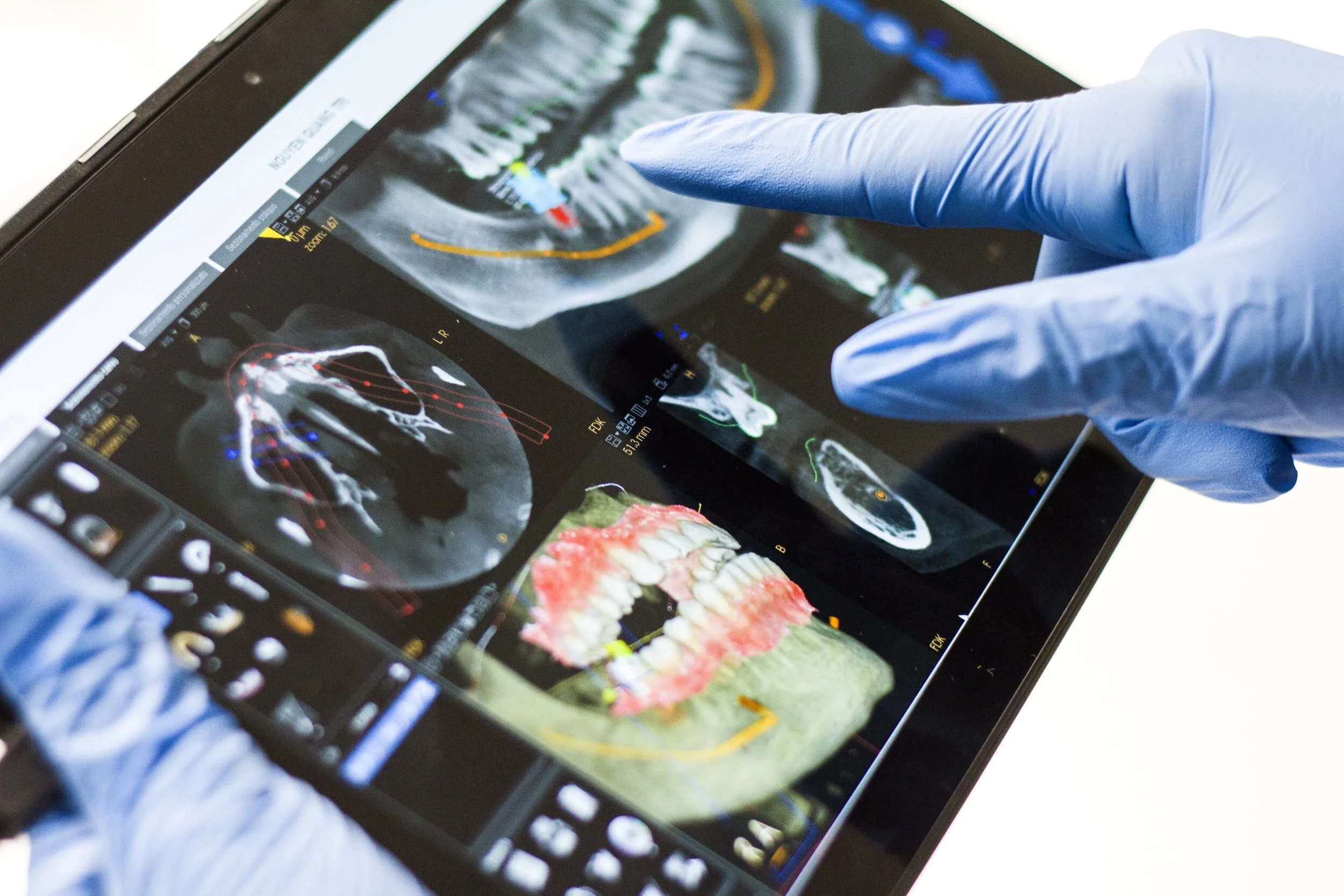
Scientists have discovered that a specific type of molecule may stimulate stem cells to regenerate, reversing the inflammation caused by periodontal disease.
Periodontal disease, also known as gum disease, is a serious infection that affects nearly 50 percent of Americans aged 30 years and older. If left unchecked, periodontal disease can destroy the jawbone and lead to tooth loss. The disease is also associated with higher risk of diabetes and cardiovascular disease.
The current treatment for periodontal disease involves opening the infected gum flaps and adding bone grafts to strengthen the teeth. But in new research published recently in the journal Frontiers in Immunology, Forsyth Institute scientists have discovered that a specific type of molecule may stimulate stem cells to regenerate, reversing the inflammation caused by periodontal disease. This finding could lead to the development of new therapeutics to treat a variety of systemic diseases that are characterized by inflammation in the body.
For the study, Dr. Alpdogan Kantarci, his PhD student Dr. Emmanuel Albuquerque, and their team removed stem cells from previously extracted wisdom teeth and placed the stem cells onto petri dishes. The researchers then created a simulated inflammatory periodontal disease environment in the petri dishes. Next, they added two specific types of synthetic molecules called Maresin-1 and Resolvin-E1, both specialized pro-resolving lipid mediators from omega-3 fatty acids. The scientists found that Mar1 and RvE1 stimulated the stem cells to regenerate even under the inflammatory conditions.
"Both Maresin-1 and Resolvin-1 reprogrammed the cellular phenotype of the human stem cells, showing that even in response to inflammation, it is possible to boost capacity of the stem cells so they can become regenerative," said Dr. Kantarci, Associate Member of Staff at the Forsyth Institute.
This finding is important because it allows scientists to identify the specific protein pathways involved in inflammation. Those same protein pathways are consistent across many systemic diseases, including periodontal disease, diabetes, heart disease, dementia, and obesity.
"Now that we understand how these molecules stimulate the differentiation of stem cells in different tissues and reverse inflammation at a critical point in time, the mechanism we identified could one day be used for building complex organs" said Dr. Kantarci. "There is exciting potential for reprogramming stem cells to focus on building tissues."
How Fixing Your Teeth Could Be the Key To a Youthful Face
Wouldn’t it be fantastic if you could take years off of your appearance with a quicker and less painful procedure that would ensure long-lasting results?
Wouldn’t it be fantastic if you could take years off of your appearance with a quicker and less painful procedure that would ensure long-lasting results?
Absolutely!
Aging takes a toll on your body and face. Your skin loses its elasticity and tone. You may notice blotchiness or dryness. However, your facial profile also changes, which can make wrinkles stand out even more. The problems you may have had with your teeth also worsen.
Can we make bones heal faster?
A new article describes for the first time how minerals come together at the molecular level to form bones and other hard tissues, like teeth and enamel.
A new paper in Science Advances describes for the first time how minerals come together at the molecular level to form bones and other hard tissues, like teeth and enamel.
The University of Illinois Chicago researchers who published the paper described their experiments -- which captured high-resolution, real-time images of the mineralization process in an artificial saliva model -- and their discovery of distinct pathways that support bone and teeth formation, or biomineralization.
"Until now these pathways, particularly at the early stages when molecules are first starting to organize into a structure, have not been understood clearly," Reza Shahbazian-Yasser, UIC professor of mechanical and industrial engineering at the College of Engineering and corresponding author of the paper.
Shahbazian-Yasser and his colleagues observed that both direct and indirect formations of hydroxyapatite crystals -- the foundation of hard tissues -- can be achieved by local variations in energetic pathways for nucleation and growth.
"The control over the dissolution of amorphous calcium phosphate affects the assembly of hydroxyapatite crystals into larger aggregates," Shahbazian-Yasser said. "Using technology developed at UIC, we found evidence that these pathways coexist simultaneously -- explaining why different groups had reported seemingly different or opposite results. In addition, we now understood how hydroxyapatite materials nucleate and grow on amorphous calcium phosphate templates. The control over the nucleation and growth of hydroxyapatite will aid in developing new drugs and medical treatments to heal lost or broken bone faster or cure tooth cavities."
To capture the images, the researchers used a unique micro-device that made it possible to use electron microscopy with a liquid model. Using this method, the researchers were able to monitor chemical reactions in the model on the smallest scale.
"Our study provides clear, new evidence of how minerals organize and grow into bone materials, and this finding has many important implications for further research on bone or teeth healing," Shahbazian-Yasser said.
"By better understanding these pathways, scientists are one step closer to engineering ways to better treat dental diseases and bone injuries -- like those from traumatic injuries -- or prevent medical conditions that can develop when normal mineralization processes in the body go awry," he said.
Medical conditions caused by dysfunctional mineralization in the body can include everything from a tendency to develop cavities to osteoporosis.
"In the next step, we would like to learn how molecular modifiers can affect the process of biomineralization, which is important to develop effective drugs," Shahbazian-Yasser said.

How poor oral hygiene may result in metabolic syndrome
Researchers have identified a novel mechanism by which periodontal disease may cause metabolic syndrome. By studying patients with metabolic syndrome, the researchers demonstrated high antibody titers against Porphyromonas gingivalis, the bacterium causing periodontal disease. In a mouse model, the researchers then showed that infection with this bacterium causes systemic insulin resistance and metabolic dysfunction in skeletal muscle by altering the gut microbiome. This study shows the effect periodontal disease can have on the entire body.
Periodontal or gum disease is known to be a significant risk factor of metabolic syndrome, a group of conditions increasing the risk for heart disease and diabetes. In a new study, researchers from Tokyo Medical and Dental University (TMDU) discovered that infection with Porphyromonas gingivalis, the bacterium causing periodontal disease, causes skeletal muscle metabolic dysfunction, the precursor to metabolic syndrome, by altering the composition of the gut microbiome.
Periodontal bacteria have long been known to cause inflammation within the oral cavity, but also systemically increase inflammatory mediators. As a result, sustained infection with periodontal bacteria can lead to increases in body weight and lead to increased insulin resistance, a hallmark of type 2 diabetes. The function of insulin is to help shuttle glucose from the blood into tissues, most importantly to skeletal muscle, where one quarter of all glucose in stored. Unsurprisingly, insulin resistance plays a key role in the development of metabolic syndrome, a group of conditions including obesity, altered lipid metabolism, high blood pressure, high blood glucose levels, and systemic inflammation. Although skeletal muscle plays a key role in decreasing blood glucose levels, a direct connection between periodontal bacterial infection and the metabolic function of skeletal muscle has not been established yet.
"Metabolic syndrome has become a widespread health problem in the developed world," says first author of the study Kazuki Watanabe. "The goal of our study was to investigate how periodontal bacterial infection might lead to metabolic alterations in skeletal muscle and thus to the development of metabolic syndrome."

A tiny jaw from Greenland sheds light on the origin of complex teeth
Scientists have described the earliest known example of dentary bone with two rows of cusps on molars and double-rooted teeth. The new findings offer insight into mammal tooth evolution, particularly the development of double-rooted teeth.
A team of scientists led from Uppsala University have described the earliest known example of dentary bone with two rows of cusps on molars and double-rooted teeth. The new findings offer insight into mammal tooth evolution, particularly the development of double-rooted teeth. The results are published in the scientific journal PNAS.
The first mammals originated in the latest Triassic period, around 205 million years ago. An ancestor to mammals were the therapsids, "mammal-like reptiles" referred to as stem mammals or proto-mammals, which originated about 320-300 million years ago. One unique characteristic of the lineage that included mammals and animals related to mammals (synapsids) was that they developed complex occlusion. Close ancestors to mammals, called mammaliaforms, developed rows of cusps on molar-like teeth adapted for more omnivorous feeding. The origin of this multicusped pattern and double-rooted tooth has thus far remained unclear.
A team of scientists led by Grzegorz Niedzwiedzki from Uppsala University have investigated the jaw anatomy and tooth structure of a recently described new mammaliaform species named Kalaallitkigun jenkinsi. It was discovered on the eastern coast of Greenland and was a very small, shrew-like animal, probably covered with fur. It would have been the size of a large mouse and lived during the Late Triassic, around 215 million years ago.
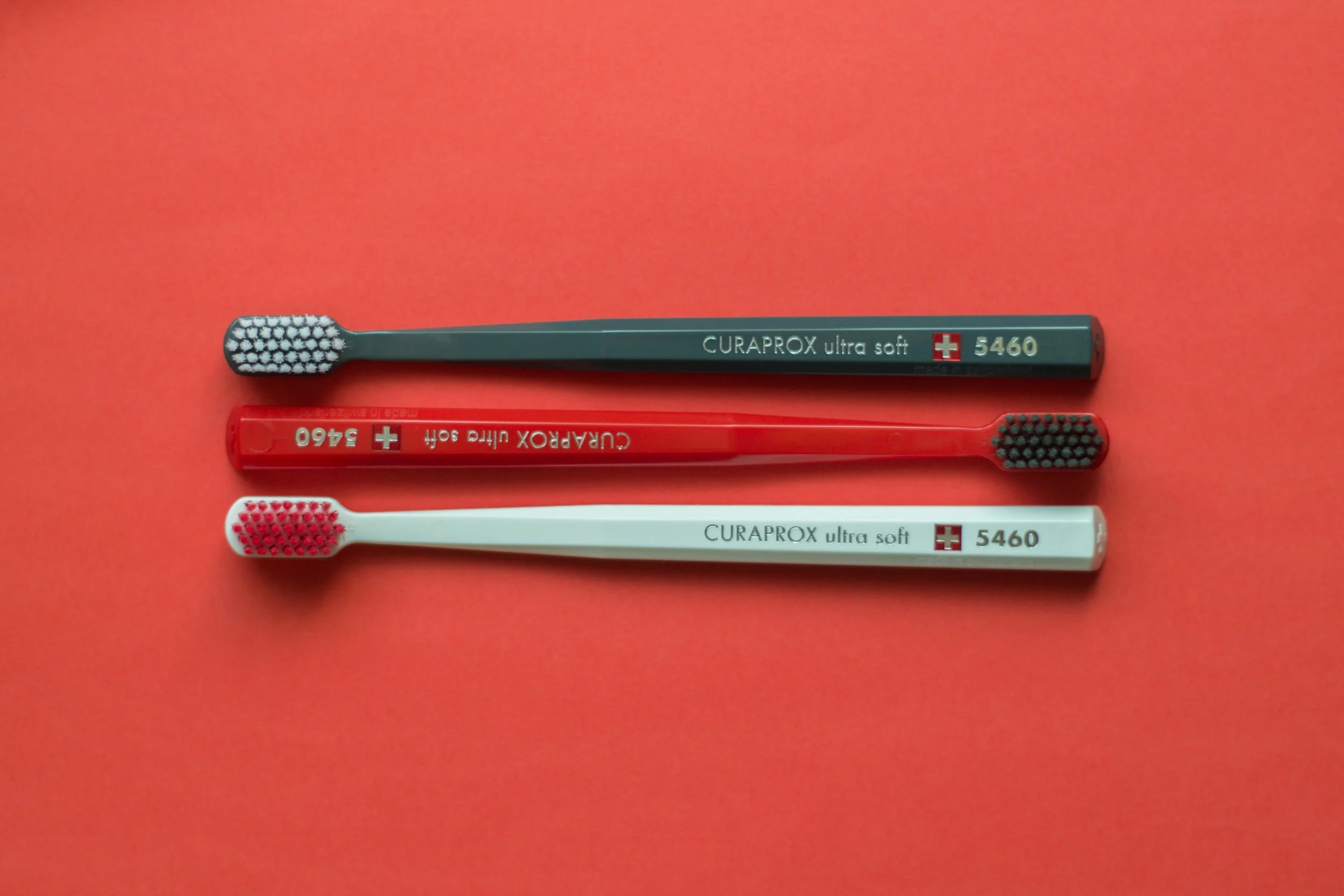
Researchers ask: how sustainable is your toothbrush?
Researchers have examined the sustainability of different models of the most commonly used oral health product - the toothbrush - to ascertain which is best for the planet and associated human health.
Researchers at Trinity College Dublin have examined the sustainability of different models of the most commonly used oral health product -- the toothbrush -- to ascertain which is best for the planet and associated human health.
Although the toothbrush is a widely recommended healthcare device worldwide, there is currently little quantitative data available for its impact on the planet. The research study, in collaboration with Eastman Dental Institute at University College London, is published in the British Dental Journal today (Tuesday, 15th September 2020). It represents the first time a life-cycle assessment (LCA) has been used to measure environmental consequences of a healthcare product.
Healthcare is a major emitter of environmental pollutants that adversely affect health, but awareness of these effects remains low both in the industry and in the general consumer population. There is currently little evidence or guidance regarding the sustainability of specific healthcare interventions, services or devices

Gum disease may raise risk of some cancers
People with history of gum disease appear to have higher risk of developing oesophageal and gastric cancer, suggest researchers
People who have periodontal (gum) disease may have a higher risk of developing some forms of cancer, suggests a letter published in the journal Gut detailing a prospective study.
US researchers found that a history of periodontal disease appeared to be associated with a raised risk of esophageal (gullet) cancer and gastric (stomach) cancer and this risk was also higher among people who had lost teeth previously.
Previous findings on the relationship of periodontal disease and tooth loss with esophageal and gastric cancer have been inconsistent.
Therefore, a team of researchers from Harvard T.H. Chan School of Public Health, in Boston, USA, carried out a study of data on patients over decades of follow up.
They examined the association of history of periodontal disease and tooth loss with the risk of esophageal and gastric cancer in 98,459 women from the Nurses' Health Study (1992-2014) and 49,685 men from the Health Professionals Follow-up Study (1988-2016).
Dental measures, demographics, lifestyle, and diet were assessed using follow-up questionnaires and self-reported cancer diagnosis was confirmed after reviewing medical records.
The results showed that during 22-28 years of follow-up, there were 199 cases of esophageal cancer and 238 cases of gastric cancer.
A history of periodontal disease was associated with a 43% and 52% increased risk of esophageal cancer and gastric cancer, respectively.
Compared to people with no tooth loss, the risks of esophageal and gastric cancer for those who lost two or more teeth were also modestly higher -- 42% and 33%, respectively.
In addition, among individuals with a history of periodontal disease, no tooth loss and losing one or more teeth were equally associated with a 59% increased risk of esophageal cancer compared to those with no history of periodontal disease and no tooth loss.
Similarly, the same group of individuals had 50% and 68% greater risk of gastric cancer, respectively.

Her Song Donations
CJ Henley, DMD is partnering with NEFDHA (Northeast Florida Dental Hygienists Association) in collecting donations for Her Song Jacksonville. Her Song Jacksonville is where young ladies from Jacksonville and all over the nation find refuge in the aftermath of human trafficking
CJ Henley, DMD is partnering with NEFDHA (Northeast Florida Dental Hygienists Association) in collecting donations for Her Song Jacksonville. Her Song Jacksonville is where young ladies from Jacksonville and all over the nation find refuge in the aftermath of human trafficking. It provides residential safe homes with comprehensive programs in the Northeast Florida area for sex trafficking victims. The program assists young women in exiting cycles of abuse and trauma and empower the exploited to heal and take back their lives. Her Song has worked with more than 800 survivors of human trafficking since its inception. We are working to give these courageous young woman a memorable Christmas this season.
Please see attached wish lists.
Cleaning supply list that are needed
Clorox Wipes
Bleach
Windex
Lysol Spray
Lysol wipes
All-purpose cleaning spray
Dish detergent
Dish washer detergent
Paper Towels
Sponges
Scrubbers
Brillo Pads
Toilet bowl cleaner
Bathroom/tub cleaner
Toilet Paper
Air Freshener Spray
Hand Soap
Laundry Pods
Dryer Sheets
Fabric Softener
Swiffer WetJet
Cleaning gloves
https://www.amazon.com/hz/wishlist/ls/1FYMVD460ZWOY?ref_=wl_sh
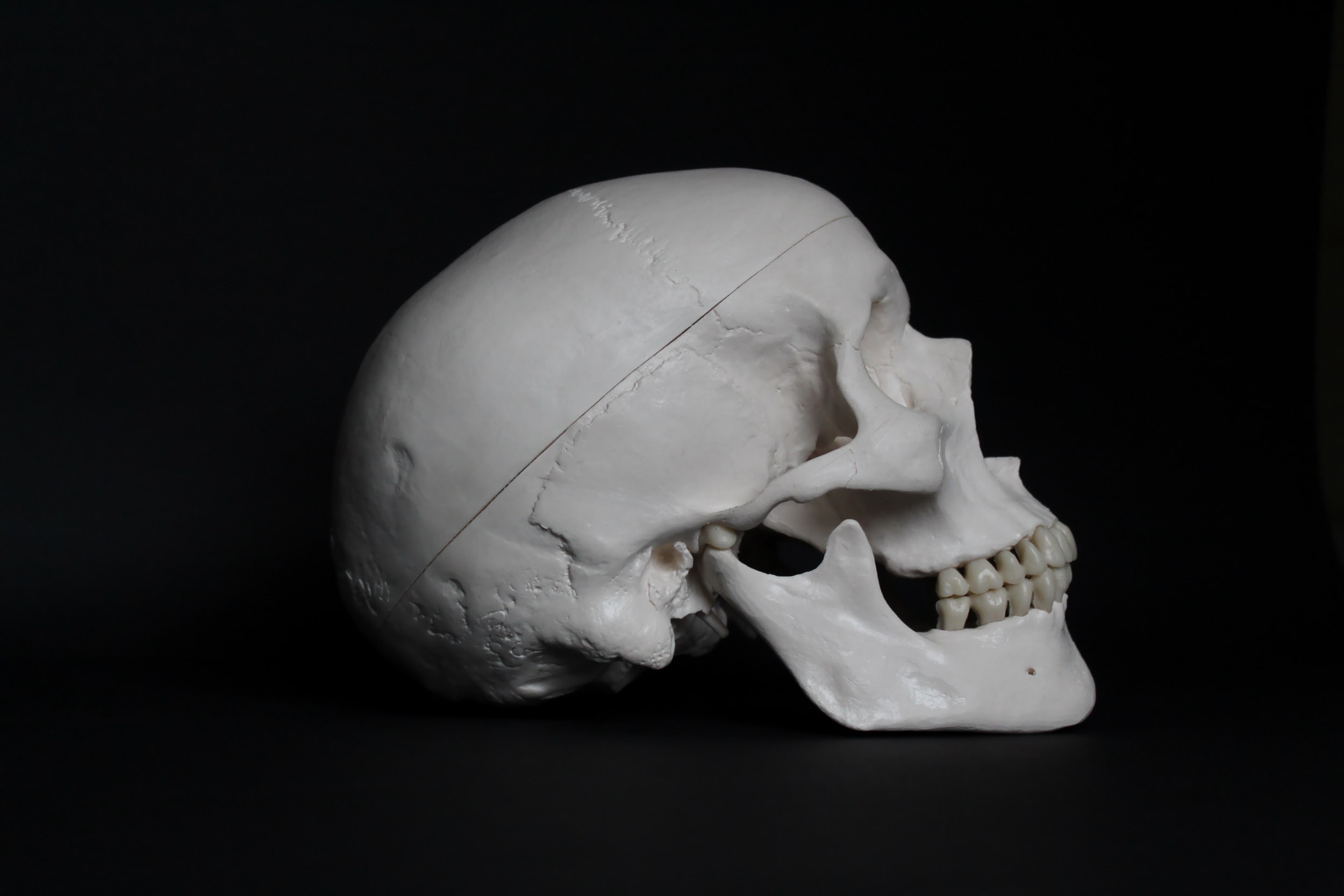
A tiny jaw from Greenland sheds light on the origin of complex teeth
Scientists have described the earliest known example of dentary bone with two rows of cusps on molars and double-rooted teeth. The new findings offer insight into mammal tooth evolution, particularly the development of double-rooted teeth.
A team of scientists led from Uppsala University have described the earliest known example of dentary bone with two rows of cusps on molars and double-rooted teeth. The new findings offer insight into mammal tooth evolution, particularly the development of double-rooted teeth. The results are published in the scientific journal PNAS.
The first mammals originated in the latest Triassic period, around 205 million years ago. An ancestor to mammals were the therapsids, "mammal-like reptiles" referred to as stem mammals or proto-mammals, which originated about 320-300 million years ago. One unique characteristic of the lineage that included mammals and animals related to mammals (synapsids) was that they developed complex occlusion. Close ancestors to mammals, called mammaliaforms, developed rows of cusps on molar-like teeth adapted for more omnivorous feeding. The origin of this multicusped pattern and double-rooted tooth has thus far remained unclear.
A team of scientists led by Grzegorz Niedzwiedzki from Uppsala University have investigated the jaw anatomy and tooth structure of a recently described new mammaliaform species named Kalaallitkigun jenkinsi. It was discovered on the eastern coast of Greenland and was a very small, shrew-like animal, probably covered with fur. It would have been the size of a large mouse and lived during the Late Triassic, around 215 million years ago.
"I knew it was important from the moment I took this 20 mm specimen off the ground," says Niedzwiedzki, researcher at Uppsala University and the corresponding author of the publication.
Kalaallitkigun jenkinsi exhibits the earliest known dentary with two rows of cusps on molars and double-rooted teeth. The anatomical features place Kalaallitkigun jenkinsi as an intermediate between the mammals and the insectivorous morganucodontans, another type of mammaliaform.
The researchers believe that the structural changes in the teeth are related to changed feeding habits. In this case study, the animals were switching to a more omnivorous/herbivorous diet and the tooth crown was expanding laterally. Broader teeth with "basins" on the top surface are better for grinding food. This development also forced changes in the structure of the base of the tooth.
The biomechanical analysis that was carried out within the study found that multi-rooted teeth are better able to withstand mechanical stresses, including those of upper and lower tooth contact during biting, compared to single-rooted teeth. Human teeth, for instance, have this characteristic. The results suggest that the development of molar-like teeth with complex crowns may have developed together with biomechanically optimised dual roots.
"The early evolution of mammals is a particularly interesting topic in evolutionary studies. This tiny jaw from Greenland shows us how complex mammalian teeth arose and why they appeared," says Niedzwiedzki.
"Our discovery of the oldest mammalian ancestor with double-rooted molars shows how important the role of teeth was in the origin of mammals. I had this idea to look at the biomechanics and the collaboration with the engineers turned out great," says Tomasz Sulej, researcher at the Polish Academy of Sciences, first author of the publication.
"It seems that the fossils of close mammalian ancestors must be looked for in even older rocks," says Sulej.