
BLOG: A PLACE TO FIND THE MOST UP-TO-DATE INFORMATION ABOUT DENTISTRY IN JACKSONVILLE

Independent evolutionary origins of vertebrate dentitions
The origins of a pretty smile have long been sought in the fearsome jaws of living sharks which have been considered living fossils reflecting the ancestral condition for vertebrate tooth development and inference of its evolution. However, this view ignores real fossils which more accurately reflect the nature of ancient ancestors.
The origins of a pretty smile have long been sought in the fearsome jaws of living sharks which have been considered living fossils reflecting the ancestral condition for vertebrate tooth development and inference of its evolution. However, this view ignores real fossils which more accurately reflect the nature of ancient ancestors.
New research led by the University of Bristol and the Naturalis Biodiversity Center published in Nature Ecology and Evolution reveals that the dentitions of living shark relatives are entirely unrepresentative of the last shared ancestor of jawed vertebrates.
The study reveals that while teeth evolved once, complex dentitions have been gained and lost many times in evolutionary history and tooth replacement in living sharks is not the best model in the search for therapeutic solutions to human dental pathologies.
Lead author Martin Rücklin from Naturalis Biodiversity Center in Leiden, The Netherlands said: "We used high energy x-rays at the TOMCAT beamline of the Swiss Light Source at the Paul Scherrer Institut in Switzerland, to study tooth and jaw structure and development among shark ancestors. These ischnacanthid acanthodians possessed marginal dentitions composed of multiple, successional tooth rows, that are quite unlike the tooth whorls that occur in front of the jaw in acanthodians and across the jaws of crown-chondrichthyans." Co-author Professor Philip Donoghue from the University of Bristol's School of Earth Sciences said: "Dentitions of vertebrates are characterized by an organised arrangement to enable occlusion and efficient feeding over the lifetime of an animal. This organisation and pattering of teeth is thought to originate in a universal development mechanism, the dental lamina, seen in sharks. The condition we see in the successional tooth rows cannot be explained by this mechanism."

The incredible, variable bacteria living in your mouth
Researchers have examined the human oral microbiome and discovered tremendous variability in bacterial subpopulations living in certain areas of the mouth. In many cases, the team was able to identify a handful of genes that might explain a particular bacterial group's habitat specificity.
Bacteria often show very strong biogeography -- some bacteria are abundant in specific locations while absent from others -- leading to major questions when applying microbiology to therapeutics or probiotics: how did the bacteria get into the wrong place? How do we add the right bacteria into the right place when the biogeography has gotten 'out of whack'?
These questions, though, have one big obstacle, bacteria are so tiny and numerous with very diverse and complicated populations which creates major challenges to understanding which subgroups of bacteria live where and what genes or metabolic abilities allow them to thrive in these 'wrong' places.
In a new study published in Genome Biology researchers led by Harvard University examined the human oral microbiome and discovered impressive variability in bacterial subpopulations living in certain areas of the mouth.
"As microbial ecologists, we are fascinated by how bacteria can seemingly divide up any habitat into various niches, but as humans ourselves, we also have this innate curiosity about how microbes pattern themselves within our bodies," said lead author Daniel R. Utter, PhD candidate in the Department of Organismic and Evolutionary Biology, Harvard University.
Recent developments in sequencing and bioinformatic approaches have offered new ways to untangle the complexity of bacterial communities. Utter and Colleen Cavanaugh, Edward C. Jeffrey Professor of Biology in the Department of Organismic and Evolutionary Biology, Harvard University, teamed up with researchers at the Marine Biological Laboratory, Woods Hole, University of Chicago, and The Forsyth Institute to apply these state-of-the-art sequencing and analysis approaches to get a better picture of the oral microbiome.
"The mouth is the perfect place to study microbial communities," according to co-author A. Murat Eren, assistant professor in the Department of Medicine at the University of Chicago. "Not only is it the beginning of the GI tract, but it's also a very special and small environment that's microbially diverse enough that we can really start to answer interesting questions about microbiomes and their evolution."
The mouth contains a surprising amount of site-specific microbes in different areas. For instance, the microbes found on the tongue are very different from the microbes found on the plaque on teeth. "Your tongue microbes are more similar to those living on someone else's tongue than they are to those living in your throat or on your gums!" said Eren.
The team scoured public databases and downloaded 100 genomes that represented four species of bacteria commonly found in the mouth, Haemophilus parainfluenzae and the three oral species of the genus Rothia, and used them as references to investigate their relatives sampled in hundreds of volunteers' mouths from the Human Microbiome Project (HMP).
"We used these genomes as a starting point, but quickly moved beyond them to probe the total genetic variation among the trillions of bacterial cells living in our mouths," said Utter. "Because, at the end of the day, that's what we're curious about, not the arbitrary few that have been sequenced."
Using this recently-developed approach called metapangenomics, which combines pangenomes (the sum of all genes found in a set of related bacteria) with metagenomics (the study of the total DNA coming from all bacteria in a community), allowed the researchers to conduct an in-depth examination of the genomes of the microbes which led to a shocking discovery.
"We found a tremendous amount of variability," said Utter. "But we were shocked by the patterning of that variability across the different parts of the mouth; specifically, between the tongue, cheek, and tooth surfaces."
For example, within a single microbe species the researchers found distinct genetic forms that were strongly associated to a single, different site within the mouth. In many cases, the team was able to identify a handful of genes that might explain a particular bacterial group's specific habitat. Applying metapangenomics the researchers were also able to identify specific ways free-living bacteria in people's mouths differed from their lab-grown relatives.
"The resolution afforded by these techniques -- via the direct comparison of genomes of "domesticated" and "wild" bacteria -- allows us to dissect these differences gene by gene," notes Cavanaugh. "We were also able to identify novel bacterial strains related to, but different than, those we have in culture."
"Having identified some really strong bacterial candidates that could determine adaptation to a particular habitat, we would like to experimentally test these hypotheses," said Cavanaugh. These findings could potentially be the key to unlocking targeted probiotics, where scientists could use what's been learned about each microbe's habitat's requirements to engineer beneficial microbes to land in a specified habitat.
"The mouth is so easily accessible that people have been working on bacteria from the mouth for a long time," said co-author Jessica Mark Welch, associate scientist at the Marine Biological Laboratory.
"Every environment we look at has these really complicated, complex communities of bacteria, but why is that?" said Mark Welch. "Understanding why these communities are so complex and how the different bacteria interact will help us better understand how to fix a bacterial community that's damaging our health, telling us which microbes need to be removed or added back in."
This study and others like it can provide new insights on the role of oral microbes in human health. "The ability to identify specific genes behind habitat adaptation has been somewhat of a 'holy grail' in microbial ecology," said Utter. "We are very excited for our contributions in this area!"
New drug to regenerate lost teeth
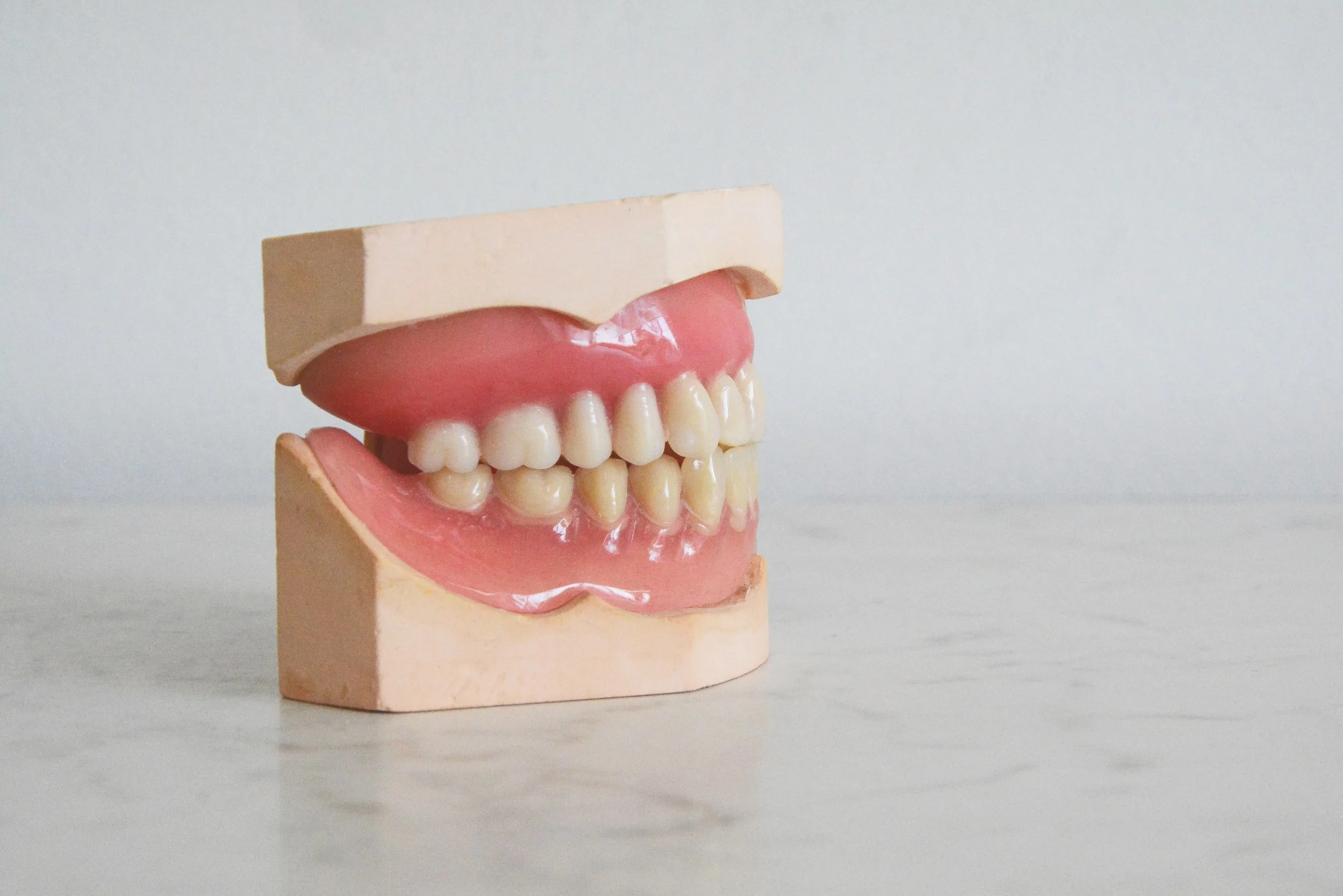
Scientists report that an antibody for one gene -- uterine sensitization associated gene-1 or USAG-1 -- can stimulate tooth growth in mice suffering from tooth agenesis.
The tooth fairy is a welcome guest for any child who has lost a tooth. Not only will the fairy leave a small gift under the pillow, but the child can be assured of a new tooth in a few months. The same cannot be said of adults who have lost their teeth.
A new study by scientists at Kyoto University and the University of Fukui, however, may offer some hope. The team reports that an antibody for one gene -- uterine sensitization associated gene-1 or USAG-1 -- can stimulate tooth growth in mice suffering from tooth agenesis, a congenital condition. The paper was published in Science Advances.
Although the normal adult mouth has 32 teeth, about 1% of the population has more or fewer due to congenital conditions. Scientists have explored the genetic causes for cases having too many teeth as clues for regenerating teeth in adults.
According to Katsu Takahashi, one of the lead authors of the study and a senior lecturer at the Kyoto University Graduate School of Medicine, the fundamental molecules responsible for tooth development have already been identified.
"The morphogenesis of individual teeth depends on the interactions of several molecules including BMP, or bone morphogenetic protein, and Wnt signaling," says Takahashi.
BMP and Wnt are involved in much more than tooth development. They modulate the growth of multiple organs and tissues well before the human body is even the size of a raisin. Consequently, drugs that directly affect their activity are commonly avoided, since side effects could affect the entire body.
Guessing that targeting the factors that antagonize BMP and Wnt specifically in tooth development could be safer, the team considered the gene USAG-1.
"We knew that suppressing USAG-1 benefits tooth growth. What we did not know was whether it would be enough," adds Takahashi.
The scientists therefore investigated the effects of several monoclonal antibodies for USAG-1. Monoclonal antibodies are commonly used to treat cancers, arthritis, and vaccine development.
USAG-1 interacts with both BMP and Wnt. As a result, several of the antibodies led to poor birth and survival rates of the mice, affirming the importance of both BMP and Wnt on whole body growth. One promising antibody, however, disrupted the interaction of USAG-1 with BMP only.
Experiments with this antibody revealed that BMP signaling is essential for determining the number of teeth in mice. Moreover, a single administration was enough to generate a whole tooth. Subsequent experiments showed the same benefits in ferrets.
"Ferrets are diphyodont animals with similar dental patterns to humans. Our next plan is to test the antibodies on other animals such as pigs and dogs," explains Takahashi.
The study is the first to show the benefits of monoclonal antibodies on tooth regeneration and provides a new therapeutic framework for a clinical problem that can currently only be resolved with implants and other artificial measures.
"Conventional tissue engineering is not suitable for tooth regeneration. Our study shows that cell-free molecular therapy is effective for a wide range of congenital tooth agenesis," concludes Manabu Sugai of the University of Fukui, another author of the study.
Study Ties Gum Disease to High Blood Pressure
Want to ward off high blood pressure? Don't forget to brush and floss.
A new study finds that severe gum disease may make an otherwise healthy person significantly more likely to develop high blood pressure.
"[Our] evidence indicates that periodontal bacteria cause damage to the gums and also triggers inflammatory responses that can impact the development of systemic diseases including" high blood pressure, said study author Dr. Francesco D'Aiuto, head of the periodontology unit at University College London Eastman Dental Institute. He spoke in a news release from the journal Hypertension, which published the report March 29.
The researchers studied 250 otherwise healthy adults with severe periodontitis and 250 healthy adults without the gum disease. Their median age was 35, meaning half were older, half younger.
Participants with gum disease were twice as likely to have high systolic blood pressure (140 mm Hg or more), than those with healthy gums (14% and 7%, respectively), according to the findings. The systolic level -- top number in a blood pressure reading -- is how much pressure your blood is exerting on your blood vessels as it moves through the body.
While only an association and not a cause-and-effect link was established, the findings suggest that about 50% of adults could have undetected high blood pressure due to gum disease -- a tissue infection that can also lead to inflammation and bone or tooth loss.
Researchers said preventing and treating gum disease may be a cost-effective way to reduce systemic inflammation and improve function of the endothelium, the thin lining inside the heart and blood vessels.
"Patients with gum disease often present with elevated blood pressure, especially when there is active gingival inflammation, or bleeding of the gums," said lead author Dr. Eva Muñoz Aguilera, senior researcher at the institute.
Because high blood pressure often has no outward symptoms, many individuals may be unaware that they are at increased risk for heart-related problems, she added in the release.
Having dental professionals screen for high blood pressure and make referrals to primary care providers while medical professionals also screen and refer for gum disease could benefit patients' health and reduce the burden of high blood pressure and its complications, according to D'Aiuto.
"Oral health strategies such as brushing teeth twice daily are proven to be very effective in managing and preventing the most common oral conditions, and our study's results indicate they can also be a powerful and affordable tool to help prevent hypertension," D'Aiuto concluded.
Study offers new insights into dental caries development and prevention
HONG KONG, China/BERKELEY, Calif., US: A study led by researchers in China has recently examined the impact of the oral microbiota on overall health. The researchers found that a novel microbial small molecule released by Streptococcus mutans, a bacterium commonly found in the human oral cavity, is linked to dental caries development. With its new insights, the study could help scientists undertaking new research to find a way to prevent dental caries.
HONG KONG, China/BERKELEY, Calif., US: A study led by researchers in China has recently examined the impact of the oral microbiota on overall health. The researchers found that a novel microbial small molecule released by Streptococcus mutans, a bacterium commonly found in the human oral cavity, is linked to dental caries development. With its new insights, the study could help scientists undertaking new research to find a way to prevent dental caries.
Dental caries is an age-old dilemma that continues to pose a threat to our oral and overall health. According to the World Health Organization, approximately 2.3 billion people suffer from caries of permanent teeth, and more than 530 millionchildren suffer from caries of primary teeth globally. The organisation also noted that the prevalence of oral disease continues to increase in most low- and middle-income countries, where the population is increasingly shifting to urban areas and experiencing changes in living conditions.
Dental Tribune International (DTI) has previously reported that taking some unusual measures, such as eating Chinese pickles or berry extract or using dual-light photodynamic therapy, could help prevent the disease. But how much do we know about the actual culprit behind dental caries?
In the present study, the researchers examined biofilm formation by a bacterium S. mutans, which produces organic acids and is one of the main causes of dental caries. “S. mutans has long been recognised as one of the major oral pathogens, and genomic sequencing of various clinical isolates has revealed a great potential to produce specialised secondary metabolites,” co-author Dr Wenjun Zhang, associate professor in the Department of Chemical and Biomolecular Engineering at the University of California, Berkeley, told DTI.
Although scientists have previously extensively investigated the macromolecular agents of S. mutans that are responsible for biofilm formation and development, the identity and function of small-molecule secondary metabolites in biofilm formation by S. mutans remains largely unknown. Therefore, the researchers aimed to fill this gap.
“I have been studying the interaction of marine natural biofilm and marine animals for many years. As such interaction is often mediated via chemical molecules produced by microbes in biofilm, one of our efforts is to identify the molecules that affect biofilm development as well as the animals’ response,” explained co-author Dr Peiyuan Qian, head and chair professor of the Department of Ocean Science at the Hong Kong University of Science and Technology.
“Over the last ten years, we have been using genome mining-based compound discovery to identify chemical signals from microbes and we have made some breakthroughs, such as identifying genotoxins (colibactins) from E. coli, developing new antibiotics and finding new drug leads,” he continued.
“If we can prevent biofilm-forming bacteria from producing the relevant molecules, we can prevent the formation of dental plaque”
— Dr Peiyuan Qian, HKUST
Owing to a common interest in the molecular mechanisms of biofilm development, Qian and his team has been working closely with Zhang over the last few years. As he explained, the collaboration was a logical step. “It is a natural extension of our work to go from marine natural biofilm to biofilm associated with human health,” he explained.
In the course of their study, the researchers identified five molecules and a biosynthetic pathway gene cluster. According to the findings, one of the molecules was found to latch onto S. mutans and reduced the bacterial cells’ attraction to water molecules, thus promoting the cells’ ability to form clumps. “We discovered that some isolates of S. mutans are capable of producing a specialised metabolite, mutanofactin-697. This molecule binds to S. mutans cells and also to extracellular DNA, increases bacterial hydrophobicity, and promotes bacterial adhesion and subsequent biofilm formation,” Zhang explained.
Talking about the importance of the findings, Qian explained that the study could greatly contribute to the prevention of dental caries. He noted: “Bacteria sheltered in a biofilm in the dental plaque can unleash large amounts of acid that attack tooth enamel. If we can prevent biofilm-forming bacteria from producing the relevant molecules, we can prevent the formation of dental plaque.”

School-based Dental Program Reduces Cavities by More than 50 Percent
Study of nearly 7,000 elementary school students demonstrates success of school-based model and its potential to reduce health disparities and save federal dollars
A school-based cavity prevention program involving nearly 7,000 elementary school students reduced cavities by more than 50 percent, according to a study led by researchers at NYU College of Dentistry. The findings are published March 1 in the Journal of the American Dental Association.
“The widespread implementation of oral health programs in schools could increase the reach of traditional dental practices and improve children’s oral health—all while reducing health disparities and the cost of care,” said Richard Niederman, DMD, professor and chair of the Department Epidemiology & Health Promotion at NYU College of Dentistry and the study’s senior author.
Dental cavities are the most common chronic disease in children, and one in five elementary school children have at least one untreated cavity. While cavities can be prevented with dental visits and good at-home oral hygiene, some families experience barriers to seeing a dentist, including cost and parents having to take time off of work.
“School-based cavity prevention programs eliminate these barriers by bringing basic dental care to children, rather than bringing children to care,” said Niederman.
The study was conducted in 33 public, high-need elementary schools in Massachusetts, where dental hygienists provided care to 6,927 children. The services were provided at no cost to families.
Twice-yearly visits involved dental examinations followed by cavity prevention and treatment, including fluoride varnish, sealants, and minimally invasive fillings to stabilize cavities without drilling. Students also received oral hygiene instructions, toothbrushes, and fluoride toothpaste to take home. If more complex care was required, students were referred to local dentists. Notably, the procedures used do not create aerosols, which limits the risk of transmitting viruses through the air.
After six visits, the prevalence of untreated cavities decreased by more than 50 percent. In one group of schools, cavities were reduced from a baseline of 39 percent to 18 percent, and in a second group, cavities decreased from 28 percent to 10 percent. The prevention program reduced cavities in both baby and permanent teeth.
“In 2010, the federal government set a goal of reducing the prevalence of cavities in children by 10 percent by 2020. Our study shows that this is not only feasible, but also that a comprehensive school-based program can reduce cavities by five times their goal,” said Niederman.
Recent economic analyses of school-based cavity prevention programs by researchers at NYU College of Dentistry, including one focusing on this program in Massachusetts, demonstrate that they are cost-effective and could save federal dollars. If this school-based program was implemented nationally, it could reduce Medicaid spending on children’s oral health by as much as one-half.
The COVID-19 pandemic has interrupted most school-based dental care because of school closures and fear of creating aerosols, even as oral health care in dental practices has safely resumed with additional infection control measures in place. The researchers stress the importance of safely continuing school-based care, given its ability to prevent cavities using aerosol-free procedures.
In addition to Niederman, study authors include Jacqueline Starr of Brigham and Women's Hospital, Ryan Ruff of NYU Dentistry, Joseph Palmisano of Boston University School of Public Health, Max Goodson of the Forsyth Institute, and Omair Bukhari of Umm Alqura University in Saudi Arabia. The research was supported by the National Institute on Minority Health and Health Disparities, part of the National Institutes of Health (U24MDD006964), as well as DentaQuest, Bingham Trust, the Massachusetts State Legislature, and the American Dental Trade Alliance. Dental supplies were provided by GC America and Colgate-Palmolive.
About NYU College of Dentistry
Founded in 1865, New York University College of Dentistry (NYU Dentistry) is the third oldest and the largest dental school in the US, educating nearly 10 percent of all dentists. NYU Dentistry has a significant global reach with a highly diverse student body. Visit dental.nyu.edu for more.

Bleeding Gums? You Might Be Lacking Vitamin C
If you have bleeding gums, you may need to increase the amount of vitamin C in your diet, a new study suggests.
Recommended Videos
If you have bleeding gums, you may need to increase the amount of vitamin C in your diet, a new study suggests.
The American Dental Association says bleeding could be a sign of gingivitis, an early stage of gum disease. These new findings from University of Washington (UW) researchers suggest you should also check your vitamin C intake.
"When you see your gums bleed, the first thing you should think about is not, I should brush more. You should try to figure out why your gums are bleeding. And vitamin C deficiency is one possible reason," said study lead author Dr. Philippe Hujoel. He's a dentist and professor of oral health sciences at the UW School of Dentistry, in Seattle.
For the study, the researchers analyzed results of 15 clinical trials from six countries that included more than 1,100 participants, and data from more than 8,200 participants in the U.S. National Health and Nutrition Examination Survey.
Bleeding of the gums on gentle probing and bleeding in the eye (retinal bleeding) were associated with low vitamin C levels in the blood, and boosting daily intake of vitamin C helped reverse those issues, according to findings published Feb. 1 in the journal Nutrition Reviews. Both gum bleeding and retinal bleeding could be signs of a microvascular bleeding tendency in the brain, heart and kidneys, Hujoel noted.
But these findings don't suggest that reversing gum bleeding by increasing vitamin C intake will prevent stroke or other serious outcomes, he stressed.
The findings do indicate that vitamin C recommendations designed primarily to protect against scurvy -- a deadly disease caused by extremely low vitamin C levels -- are too low. These levels can lead to gum bleeding.
Hujoel said people should get sufficient vitamin C intake by eating non-processed foods such as kale, peppers or kiwis. If you can't find vitamin C-rich foods that you like, consider a supplement of about 100 to 200 milligrams a day, he advised.

Why Cavemen Needed No Braces
Crooked teeth are a modern phenomenon and a telltale sign of an underlying epidemic.
Modern industrialized societies are plagued by crowded, ill-aligned teeth, a condition that the dental profession refers to as “malocclusion”—which translates literally to “bad bite.” Survey data from 1998 suggests that as much as a fifth of the U.S. population has significant malocclusion, over half of which require at least some degree of orthodontic intervention. Braces, tooth extractions, and retainers are the bread and butter for all the dentists and orthodontists tasked with setting straight our dental deviations. Having braces as a child has become so common in the Western world that it can seem a rite of passage—today, an estimated 50 to 70 percent of U.S. children will wear braces before adulthood. But what did humans do to fix their teeth before modern dentistry, before Novocain, gauze, and rubber spacers?
As it turns out, our ancestors did not suffer from crooked teeth to the same extent that we do today. Our species’ fossil record reveals a telling story: the epidemic of crooked teeth developed in humans over time. Evolutionary biologist, Daniel Lieberman, notes the pattern in his book, The Story of the Human Body:
Ample evidence abounds in support of Lieberman’s observations. A comparison of 146 medieval skulls from abandoned Norwegian graveyards with modern skulls indicated a trend toward bad bite in our more recent forebears. The skulls of people scored as being in “great” or “obvious” need of orthodontic treatment made up 36 percent of the medieval sample and 65 percent of the modern sample. And evidence of malocclusion in still earlier human fossils is vanishingly rare. The jaws of hunter-gatherers nearly uniformly reveal roomy, perfect arches of well aligned teeth, with no impacted wisdom teeth—a movie star’s dream smile, 15,000 years before the movies!

FDA Clears Novel Daytime Device for Obstructive Sleep Apnea
The US Food and Drug Administration (FDA) has approved the first device to help reduce snoring and mild obstructive sleep apnea (OSA) that is used during the day while the patient is awake.
The US Food and Drug Administration (FDA) has approved the first device to help reduce snoring and mild obstructive sleep apnea (OSA) that is used during the day while the patient is awake.
eXciteOSA (Signifier Medical Technologies, LLC) is a prescription-only, neuromuscular stimulation device designed to improve tongue muscle function, which, over time, can help prevent the tongue from collapsing backwards and obstructing the airway during sleep, the FDA said.
The eXciteOSA mouthpiece has four electrodes that deliver a series of electrical pulses with rest periods in between. Two electrodes are located above the tongue and two are located below the tongue.
The patient uses the device for 20 minutes once a day while awake for 6 weeks, and once a week thereafter. It is indicated for adults aged 18 and older with snoring and mild OSA.
OSA is marked by the recurring collapse of the upper airways during sleep, intermittently reducing or completely blocking airflow. Common symptoms include snoring, restless sleep and daytime sleepiness. Untreated OSA can lead to serious complications such as cardiovascular disease and cognitive and behavioral disorders.
Continuous positive airway pressure (CPAP) therapy, administered through a facemask that is worn while asleep, is a first-line treatment for OSA.
The eXciteOSA device "offers a new option for the thousands of individuals who experience snoring or mild sleep apnea," Malvina Eydelman, MD, director, FDA Office of Ophthalmic, Anesthesia, Respiratory, ENT and Dental Devices, said in a news release.
The FDA reviewed data on the safety and effectiveness of the eXciteOSA device in 115 patients with snoring, including 48 patients with snoring and mild OSA. All patients used the device for 20 minutes once a day for 6 weeks, then stopped using it for 2 weeks before they were reassessed.
Overall, the percentage of time spent snoring at levels louder than 40 decibels (dB) was reduced by more than 20% in 87 out of the 115 patients.
In the subset of patients with snoring and mild OSA, the average apnea-hypopnea index (AHI) score was reduced by 48%, from 10.21 to 5.27, in 41 of 48 patients. Mild OSA is defined as an AHI score greater than 5 but less than 15.
The most common adverse events were excessive salivation, tongue or tooth discomfort, tongue tingling, dental filling sensitivity, metallic taste, gagging, and tight jaw.
Before using the eXciteOSA device, patients should receive a comprehensive dental examination, the FDA says.
The device should not be used in patients with pacemakers or implanted pacing leads, or women who are pregnant. The device is also contraindicated in patients with temporary or permanent implants, dental braces, intraoral metal prosthesis/restorations, or ulcerations in or around the mouth.
The eXciteOSA device was approved under the de novo premarket review pathway for new low- to moderate-risk devices. More information on the device is available online.

How Can Exercise Improve Oral Health?
Exercise has so many documented benefits, including its ability to lower the risk of heart disease, obesity, Type 2 diabetes, and some types of cancer – but research indicates it can also boost oral health.
Exercise has so many documented benefits, including its ability to lower the risk of heart disease, obesity, Type 2 diabetes, and some types of cancer – but research indicates it can also boost oral health. One study published in the Journal of Dentistry showed that regular physical activity can boost periodontal health. To be more precise, people who exercised regularly had a 54% lower likelihood of developing periodontitis compared to those who led sedentary lives. The National Health and Nutrition Examination Survey additionally revealed that people who exercised three times a week or less could also reap benefits, which means they have a 33% lower likelihood of developing periodontitis.