

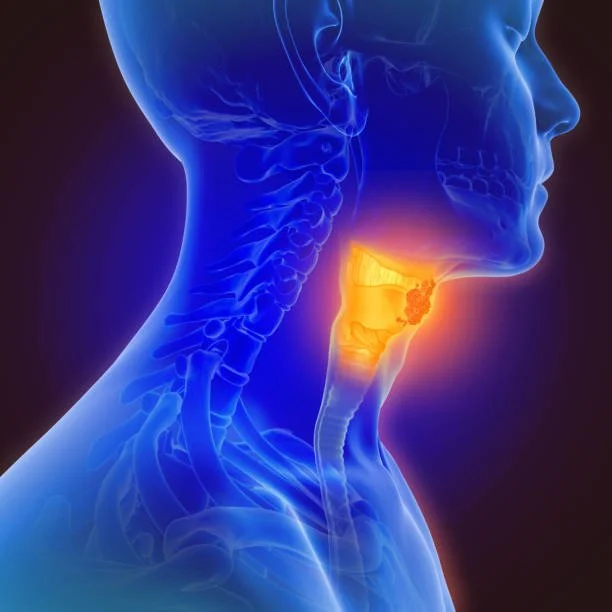
The 7 Warning Signs of Mouth Cancer: What You Need to Know
Oral cancer often develops quietly, appearing as nothing more than a stubborn sore or a faint patch of color. However, early detection is the single most important factor in successful treatment. From persistent mouth sores to subtle changes in your voice, recognizing these 7 warning signs can save your life. Learn what to look for during your monthly self-exam and when it’s time to seek a professional evaluation.
Mouth cancer (oral cancer) can be a silent traveler, often developing without significant pain in its early stages. However, your body usually provides subtle clues. At the office of CJ Henley DMD, we believe that being proactive is the best defense.
Recognizing these seven warning signs is the first step toward early diagnosis and successful treatment.
1. Persistent Sores That Don't Heal
A common red flag is a sore or ulcer that lingers for more than two weeks. While most canker sores clear up quickly, a persistent lesion—especially one that doesn't hurt—requires a professional oral medicine diagnosis to rule out malignancy.
2. Red or White Patches
Keep a close eye on the "landscape" of your mouth. Unusual red (erythroplakia) or white (leukoplakia) patches on the gums, tongue, or lining of the cheeks can be precancerous. If you notice a change in color that doesn't scrape off, it’s time for a check-up.
3. Unexplained Lumps or Thickening
If you feel a "bump in the night" (or day) inside your mouth or on your neck, pay attention. Any new lump or thickening of the tissues in the oral cavity or the head and neck region should be evaluated by a specialist immediately.
4. Chronic Sore Throat or Hoarseness
A sore throat that won't go away—or the constant feeling that something is "stuck" in your throat—can indicate issues deeper in the pharynx. Changes in your voice or persistent hoarseness are also signs that the vocal cords or surrounding tissues may be affected.
5. Difficulty Chewing or Swallowing
Pain or stiffness when moving your jaw or tongue can be more than just a muscle strain. If you find it increasingly difficult to chew, swallow, or speak, it may be due to a growth interfering with the normal function of your oral structures.
6. Numbness or Pain
Unexplained numbness in the tongue, lips, or face is a significant warning sign. This often happens when a tumor affects the underlying nerves. Similarly, persistent pain in the ear without any loss of hearing can sometimes be "referred pain" from the mouth.
7. Loose Teeth or Ill-Fitting Dentures
Unless you have advanced periodontal disease, teeth should stay put. If your teeth are loosening without an obvious cause, or if your dentures suddenly feel uncomfortable or "tight," it could indicate a change in the underlying bone structure of the jaw.
Why Early Detection Matters
The key to beating oral cancer is catching it before it spreads. During a routine exam, Dr. Henley performs thorough screenings to look for these signs, often identifying issues before they are visible to the naked eye.
Pro Tip: Perform a self-exam once a month in a well-lit mirror. Look under your tongue, check the roof of your mouth, and feel along your jawline for anything unusual.
If you have noticed any of these signs for more than 14 days, don't wait for your next cleaning. Early intervention is the most powerful tool we have.

April is Oral Cancer Awareness Month
Every hour, 24-hours-a-day, 365-days-a-year, someone dies of oral or oropharyngeal cancer (cancer of the mouth and upper throat). Yet, if oral cancer is detected and treated early, treatment-related health problems are reduced and survival rates may increase.
Every hour, 24-hours-a-day, 365-days-a-year, someone dies of oral or oropharyngeal cancer (cancer of the mouth and upper throat). Yet, if oral cancer is detected and treated early, treatment-related health problems are reduced and survival rates may increase.
This year an estimated 54,0001 new cases of oral cancer will be diagnosed. Of those individuals, 43 percent will not survive longer than five years, and many who do survive to suffer long-term problems, such as severe facial disfigurement or difficulties with eating and speaking. The death rate associated with oral and oropharyngeal cancers remains particularly high because the cancers routinely are discovered late in their development.
This April, as the nation observes the 22nd Annual Oral Cancer Awareness Month, the Academy of General Dentistry Foundation (agd.org/agd-foundation), the American Academy of Oral and Maxillofacial Pathology (aaomp.org), American Academy of Oral and Maxillofacial Radiology (www.aaomr.org), the American Association of Oral and Maxillofacial Surgeons (myoms.org), the American Academy of Oral Medicine (aaom.com), the American Academy of Periodontology (perio.org), the American College of Prosthodontics (www.prosthodontics.org), the American Dental Hygienists’ Association (www.adha.org), and the California Dental Hygienists’ Association (www.cdha.org) are again joining the non-profit Oral Cancer Foundation in its campaign to raise awareness of oral cancer screenings and the importance of early detection.
Regular oral cancer examinations performed by your oral health professional remain the best method for detecting oral cancer in its early stages.
Be Mindful of Symptoms: Public Urged to “Check Your Mouth”
For the third straight year, the efforts of the Foundation and the dental associations cited above will be bolstered by the Oral Cancer Foundation’s Check Your Mouth™ initiative (www.checkyourmouth.org). Check Your Mouth encourages the public to regularly check for signs and symptoms of oral cancer between dental visits and to see a dental professional if they do not improve or disappear after two or three weeks.
Signs and symptoms of oral cancer which is predominantly caused by tobacco usage and/or excessive alcohol usage may include one or more of the following:
Any sore or ulceration that does not heal within 14 days.
A red, white, or black discoloration of the soft tissues of the mouth.
Any abnormality that bleeds easily when touched (friable).
A lump or hard spot in the tissue, usually border of the tongue (induration).
Tissue raised above that which surrounds it; a growth (exophytic).
A sore under a denture, which even after adjustment of the denture, does not heal.
A lump or thickening that develops in the mouth.
A painless, firm, fixated lump felt on the outside of the neck, which has been there for at least two weeks.
All the above symptoms have the commonality of being persistent and not resolving.
Signs and symptoms of HPV-caused oropharyngeal cancer may include one or more of the following (which may persist longer than two-three weeks):
Hoarseness or sore throat that does not resolve within a few weeks.
A swollen tonsil on just one side. This is usually painless.
A painless, firm, fixated lump felt on the outside of the neck, which has been there for at least two weeks.
A persistent cough that does not resolve after many days.
Difficulty swallowing; a sensation that food is getting caught in your throat.
An earache on one side (unilateral) persists for more than a few days.
All the above symptoms have the commonality of being persistent and not resolving.
Always call your dentist right away if there are any immediate concerns.
Risk Factors
Research has identified a number of factors that may contribute to the development of oral and oropharyngeal cancers. Historically, those at an especially high risk of developing oral cancer have been heavy drinkers and smokers older than age 50, but today the cancer also is occurring more frequently in nonsmoking people due to HPV16, the virus most commonly associated with cervical cancer.
The sexually transmitted human papillomavirus 16 (HPV) is related to the increasing incidence of oropharyngeal cancer (most commonly involving lymphoid tissue occurring in the tonsils or the base of the tongue). Approximately 99 percent of people who develop an HPV oral infection will clear the virus on their own. In approximately 1 percent of individuals, the immune system will not clear the virus and it can lay dormant for decades before potentially causing a cancer, this occurs mostly in a non-smoking population composed of males four to one over females.
If you have never had an oral cancer examination, there is no better time to schedule one than during Oral Cancer Awareness Month in April. When you do, be sure to ask that this examination be made a routine part of all of your future dental check-ups. For a list of local dental professionals who are participating in this year’s event by offering free oral cancer screenings, visit the Oral Cancer Foundation’s website.
For more information about oral cancer and its diagnosis and treatment, visit the websites of the organizations listed below.
About Oral Cancer Awareness Month
Each April, several of the nation’s top dental associations join together with the Oral Cancer Foundation to raise awareness for oral and oropharyngeal cancers. Many dental professionals around the country open their offices to do free screenings to the public during this month each year as well. This is an important reminder to the public that when these cancers are detected and treated early, mortality and treatment related health problems are reduced. For more information visit the Oral Cancer Foundation website at www.oralcancer.org.

Advancements in Oral Cancer Therapy: The Role of Botanical Compounds in Tumor Management
A plant-based drug called APG-157 has shown signs of helping patients fight oral and oropharyngeal cancers, according to a phase I clinical trial led by the University of California at Los Angeles Jonsson Comprehensive Cancer Center.
The landscape of oral and oropharyngeal cancer treatment is evolving, with new research highlighting the potential of botanical drug candidates to complement traditional oncology protocols. A recent Phase I clinical trial led by the UCLA Jonsson Comprehensive Cancer Center has revealed promising data regarding APG-157, a plant-based drug that targets the inflammatory and microbial environment of oral tumors.
At CJ Henley, DMD, our involvement in the Baptist MD Anderson Head and Neck Tumor Board allows us to integrate these emerging clinical insights into our specialized care for patients navigating cancer treatment.
The Science Behind APG-157: Curcumin and Inflammation
APG-157 is a botanical drug composed of multiple plant-derived compounds, most notably curcumin. The clinical trial demonstrated that when taken orally, high concentrations of curcumin and its metabolic byproducts are absorbed by tumor tissues in as little as three hours.
The significance of this absorption lies in its effect on cytokines—the proteins responsible for driving inflammation within the body. By reducing cytokine concentrations in the saliva, APG-157 may help modulate the inflammatory "microenvironment" that allows tumors to thrive.
Microbiome Modulation and Gram-Negative Bacteria
Beyond inflammation, this therapy addresses the oral microbiome. Researchers found that APG-157 reduced the relative abundance of Bacteroides species, a group of gram-negative bacteria.
Gram-negative bacteria possess a protective outer layer that effectively "hides" them from the immune system. In the context of oral health, an overabundance of these bacteria is closely correlated with the development and progression of oral cancers. Reducing these bacterial populations is a critical step in restoring a healthy oral environment during and after cancer therapy.
A Medically-Informed Approach to Oncology Dental Care
As a practice focused on Complex & Medically Involved Care, we understand that oral cancer treatment requires more than routine dentistry. It requires a deep understanding of how systemic therapies and the oral microbiome interact.
We prioritize a two-hour comprehensive evaluation for our oncology patients to discuss these emerging therapies, manage side effects like xerostomia, and coordinate care with your medical team to ensure the best possible long-term outcomes.
Reviewed and Updated February 2026
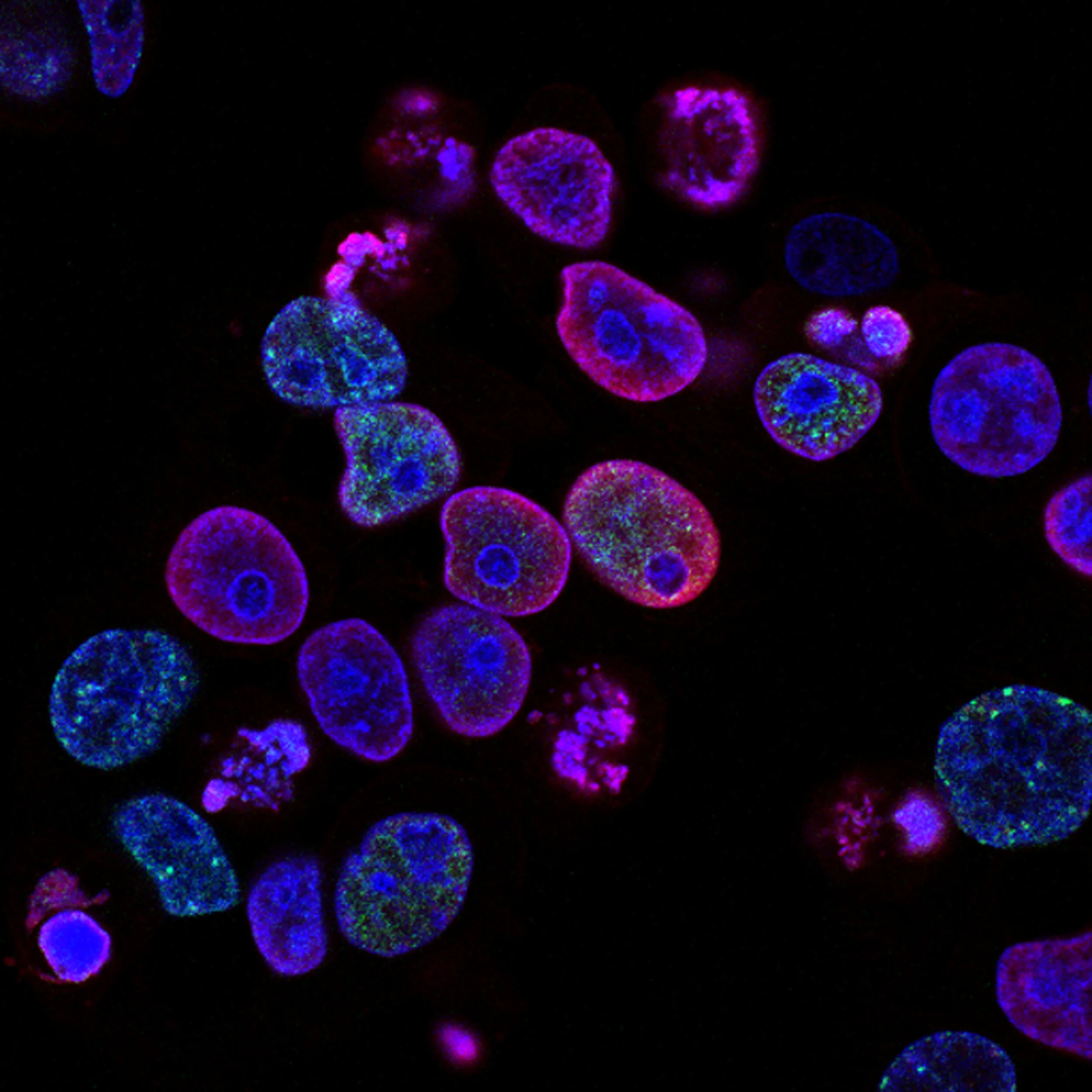
Cancer and Dental Health: Managing Your Oral Care During Treatment
Cancer treatment can affect your mouth, including saliva, teeth and oral tissues. Arrange a dental evaluation before treatment when possible, and share your oncology team’s contact information so the timing and precautions can be coordinated.
At CJ Henley, DMD, we serve as an essential part of your oncology team, providing specialized care for patients undergoing chemotherapy, radiation, and surgery.
Why should I see a dentist before cancer treatment?
Your mouth is a high-risk area for infection when your immune system is weakened by chemotherapy. Before treatment begins, a pre-treatment dental evaluation is critical to:
Identify and eliminate existing infections that could become life-threatening during immunosuppression.
Stabilize compromised teeth to prevent the need for emergency surgery during active treatment.
Establish a baseline for your oral health to manage changes as they occur.
If you are beginning treatment in Jacksonville, we coordinate directly with oncology teams—including our ongoing collaboration through the Baptist MD Anderson Head and Neck Tumor Board—to coordinate dental care with your medical schedule.
What mouth problems can cancer treatment cause?
Radiation and chemotherapy affect the rapidly dividing cells in the mouth, leading to several common conditions:
Oral Mucositis: Painful mouth sores and inflammation that can make eating and speaking difficult.
Xerostomia (Extreme Dry Mouth): Radiation can permanently damage salivary glands, leading to thick, sticky saliva and a significantly increased risk of rapid tooth decay.
Increased Infection Risk: Fungal (thrush) or bacterial infections are more common when the immune system is suppressed.
Jaw Pain and Stiffness: Particularly for those receiving radiation to the head and neck.
Specialized Care for Complex Medically Involved Patients
For patients managing Complex & Medically Involved Care, the stakes are higher. Our practice specializes in the specific protocols required for:
Osteoradionecrosis (ORN) Prevention: For patients who have received high-dose radiation to the jaw, certain dental procedures (like extractions) carry high risks. We utilize conservative management and specialized surgical protocols to maintain jaw bone health.
Post-Radiation Restorations: Saliva is the mouth's natural defense against decay. When saliva flow is compromised, we use specialized high-fluoride protocols and biocompatible materials designed for longevity in a high-risk environment.
Your Path Forward
Whether you have just received a diagnosis or are currently in the recovery phase, we provide an unhurried, two-hour comprehensive evaluation to understand your medical history and design a protective care plan.
Are you or a loved one beginning cancer treatment? Do not wait for symptoms to appear. Contact us today to schedule your oncology-focused dental consultation.
What should I bring to a cancer-related dental visit?
Bring your current medication list, treatment schedule and oncology contact details. Tell the dentist about past head and neck radiation, surgery and changes in saliva or mouth opening. Your oncology team can use our physician referral information to coordinate care.
Where can I find help with dental care during cancer treatment in Jacksonville?
C.J. Henley, DMD’s office is on Hendricks Avenue near San Marco. Review our head and neck cancer dental care information or contact the office to discuss the next step. For restricted mouth opening, see our explanation of radiation-induced trismus.
Further reading: NIDCR: cancer treatments and oral health.
Updated October 1, 2026