
CJ Henley, DMD, PA / San Marco, Jacksonville, Florida
Sedation dentistry in Jacksonville, FL.
For anxious patients, and the dentist you’ll see every visit.
Sedation dentistry uses medication to help you feel calm and relaxed during dental care. At our San Marco office, Dr. CJ Henley offers oral sedation with triazolam (Halcion) for adults, nitrous oxide (laughing gas), and an anti-anxiety pill the night before, after reviewing your health and medications. If you’ve been putting off the dentist because of dental anxiety, you won’t be lectured about how long it’s been. We start where you are.
- ~30%of U.S. adults in a national survey said they were nervous or terrified about going to the dentist1
- 15%of adults worldwide have dental fear and anxiety, in a review of 31 studies and 72,577 people2
- 3×more people wanted sedation or anesthesia for dental care than had ever received it1
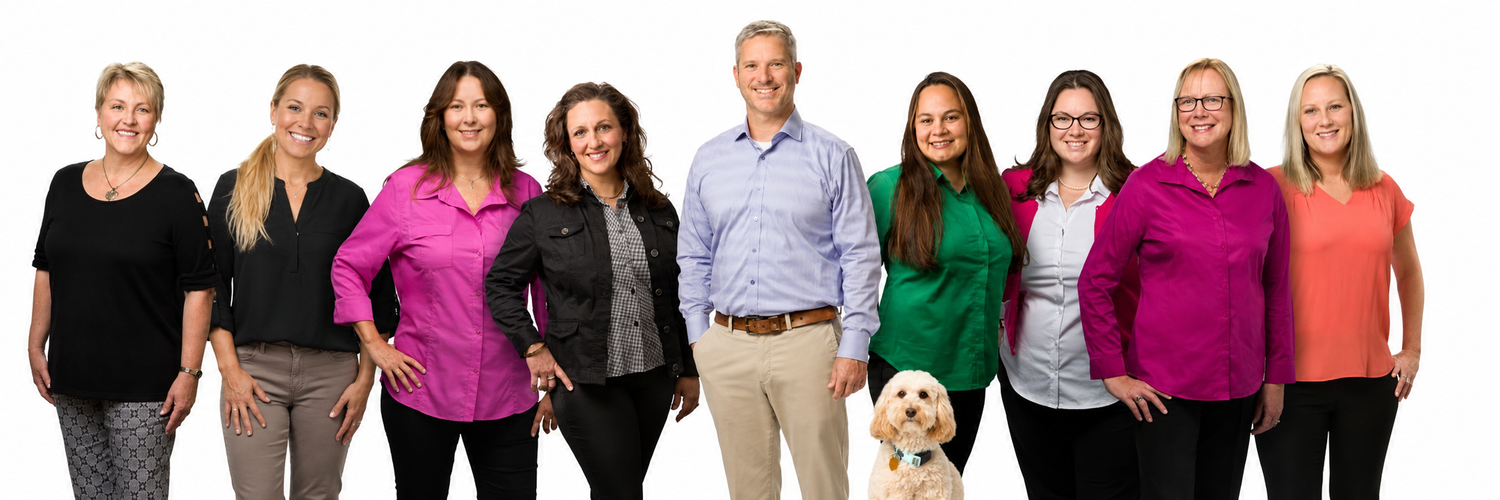
- 1 dentistDr. Henley sees every patient himself, from the first conversation to the last visit
Top-rated on Google: 4.9 stars from more than 225 patient reviews.
What is sedation dentistry?
What sedation dentistry is, and what it isn’t.
Sedation dentistry means using a medication to lower anxiety during dental treatment. With the oral sedation and nitrous oxide we use, you stay awake and able to respond, just much calmer. It is not general anesthesia, and it doesn’t replace numbing: the sedative calms you, and local anesthetic blocks pain.
Dentists describe sedation in levels. The American Dental Association’s guidelines separate minimal sedation (relaxed, responding normally), moderate sedation (drowsy, responding to voice or light touch), deep sedation, and general anesthesia (fully unconscious).3 The deeper the level, the more training, equipment, and monitoring the law requires. In Florida, moderate sedation and anything deeper require a sedation permit. Our office provides minimal sedation, also called anxiolysis: a single sedative pill within the manufacturer’s maximum recommended dose, or laughing gas.10 That lighter level suits most anxious adults having routine or restorative care in a general dental office in Jacksonville.
“Sleep dentistry” is a marketing phrase, not a clinical term. Some offices use it for IV sedation or general anesthesia, where you remember nothing. Minimal sedation is different: you stay awake, relaxed, and able to talk and follow directions normally. Some people feel sleepy, and time tends to pass quickly, but you are not put to sleep.
Sedation calms you. Numbing blocks pain.
This matters more than most sedation dentistry pages admit. In a controlled trial of patients with painful, inflamed teeth, triazolam didn’t make the nerve block numb the tooth any better.5 So with sedation, you still get thorough local anesthetic, and Dr. Henley checks that you’re numb before starting. If numbing itself is part of the fear, read about dental numbness and how long it lasts.
Oral sedation dentistry
Oral sedation with triazolam (Halcion).
Oral sedation is a prescription pill, taken before your appointment, that takes the edge off anxiety so you feel calm and relaxed. We use triazolam, sold as Halcion, a short-acting benzodiazepine. Oral sedation at our office is for adults, and you need a driver who takes you home and stays with you.
Triazolam is one of the most studied medications for oral sedation in dentistry. In a placebo-controlled trial before oral surgery, patients given triazolam reported less anxiety during the procedure than those given a placebo.4 It works within about an hour and wears off over several hours. Its label puts the half-life at roughly 1.5 to 5.5 hours, which is why it suits a dental visit better than longer-acting sedatives.6
What oral sedation feels like
- Calm and heavy. Most people describe a relaxed, unhurried feeling; the worry that usually builds in the chair doesn’t take hold.
- Relaxed, and awake. You may feel sleepy, but you can talk, open wider, turn your head, and answer questions normally.
- Time passes faster. Some people remember less of the appointment afterward, although many remember it clearly, just without the dread.
- Groggy afterward. Plan on the rest of the day off: no driving, no work decisions, no alcohol, and someone with you.
The anti-anxiety pill the night before
For some anxious patients, the hardest part is the night before. Dr. Henley can prescribe an anti-anxiety medication to take the evening before your visit so you can sleep. It is a separate option from in-office oral sedation, not an add-on: we don’t stack sedatives. Whether this is right depends on your health and other medications, which we review first.
Nitrous oxide sedation
Laughing gas: the lightest option, and the fastest to wear off.
Nitrous oxide, or laughing gas, is breathed through a small mask over your nose. It takes the edge off anxiety within minutes, and the effect fades quickly once the gas is turned off. It is a good fit for mild to moderate dental anxiety, a strong gag reflex, or a shorter visit.
Nitrous oxide is mixed with oxygen and adjusted during the visit, so the level can go up if you feel tense and down if you feel too floaty. You stay fully aware. Most people feel warm, light, or tingly in the hands and feet, and some feel a little giddy, which is where the name “laughing gas” comes from. The ADA lists nitrous oxide among the common ways dentists help patients relax.7
Because nitrous oxide clears so quickly, it doesn’t carry the long grogginess of a sedative pill. After laughing gas alone, most patients can drive themselves home once it has worn off; we check that you feel back to normal before you leave.
Looking for a sedation dentist or “dentists that use nitrous oxide near me” in Jacksonville? We offer laughing gas at our Hendricks Avenue office in San Marco. Ask when you book, so we can plan the time.
Oral sedation vs nitrous oxide vs IV sedation
Which kind of sedation is right for you?
For most anxious adults, oral sedation or laughing gas is enough. IV sedation and general anesthesia go deeper and are given by dentists or anesthesia providers with additional permits. We don’t offer IV sedation in our office. When someone truly needs it, we say so and refer.
| Feature | Oral sedation (triazolam) | Nitrous oxide (laughing gas) | IV sedation / general anesthesia |
|---|---|---|---|
| Offered at our office | ✓ Yes, for adults | ✓ Yes | ✗ No; we refer when needed |
| How it’s given | A pill before the visit | Breathed through a nose mask | Through a vein, or anesthetic gases |
| Awake? | Awake and relaxed; may feel sleepy | Fully aware | Deeply sedated or unconscious |
| Memory of the visit | Sometimes less clear | Usually clear | Usually none |
| Needles for the sedation | ✓ None | ✓ None | ✗ IV line |
| Recovery | Rest of the day | Minutes | Rest of the day or longer |
| Driver needed | ✗ Yes, and someone stays with you | Usually not, once it wears off | ✗ Yes |
| Sedation level | Minimal sedation (anxiolysis) | Minimal sedation | Moderate or deeper; permit required |
| Best for | Moderate to severe dental anxiety, longer visits | Mild anxiety, gag reflex, shorter visits | Extensive surgery, some medical or special-needs situations |
In Florida, moderate sedation, IV sedation, and general anesthesia require a separate permit and specific monitoring. Our office provides minimal sedation only. If you need a deeper level, Dr. Henley refers you to an appropriately permitted provider and coordinates the rest of your care.
A dentist for anxious patients
Who sedation dentistry helps.
Sedation dentistry is for people whose fear, gag reflex, or past experience keeps them from getting the care they need. Dental fear tends to feed itself: people who are afraid put off visits, problems grow, and the visits that do happen are for pain, which deepens the fear.8 Breaking that cycle is the point.
Getting caught up after years away
Fear can mean small problems become several at once. When it’s appropriate for your health and the work involved, Dr. Henley can plan longer sedation visits so more gets done in fewer appointments. You’ll see the plan, in order, before anything starts, and the first priority is usually whatever hurts. A comprehensive dental exam is where that plan begins.
Children and teens
Oral sedation at our office is for adults only. For children, we use short, gentle visits, simple explanations, and lots of breaks; see our general and family dentistry page. If a child needs sedation for extensive treatment, we refer to a pediatric dentist who provides it.
Comfort first, sedation when needed
How we help with dental anxiety, with or without sedation.
Sedation isn’t the only answer to dental anxiety, and it isn’t always the first one. Many anxious patients do well with time, control, and a calm room. These are part of every visit at our San Marco office in Jacksonville, sedated or not.
- The same dentist, every time. Dr. Henley sees every patient himself. You won’t be handed to an associate or a “treatment coordinator” you’ve never met.
- A stop signal. Raise your hand and everything pauses. You decide when to start again.
- Numbing gel first, a slow injection, and a check that you’re fully numb before any work begins.
- Tell-show-do. We explain each step and what you’ll feel (pressure, vibration, sound) before it happens. You can also ask us to say less.
- Something else to look at. TVs in the ceiling over the chair, your own headphones welcome, and one of our hygiene rooms has a fireplace. Patients tell us the office feels like home.
- Unhurried time. Breaks during longer visits, or shorter visits spread out, whichever suits you.
- No pressure to treat. We show you what we see on the screen, explain what can wait, and welcome second opinions. Fees are explained before treatment.
Dr. Henley wrote more about this in how we treat anxious patients, and about the two-way link between stress, anxiety, and dental health. Spanish is spoken in our office.
Safety
Is sedation dentistry safe?
For healthy adults, oral sedation and nitrous oxide have a long record of safe use when they are prescribed after a careful medical review and the instructions are followed. The main risks come from other medications, alcohol, certain health conditions, and skipping the driver rule, so the review before sedation is not a formality.
What we review before oral sedation
- Every medication and supplement you take. Triazolam must not be combined with opioid pain medicines except in limited circumstances; the FDA requires a boxed warning about combining benzodiazepines and opioids.9 Some antifungal, HIV, and other medications block how the body clears triazolam and rule it out.6
- Breathing and sleep. Sleep apnea, lung disease, and heavy snoring change how sedatives affect breathing.
- Pregnancy and nursing. Elective sedation is usually postponed during pregnancy.
- Age and size. Older adults are more sensitive to triazolam, and its label calls for lower doses.6
- Alcohol, grapefruit, and past reactions. Alcohol deepens sedation, grapefruit juice can raise triazolam levels, and a past bad reaction to a sedative matters.
Patients with complex medical histories, including head and neck cancer survivors and people on many medications, are a large part of our practice; see complex and medically involved dental care. When oral sedation isn’t a safe choice for you, we’ll say so and offer laughing gas, comfort care, or a referral instead.
You must have a driver for oral sedation. Someone needs to bring you, take you home, and stay with you for the rest of the day. We won’t start oral sedation without one.
What to expect
Your sedation dentistry visit, step by step.
Sedation starts before the appointment: a conversation, a medical and medication review, written instructions, and a plan for your ride. On the day, you’ll be numbed as usual, treated at a pace that suits you, and sent home with your driver and aftercare instructions.
Talk it through
Call us or request an appointment and say you’re anxious. At your first visit Dr. Henley asks what worries you, examines your teeth, and explains what he finds, with photos and digital imaging on the screen.
Medical and medication review
We go through your health history and every medication, then decide together whether oral sedation, laughing gas, the night-before pill, or comfort care alone is the right fit.
Instructions and a driver
You’ll get written instructions on eating and drinking beforehand, when to take your medication, and what to wear. Arrange a responsible adult to drive you and stay with you after oral sedation.
Treatment day
Once the sedative or nitrous oxide has taken effect, Dr. Henley numbs the area and checks it before starting. We pause whenever you need to.
Home to rest
Your driver takes you home to rest for the day. Your aftercare instructions cover numbness, eating, and pain relief, and you can call us with questions. For anything urgent afterward, see emergency dental care.
Cost and insurance
What does sedation dentistry cost in Jacksonville?
The cost of sedation dentistry depends on the type of sedation, the length of the visit, and the treatment being done. Oral sedation and nitrous oxide cost less than IV sedation or general anesthesia. We give you the fee for the sedation and the treatment before anything begins.
At our Jacksonville office, sedation is billed in addition to the dental treatment itself. A short visit with laughing gas differs from a longer appointment under oral sedation, and the prescription itself is filled at your pharmacy.
We are an out-of-network practice. Some dental plans cover part of sedation when it goes with certain procedures, such as extractions, often with limits; many don’t cover sedation for anxiety alone. We can help you understand how to use your benefits; you are responsible for amounts your plan does not pay. Call our team with your plan details to ask about fees and payment arrangements. Read what patients should know about out-of-network dental insurance.
Why anxious patients choose our office
What anxious patients tell us they were looking for.
When we read what anxious patients say about dental offices across Jacksonville and other Florida cities, the same complaints come up: being handed to a different dentist, being rushed, being pushed into treatment, and surprise bills. Our office is set up to avoid every one.
- One sedation dentist. Dr. Henley does the conversation, the exam, the sedation plan, and the treatment.
- No rush. Sedation visits are booked with time to settle in, and time to stop.
- No hostage cleanings. If we find gum disease or decay, we show you and explain your choices. We don’t refuse routine care until you agree to more.
- No surprises. You know the fee before we start.
- Answered phones, same-day emergency visits during office hours (call first), and an after-hours line for existing patients.
Read what patients say in our reviews, and meet Dr. Henley.
Sedation dentist near you
Sedation dentistry in San Marco, for all of Jacksonville.
Dr. CJ Henley is a general dentist in Jacksonville whose practice includes cosmetic and restorative dentistry, dental implants, and care for medically complex patients. As a sedation dentist in Jacksonville, he offers oral sedation and nitrous oxide for anxious adults, and he treats the patients he sedates himself.
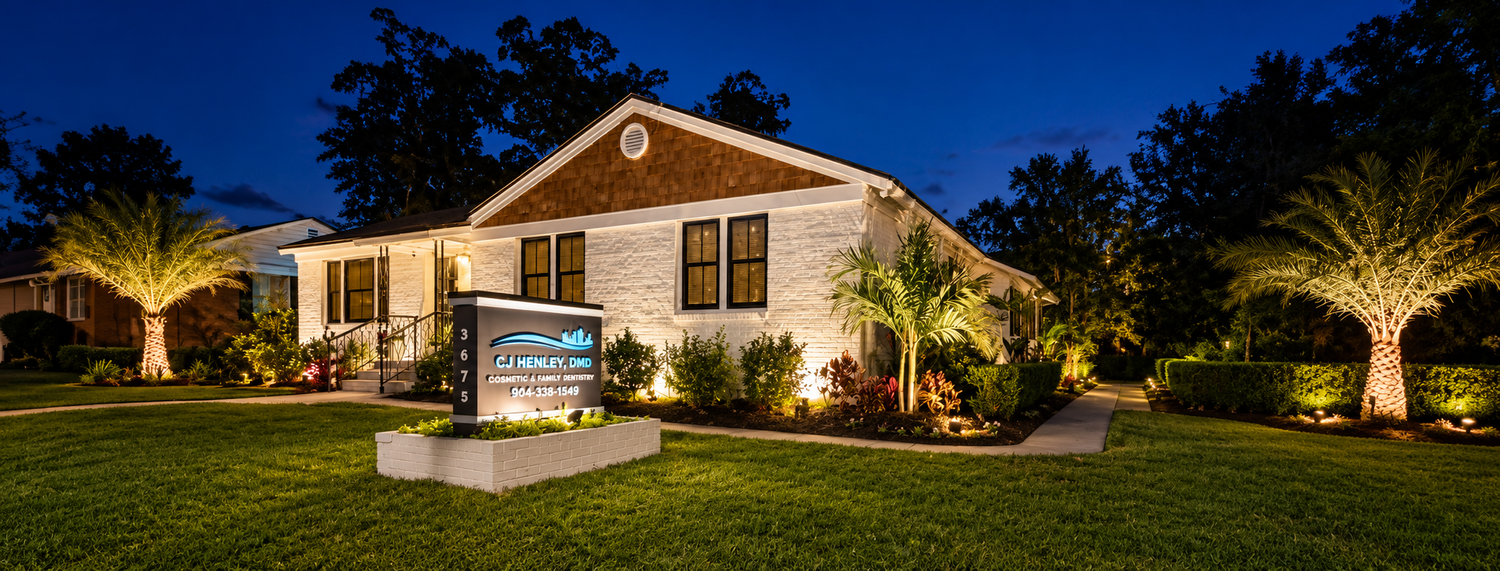
Our office on Hendricks Avenue is easy to reach from San Marco, Southbank, San Jose, Riverside, Avondale, Ortega, St. Nicholas, Downtown, and Mandarin. Patients with complex medical histories, including head and neck cancer survivors, are welcome; read about our complex and medically involved care.
See what patients say in our reviews, read about our San Marco dental office, or start with our new-patient information. There’s plenty of parking, which helps when someone is dropping you off and picking you up.
San Marco
On Hendricks Avenue, in the neighborhood
A short ride home after oral sedation, which your driver will appreciate.
Downtown and Southbank
Southbank borders us; Downtown is across the Main Street Bridge
Close enough for a quick laughing-gas visit around a workday.
Riverside, Avondale, and Ortega
Across the St. Johns River on the Fuller Warren Bridge
A short trip over the river to a dentist who sees anxious patients himself.
San Jose
San Jose Boulevard becomes Hendricks Avenue at our end of town
One road from your street to our door, easy for whoever is driving you.
Mandarin
North on San Jose Boulevard (State Road 13)
The same straight route home after a sedation visit.
Southside and Baymeadows
North on I-95 from Baymeadows Road
An easy drive for a calm, unhurried first visit.
Jacksonville Beach, Neptune Beach, and Atlantic Beach
West on Atlantic Boulevard or Beach Boulevard
Worth the drive when fear has kept you away from the dentist for years.
Ponte Vedra and Nocatee
West on J. Turner Butler Boulevard, then north on I-95
Plan your sedation visit for a day your driver can stay with you.
Orange Park and Fleming Island
North on US-17 to I-95, then across the Fuller Warren Bridge
Visits are booked ahead, so your ride can plan around work.
St. Augustine
North on I-95
The longest drive on this list; a longer sedation visit can mean fewer trips.
Frequently asked questions
Questions about sedation dentistry.
What is sedation dentistry?
Sedation dentistry is the use of medication to help you relax during dental treatment. At our Jacksonville office, that means oral sedation with triazolam (Halcion) for adults, nitrous oxide (laughing gas), or an anti-anxiety pill the night before. You stay awake and able to respond, and local anesthetic still numbs the area so you don’t feel pain.
How does oral sedation work?
You take a prescription sedative pill, triazolam, at the time we give you before your appointment. Within about an hour you feel calm and relaxed, and the worry fades. Dr. Henley then numbs the area and treats you while you rest. The effect fades over several hours, so you go home with your driver and rest for the day.
What does oral sedation feel like?
Most people feel relaxed and unbothered, as if the worry has been turned down. You may feel sleepy, but you stay awake and can talk, follow directions, and answer questions normally. Some people remember less of the visit afterward. Expect to feel tired for the rest of the day.
Will I be asleep during sedation dentistry?
No. The oral sedation we provide is minimal sedation: you stay awake and can respond normally, though you may feel sleepy. With laughing gas you stay fully awake. Being completely unconscious requires general anesthesia, which we don’t provide in our office; we refer patients who need it.
Will I remember anything with dental sedation?
Usually, yes. With minimal oral sedation, some people remember less of the appointment, but many remember it clearly, just without the anxiety. With nitrous oxide you usually remember the visit. The goal of sedation at our office is to make you calm, not to erase the visit.
Is sedation dentistry safe?
For healthy adults, oral sedation and nitrous oxide are considered safe when they’re prescribed after a full medical and medication review and the instructions are followed. The main risks come from mixing sedatives with opioids, alcohol, or certain other medications, and from conditions like sleep apnea. That’s why Dr. Henley reviews your health first and doesn’t prescribe oral sedation without a driver.
Am I a good candidate for sedation dentistry?
You may be, and a sedation dentist can tell you after reviewing your health. You may be a candidate if dental anxiety, a strong gag reflex, a fear of needles, or a bad past experience keeps you from getting care, or if you need a longer visit. Oral sedation at our office is for adults. Pregnancy, some medications, and certain breathing or medical conditions may rule it out; laughing gas or comfort care may still work.
Can I eat before sedation dentistry?
Follow the written eating and drinking instructions we give you for your specific visit. They depend on the type of sedation and your health, so please don’t rely on general advice online. If you take daily medications, ask us which ones to take that morning.
Can I drive after sedation dentistry?
Not after oral sedation. You need a responsible adult to drive you to and from the appointment and stay with you for the rest of the day, and you shouldn’t drive until the next day. After laughing gas alone, most people can drive themselves home once it has worn off; we check that you feel back to normal before you leave.
How long does oral sedation last?
Triazolam is short-acting, with a half-life of roughly 1.5 to 5.5 hours, so the strongest effect lasts a few hours. Drowsiness and slower reactions can linger for the rest of the day. Plan on no driving, no alcohol, and no important decisions until the next day.
What is the difference between oral sedation and IV sedation?
Oral sedation at our office is a single pill that produces minimal sedation: calm, awake, and responsive. IV sedation is given through a vein and can reach moderate or deeper levels. In Florida, those levels require a sedation permit and additional monitoring, and we don’t offer it in our office. Most anxious adults having routine or restorative care do well with oral sedation or laughing gas, and we refer when IV sedation is truly needed.
Do you offer laughing gas?
Yes. We offer nitrous oxide, or laughing gas, at our San Marco office. It’s breathed through a small nose mask, works in minutes, and wears off quickly once the gas is turned off. It suits mild to moderate dental anxiety, a gag reflex, and shorter visits. Mention it when you book so we can plan the time.
Can children have sedation at your office?
Oral sedation at our office is for adults only. For children, we focus on short, gentle visits, clear explanations, and breaks. If a child needs sedation for extensive treatment, we refer to a pediatric dentist who provides it and coordinate the rest of their care.
I haven’t been to the dentist in years. Will I be judged?
No. Embarrassment keeps many people away longer than fear does, and we see it often in Jacksonville patients. Dr. Henley starts with whatever is bothering you most, explains what he finds with photos, and helps you decide what to do first. There are no lectures about how long it has been.
How much does sedation dentistry cost?
It depends on the type of sedation and how long the visit is. Laughing gas and oral sedation generally cost less than IV sedation or general anesthesia. Sedation is billed in addition to the treatment itself, and we give you the full fee before anything begins.
Does insurance cover sedation dentistry?
Sometimes. Some dental plans cover part of sedation with certain procedures, such as extractions, but many don’t cover sedation for anxiety alone. We are an out-of-network practice and can help you understand how to use your benefits. Call our team with your plan details to ask about fees before scheduling.
Where can I find a sedation dentist in Jacksonville?
CJ Henley, DMD, PA offers oral sedation and laughing gas at 3675 Hendricks Avenue, Jacksonville, FL 32207, in San Marco. Call 904.398.1549 or request an appointment online, and tell us you’re anxious so we can plan your visit. Bring a list of your medications, and arrange a driver if you plan on oral sedation.
More reading: How we treat anxious patients · Dental FAQ
Your next step
Tell us you’re nervous. That’s the whole first step.
If dental anxiety has kept you away, call or request an appointment and mention it. We’ll plan a first visit that’s just a conversation and an exam if that’s what you need, and talk through oral sedation or laughing gas for the treatment that follows. If you’re in pain right now, see emergency dental care.
CJ Henley, DMD, PA3675 Hendricks Avenue
Jacksonville, FL 32207
Prefer a nonurgent text? 904.762.5616 is our practice on-call and text line. Please don’t send sensitive health information by text, and call for anything urgent.
Related pages
Sources
- Dionne RA, Gordon SM, McCullagh LM, Phero JC. Assessing the need for anesthesia and sedation in the general population. J Am Dent Assoc. 1998;129(2):167-73.
- Silveira ER, Cademartori MG, Schuch HS, Armfield JA, Demarco FF. Estimated prevalence of dental fear in adults: a systematic review and meta-analysis. J Dent. 2021;108:103632.
- American Dental Association. Anesthesia and sedation, including the ADA Guidelines for the Use of Sedation and General Anesthesia by Dentists. ADA Library, 2026.
- Berthold CW, Dionne RA, Corey SE. Comparison of sublingually and orally administered triazolam for premedication before oral surgery. Oral Surg Oral Med Oral Pathol Oral Radiol Endod. 1997;84(2):119-24.
- Lindemann M, Reader A, Nusstein J, Drum M, Beck M. Effect of sublingual triazolam on the success of inferior alveolar nerve block in patients with irreversible pulpitis. J Endod. 2008;34(10):1167-70.
- Pfizer. Halcion (triazolam) prescribing information.
- American Dental Association. Anesthesia and sedation. MouthHealthy.org.
- Armfield JM, Stewart JF, Spencer AJ. The vicious cycle of dental fear: exploring the interplay between oral health, service utilization and dental fear. BMC Oral Health. 2007;7:1.
- U.S. Food and Drug Administration. Benzodiazepine drug class: Drug Safety Communication, boxed warning updated to improve safe use.
- Florida Board of Dentistry. Rule 64B5-14.001, Definitions (anesthesia and sedation), including minimal sedation (anxiolysis). Florida Administrative Code. See also Rule 64B5-14.002, Prohibitions.