

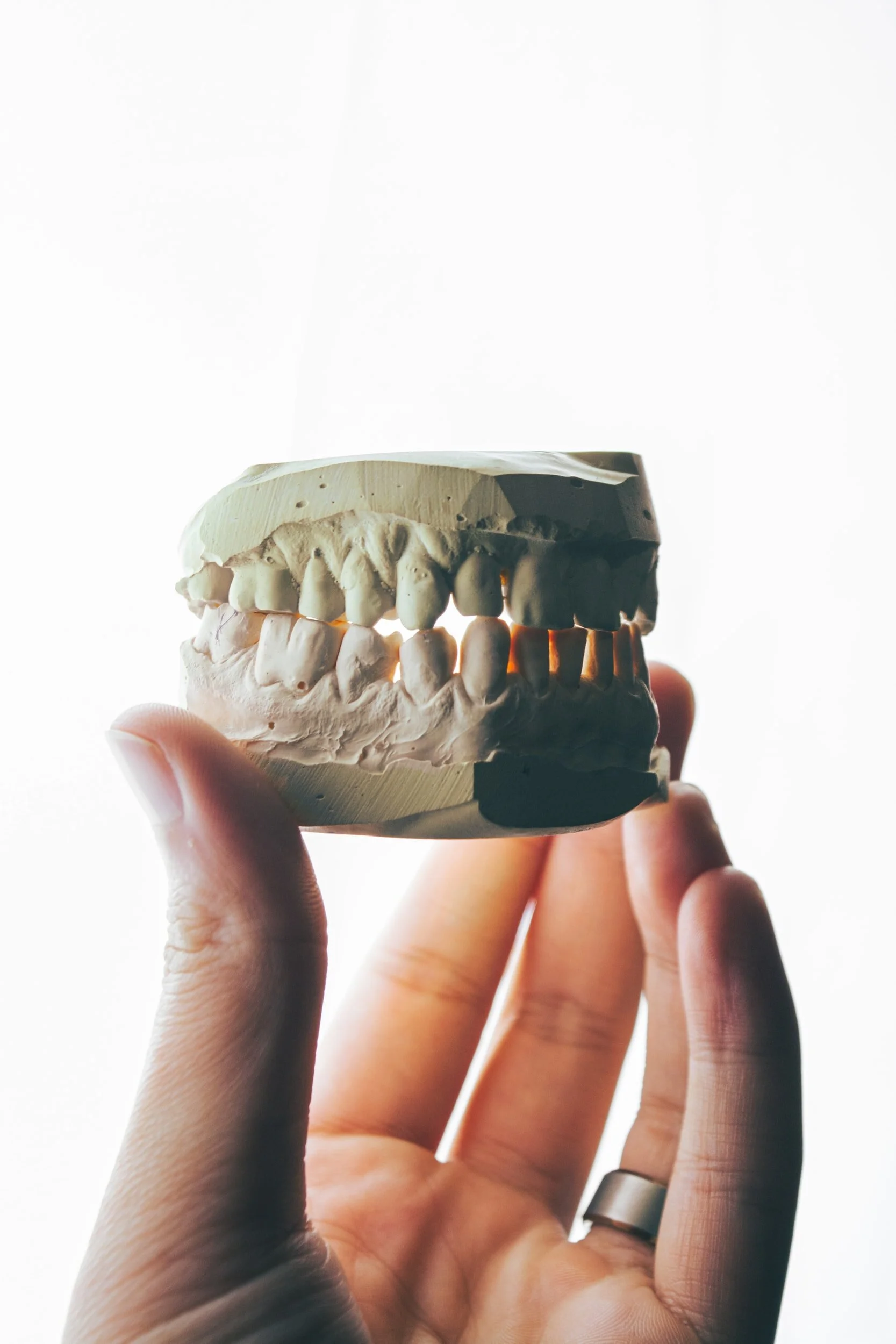
Rare mineral from rocks found in mollusk teeth
Researchers discovered a rare mineral hidden inside the teeth of a chiton, a large mollusk found along rocky coastlines. Before this strange surprise, the iron mineral, called santabarbaraite, only had been documented in rocks.
Northwestern University researchers have, for the first time, discovered a rare mineral hidden inside the teeth of a chiton, a large mollusk found along rocky coastlines. Before this strange surprise, the iron mineral, called santabarbaraite, only had been documented in rocks.
The new finding helps understand how the whole chiton tooth -- not just the ultrahard, durable cusp -- is designed to endure chewing on rocks to feed. Based on minerals found in chiton teeth, the researchers developed a bio-inspired ink for 3D printing ultrahard, stiff and durable materials.
"This mineral has only been observed in geological specimens in very tiny amounts and has never before been seen in a biological context," said Northwestern's Derk Joester, the study's senior author. "It has high water content, which makes it strong with low density. We think this might toughen the teeth without adding a lot of weight."
The study will be published the week of May 31 in the Proceedings of the National Academy of Sciences.
Joester is an associate professor of materials science and engineering in Northwestern's McCormick School of Engineering. Linus Stegbauer, a former postdoctoral fellow in Joester's laboratory, is the paper's first author. At Northwestern during the research, Stegbauer is now a principal investigator at the Institute of Interfacial Process Engineering and Plasma Technology of the University of Stuttgart in Germany.
One of the hardest known materials in nature, chiton teeth are attached to a soft, flexible, tongue-like radula, which scrapes over rocks to collect algae and other food. Having long studied chiton teeth, Joester and his team most recently turned to Cryptochiton stelleri, a giant, reddish-brown chiton that is sometimes affectionately referred to as the "wandering meatloaf."
To examine a tooth from Cryptochiton stelleri, Joester's team collaborated with Ercan Alp, a senior scientist at Argonne National Laboratory's Advanced Photon Source, to use the facility's synchrotron Mössbauer spectroscopy as well as with Paul Smeets to use transmission electron microscopy at the Northwestern University Atomic and Nanoscale Characterization and Experiment (NUANCE) Center. They found santabarbaraite dispersed throughout the chiton's upper stylus, a long, hollow structure that connects the head of the tooth to the flexible radula membrane.
"The stylus is like the root of a human tooth, which connects the cusp of our tooth to our jaw," Joester said. "It's a tough material composed of extremely small nanoparticles in a fibrous matrix made of biomacromolecules, similar to bones in our body."
Joester's group challenged itself to recreate this material in an ink designed for 3D printing. Stegbauer developed a reactive ink comprising iron and phosphate ions mixed into a biopolymer derived from the chitin. Along with Shay Wallace, a Northwestern graduate student in Mark Hersam's laboratory, Stegbauer found that the ink printed well when mixed immediately before printing.
"As the nanoparticles form in the biopolymer, it gets stronger and more viscous. This mixture can then be easily used for printing. Subsequent drying in air leads to the hard and stiff final material," Joester said. Joester believes we can continue to learn from and develop materials inspired by the chiton's stylus, which connects ultra-hard teeth to a soft radula.
"We've been fascinated by the chiton for a long time," he said. "Mechanical structures are only as good as their weakest link, so it's interesting to learn how the chiton solves the engineering problem of how to connect its ultrahard tooth to a soft underlying structure. This remains a significant challenge in modern manufacturing, so we look to organisms like the chiton to understand how this is done in nature, which has had a couple hundred million years of lead time to develop."
The study, "Persistent polyamorphism in the chiton tooth: From a new biomaterial to inks for additive manufacturing," was supported by the National Science Foundation (award numbers DMR-1508399 and DMR-1905982), National Institutes of Health (award number NIH-DE026952), Air Force Research Laboratory (award number FA8650-15-2-5518) and Deutsche Forschungsgemeinschaft (award number STE2689/1-1).

The Oral Microbiome Is Highly Site-Specific — And That Matters
Researchers have examined the human oral microbiome and discovered tremendous variability in bacterial subpopulations living in certain areas of the mouth. In many cases, the team was able to identify a handful of genes that might explain a particular bacterial group's habitat specificity.
Bacteria are not randomly distributed in the human body. In fact, many bacterial species show strong biogeography — meaning they thrive in very specific locations while being absent from others. This concept has major implications for understanding oral health, disease, and why “one-size-fits-all” approaches to probiotics or microbial therapies often fall short.
A recent study published in Genome Medicine and led by researchers at Harvard University provides new insight into just how specialized the oral microbiome really is.
What the Research Found
Using advanced sequencing and bioinformatic techniques, researchers examined bacterial populations from different areas of the mouth — including the tongue, cheeks, gums, and tooth surfaces.
Their findings were striking:
Bacteria of the same species can exist in genetically distinct forms depending on where they live in the mouth
Microbes found on the tongue are more similar to those on another person’s tongue than to bacteria elsewhere in the same mouth
Small differences in specific genes appear to help bacteria adapt to highly localized environments
In other words, the mouth is not a single ecosystem — it’s a collection of distinct microbial habitats, each with its own rules.
Why This Is Clinically Relevant
These findings help explain why:
Plaque bacteria behave differently than tongue bacteria
Certain oral diseases are site-specific
Simply “adding good bacteria” is unlikely to work unless those bacteria are adapted to the right environment
The study used a powerful approach called metapangenomics, allowing researchers to compare genetic variation across trillions of bacteria rather than relying only on a small number of lab-grown strains. This revealed meaningful differences between bacteria living naturally in the mouth and their laboratory counterparts.
Implications for Oral Health and Future Therapies
Understanding where specific bacteria thrive — and why — may eventually allow for more targeted strategies to manage oral disease. Rather than broadly altering the oral microbiome, future therapies could aim to:
remove harmful bacteria from specific sites
support beneficial microbes in the environments where they are most effective
better understand how disruptions in microbial balance contribute to disease
This research reinforces an important principle: oral health is deeply connected to biology at the microscopic level, and effective care requires respecting that complexity.
A Thoughtful Perspective
Studies like this don’t immediately change clinical treatment — but they deepen our understanding of how the oral environment functions and why precision matters. As oral medicine continues to evolve, insights into the microbiome will likely play an increasing role in prevention, diagnosis, and long-term care.
Reviewed and Updated January 2026
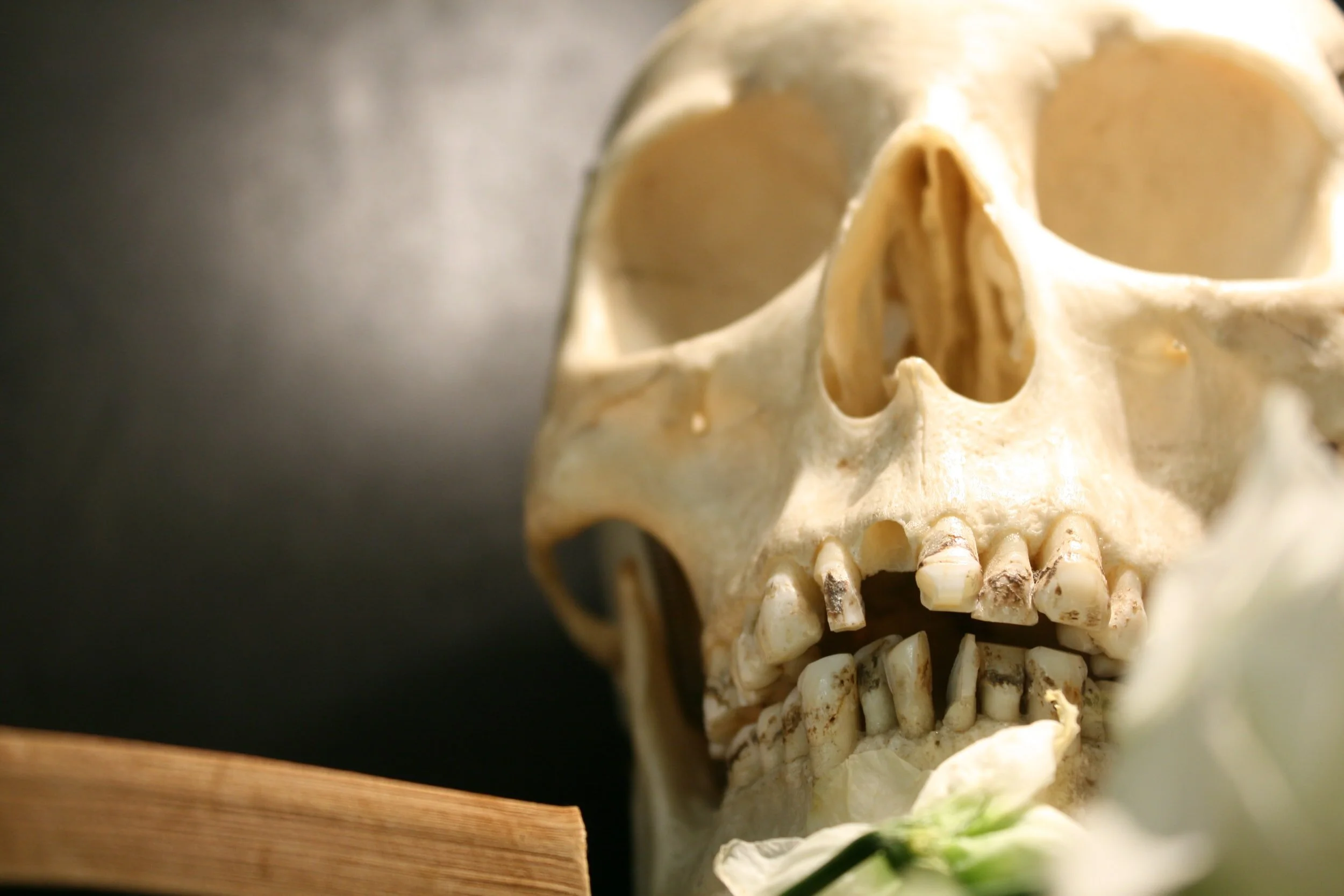
A tiny jaw from Greenland sheds light on the origin of complex teeth
Scientists have described the earliest known example of dentary bone with two rows of cusps on molars and double-rooted teeth. The new findings offer insight into mammal tooth evolution, particularly the development of double-rooted teeth.
A team of scientists led from Uppsala University have described the earliest known example of dentary bone with two rows of cusps on molars and double-rooted teeth. The new findings offer insight into mammal tooth evolution, particularly the development of double-rooted teeth. The results are published in the scientific journal PNAS.
The first mammals originated in the latest Triassic period, around 205 million years ago. An ancestor to mammals were the therapsids, "mammal-like reptiles" referred to as stem mammals or proto-mammals, which originated about 320-300 million years ago. One unique characteristic of the lineage that included mammals and animals related to mammals (synapsids) was that they developed complex occlusion. Close ancestors to mammals, called mammaliaforms, developed rows of cusps on molar-like teeth adapted for more omnivorous feeding. The origin of this multicusped pattern and double-rooted tooth has thus far remained unclear.
A team of scientists led by Grzegorz Niedzwiedzki from Uppsala University have investigated the jaw anatomy and tooth structure of a recently described new mammaliaform species named Kalaallitkigun jenkinsi. It was discovered on the eastern coast of Greenland and was a very small, shrew-like animal, probably covered with fur. It would have been the size of a large mouse and lived during the Late Triassic, around 215 million years ago.
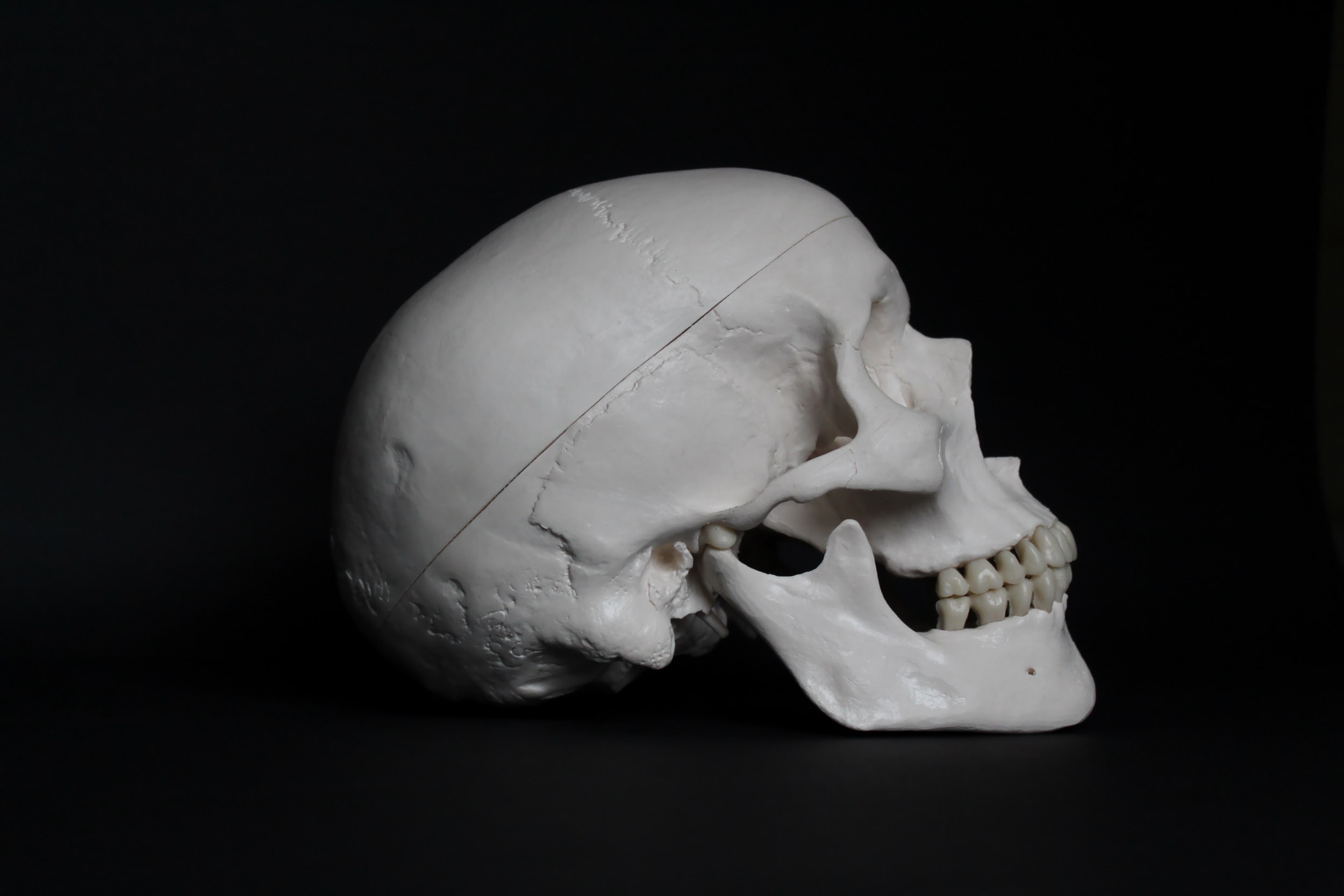
A tiny jaw from Greenland sheds light on the origin of complex teeth
Scientists have described the earliest known example of dentary bone with two rows of cusps on molars and double-rooted teeth. The new findings offer insight into mammal tooth evolution, particularly the development of double-rooted teeth.
A team of scientists led from Uppsala University have described the earliest known example of dentary bone with two rows of cusps on molars and double-rooted teeth. The new findings offer insight into mammal tooth evolution, particularly the development of double-rooted teeth. The results are published in the scientific journal PNAS.
The first mammals originated in the latest Triassic period, around 205 million years ago. An ancestor to mammals were the therapsids, "mammal-like reptiles" referred to as stem mammals or proto-mammals, which originated about 320-300 million years ago. One unique characteristic of the lineage that included mammals and animals related to mammals (synapsids) was that they developed complex occlusion. Close ancestors to mammals, called mammaliaforms, developed rows of cusps on molar-like teeth adapted for more omnivorous feeding. The origin of this multicusped pattern and double-rooted tooth has thus far remained unclear.
A team of scientists led by Grzegorz Niedzwiedzki from Uppsala University have investigated the jaw anatomy and tooth structure of a recently described new mammaliaform species named Kalaallitkigun jenkinsi. It was discovered on the eastern coast of Greenland and was a very small, shrew-like animal, probably covered with fur. It would have been the size of a large mouse and lived during the Late Triassic, around 215 million years ago.
"I knew it was important from the moment I took this 20 mm specimen off the ground," says Niedzwiedzki, researcher at Uppsala University and the corresponding author of the publication.
Kalaallitkigun jenkinsi exhibits the earliest known dentary with two rows of cusps on molars and double-rooted teeth. The anatomical features place Kalaallitkigun jenkinsi as an intermediate between the mammals and the insectivorous morganucodontans, another type of mammaliaform.
The researchers believe that the structural changes in the teeth are related to changed feeding habits. In this case study, the animals were switching to a more omnivorous/herbivorous diet and the tooth crown was expanding laterally. Broader teeth with "basins" on the top surface are better for grinding food. This development also forced changes in the structure of the base of the tooth.
The biomechanical analysis that was carried out within the study found that multi-rooted teeth are better able to withstand mechanical stresses, including those of upper and lower tooth contact during biting, compared to single-rooted teeth. Human teeth, for instance, have this characteristic. The results suggest that the development of molar-like teeth with complex crowns may have developed together with biomechanically optimised dual roots.
"The early evolution of mammals is a particularly interesting topic in evolutionary studies. This tiny jaw from Greenland shows us how complex mammalian teeth arose and why they appeared," says Niedzwiedzki.
"Our discovery of the oldest mammalian ancestor with double-rooted molars shows how important the role of teeth was in the origin of mammals. I had this idea to look at the biomechanics and the collaboration with the engineers turned out great," says Tomasz Sulej, researcher at the Polish Academy of Sciences, first author of the publication.
"It seems that the fossils of close mammalian ancestors must be looked for in even older rocks," says Sulej.

Shark Teeth and Human Dental Biology
What shark research can—and cannot—tell us about human teeth, tooth replacement, and preventive dental care.
Shark teeth are interesting models for studying biology, but they are not a guide to treating human teeth. Research into tooth development does not mean people can replace lost adult teeth naturally or skip ordinary preventive care.
Updated October 1, 2026.
Can shark research explain how human teeth developed?
It can help researchers ask questions, but comparisons need care. A 2021 study summarized by the University of Bristol found that living shark relatives do not represent the ancestral dentition of all jawed vertebrates. Complex arrangements of teeth have changed repeatedly through evolutionary history.
Does this mean tooth regeneration is a treatment option?
The evolutionary study does not establish a treatment for patients. If you have a missing or damaged tooth, decisions should start with an examination and the options appropriate for your mouth. Our guide to dental implants explains one replacement option; a crown may be considered for some damaged teeth.
What is the practical lesson for dental care in Jacksonville?
Focus on protecting the teeth you have. Use fluoride toothpaste appropriate for your needs, clean between teeth, and arrange regular dental examinations. Biology research can improve understanding without changing what an individual patient needs today.
At our San Marco office, an examination connects your symptoms, medical history, and dental findings to a treatment plan. Contact CJ Henley, DMD if you have a tooth concern.
Research source
University of Bristol: the origins of a human smile (2021). This article consolidates the earlier shark-teeth and vertebrate-dentition posts.