


The Gut-Mouth Connection: How Heartburn Medication Impacts Gum Health
Can PPIs protect your gums? Discover the latest research on how heartburn medication affects gum disease severity. Medically-informed dental care in Jacksonville.
Research from the University at Buffalo suggests a surprising link between digestive health and the stability of your gums. The study found that patients using Proton Pump Inhibitors (PPIs)—common medications for heartburn and acid reflux—exhibited significantly less severe symptoms of gum disease (periodontitis).
As a practice focused on Complex & Medically Involved Care, we closely monitor how your systemic medications influence your oral clinical outcomes.
The Data: Smaller "Pockets" and Stronger Foundations
The study analyzed over 1,000 patients and used probing depths (the space between the tooth and gum) as the primary measure of health. Healthy gums fit snugly against the teeth, while deep pockets indicate bone loss and active infection.
The findings were striking:
Severe Disease: Only 14% of teeth in PPI users had deep pockets (6mm+), compared to 24% in non-users.
Moderate Disease: PPI users also showed a significant reduction in 5mm pockets compared to those not taking the medication.
Why Does Heartburn Medicine Affect the Gums?
While more research is needed, scientists believe the link may lie in how PPIs alter two critical systems:
Bone Metabolism: PPIs may influence how the body maintains the alveolar bone that supports your teeth.
The Microbiome: These drugs can shift the balance of bacteria in both the gut and the mouth, potentially reducing the "relative abundance" of harmful, gram-negative bacteria that drive inflammation.
Medically-Informed Periodontal Care
At CJ Henley, DMD, we don't treat the mouth in isolation. Understanding your full medical history—including your use of PPIs or other systemic drugs—is a vital part of our unhurried, two-hour new patient evaluation.
By coordinating with your medical team and understanding these systemic links, we can design more predictable, long-lasting restorative treatments that respect your body's unique physiology.
Reviewed and Updated February 2026

Evidence grows for vaping's role in gum disease
New studies highlight how e-cigarettes alter oral health and may be contributing to gum disease. The latest research finds that e-cigarette users have a unique oral microbiome that is less healthy than nonsmokers but potentially healthier than cigarette smokers, and measures worsening gum disease over time.
A series of new studies by researchers at NYU College of Dentistry highlights how e-cigarettes alter oral health and may be contributing to gum disease. The latest, published in mBio, finds that e-cigarette users have a unique oral microbiome -- the community of bacteria and other microorganisms -- that is less healthy than nonsmokers but potentially healthier than cigarette smokers, and measures worsening gum disease over time.
"To our knowledge, this is the first longitudinal study of oral health and e-cigarette use. We are now beginning to understand how e-cigarettes and the chemicals they contain are changing the oral microbiome and disrupting the balance of bacteria," said Deepak Saxena, who led the research with Xin Li; both are professors of molecular pathobiology at NYU College of Dentistry.
Gum disease affects nearly half of U.S. adults over 30 years of age. Smoking cigarettes is a known risk factor for developing gum disease, but less is known about the impact of e-cigarettes -- which vaporize nicotine and other chemicals -- on oral health, especially the long-term consequences of vaping.
The researchers studied the oral health of 84 adults from three groups: cigarette smokers, e-cigarette users, and people who have never smoked. Gum disease was assessed through two dental exams six months apart, during which plaque samples were taken to analyze the bacteria present.
Changes to gum health
All participants had some gum disease at the start of the study, with cigarette smokers having the most severe disease, followed by e-cigarette users. After six months, the researchers observed that gum disease had worsened in some participants in each group, including several e-cigarette users.
A key indicator of gum disease is clinical attachment loss, measured by gum ligament and tissue separating from a tooth's surface, leading the gum to recede and form pockets. These pockets are breeding grounds for bacteria and can lead to more severe gum disease. In a study of the same participants published in Frontiers in Oral Health, the research team found that clinical attachment loss was significantly worse only in the e-cigarette smokers -- not non-smokers and cigarette smokers -- after six months.
A unique microbiome
The researchers then analyzed the bacteria found in the plaque samples and determined that e-cigarette users have a different oral microbiome from smokers and nonsmokers -- building on findings the team previously reported in iScience and Molecular Oral Microbiology.
While all groups shared roughly a fifth of the types of bacteria, the bacterial makeup for e-cigarette users had strikingly more in common with cigarette smokers than nonsmokers. Several types of bacteria, including Selenomonas, Leptotrichia, and Saccharibacteria, were abundant in both smokers and vapers compared to nonsmokers. Several other bacteria -- including Fusobacterium and Bacteroidales, which are known to be associated with gum disease -- were particularly dominant in the mouths of e-cigarette users.
When plaque samples were gathered and analyzed in the six-month follow-up, the researchers found greater diversity in bacteria for all groups studied, yet each group maintained its own distinct microbiome.
"Vaping appears to be driving unique patterns in bacteria and influencing the growth of some bacteria in a manner akin to cigarette smoking, but with its own profile and risks to oral health," said Fangxi Xu, a junior research scientist in Saxena's lab and the study's co-first author.
An altered immune response
The researchers found that the distinct microbiome in e-cigarette users was correlated with clinical measures of gum disease and changes to the host immune environment. In particular, vaping was associated with different levels of cytokines -- proteins that help regulate the immune system. Certain cytokines are linked to an imbalance in oral bacteria and can worsen gum disease by making people prone to inflammation and infection.
TNFα, a cytokine that causes inflammation, was significantly elevated among e-cigarette users. In contrast, cytokines IL-4 and IL-1β were lower among e-cigarette users; IL-4 tends to be reduced in people with gum disease and increases after treatment, which suggests that certain bacteria in the mouths of e-cigarette users may be actively suppressing immune responses.
The researchers concluded that the distinct oral microbiome of e-cigarette users elicits altered immune responses, which along with clinical markers for gum disease illustrate how vaping presents its own challenge to oral health.
"E-cigarette use is a relatively new human habit," said Scott Thomas, an assistant research scientist in Saxena's lab and the study's co-first author. "Unlike smoking, which has been studied extensively for decades, we know little about the health consequences of e-cigarette use and are just starting to understand how the unique microbiome promoted by vaping impacts oral health and disease."
This research was supported by the National Institute of Dental & Craniofacial Research (DE025992, DE027074), the National Cancer Institute (CA206105), and the NYU Mega-Grants Initiative. The study included additional collaborators from NYU College of Dentistry, NYU Grossman School of Medicine, and the University of Pennsylvania.

Comparative Medicine: Why Oral Health is Vital for Every Family Member
Oral health impacts the heart, liver, and kidneys in both humans and pets. Discover the clinical links between periodontal disease and systemic wellness.
At CJ Henley, DMD, we focus on the specialized needs of Complex & Medically Involved Care in humans, but the biological principles of oral health extend across species. Periodontal disease is the most common dental condition in both humans and our animal companions, and the systemic consequences are remarkably similar.
Just as we coordinate with medical teams through the Baptist MD Anderson Head and Neck Tumor Board to protect human systemic health, veterinary professionals prioritize oral care to prevent damage to vital organs like the heart, liver, and kidneys.
The Systemic Link: More Than Just "Bad Breath"
In both humans and pets, periodontal disease starts with plaque that hardens into tartar. While tartar above the gumline is visible, the most significant damage occurs subgingivally (below the gumline). This hidden infection provides a direct gateway for bacteria to enter the bloodstream, potentially leading to:
Endocarditis: Inflammation of the heart muscle or valves.
Renal and Hepatic Stress: Chronic strain on the kidneys and liver as they filter oral bacteria from the blood.
Bone Loss: Irreversible damage to the jawbone and supporting structures.
The Clinical Standard: Why Professional Intervention Matters
Whether for a person or a pet, a "cleaning" is only effective if it addresses the pathology below the gumline. In veterinary medicine, this requires anesthesia to ensure a thorough, pain-free evaluation and to allow for diagnostic radiographs (X-rays) that reveal the health of tooth roots and the jaw.
In our practice, we utilize a similar philosophy of unhurried, thorough evaluation. We believe that early detection—identifying issues before they cause pain or systemic illness—is the highest standard of care.
Warning Signs of Oral Distress
While pets cannot communicate dental pain verbally, their clinical signs are often identical to the symptoms we treat in our Restorative Dentistry cases:
Discolored teeth or heavy tartar buildup.
Abnormal chewing or difficulty eating.
Swelling around the mouth or jaw.
Changes in behavior or irritability.
A Unified Approach to Wellness
Understanding the shared risks of oral infection helps us appreciate the importance of rigorous clinical standards. Whether we are managing Oncology-Related Dental Care for a human patient or discussing the needs of a family pet, the goal remains the same: protecting the integrity of the body through advanced oral medicine.
Reviewed and Updated February 2026
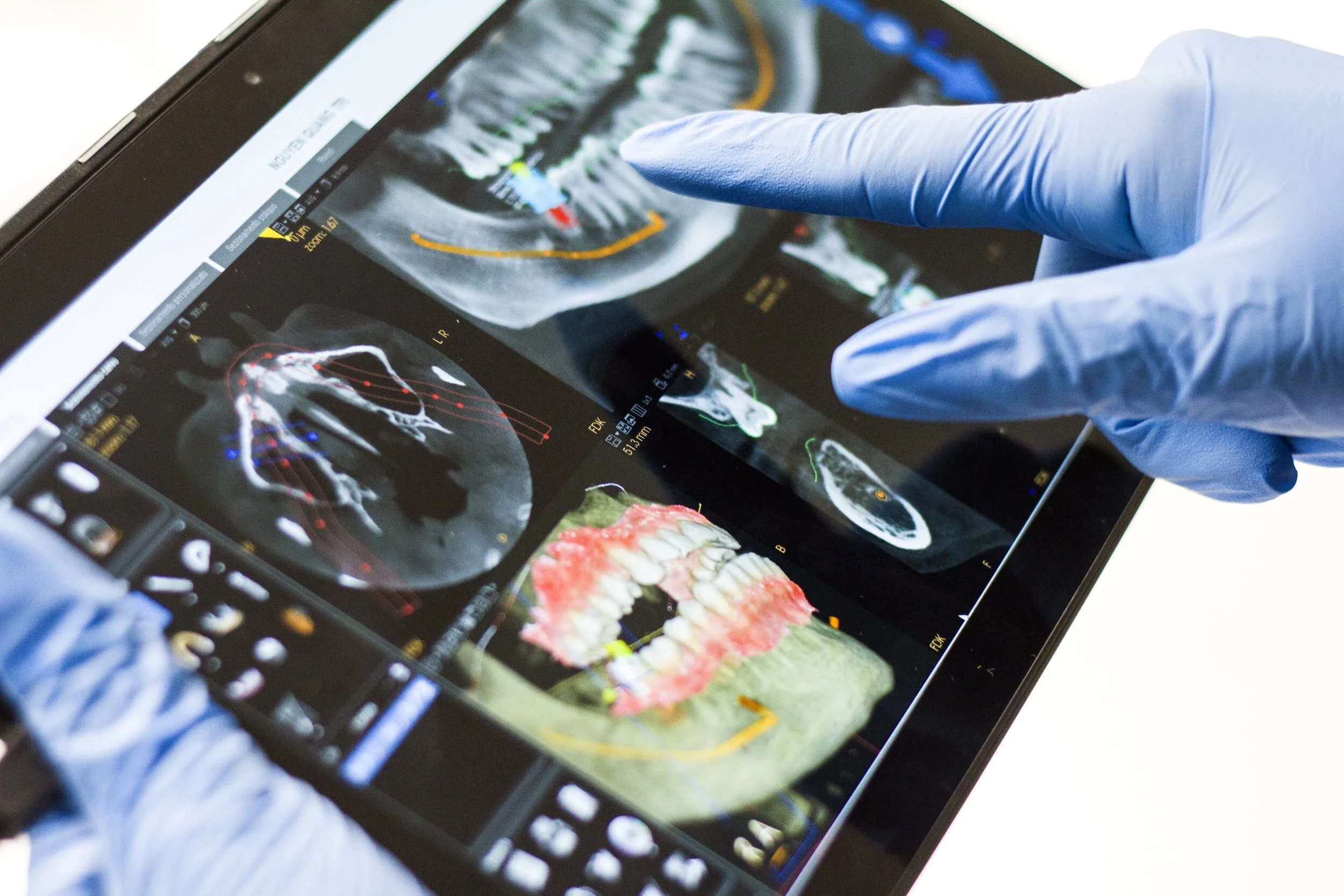
Researchers demonstrate how changing the stem cell response to inflammation may reverse periodontal disease
Scientists have discovered that a specific type of molecule may stimulate stem cells to regenerate, reversing the inflammation caused by periodontal disease.
Periodontal disease, also known as gum disease, is a serious infection that affects nearly 50 percent of Americans aged 30 years and older. If left unchecked, periodontal disease can destroy the jawbone and lead to tooth loss. The disease is also associated with higher risk of diabetes and cardiovascular disease.
The current treatment for periodontal disease involves opening the infected gum flaps and adding bone grafts to strengthen the teeth. But in new research published recently in the journal Frontiers in Immunology, Forsyth Institute scientists have discovered that a specific type of molecule may stimulate stem cells to regenerate, reversing the inflammation caused by periodontal disease. This finding could lead to the development of new therapeutics to treat a variety of systemic diseases that are characterized by inflammation in the body.
For the study, Dr. Alpdogan Kantarci, his PhD student Dr. Emmanuel Albuquerque, and their team removed stem cells from previously extracted wisdom teeth and placed the stem cells onto petri dishes. The researchers then created a simulated inflammatory periodontal disease environment in the petri dishes. Next, they added two specific types of synthetic molecules called Maresin-1 and Resolvin-E1, both specialized pro-resolving lipid mediators from omega-3 fatty acids. The scientists found that Mar1 and RvE1 stimulated the stem cells to regenerate even under the inflammatory conditions.
"Both Maresin-1 and Resolvin-1 reprogrammed the cellular phenotype of the human stem cells, showing that even in response to inflammation, it is possible to boost capacity of the stem cells so they can become regenerative," said Dr. Kantarci, Associate Member of Staff at the Forsyth Institute.
This finding is important because it allows scientists to identify the specific protein pathways involved in inflammation. Those same protein pathways are consistent across many systemic diseases, including periodontal disease, diabetes, heart disease, dementia, and obesity.
"Now that we understand how these molecules stimulate the differentiation of stem cells in different tissues and reverse inflammation at a critical point in time, the mechanism we identified could one day be used for building complex organs" said Dr. Kantarci. "There is exciting potential for reprogramming stem cells to focus on building tissues."

Gum disease may raise risk of some cancers
People with history of gum disease appear to have higher risk of developing oesophageal and gastric cancer, suggest researchers
People who have periodontal (gum) disease may have a higher risk of developing some forms of cancer, suggests a letter published in the journal Gut detailing a prospective study.
US researchers found that a history of periodontal disease appeared to be associated with a raised risk of esophageal (gullet) cancer and gastric (stomach) cancer and this risk was also higher among people who had lost teeth previously.
Previous findings on the relationship of periodontal disease and tooth loss with esophageal and gastric cancer have been inconsistent.
Therefore, a team of researchers from Harvard T.H. Chan School of Public Health, in Boston, USA, carried out a study of data on patients over decades of follow up.
They examined the association of history of periodontal disease and tooth loss with the risk of esophageal and gastric cancer in 98,459 women from the Nurses' Health Study (1992-2014) and 49,685 men from the Health Professionals Follow-up Study (1988-2016).
Dental measures, demographics, lifestyle, and diet were assessed using follow-up questionnaires and self-reported cancer diagnosis was confirmed after reviewing medical records.
The results showed that during 22-28 years of follow-up, there were 199 cases of esophageal cancer and 238 cases of gastric cancer.
A history of periodontal disease was associated with a 43% and 52% increased risk of esophageal cancer and gastric cancer, respectively.
Compared to people with no tooth loss, the risks of esophageal and gastric cancer for those who lost two or more teeth were also modestly higher -- 42% and 33%, respectively.
In addition, among individuals with a history of periodontal disease, no tooth loss and losing one or more teeth were equally associated with a 59% increased risk of esophageal cancer compared to those with no history of periodontal disease and no tooth loss.
Similarly, the same group of individuals had 50% and 68% greater risk of gastric cancer, respectively.

Want to Help Keep Diabetes at Bay? Brush & Floss
There's a new, unexpected reason to keep your pearly whites gleaming: avoiding diabetes.
Recommended Videos
New research found that people who regularly brush their teeth three times a day reduce their risk of type 2 diabetes.
The study also found that people who have dental disease or a lot of missing teeth have a higher risk of developing the blood sugar condition.
"Our study suggested that improved oral hygiene may be associated with a decreased risk of new-onset diabetes," said study author Dr. Yoonkyung Chang. She is a clinical assistant professor of neurology at Ewha Woman's University Mokdong Hospital, in South Korea.
Chang said the researchers don't know what the exact mechanism behind this connection is, but there are a number of possible ways that poor dental health might contribute to diabetes.
"Poor oral hygiene may be related to the chronic inflammatory process," she said. Inflammation affects oral health and can lead to gum disease that creates space in the gum where bacteria can collect. That bacteria may then travel into the body's circulation and trigger immune system responses, which might impair blood sugar control.
But it's difficult to prove a cause-and-effect relationship between dental health and diabetes because many factors involved in poor oral health are also linked to type 2 diabetes.

Red wine compound could help tooth decay and gum disease
Red wine has previously been linked to a range of supposed health benefits, from helping the heart to lowering the risk of diabetes.
Now a new study suggests it contains chemicals that can help in the fight against tooth decay and gum disease.
Researchers found compounds from the drink, known as polyphenols, helped fend off harmful bacteria in the mouth.
Red wine has previously been linked to a range of supposed health benefits, from helping the heart to lowering the risk of diabetes.
Now a new study suggests it contains chemicals that can help in the fight against tooth decay and gum disease. Researchers found compounds from the drink, known as polyphenols, helped fend off harmful bacteria in the mouth. But experts warned that the findings do not offer a "green light" to drink more red wine.
Previous studies have suggested that the health benefits of polyphenols are linked to them being antioxidants that protect the body from harmful free radicals. However, recent studies have indicated that polyphenols might also boost health by working with "good bacteria" in our gut. For this study, in the Journal of Agricultural and Food Chemistry, scientists looked into whether wine polyphenols might also be good for oral health.
Researchers compared the effects of two polyphenols from red wine against grape seed and red wine extract supplements on bacteria that stick to teeth and gums and cause dental plaque, cavities and gum disease. They found the wine polyphenols and extracts all reduced the bacteria's ability to stick to the cells, but the polyphenols - caffeic and p-coumaric acids - were more effective.
When combined with the Streptococcus dentisani - believed to be an oral probiotic, which stimulates the growth of good bacteria - the polyphenols were even better at inhibiting the pathogenic bacteria. The findings, they said, could ultimately lead to new dental treatments.
Red wine is rich in polyphenols but they are also found in a range of other drinks and foods.
- Drinks
- Coffee
- Green tea
- Black tea
- Cider
- Orange juice and lemon juice
- Foods
- Blueberries
- Raspberries
- Kiwis
- Black grapes
- Cherries
- Beans
Wine in moderation
The report's authors acknowledge that their study was limited by the fact it was done outside of the human body with cells that simulated gum tissue. And they said further research was needed to determine more about what was causing the bacteria to be inhibited. They said metabolites which form when the digestion of polyphenols begins in the mouth could also be responsible for some of the effects in the study.
The British Dental Association's scientific adviser, Professor Damien Walmsley, said the study was "interesting" but it did not mean people should start drinking more. "In fact, the acidic nature of wine means that consuming a lot of these drinks will damage the enamel of the teeth," he said. "Therefore, until the benefits of this research are shown clinically, it is best to consume wine in moderation and with a meal to minimise the risk of tooth erosion."
Naveed Sattar, professor of metabolic medicine at the University of Glasgow, said the research was "interesting" but still "very preliminary". "However, the findings do not support drinking more red wine to stop people getting infections," he said. "There is no good evidence that drinking wine per se is overall good for health - on the contrary, more and more evidence from other sources now suggests the less wine or alcohol one drinks, the lower the risks of range of disease and the lower the mortality risks."

History of Gum Disease Increases Cancer Risk in Older Women
Postmenopausal women who have a history of gum disease also have a higher risk of cancer, according to a new study of more than 65,000 women.
Postmenopausal women who have a history of gum disease also have a higher risk of cancer, according to a new study of more than 65,000 women.
The study, led by researchers at the University at Buffalo, is the first national study of its kind involving U.S. women, and the first to focus specifically on older women. It's also the first study to find an association between periodontal disease and gallbladder cancer risk in women or men. The findings were published today (Aug. 1) in the journal Cancer Epidemiology, Biomarkers & Prevention.
"This study is the first national study focused on women, particularly older women," said Jean Wactawski-Wende, the study's senior author.
"Our study was sufficiently large and detailed enough to examine not just overall risk of cancer among older women with periodontal disease, but also to provide useful information on a number of cancer-specific sites," added Wactawski-Wende, dean of UB's School of Public Health and Health Professions and a professor of epidemiology and environmental health.
Periodontal Disease and Breast Cancer: Understanding the Possible Connection

Periodontal disease is a chronic inflammatory condition that affects the gums and supporting structures of the teeth. While it is commonly discussed in the context of oral health, research over the past decade has explored whether chronic inflammation in the mouth may be linked to broader systemic conditions — including certain cancers.
Breast cancer is one area where a possible association has been studied. It’s important to approach this topic carefully: research suggests a potential link, not a direct cause-and-effect relationship. Still, the findings are worth understanding.
What Is Periodontal Disease?
Periodontal disease begins as gingivitis, marked by gum inflammation and bleeding. If left untreated, it can progress to periodontitis, where inflammation leads to loss of bone and connective tissue supporting the teeth.
This condition is driven by:
bacterial biofilm beneath the gums
a sustained inflammatory immune response
changes in the oral microbiome
Because periodontal disease is chronic and inflammatory, researchers have long questioned whether its effects extend beyond the mouth.
Why Inflammation Matters
Chronic inflammation plays a role in many systemic diseases. Persistent inflammatory signaling can influence immune function, hormone regulation, and cellular behavior throughout the body.
Periodontal disease contributes to:
elevated inflammatory markers
intermittent bacteremia (bacteria entering the bloodstream)
immune system activation over long periods of time
These mechanisms are what prompted researchers to explore associations between gum disease and conditions such as cardiovascular disease, diabetes, and certain cancers.
What the Research Suggests About Breast Cancer
Several large observational studies have reported an association between periodontal disease and an increased incidence of breast cancer. Importantly:
These studies show correlation, not causation
Periodontal disease does not cause breast cancer
Many shared risk factors exist, including smoking, inflammation, hormonal influences, and immune response differences
Some researchers hypothesize that chronic oral inflammation or changes in oral bacteria may influence systemic inflammatory pathways. Others suggest periodontal disease may simply be a marker of overall inflammatory burden rather than a direct contributor.
At present, no evidence supports the idea that treating periodontal disease prevents breast cancer — but maintaining oral health remains an important part of overall wellness.
What This Means for Patients
The takeaway is not fear — it’s perspective.
Good periodontal health:
reduces chronic inflammation
supports immune system balance
protects oral structures long term
contributes to overall health awareness
For patients with a history of cancer, those undergoing treatment, or those managing complex medical conditions, maintaining healthy gums is especially important. Cancer therapies can affect oral tissues, saliva production, and healing capacity, making prevention and early management essential.
Oral Health as Part of Whole-Body Care
Dentistry does not exist in isolation from the rest of the body. Periodontal disease is one example of how oral health and systemic health intersect — not through simple cause-and-effect relationships, but through shared biological pathways.
Understanding these connections allows care to be more thoughtful, individualized, and preventative rather than reactive.
A Thoughtful, Evidence-Based Approach
Claims about oral health and cancer should always be evaluated carefully. Sound care is grounded in evidence, context, and restraint — not headlines or fear-based messaging.
Maintaining healthy gums is an important part of long-term health, but it is one piece of a much larger picture that includes genetics, lifestyle, medical care, and preventive screening.
About the Author
CJ Henley, DMD, is a dentist in private practice in the San Marco area of Jacksonville, Florida. A graduate of the University of Florida College of Dentistry, he has served as Courtesy Faculty for his alma mater and is a former President of the Northeast District Dental Association.
Beyond private practice, Dr. Henley serves on the Head and Neck Tumor Board at the MD Anderson Cancer Center, where he collaborates with oncologists and specialists to manage the complex oral health needs of patients undergoing cancer treatment. He is dedicated to an evidence-based approach that recognizes the vital connection between periodontal health and whole-body wellness.
Reviewed and updated January 2026