


October is National Dental Hygiene Month
Five practical oral hygiene habits for Jacksonville patients: gentle brushing, cleaning between teeth, fluoride toothpaste, and regular dental visits.

5 Simple Habits for a Lifetime of Dental Health
Master the Two-Minute Drill
Brush twice a day with fluoride toothpaste. Replace your toothbrush (or electric head) every 3-4 months. Frayed bristles don't clean—they just move bacteria around.
Floss Like a Boss
Brushing only cleans 60% of your teeth. Use floss or a water flosser daily to hit the hidden spots where cavities start.
The Power of the Rinse
Antibacterial mouthwash reaches your cheeks and tongue, killing the germs that brushing misses and keeping your breath fresh longer.
Eat for Your Enamel
Fuel up on calcium-rich foods and avoid "grazing." Constant snacking keeps your mouth acidic; give your saliva time to naturally protect your teeth.
Partner with the Pros
Professional cleanings remove tartar that home brushing can't. Regular exams catch small issues before they become big, expensive ones.

Good toothbrushing habits in children linked to mother's wellbeing
Researchers have shown that postpartum depression can inhibit a mother's ability to instill healthy tooth brushing habits in children. The study demonstrates the need to foster greater mental support and management for mothers and incorporate these factors when assessing children's oral health.
A mother's mental health may play a larger role in a child's toothbrushing habits than previously thought.
It is no secret that brushing your teeth twice a day is highly effective in promoting healthy teeth and gums. The International Association of Pediatric Dentistry advocates brushing with toothpaste containing fluoride to prevent decayed, missing, or filled teeth -- known as childhood dental caries (ECC) -- in children.
Parents are instrumental in instilling good dental habits in their children.
In Japan, there is a worryingly high prevalence of ECC among children aged 3 years old. Postpartum depression and/or lack of affection caused by bonding disorders hamper a mother's ability to cultivate healthy dental practices in children, and researchers were keen to explore this link.
Dr Shinobu Tsuchiya from Tohoku University Hospital led a research group that analyzed approximately 80,000 mother-infant pairs from the Ministry of Environment's Japan Environment and Children's Study.
They found children with mothers suffering from postpartum depression or bonding disorders brushed their teeth less often. Likewise, the frequency with which children brushed their teeth increased when mothers showed strong affection towards their children.
The research group hopes their research will foster greater mental support and management for mothers and that doctors will incorporate these factors when assessing children's oral health.
"A mother's psychological well-being provides valuable screening information for identifying children at a high risk of ECC," said Tsuchiya
In future studies, Tsuchiya and her team hope to examine other environmental influences on poor oral health.

Are You Brushing Your Teeth Too Hard?
If you have sensitive teeth, brushing too hard or using the wrong toothbrush altogether can make symptoms worse. Learn the proper technique for brushing your teeth.
Brushing harder does not clean your teeth better. Gentle brushing with a soft-bristled brush helps remove plaque while reducing unnecessary pressure on teeth and gums. If your gums are receding or your teeth are sensitive, have the cause checked rather than simply changing brushes.
How should I brush without scrubbing my gums?
Use a soft-bristled brush, light pressure, and small controlled movements along the gumline. Brush twice a day with fluoride toothpaste and clean between teeth daily. Ask your dental team to watch your technique if you are unsure. A brush with visibly splayed bristles may be a reason to reassess the pressure you use.
Is brushing too hard the only cause of receding gums?
No. Gum disease, tooth position, and other factors can contribute. Recession means the gum margin has moved away from part of the tooth, sometimes exposing the root. The appearance alone does not show why it happened or which treatment is appropriate. A comprehensive dental examination can assess the gums, roots, cleaning habits, and surrounding teeth.
Can receding gums cause sensitivity?
Exposed root surfaces can be sensitive, but decay, cracks, and other problems can also cause discomfort. Our tooth-sensitivity guide explains reasons to seek an evaluation. A toothpaste chosen for your needs may help with symptoms; it does not establish the diagnosis.
What treatments are available for gum recession?
The first step is identifying and addressing the cause. That may involve improving cleaning technique, treating gum disease, managing sensitivity, or discussing specialist care when appropriate. A gum graft is an option in selected cases, rather than an automatic treatment for every receding gum.
Should bleeding gums be checked?
Yes, especially if bleeding persists or concerns you. Bleeding can reflect inflammation, brushing trauma, medication effects, or other factors. Do not assume the solution is harder brushing. Our diet and dental-health guide also explains why supplements do not replace a gum examination.
Get brushing advice in Jacksonville
At CJ Henley, DMD on Hendricks Avenue near San Marco, bring your brush or describe your home routine at your next visit. We can connect practical home-care advice with your examination findings. Contact the office if you notice new recession, bleeding, or sensitivity.
Further reading: ADA: Bleeding gums; ADA: Gum disease.
Updated October 1, 2026.

10 Dental Myths, Debunked
There are many misconceptions about what it takes to keep your teeth healthy. Separate fact from fiction.
When it comes to taking care of your smile, there are plenty of misconceptions out there. But while good oral health can be achieved in just minutes a day, the wrong practices can cause irreversible damage. Here's what you need to know.
Myth: The harder you brush, the cleaner you'll get your teeth.
The real deal: Brushing too hard or with too abrasive of a toothbrush (medium or firm) can actually harm your teeth by eroding some of the hard enamel that protects the inside of the tooth from cavities and decay. "I see it so much where people feel like they're getting them more clean, but actually it wears away enamel and even the gums," says Ana Paula Ferraz-Dougherty, DMD, a dentist in San Antonio, Texas, and a spokesperson for the American Dental Association. "I always recommend a soft-bristled brush."
————————————————————————————————————————————————————-
Myth: Flossing isn't really necessary anymore.
The real deal: The recommendation to floss regularly was recently removed from the government's Dietary Guidelines for Americans based on a lack of strong evidence for the practice. However, a lack of strong evidence doesn’t necessarily mean that flossing is not effective. In fact, many dentists — including Dr. Ferraz-Dougherty — haven't changed their ways or their recommendations. "I totally believe in flossing," she says. "Intuitively, it makes sense that there is buildup you can only remove by flossing, and I see the difference every day." It’s important to still follow your dentist’s recommendation on brushing and flossing.
————————————————————————————————————————————————————-
Myth: Chewing sugar-free gum is just as good as brushing.
The real deal: If only this were true, kids everywhere would jump for joy. Chewing sugar-free gum, especially gum with xylitol, can have a protective effect on the teeth. Gum encourages saliva production, which helps to wash away enamel-eroding acids from foods, drinks, and even stomach acid in the case of issues like acid reflux. And xylitol helps to redouble the effects of saliva.
But chewing gum still doesn't replace brushing and flossing when it comes to removing plaque from all the surfaces of your teeth. You should brush at least twice a day for about two minutes, says Ferraz-Dougherty.
————————————————————————————————————————————————————-
Myth: If your gums bleed when you floss, it's best to leave them alone.
The real deal: "The reason our gums bleed is due to inflammation," explains Ferraz-Dougherty. Often it happens when bacteria and plaque get stuck in between our teeth where toothbrush bristles don't reach properly. Over time the bacteria builds up and causes the gums to become inflamed. Bleeding is part of that process.
If you floss once a month (or just before going to the dentist), it's likely you'll notice your gums bleeding. "That's a sign telling you something is going on there," says Ferraz-Dougherty. Make flossing a daily habit and the inflammation — and the bleeding — will go away with time.
————————————————————————————————————————————————————-
Myth: You've been slacking on brushing and flossing and have a dentist appointment coming up. As long as you brush well before going in, no one will know, right?
The real deal: Sorry to break it to you, but you're not getting away with anything. "We can tell," says Ferraz-Dougherty. Without regular brushing and flossing, hard tartar forms around your teeth and at a certain point you can't get it off with brushing alone. Plus, you can't undo the inflammation in your gums that occurs when plaque and tartar have accumulated over six months with just a few days of flossing. "Bleeding gums and the amount and location of tartar are the giveaways," says Ferraz-Dougherty.
————————————————————————————————————————————————————-
Myth: When it comes to cavities, sugar is the main culprit.
The real deal: When you think of cavities, you might think of lollipops and other sweet and sticky treats. But crackers and chips might be even worse for your teeth, says Ferraz-Dougherty. "It has to do with the starchiness," she explains. "It's carbohydrates in general — they have the sugars that break down the teeth, but they also really stick to your teeth."
————————————————————————————————————————————————————-
Myth: If you have sensitive teeth, it means you have worn away too much of the enamel on your teeth.
The real deal: Sensitivity is a key symptom of the loss of enamel, the hard protective layer on the outside of your teeth. But it can be caused by other factors as well, such as gum recession, or even the use of whitening toothpastes. "The hydrogen peroxide [used for whitening] can penetrate to remove stains," Ferraz-Dougherty says, "And it penetrates through the enamel into the layer beneath, which is the more sensitive part of the tooth." The good news: If your sensitivity is caused by teeth whitening, switching to a more gentle toothpaste can help improve symptoms.
————————————————————————————————————————————————————-
Myth: Gum disease is only a problem for your mouth.
The real deal: Your dentist might be the first one to notice it, but if you have gum disease you're more likely to have health issues such as diabetes and hypertension, as well as certain types of cancers that are related to chronic inflammation, says Ferraz-Dougherty.
————————————————————————————————————————————————————-
Myth: The whiter your teeth are, the healthier they are.
The real deal: This can be true but not always. "Our teeth are naturally white," says Ferraz-Dougherty. And many of the things that cause our teeth to get darker or become yellow are unhealthy, like smoking.
But there are also plenty of things that can darken the color of our teeth that aren't necessarily unhealthy, such as medication, stains from foods and drinks, or just the natural process of aging.
————————————————————————————————————————————————————-
Myth: If nothing is bothering you, you don’t need a dental checkup.
The real deal: "This is one of the biggest misconceptions," says Ferraz-Dougherty. "With a lot of dental issues, you don't necessarily feel pain right away. I have to explain to patients and educate them that with cavities and gum disease you don't always feel it." The problem is once the symptoms appear, it's often a bigger issue. If you wait until a cavity hurts to get it checked out, you could end up needing a root canal or an extraction that could have been prevented with regular checkups.
"The point of going to the dentist is so we can prevent things happening to the teeth to protect them and notice things before they become an issue," says Ferraz-Dougherty.
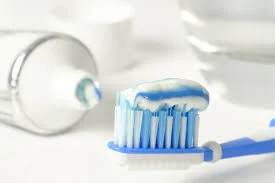
Beyond tooth decay: why good dental hygiene is important
Most of us are aware that poor dental hygiene can lead to tooth decay, gum disease and bad breath - but not brushing your teeth could also have consequences for more serious illnesses.
Alzheimer's disease
In 2010, researchers from New York University (NYU) concluded that there is a link between gum inflammation and Alzheimer's disease, after reviewing 20 years of data on the association.
The American Dental Hygienists' Association recommend that we should brush for 2 minutes, twice daily. However, the number of participants in the NYU study was fairly small. The researchers analyzed data from 152 subjects enrolled in the Glostrop Aging Study - a study looking at psychological, medical and oral health in Danish men and women. The study spanned a 20-year period and ended in 1984, when the subjects were all over the age of 70.
Comparing cognitive function at ages 50 and 70, the NYU team found that gum disease at the age of 70 was strongly associated with low scores for cognitive function. Study participants were nine times more likely to have a score in the lower range of the cognitive test - the "digit symbol test" (DST) - if they had inflammation of the gums. Although this study took into account potentially confounding factors like obesity, cigarette smoking and tooth loss unrelated to gum inflammation, there was still a strong association between low DST score and gum inflammation.
In 2013, UK-based researchers from the University of Central Lancashire (UCLan) built on the findings of this study, by comparing brain samples from 10 living patients with Alzheimer's with 10 brain samples from people who did not have the disease.
Analysis showed that a bacterium - Porphyromonas gingivalis - was present in the Alzheimer's brain samples but not in the samples from the brains of people who did not have Alzheimer's. What was interesting was that P. gingivalis is usually associated with chronic gum disease.
The team followed up this research in 2014 with a new mouse study, the results of which were published in the Journal of Alzheimer's Disease. Medical News Today spoke to co-author Dr. Sim K. Singhrao regarding the findings.
Dr. Singhrao says that there is sufficient scientific evidence to show that two of the three gum disease-causing bacteria are capable of motion (or "motile") and have been consistently found in brain tissue.
"These motile bacteria can leave the mouth and enter the brain via two main routes," he explains. "They can use their movement capability to directly enter the brain. One of the paths taken is to crawl up the nerves that connect the brain and the roots of teeth. The other path is indirect entry into the brain via the blood circulation system."
In a patient who has bleeding gums, says Dr. Singharo, the gum disease-causing bacteria will enter the blood stream every time they clean their mouth and even when they eat food.
He continues: "P. gingivalis is particularly interesting as it has found ways to hitch a lift from red blood cells when in the blood stream and instead of getting 'off the red blood cell bus' in the spleen, they choose to get off in the brain at an area where there are no immune checkpoints. From there, they spread to the brain at their will. In addition, in older individuals, the blood vessels tend to enlarge and become leaky."
"The published work confirmed P. gingivalis placed in the mouths of mice finds its way to the brain once gum disease becomes established first," Dr. Singhrao concludes. "Furthermore, our hypothesis is strengthened by the recent results demonstrating that the chemicals released by the brain's immune system in response to P. gingivalis reaching the brain 'inadvertently' damage functional neurons in the area of the brain related to memory."
Pancreatic cancer
A research team from Harvard School of Public Health in Boston, MA, were the first to report strong evidence on a link between gum disease and pancreatic cancer, back in 2007.
Researchers are unable to prove whether the periodontitis bacteria are a cause or result of pancreatic cancer - current research can only prove that the two are linked. The type of gum inflammation associated with pancreatic cancer in the study was periodontitis, which affects the tissue that support the teeth and can cause loss of bone around the base of the teeth.
The other main kind of gum disease - gingivitis; where the tissue around the teeth becomes inflamed - was not linked to increased cancer risk. However, gingivitis can lead to periodontitis if persistent. Gingivitis happens when bacteria in the plaque around the base of the teeth build up due to bad dental hygiene.
Examining data on gum disease from the Health Professionals Follow-Up Study, which involved a cohort of more than 51,000 men and began collecting data in 1986, the Harvard researchers found that men with a history of gum disease had a 64% increased risk of pancreatic cancer compared with men who had never had gum disease.
The greatest risk for pancreatic cancer among this group was in men with recent tooth loss. However, the study was unable to find links between other types of oral health problems - such as tooth decay - and pancreatic cancer.
The researchers suggest that there may be a link between high levels of carcinogenic compounds found in the mouths of people with gum disease and pancreatic cancer risk. They argue that these compounds - called nitrosamines - may react to the digestive chemicals in the gut in a way that creates an environment favorable to the development of pancreatic cancer.
However, a follow-up study from the team in 2012 was unable to prove whether the periodontitis bacteria are a cause or result of pancreatic cancer - the study could only prove that the two were linked.
"This is not an established risk factor," admitted author Dominique Michaud. "But I feel more confident that something is going on. It's something we need to understand better."
Heart disease
Perhaps more well established is the association between dental hygiene and heart disease. "The mouth is probably the dirtiest place in the human body," said Dr. Steve Kerrigan.
In 2008, MNT reported on research from joint teams at the University of Bristol in the UK and the Royal College of Surgeons in Dublin, Ireland, who found that people with bleeding gums from poor dental hygiene could be increasing their risk of heart disease.
The researchers found that heart disease risk increased because - in people who have bleeding gums - bacteria from the mouth is able to enter the bloodstream and stick to platelets, which can then form blood clots, interrupting the flow of blood to the heart and triggering a heart attack.
"The mouth is probably the dirtiest place in the human body," said Dr. Steve Kerrigan from the Royal College of Surgeons, explaining that there are up to 700 different types of bacteria co-existing in our mouths.
Prof. Howard Jenkinson, from the University of Bristol, added: "Cardiovascular disease is currently the biggest killer in the western world. Oral bacteria such as Streptococcus gordonii and Streptococcus sanguinis are common infecting agents, and we now recognise that bacterial infections are an independent risk factor for heart diseases."
The Bristol University researchers investigated how the bacteria interact with platelets by mimicking the pressure inside the blood vessels and the heart. Prof. Jenkinson's team found that the bacteria use the platelets as a defense mechanism.
By clumping the platelets together, the bacteria are able to completely surround themselves. This platelet armor shields the bacteria from attack by immune cells and makes them less detectable to antibiotics.
Although some of the associations we have looked at in this spotlight feature are still under investigation, good dental hygiene remains important for lowering risk of a variety of conditions.
The American Dental Hygienists' Association (ADHA) recommend that we should brush for 2 minutes, twice daily. The ADHA guidelines also stress the importance of flossing daily and rinsing with mouthwash. You can read the full recommendations on the ADHA website.
Source: Most of us are aware that poor dental hygiene can lead to tooth decay, gum disease and bad breath - but not brushing your teeth could also have consequences for more serious illnesses.
Source: https://www.medicalnewstoday.com/articles/283649.php

How To Brush Correctly
Here is a simple video from Colgate that will help you brush better!