


How to Deal With a Dental Emergency
Got a cracked tooth or a cut in your mouth? It could require immediate dental care. Find out what to do in these 11 dental emergencies.
For a knocked-out permanent tooth, a significant dental injury, severe tooth pain or painful swelling, contact a dentist promptly. Difficulty breathing or swallowing, rapidly spreading facial or neck swelling, or serious uncontrolled bleeding requires emergency medical care.
Should I call a dentist or go to the emergency department?
Call 911 or go to an emergency department for breathing or swallowing difficulty, rapidly spreading swelling or a serious injury. For a painful tooth or broken restoration without these danger signs, contact a dentist for guidance. Our emergency dental care page explains the office contact route; availability must be confirmed.
What should I do with a knocked-out tooth?
For a permanent tooth, hold the crown—the part normally visible in the mouth—rather than the root. If dirty, rinse it gently without scrubbing. If it can safely be placed back in the socket, do so without forcing it. Otherwise keep it moist in milk or an appropriate tooth-preservation solution and seek a dentist immediately. Do not delay while waiting for a preferred appointment.
Do not put a knocked-out baby tooth back into its socket. A child still needs prompt dental evaluation after the injury.
What if a tooth cracks or a crown comes out?
Keep any recovered crown or fragment and contact the dentist. Do not use household glue. Avoid chewing on the affected tooth until you receive instructions. Read why a damaged tooth may need a crown for background after the urgent problem is assessed.
What can I do for a toothache while arranging care?
Gently clean around the tooth and remove trapped food with floss if you can do so comfortably. Do not place aspirin against the tooth or gums. Read our tooth-pain guide to help describe the symptoms; it does not replace an examination.
How do I contact the Jacksonville office?
Contact C.J. Henley, DMD at 3675 Hendricks Avenue, Jacksonville, FL 32207, near San Marco. Explain the injury or symptoms, when they began and whether there is swelling. If you cannot reach a dentist and the problem is urgent, seek another available dental provider; do not wait through worsening symptoms.
Sources: ADA dental emergency guidance, AAE knocked-out tooth guidance and American Academy of Pediatrics tooth injury guidance.
Updated October 1, 2026.

10 Biggest Causes of Tooth Sensitivity
Are your teeth tender? From acidic foods to certain toothpastes, a number of culprits could be to blame.
Sensitive teeth can hurt with cold drinks, hot foods or brushing. There is more than one possible cause, so the useful first step is to identify the trigger and have persistent symptoms checked.
What can cause tooth sensitivity?
Ten possibilities to discuss with your dentist include:
Exposed roots from gum recession.
Loss of enamel protection.
Brushing too forcefully.
Acid exposure.
Tooth decay.
A cracked tooth.
A worn or damaged filling.
Gum disease.
Recent restorative treatment.
Recent whitening.
These are possibilities, not a diagnosis or a ranking of which cause is most likely for you. Tell the dentist whether one tooth or several are affected and whether the discomfort stops quickly or lingers.
Can toothpaste help?
Desensitizing toothpaste can help some forms of sensitivity, but it does not repair a crack or cavity. Use it as directed and discuss persistent symptoms. Our toothpaste guide explains how to compare products.
What if the sensitivity began after a filling?
Recent treatment belongs in the history. Read our specific guide to pain after a filling and contact the treating dentist if the symptoms worsen, linger or occur when you bite. Do not assume every new symptom is part of normal healing.
What if I also grind my teeth?
Mention clenching, morning jaw discomfort and changes in your bite at the appointment. Our bruxism information explains how tooth wear and jaw symptoms are evaluated. A guard does not substitute for finding the cause of a painful tooth.
When should I have sensitive teeth checked?
Arrange an examination for recurring sensitivity, a single painful tooth or discomfort that interferes with eating. Review urgent dental care if pain is severe or accompanied by swelling.
Discuss sensitive teeth in Jacksonville
Contact C.J. Henley, DMD on Hendricks Avenue near San Marco. Bring the names of products you use and explain when the symptoms started. A comprehensive dental examination can connect the symptom pattern with the condition of the teeth and restorations.
Further reading: American Dental Association: sensitive teeth.
Updated October 1, 2026.

Sinus infection and tooth pain: What is the connection?
A sinus infection, or sinusitis, occurs when viruses or bacteria infect the sinus linings. The results can be uncomfortable symptoms, including facial pain and pressure, runny nose, headache, and, sometimes, tooth pain.

Sinus infections, also known as sinusitis, commonly cause facial pressure, congestion, headaches, and nasal drainage. Less commonly—but often more confusing for patients—they can also cause tooth pain. Understanding why this happens can help distinguish sinus-related discomfort from a true dental problem.
How Sinuses and Teeth Are Connected
The sinuses are air-filled cavities within the bones of the face and skull. The maxillary sinuses, located behind the cheeks and above the upper teeth, are the sinuses most closely associated with dental pain.
The roots of the upper premolars and molars often sit very close to the floor of the maxillary sinuses. In some individuals, the roots are separated from the sinus cavity by only a thin layer of bone or tissue. Because of this close anatomical relationship, inflammation or pressure within the maxillary sinus can be perceived as pain in the upper teeth.
The sinuses, teeth, and surrounding facial structures also share common nerve pathways. When the sinus lining becomes inflamed or swollen during an infection, pressure can be transmitted through these shared nerves, creating pain that feels dental in origin even when the teeth themselves are healthy.
Why Sinus Infections Can Cause Tooth Pain
During a sinus infection, the sinus lining becomes inflamed and swollen, and normal drainage of mucus is impaired. As pressure builds within the maxillary sinuses, it can compress nearby nerves and tissues.
This pressure most often presents as:
• A dull, aching pain in the upper back teeth
• Pain affecting multiple teeth on one side
• Discomfort that worsens when bending forward or lying down
• Tooth pain accompanied by congestion, facial pressure, or headache
Unlike dental pain caused by decay or infection, sinus-related tooth pain is usually not triggered by chewing, temperature changes, or biting pressure.
Can Tooth Problems Cause Sinus Infections?
The relationship between teeth and sinuses can also work in the opposite direction. Infections of the upper teeth—particularly abscesses involving the molars—can sometimes spread into the maxillary sinuses. This is known as odontogenic sinusitis and requires treatment of the underlying dental source in addition to managing sinus inflammation.
Because symptoms can overlap, distinguishing between a sinus infection and a dental problem often requires a clinical examination and, in some cases, dental imaging.
When to See a Dentist vs. a Physician
Dental evaluation is recommended if:
• Tooth pain is localized to a single tooth
• Pain worsens with chewing or biting
• There is swelling of the gums or face
• Symptoms persist after sinus symptoms improve
Medical evaluation is appropriate if:
• Tooth pain is accompanied by congestion, nasal discharge, or facial pressure
• Pain affects multiple upper teeth
• Symptoms worsen when bending forward
• There is a recent history of sinus infection or upper respiratory illness
In some cases, both dental and sinus evaluations are necessary to identify the true source of discomfort.
Getting an Accurate Diagnosis
Because sinus infections and dental problems can mimic each other, self-diagnosis is unreliable. A thorough dental examination allows evaluation of the teeth, gums, and surrounding structures to determine whether pain is dental in origin or referred from the sinuses. When dental causes are ruled out, appropriate medical treatment can be pursued with confidence.
If you are experiencing persistent tooth pain or facial discomfort, professional evaluation is the best way to identify the cause and guide proper treatment.
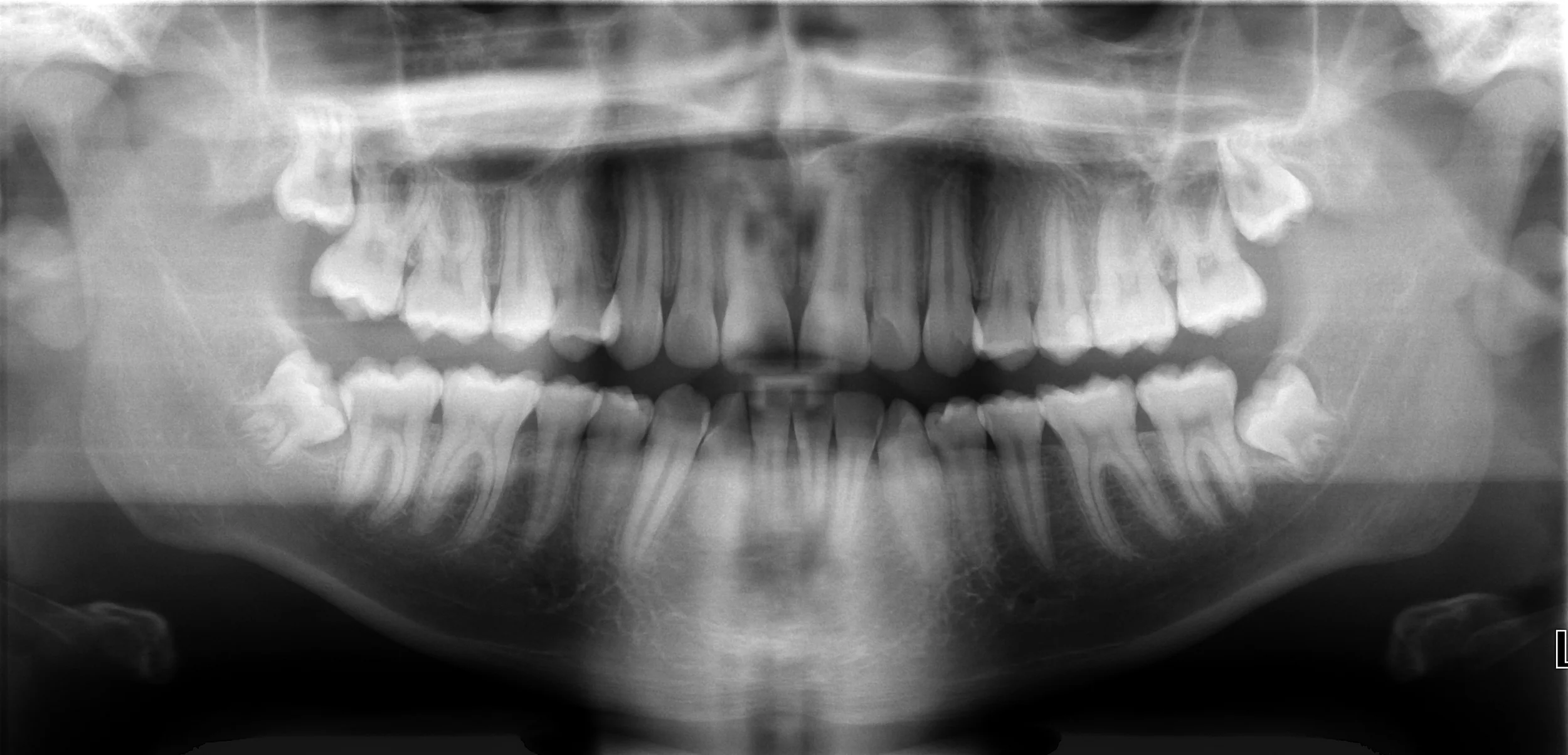
Top 6 Reasons Your Tooth Has Been Hurting You
Not all toothaches are the same! Depending on the symptoms, toothaches can require different treatments. Understanding these symptoms can help Dr. Henley or Dr. Kelly determine how to help you feel better, faster.

Tooth pain can come from decay, a damaged restoration, a crack, exposed roots or inflammation inside a tooth. The pattern helps guide a dental examination, but symptoms alone cannot confirm a diagnosis.
Not all tooth pain is the same. The type, timing, and triggers of a toothache often point to very different underlying causes—and different treatments. Understanding these patterns helps your dentist identify the problem more quickly and get you relief sooner.
Why does my tooth hurt briefly with hot or cold foods?
What it usually means
Brief sensitivity does not identify the cause by itself. Short-lived sensitivity is often caused by gum recession, a small cavity, exposed root surfaces, or a filling that is beginning to leak.
What helps
Desensitizing toothpaste can significantly reduce symptoms, especially for cold sensitivity. These products require consistent use and may take up to two weeks to reach full effectiveness. If sensitivity persists or worsens, a dental evaluation is recommended to rule out underlying decay or restoration issues.
Why is my tooth sensitive after dental treatment?
What it usually means
Dental procedures can temporarily irritate the nerve inside a tooth. Sensitivity to hot or cold after treatment is common and often resolves as the tooth settles.
What helps
Recovery varies with the procedure and the tooth. Read our guide to tooth pain after a filling. If sensitivity is increasing, lingering, or accompanied by biting pain, your dentist should evaluate the area to ensure the bite and restoration are functioning properly.
Why does my tooth hurt when I bite or chew?
What it usually means
Pain with pressure often suggests a crack or fracture in the tooth. It can also indicate inflammation around the root or an early dental abscess. In some cases, the bite may be uneven following recent dental work.
What helps
This type of pain should be evaluated promptly. Depending on the cause, treatment may involve adjusting the bite, placing a crown, or performing root canal therapy to address infection or nerve involvement.
What does lingering pain after hot or cold mean?
What it usually means
Pain that continues for several seconds or minutes after temperature exposure often indicates that the tooth’s nerve is inflamed or beginning to fail.
What helps
This type of pain frequently requires root canal treatment to remove the damaged nerve and relieve symptoms. Early evaluation can prevent worsening infection and reduce the risk of complications.
Is severe tooth pain with swelling urgent?
What it usually means
Severe, unrelenting pain—especially when accompanied by swelling, pressure, or tenderness—often signals a dental infection at the root of the tooth. In many cases, the nerve has already died.
What helps
Dental infections should be treated urgently. Treatment depends on the diagnosis and may involve drainage, root canal therapy or extraction. Antibiotics are used when indicated; they do not replace treatment of the source. Delaying treatment can allow infection to spread and, in rare cases, become medically serious.
Can sinus pressure feel like a toothache?
What it usually means
Sinus infections can closely mimic tooth pain, particularly in the upper back teeth. The maxillary sinuses sit just above these teeth, and sinus inflammation can create pressure that feels dental in origin.
What helps
A dental evaluation can determine whether the pain is coming from the teeth or the sinuses. If dental causes are ruled out, your physician can advise whether treatment for a sinus condition is appropriate.
When to Schedule an Evaluation
Tooth pain is rarely something to ignore. If discomfort is persistent, worsening, or interfering with daily activities, a professional examination is the best way to identify the cause and determine appropriate treatment. Early diagnosis often means simpler, more comfortable solutions.
Where can I have tooth pain evaluated in Jacksonville?
C.J. Henley, DMD sees patients at 3675 Hendricks Avenue, Jacksonville, FL 32207, near San Marco. Contact the office to describe when the pain began, what triggers it and whether you have swelling. For a problem that needs prompt attention, review our emergency dental care information.
When should I seek emergency medical help?
Difficulty breathing or swallowing, or rapidly spreading facial or neck swelling, requires emergency medical care. Call 911 or go to an emergency department rather than waiting for a dental appointment.
Further reading: American Association of Endodontists: tooth pain.
Updated October 1, 2026