


A Parent's Guide To Early Childhood Dental Issues
In order to help your child have a healthy, a happy smile for their entire life, start thinking about dental care at an early age. You can help keep your child’s teeth healthy by practicing good dental hygiene and visiting dentist no later than your child’s first birthday. Check out the infographic for more information.


How To Brush Correctly
Here is a simple video from Colgate that will help you brush better!

Is Sparkling Water Bad for My Teeth?
Is the satisfying fizz of your favorite sparkling water putting you at risk for tooth decay? Because any drink with carbonation—including sparkling water—has a higher acid level, some reports have questioned whether sipping sparkling water will weaken your tooth enamel (the hard outer shell of your teeth where cavities first form).
Is the satisfying fizz of your favorite sparkling water putting you at risk for tooth decay? Because any drink with carbonation—including sparkling water—has a higher acid level, some reports have questioned whether sipping sparkling water will weaken your tooth enamel (the hard outer shell of your teeth where cavities first form).
So, Is Sparkling Water Affecting My Teeth?
According to available research, sparkling water is generally fine for your teeth—and here's why. In a study using teeth that were removed as a part of treatment and donated for research, researchers tested to see whether sparkling water would attack tooth enamel more aggressively than regular lab water. The result? The two forms of water were about the same in their effects on tooth enamel. This finding suggests that, even though sparkling water is slightly more acidic than ordinary water, it's all just water to your teeth.
Tips for Enjoying Sparkling Water—and Protecting Your Teeth
- Sparkling water is far better for your teeth than sugary drinks. In addition, be sure to drink plenty of regular, fluoridated water, too—it’s the best beverage for your teeth. Water with fluoride naturally helps fight cavities, washes away the leftover food cavity-causing bacteria feast on and keeps your mouth from becoming dry (which can put you at a higher risk of cavities).
- Be mindful of what’s in your sparkling water. Citrus-flavored waters often have higher acid levels that does increase the risk of damage to your enamel. Plan to enjoy these in one sitting or with meals. This way, you aren’t sipping it throughout the day and exposing your teeth over and over again to the slightly higher level of acid it contains.
- Sparkling water brands with added sugar can no longer be considered just sparkling water. They are a sugar-sweetened beverage, which can contribute to your risk of developing cavities. So remember—sparkling or not—plain water is always the best choice.

Treating Anxious Patients
Treating anxious patients is nothing new to dentists. However, I have always been astonished by how much a patient’s anxiety affected me while treating them. Despite my best efforts, it is difficult to separate my anxiety from their’s when a patient is rude, short, squirming, or crying while under going treatment. I believe that part of our humanity is in our ability to be empathetic. Because of this I would imagine (and hope) that many clinicians feel their own anxiety as we treat scared and fearful patients. As dentists we need to have a strong understanding of what anxiety is, how a patient’s anxiety can affect us and the efficacy of our treatment, how it can affect our practice economically, and how it can impact our own stress level.
Treating Anxious Patients
As Published in Today's FDA Vol. 28, No. 6 September/October 2016
Treating anxious patients is nothing new to dentists. However, I have always been astonished by how much a patient’s anxiety affected me while treating them. Despite my best efforts, it is difficult to separate my anxiety from their’s when a patient is rude, short, squirming, or crying while under going treatment. I believe that part of our humanity is in our ability to be empathetic. Because of this I would imagine (and hope) that many clinicians feel their own anxiety as we treat scared and fearful patients. As dentists we need to have a strong understanding of what anxiety is, how a patient’s anxiety can affect us and the efficacy of our treatment, how it can affect our practice economically, and how it can impact our own stress level.
Anxiety is defined as a feeling of worry, nervousness, or unease, typically about an imminent event or something with an uncertain outcome. While anxiety is a normal and valuable emotion, with some dental patients, anxiety regarding dental procedures can become an excessive and persistent fear about routine procedures. As a result, many patients cope with this anxiety through avoidance behavior. Dental fear or phobia, that leads to avoidance of treatment, affects from 5-10 percent of the population. Avoidance behavior can increase cancelations of appointments, thus having a detrimental impact on production.
Nearly 60 percent of patients have moderate to severe anxiety about certain dental procedures, and perhaps more importantly, nearly all of the patients that proceeded with treatment had have low anxiety. In order for patients to accept treatment they need to have little fear regarding the proposed treatment. This is essential to understanding case acceptance in practice. Assessing a patient’s anxiety level can help dentists understand how to present treatment to patients in an appropriate manner. Likewise, managing a patient’s anxiety can increase their trust and confidence in the practitioner. Trust and confidence in the dentist and his/her staff is critical. Patients that trust their dentist are more likely to be pleased with treatment regardless if there were any complications.
A study completed in 1981 investigated the affects of fear and anxiety on the productivity of dental practice. The findings showed that patients with significant fear required about 20 percent more chair time than low fear patients. The time required to prepare the teeth was basically the same for both groups, as measured by drilling time, but the fear group was shown to have more frequent interruptions during treatment. This additional time required to manage an anxious patient ultimately results in increased stress and anxiety for the dentist as our schedule gets behind and productivity drops.
Because we work in a field that involves so many anxious patients, it is imperative that we, as clinicians, spend time understanding how patient’s anxiety can cause us to be anxious. Psychologists refer to this as mirroring. Mirroring is the behavior in which one person subconsciously imitates the gesture, speech pattern, or attitude of another. In most situations, mirroring is a beneficial reaction that can help people relate to one another in social situations. However, in the situation of a nervous or frustrated patient, mirroring can be disastrous. It can be difficult to overcome our “pre-programmed” need to mirror others.
It is paramount that dentists focus on their own stress level during treatment; failure to do so can contribute to the patient’s anxiety. The inability to understand when a patient is suffering from severe anxiety before, during, or after treatment and failure to address the problem can allow the patient to incorrectly believe that chaos is about to unfold.
Two critical considerations must be addressed when treating patients with significant dental anxiety, these are:
1. Reminding patients that they are in control of the situation and/or symptoms.
2. Helping patients interpret their symptoms as nervousness, or a normal and explainable physiologic change that should be present.
Helping patients with significant dental anxiety develop cognitive-behavioral measures such as relaxation and cognitive-restructuring techniques can help reduce patient’s anxiety to a manageable level . Reducing patient’s anxiety level can reduce the anxiety level of the dentists and ultimately provide greater job satisfaction.
When we care about our patients and the quality of treatment we provide, dentistry can be both extremely rewarding and an extremely stressful profession. Steps should be taken to mitigate both the stress of the clinician and the stress of the patient as the emotional states of both parties can be interdependent. Taking the time to asses the anxiety level of patients and yourself can make a dental practice more productive, improve the satisfaction of patients, and improve your quality of life.

New York Times: The Value of Sealants
In an article published in the New York Times, "a review concluded that sealants are effective in reducing cavities for at least four years after each application." and that "when your dentist offers sealants for your children, it’s not an upsell, but a deal you should accept."
We agree! We routinely recommend that children have sealants placed on permanent teeth when appropriate. Moreover, it is important that sealants are done properly to ensure that they will last a long time.
In an article published in the New York Times, "a review concluded that sealants are effective in reducing cavities for at least four years after each application." and that "when your dentist offers sealants for your children, it’s not an upsell, but a deal you should accept."
We agree! We routinely recommend that children have sealants placed on permanent teeth when appropriate. Moreover, it is important that sealants are done properly to ensure that they will last a long time.
Read the entire article here
Wisdom Teeth
With age comes wisdom. Specifically, wisdom teeth.
Your mouth goes through many changes in your lifetime. One major dental milestone that usually takes place between the ages of 17 and 21 is the appearance of your third molars. Historically, these teeth have been called wisdom teeth because they come through at a more mature age.
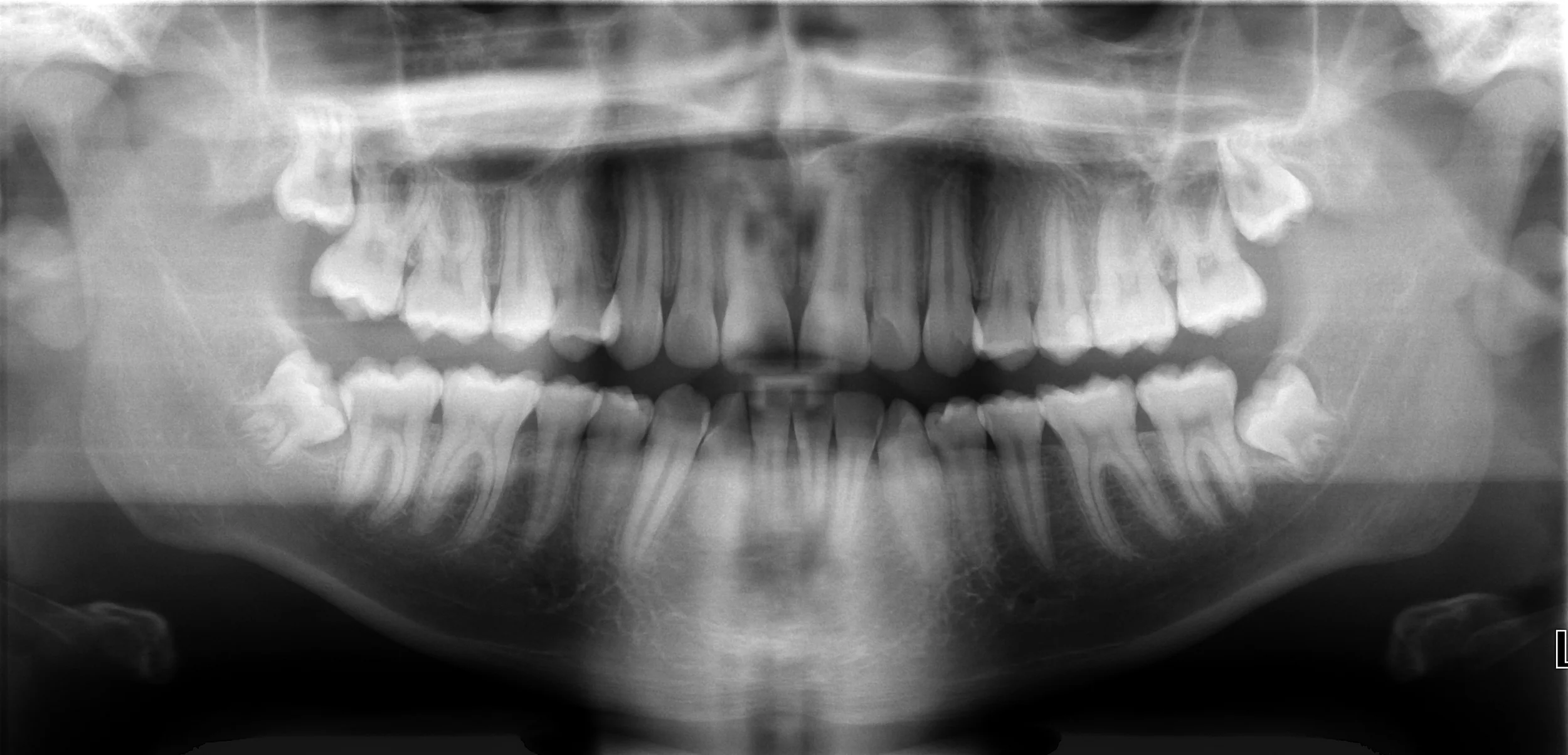
Wisdom teeth are the third molars at the back of the mouth. They do not all need removal. The decision depends on their position, health, effect on neighboring teeth, and whether they can be cleaned and monitored.
What does an impacted wisdom tooth mean?
An impacted tooth has not fully emerged into a usable position. Examination and appropriate imaging help show its position and relationship to surrounding structures. Some teeth cause few noticeable symptoms, so discomfort alone is not the whole assessment.
When might a wisdom tooth need removal?
Reasons can include decay that cannot reasonably be restored, repeated infection, damage to a neighboring tooth, gum disease, or a cyst. Treatment planning may also affect the decision. Discuss the expected benefit, alternatives, risks, and recovery with the clinician who will perform the procedure.
Can I keep healthy wisdom teeth?
Sometimes. Teeth that remain need cleaning and ongoing monitoring. Ask how to reach the area with your brush and interdental cleaner, and mention food trapping, swelling, or difficulty opening your mouth. A dental examination can help distinguish a wisdom-tooth problem from other causes of pain.
Should taste changes determine whether I remove a wisdom tooth?
A report about taste after extraction does not establish that removal is needed for you. The practical decision should focus on the tooth's health, the examination findings, and the benefits and risks of your proposed treatment. Tell your clinician about existing taste changes, numbness, or concerns before deciding.
What symptoms should prompt a call?
Call for increasing pain, swelling, or trouble opening your mouth. Rapidly spreading facial or neck swelling, trouble breathing or swallowing, or other severe symptoms need urgent medical attention. Our emergency dental-care page explains how to contact the office about a dental problem.
Discuss wisdom teeth in Jacksonville
At CJ Henley, DMD on Hendricks Avenue near San Marco, an examination can help identify the problem and appropriate next steps, including referral when needed. Bring recent dental imaging if available. Contact our office to discuss your concerns.
Further reading: American Dental Association: Wisdom teeth.
Updated October 1, 2026.
Are You a Nighttime Tooth Grinder? Here's How To Tell—And What to Do About It
Teeth grinding is a problem that affects nearly one in ten individuals, yet many of us don’t even realize we’re doing it. And that’s a problem given just how harmful it can be to our health. Here’s how to find out if you grind your teeth when you sleep—and why it’s something you shouldn’t ignore.
Teeth grinding, or bruxism, is a common condition that often goes unnoticed because it typically occurs during sleep. Many patients are unaware it’s happening until signs of damage begin to appear — sometimes years later.
Persistent grinding places excessive forces on teeth, dental restorations, jaw joints, and the muscles of the face and neck. Over time, this can contribute to tooth wear, fractures, jaw discomfort, headaches, and changes in bite function. Left unaddressed, bruxism can quietly undermine otherwise healthy teeth.
For a clear, accessible overview of how teeth grinding occurs during sleep — and why it’s difficult to recognize without professional evaluation — this article provides a helpful explanation:
Reviewed and updated January 2026

6 Ways to Reduce Your Child’s Sugary Snacking (and Save Their Smile)
Everyone knows a healthy diet is essential to a healthy life, but how many know that eating right can help prevent tooth decay and gum disease?
We all know that a balanced diet is essential for a healthy life, but as a parent, it can feel like a constant battle against the "sugar rush." In the dental world, we don't just look at sugar as a source of energy; we see it as the primary fuel for the bacteria that cause tooth decay and gum disease.
Protecting your child’s smile doesn’t require a complete pantry overhaul. Often, a few small, strategic changes to how and when your family snacks can make the biggest difference.
Here are six practical ways to reduce sugary snacking in your household.
1. Timing is Everything: The "Mealtime Rule"
It isn't just about how much sugar your child eats, but how often. Every time your child eats sugar, the mouth becomes acidic for about 20 minutes. Frequent snacking leads to constant "acid attacks."
The Fix: If they are going to have a sugary treat, let them have it with a meal. Increased saliva production during meals helps wash away sugar and neutralize acids.
2. Swap "Sticky" for "Crunchy"
Sticky snacks like fruit leathers, gummy vitamins, and dried fruit are some of the biggest culprits in pediatric cavities because they lodge in the grooves of the teeth and stay there for hours.
The Fix: Choose "detergent" foods—crunchy fruits and vegetables like apples, carrots, and celery. These naturally help scrub the tooth surfaces as they are chewed.
3. The "Water First" Strategy
Juice boxes and sports drinks are often marketed as healthy, but they are frequently loaded with liquid sugar that bathes the teeth.
The Fix: Make water the default beverage. In Jacksonville, our community water is fluoridated, which acts like a "constant repair kit" for tooth enamel. If they do have juice, have them chase it with a sip of water to rinse the teeth.
4. Become a Label Detective
Sugar hides under many names: high fructose corn syrup, agave nectar, maltose, and dextrose. Many "healthy" yogurts and cereals contain as much sugar as a candy bar.
The Fix: Look for snacks where sugar isn't one of the first three ingredients. Aim for snacks with less than 5 grams of sugar per serving.
5. Harness the Power of Cheese
It sounds simple, but cheese is a secret weapon for dental health.
The Fix: Cheese triggers saliva flow and contains calcium and phosphates that help re-mineralize tooth enamel. A string cheese or a few cubes of cheddar is an excellent "closer" for a snack or meal.
6. Model the Behavior
Children are observant. If they see you reaching for water and nuts instead of soda and cookies, they are more likely to follow suit.
The Fix: Make healthy snacking a family project. Let them help pick out "dentist-approved" snacks at the grocery store to give them a sense of ownership over their health.
A Note for Jacksonville Parents
Between school, sports, and Florida heat, kids are constantly on the go. While we advocate for healthy snacking, we also know that life happens. If your child does indulge in a sugary snack while you're out at San Marco Square or the park, just remember: Rinse with water immediately and brush as soon as you get home.
Dr. Henley’s Smart Snack Guide
Reviewed and Updated February 2026
Top 6 Reasons Your Tooth Has Been Hurting You
Not all toothaches are the same! Depending on the symptoms, toothaches can require different treatments. Understanding these symptoms can help Dr. Henley or Dr. Kelly determine how to help you feel better, faster.
Tooth pain can come from decay, a damaged restoration, a crack, exposed roots or inflammation inside a tooth. The pattern helps guide a dental examination, but symptoms alone cannot confirm a diagnosis.
Not all tooth pain is the same. The type, timing, and triggers of a toothache often point to very different underlying causes—and different treatments. Understanding these patterns helps your dentist identify the problem more quickly and get you relief sooner.
Why does my tooth hurt briefly with hot or cold foods?
What it usually means
Brief sensitivity does not identify the cause by itself. Short-lived sensitivity is often caused by gum recession, a small cavity, exposed root surfaces, or a filling that is beginning to leak.
What helps
Desensitizing toothpaste can significantly reduce symptoms, especially for cold sensitivity. These products require consistent use and may take up to two weeks to reach full effectiveness. If sensitivity persists or worsens, a dental evaluation is recommended to rule out underlying decay or restoration issues.
Why is my tooth sensitive after dental treatment?
What it usually means
Dental procedures can temporarily irritate the nerve inside a tooth. Sensitivity to hot or cold after treatment is common and often resolves as the tooth settles.
What helps
Recovery varies with the procedure and the tooth. Read our guide to tooth pain after a filling. If sensitivity is increasing, lingering, or accompanied by biting pain, your dentist should evaluate the area to ensure the bite and restoration are functioning properly.
Why does my tooth hurt when I bite or chew?
What it usually means
Pain with pressure often suggests a crack or fracture in the tooth. It can also indicate inflammation around the root or an early dental abscess. In some cases, the bite may be uneven following recent dental work.
What helps
This type of pain should be evaluated promptly. Depending on the cause, treatment may involve adjusting the bite, placing a crown, or performing root canal therapy to address infection or nerve involvement.
What does lingering pain after hot or cold mean?
What it usually means
Pain that continues for several seconds or minutes after temperature exposure often indicates that the tooth’s nerve is inflamed or beginning to fail.
What helps
This type of pain frequently requires root canal treatment to remove the damaged nerve and relieve symptoms. Early evaluation can prevent worsening infection and reduce the risk of complications.
Is severe tooth pain with swelling urgent?
What it usually means
Severe, unrelenting pain—especially when accompanied by swelling, pressure, or tenderness—often signals a dental infection at the root of the tooth. In many cases, the nerve has already died.
What helps
Dental infections should be treated urgently. Treatment depends on the diagnosis and may involve drainage, root canal therapy or extraction. Antibiotics are used when indicated; they do not replace treatment of the source. Delaying treatment can allow infection to spread and, in rare cases, become medically serious.
Can sinus pressure feel like a toothache?
What it usually means
Sinus infections can closely mimic tooth pain, particularly in the upper back teeth. The maxillary sinuses sit just above these teeth, and sinus inflammation can create pressure that feels dental in origin.
What helps
A dental evaluation can determine whether the pain is coming from the teeth or the sinuses. If dental causes are ruled out, your physician can advise whether treatment for a sinus condition is appropriate.
When to Schedule an Evaluation
Tooth pain is rarely something to ignore. If discomfort is persistent, worsening, or interfering with daily activities, a professional examination is the best way to identify the cause and determine appropriate treatment. Early diagnosis often means simpler, more comfortable solutions.
Where can I have tooth pain evaluated in Jacksonville?
C.J. Henley, DMD sees patients at 3675 Hendricks Avenue, Jacksonville, FL 32207, near San Marco. Contact the office to describe when the pain began, what triggers it and whether you have swelling. For a problem that needs prompt attention, review our emergency dental care information.
When should I seek emergency medical help?
Difficulty breathing or swallowing, or rapidly spreading facial or neck swelling, requires emergency medical care. Call 911 or go to an emergency department rather than waiting for a dental appointment.
Further reading: American Association of Endodontists: tooth pain.
Updated October 1, 2026