
CJ Henley, DMD, PA / San Marco, Jacksonville, Florida
How long does dental numbness last?
What’s normal, how to stay safe, and when to call.
After a typical filling or crown, dental numbness lasts about 1 to 3 hours in the upper jaw and 3 to 5 hours in the lower jaw. If your lip, chin, or tongue is still numb the next morning, call us. It is almost always temporary, but we want to know.
- 1–3 hrstypical numbness after an upper-tooth injection
- 3–5 hrstypical numbness after a lower nerve block, including lip, chin, and tongue
- Rarelasting nerve problems: roughly 1 in 25,000 to 1 in 160,000 lower blocks1,4
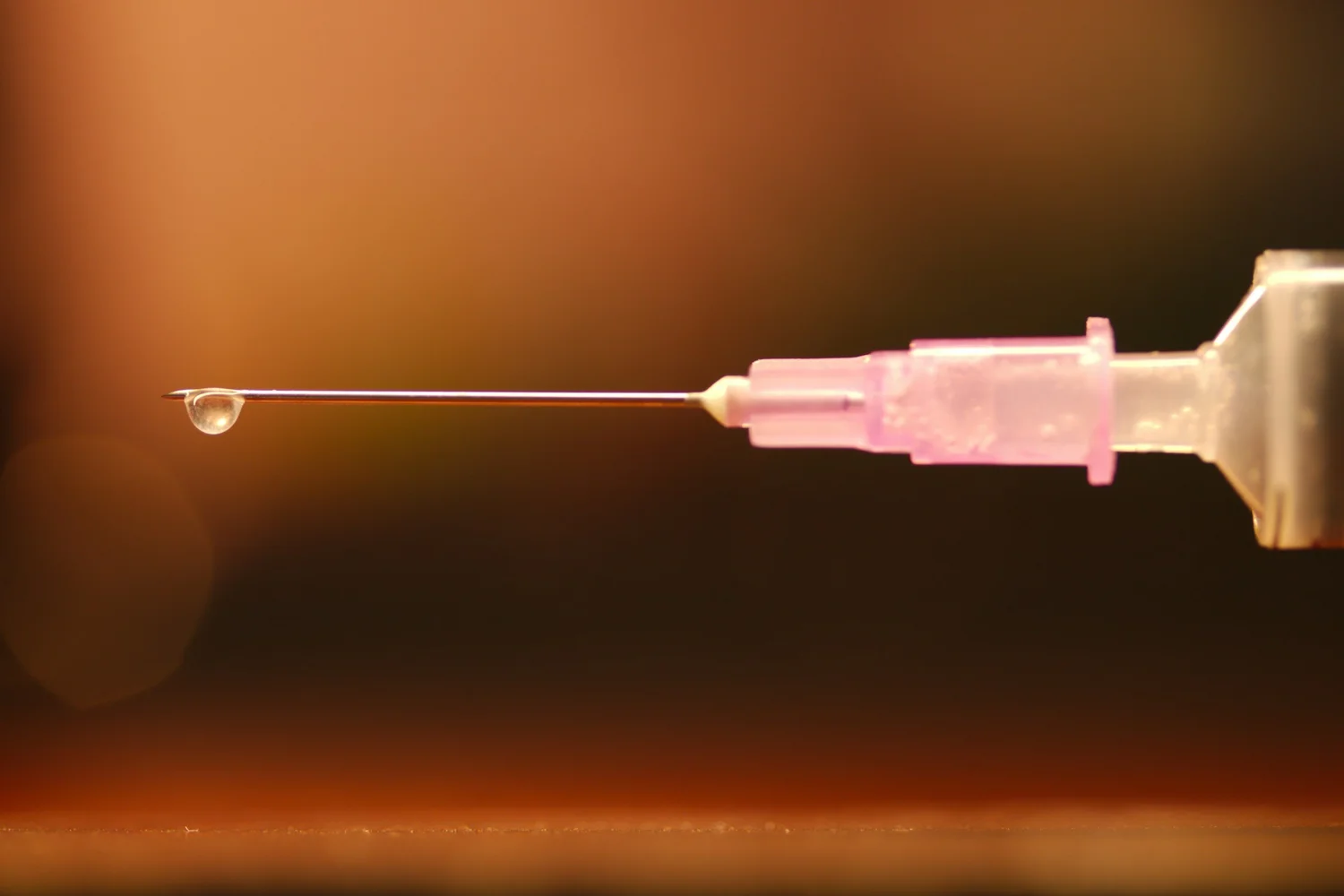
The four factors
How long does dental numbness last, and why does it vary?
For most patients, local anesthetic wears off within 1 to 5 hours. Where you land in that range depends on four things: where in your mouth you were numbed, whether the anesthetic contained epinephrine, which anesthetic was used, and how long the procedure took.
If you have ever left the chair feeling like half your face belonged to someone else, you are in good company. It makes talking, sipping water, and smiling feel a little silly, and it leaves many patients asking the same question: how long is this going to last?
1. Where you were numbed
Upper teeth. We usually numb upper teeth with a small injection placed right next to the tooth. The anesthetic only has to cover a small area, so it fades quickly, typically within 1 to 3 hours.
Lower back teeth. These almost always require a nerve block, an injection placed near the main nerve trunk that supplies half of your lower jaw, lip, chin, and tongue. Because the whole territory goes numb at once, expect 3 to 5 hours, and don’t be surprised if your tongue is the last thing to wake up.
2. Whether it contained epinephrine
This is the single biggest factor. Most dental anesthetics include a tiny amount of epinephrine, which narrows blood vessels and keeps the medication near the nerve longer. That is what gives us a comfortable working window5. Epinephrine-free anesthetics wear off noticeably faster, and we use them for some patients with heart conditions or other medical considerations.
3. Which anesthetic was used
Everyday anesthetics like lidocaine and articaine follow the timeline above. For some longer surgical procedures, a long-acting anesthetic called bupivacaine is used on purpose, because it keeps you comfortable for 8 to 12 hours while the site settles. If that was part of your visit, we will tell you, and the “next morning” rule below still applies.
Your own circulation, age, and body chemistry play a role too. The anesthetic doesn’t wear off because your liver processes it. It wears off because blood flow gradually carries it away from the nerve, which is why some people always seem to stay numb a bit longer than others.
Speeding it up
Can you make dental numbness go away faster?
A little. Gentle movement modestly raises circulation, and some offices offer a reversal injection at the end of the appointment. Rubbing, pinching, or massaging the numb area does not help and can bruise the tissue, so please leave it alone.
Gentle movement
A short walk raises circulation, which speeds the clearing process modestly. It won’t turn five hours into one, but it helps.
A reversal injection
There is an FDA-approved medication (phentolamine, sold as OraVerse) that some dental offices inject at the end of an appointment to open the blood vessels back up. In clinical trials it cut the time to normal lip sensation roughly in half6. We do not offer it in our office. If you have a meeting, a presentation, or a lunch date after your visit, tell us before we start and we will plan the anesthetic and the appointment time around it.
What to do (and not do) while you are numb
How to stay safe until the numbness wears off.
Your nerves are not sending pain signals, which means you have lost your built-in warning system. Don’t chew solid food until sensation returns, skip hot drinks, be careful with your lip, and wait to brush the area until you can feel it, or follow the home-care instructions we gave you.
Do
- Stick to smoothies, yogurt, and soup you can sip until you can feel your lips and tongue.
- Choose cool or room-temperature liquids.
- Take a short walk to help circulation.
- Follow your home-care instructions for brushing and flossing the area.
Avoid
- Chewing solid food. It is remarkably easy to bite your tongue, cheek, or lip at full force and not feel it.
- Hot coffee or tea, which can burn the inside of your mouth before you notice.
- Chewing or sucking on a numb lip. If you notice yourself doing it, stop; a lip bite can take a week to heal.
- Rubbing or massaging the numb area.
If the tooth is sore once the numbness fades, that is a separate question; read about tooth pain after a filling.
If your child was numbed
Children and dental numbness: preventing lip and cheek bites.
Kids are the most likely to bite themselves while numb, and the bite can look alarming: a swollen, white, or ulcerated lip the next day. Watch them closely, keep them on soft foods, and remind them every few minutes not to chew on their lip or cheek.
If a bite does happen, keep the area clean, offer cold foods, and call us if it looks infected or is not improving after a few days. Our parents’ guide to early childhood dental issues covers more, and our children’s dentistry page explains how we care for kids from age 2.
A white, ulcer-like patch on the lip a day or two after a lip bite is usually healing tissue, not an infection. Swelling that keeps growing, fever, or pus is different and needs a call.
Can’t get numb at the dentist?
What if a tooth still hurts after the anesthetic?
Tell the dentist before treatment continues if you still feel sharp pain. Pressure and movement can feel different from pain, so describe exactly what you notice. A small number of people struggle to get numb at all; a previous difficulty becoming numb is useful information to share before your appointment, but it does not by itself establish resistance to all local anesthetics.
Why some teeth are hard to numb
A tooth that is badly inflamed or infected is often harder to numb, and lower molars sit in dense bone with variable nerve anatomy. Anxiety can also make every sensation feel sharper.
What can be done
Options include waiting a little longer for the anesthetic to work, a second injection in a different spot, a different anesthetic, or a supplemental technique placed closer to the tooth. Tell us, and we stop and adjust.
Afraid of needles?
You are not alone, and we can help with that too. See treating anxious patients, or read about the needle-free nasal spray anesthetic now available for many upper-tooth procedures.
Calmer visits
For anxious adults, we offer nitrous oxide and minimal oral sedation when appropriate, and Snapper, our office dog, can visit if you’d like; read about therapy dogs in dentistry.
Prolonged numbness (paresthesia)
What if the numbness doesn’t wear off?
In the vast majority of cases, that pins-and-needles feeling is simply the nerve coming back online. Occasionally, numbness lasts longer than expected, usually because the nerve was irritated near the injection site, either by the needle itself or, more often, by the anesthetic solution2,3. It is rare, and it usually resolves on its own.
What it feels like
Dentists call it paresthesia: lingering numbness, tingling, burning, or an odd “rubbery” feeling in the lip, chin, or tongue. Research shows the tongue is the nerve most often involved, in roughly 80 to 90 percent of injection-related cases, so a tongue that stays numb after your lip has recovered is the classic presentation1,2.
It is rare
Large studies put the risk of a lasting problem after a lower nerve block somewhere between 1 in 25,000 and 1 in 160,000 injections1,4.
It usually resolves on its own
Most cases improve over several weeks, and the majority are fully back to normal within about two months. A small number take longer, which is why we like to document it early and follow you until it is gone.
Different from surgical numbness
Numbness after surgery near the nerve, such as removing a deeply impacted wisdom tooth or placing a lower dental implant, is a separate conversation we would have with you before the procedure.
When to call our office
When should you call about numbness after a dental visit?
Call if numbness is still present the next morning (or more than 12 hours after a routine filling or crown), if you feel sharp, electric, or burning sensations, or if swelling, severe pain, or fever develops. Difficulty swallowing or breathing needs emergency medical care first.
- Numbness still present the next morning, or more than 12 hours after a routine filling or crown.
- Sharp, electric, zapping sensations, or persistent burning.
- Swelling, severe pain, or fever developing around the injection or treatment site.
- A lip or tongue bite that looks infected or is not healing.
you have difficulty swallowing or breathing: seek emergency medical care immediately, then let us know. For other urgent problems, call us at 904.398.1549; existing patients can reach our on-call line after hours. See emergency dental care.
For everything else, contact our Jacksonville office at 904.398.1549 or Smile@cjhenleydmd.com.
Comfortable care in San Marco
Gentle numbing at our Jacksonville office.
Dr. CJ Henley sees every patient himself at 3675 Hendricks Avenue, Jacksonville, FL 32207, in San Marco. Tell us about past trouble getting numb, heart conditions, pregnancy, or your medications before your visit, and we will plan the anesthetic around you. Local anesthetic for dental care is considered safe during pregnancy, according to the American College of Obstetricians and Gynecologists7; see dental care during pregnancy.
Patients come from Southbank, San Jose, Riverside, Avondale, Ortega, and Downtown, and from Mandarin, the Southside, the Beaches, and Ponte Vedra. New here? See new patients.
Frequently asked questions
Questions about dental numbness.
How long does dental numbness last?
Usually 1 to 3 hours after an upper-tooth injection and 3 to 5 hours after a lower nerve block. Longer procedures, extra doses, and long-acting anesthetics can extend it. Routine numbness should be gone by bedtime.
Is it normal to still be numb the next day?
No. Routine numbness should be gone by bedtime. Numbness the next morning is usually harmless and temporary, but we want to examine and document it, so please call.
Why is my tongue numb but my lip is not?
The nerve to your tongue runs right beside the nerve to your lower lip, and it is more sensitive to the anesthetic. It is also the most common nerve involved in prolonged numbness, so if it lasts past the next morning, call us.
How can I make the numbness wear off faster?
A short walk helps a little by raising circulation. A reversal injection (phentolamine, sold as OraVerse) cut the time to normal lip feeling roughly in half in clinical trials. We do not offer it, so if timing matters, tell us before we start and we will plan around it. Rubbing the area doesn’t help.
Can I drive home after being numbed?
Yes. Local anesthetic doesn’t affect your alertness or reflexes. This changes if you received sedation, in which case you will need a ride.
Can I eat while I am numb?
Cool, soft foods you don’t need to chew are fine. Hold off on anything that requires biting until you can feel your lips and tongue.
Why is my heart racing after the injection?
That is the epinephrine. It is a small dose, it is normal, and it passes within a few minutes. If you have a heart condition, tell us, and we can use an anesthetic without epinephrine.
Why can’t I get numb at the dentist?
Inflamed or infected teeth, dense bone around lower molars, variations in nerve anatomy, and anxiety can all make numbing harder. More time, another injection in a different spot, a different anesthetic, or a supplemental technique usually works. Tell us about past trouble before we start.
What if my child bit their lip while numb?
Keep the area clean, offer cold, soft foods, and watch it for a few days. A white or swollen patch the next day is common as it heals. Call us if it looks infected, keeps swelling, or is not improving.
Can dental numbness be permanent?
A lasting nerve problem after a dental injection is rare, roughly 1 in 25,000 to 1 in 160,000 lower nerve blocks in large studies. Most prolonged numbness improves over weeks and is back to normal within about two months. Call us early so we can document it and follow you.
Is dental numbing safe during pregnancy?
Yes. The American College of Obstetricians and Gynecologists states that dental treatment during pregnancy, including local anesthetic such as lidocaine with or without epinephrine, is safe. Tell us that you are pregnant so we can plan your visit, and see our page on dental care during pregnancy.
Peer-reviewed sources
- Pogrel MA, Thamby S. Permanent nerve involvement resulting from inferior alveolar nerve blocks. J Am Dent Assoc. 2000;131(7):901-907. doi:10.14219/jada.archive.2000.0308
- Hillerup S, Jensen R. Nerve injury caused by mandibular block analgesia. Int J Oral Maxillofac Surg. 2006;35(5):437-443. doi:10.1016/j.ijom.2005.10.004
- Hillerup S, Jensen RH, Ersbøll BK. Trigeminal nerve injury associated with injection of local anesthetics: needle lesion or neurotoxicity? J Am Dent Assoc. 2011;142(5):531-539. doi:10.14219/jada.archive.2011.0223
- Garisto GA, Gaffen AS, Lawrence HP, Tenenbaum HC, Haas DA. Occurrence of paresthesia after dental local anesthetic administration in the United States. J Am Dent Assoc. 2010;141(7):836-844. doi:10.14219/jada.archive.2010.0281
- Malamed SF. Local anesthetics: dentistry’s most important drugs, clinical update 2006. J Calif Dent Assoc. 2006;34(12):971-976.
- Hersh EV, Moore PA, Papas AS, et al. Reversal of soft-tissue local anesthesia with phentolamine mesylate in adolescents and adults. J Am Dent Assoc. 2008;139(8):1080-1093.
- American College of Obstetricians and Gynecologists. Committee Opinion No. 569: Oral health care during pregnancy and through the lifespan. Obstet Gynecol. 2013;122(2 Pt 1):417-422. Reaffirmed 2025.
Your next step
Questions about your numbness? Call us.
If something doesn’t feel right after your visit, we would rather hear from you than have you guess. Call during office hours, and for urgent problems see emergency dental care.
CJ Henley, DMD, PA3675 Hendricks Avenue
Jacksonville, FL 32207