


How to Stop Dry Mouth Caused by Diabetes
463 million people in the world have diabetes, according to the International Diabetes Foundation, and diabetes is known to raise the risk of certain dental health issues, including dry mouth. Dry mouth is much more than an annoyance that may make it a little difficult to speak sometimes. Fortunately, there are effective ways to ease or eliminate dry mouth.
Dry mouth is one of the most common oral symptoms of diabetes. High blood sugar pulls fluid from your tissues and reduces saliva flow, so the most effective long-term fix is keeping your glucose in range. In the meantime, the steps below can bring real relief and protect your teeth.
Why Does Diabetes Cause Dry Mouth?
Dry mouth, also called xerostomia, can affect people with both type 1 and type 2 diabetes. Several things contribute:
High blood glucose. When blood sugar is high, your kidneys remove the extra glucose through urine and take fluid with it. The result is dehydration and less saliva.
Changes in the salivary glands. Studies show that people with diabetes, especially when it is poorly controlled, tend to produce less saliva.
Medications. Many medicines commonly taken alongside diabetes treatment, including some for blood pressure and depression, list dry mouth as a side effect.
Nerve damage. Diabetic neuropathy can affect the nerves that control the salivary glands.
Symptoms of Diabetic Dry Mouth
A sticky, dry feeling in the mouth and frequent thirst
Bad breath
Cracked lips, especially at the corners
A dry, rough or burning tongue
Sore throat or hoarseness
Difficulty chewing, swallowing or speaking
Mouth sores or fungal infections such as thrush
Why Dry Mouth Matters for Your Teeth
Saliva neutralizes acids, washes away food and keeps bacteria and fungi in check. Without enough of it, cavities develop faster, especially along the gumline, and gum disease and thrush become more likely. Gum disease in turn can make blood sugar harder to control, so treating dry mouth helps protect more than your teeth.
How to Get Rid of Dry Mouth From Diabetes: 9 Steps
Keep your blood sugar in your target range. This is the most important step, because it treats the cause rather than the symptom.
Sip water throughout the day, and keep a glass at your bedside.
Chew sugar-free gum or use sugar-free lozenges, ideally with xylitol, to stimulate saliva.
Use a saliva substitute or a moisturizing gel, spray or rinse made for dry mouth, especially before bed.
Switch to an alcohol-free mouthwash. Alcohol-based rinses dry the mouth further.
Cut back on caffeine, alcohol and tobacco. All three reduce saliva.
Run a humidifier at night and try to breathe through your nose rather than your mouth.
Protect your teeth with fluoride. Brush twice a day with a fluoride toothpaste, and ask your dentist whether a prescription-strength fluoride is right for you.
Ask your physician to review your medications. A different drug or dose sometimes helps. Never stop or change a medication on your own.
Dry Mouth at Night With Diabetes
Saliva flow naturally drops during sleep, so dry mouth is usually worst overnight and first thing in the morning. A moisturizing gel at bedtime, a humidifier and water within reach make the biggest difference. If you snore or wake with a very dry mouth every day, mention it to your physician, since mouth breathing and sleep apnea are both common with diabetes.
When to See a Dentist
See a dentist if dry mouth lasts more than a few weeks, or if you notice new cavities, a burning sensation, white patches or sores that do not heal. For some patients, prescription medications that stimulate saliva, such as pilocarpine or cevimeline, are an option your dentist or physician can discuss with you.
In our Jacksonville office we treat dry mouth as a diagnostic issue, not just a symptom to mask. Learn more about dry mouth evaluation and treatment with Dr. Henley, or call 904.398.1549 to schedule a visit.
Reviewed and updated September 2026 by C.J. Henley, DMD.
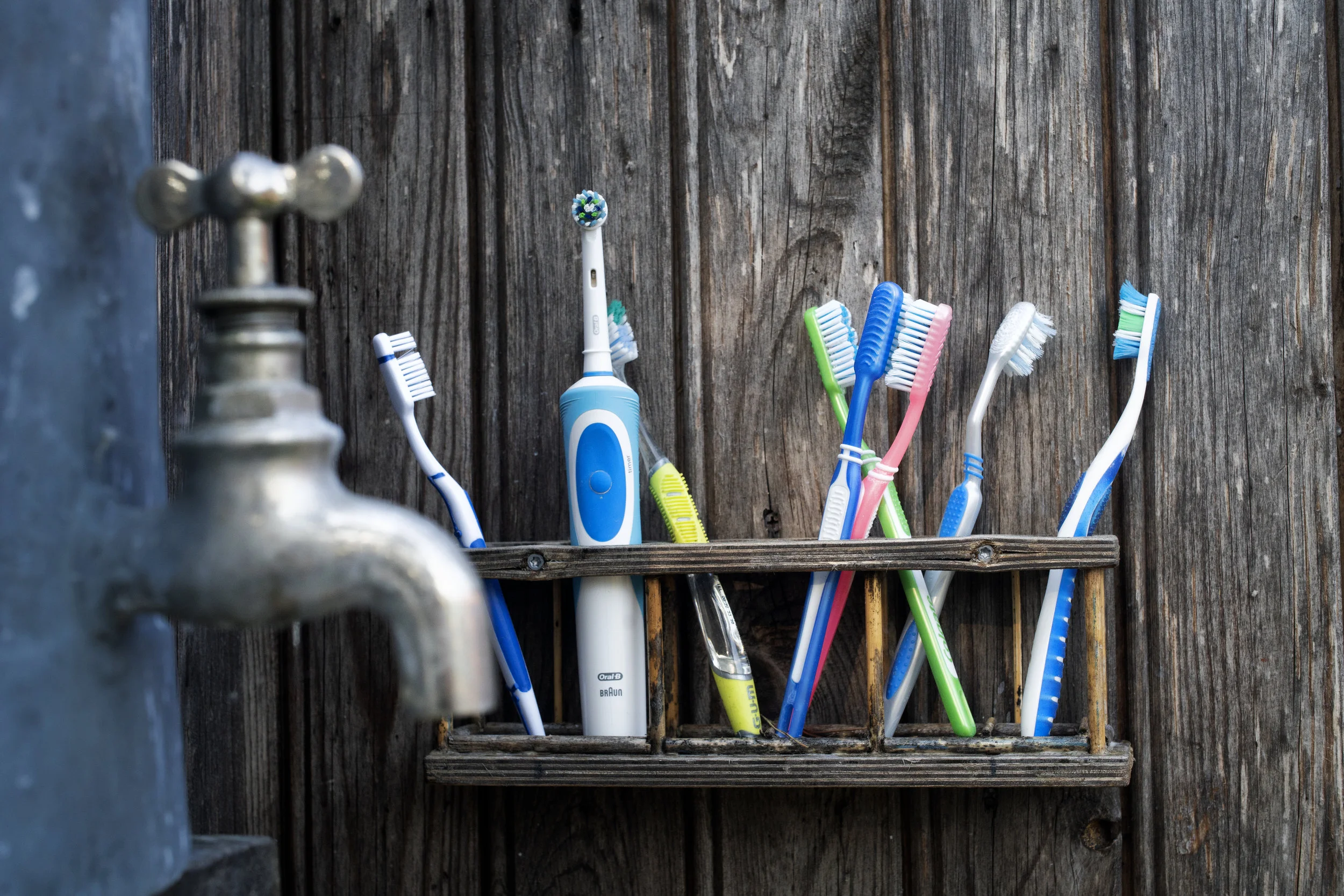
Want to Help Keep Diabetes at Bay? Brush & Floss
There's a new, unexpected reason to keep your pearly whites gleaming: avoiding diabetes.
Recommended Videos
New research found that people who regularly brush their teeth three times a day reduce their risk of type 2 diabetes.
The study also found that people who have dental disease or a lot of missing teeth have a higher risk of developing the blood sugar condition.
"Our study suggested that improved oral hygiene may be associated with a decreased risk of new-onset diabetes," said study author Dr. Yoonkyung Chang. She is a clinical assistant professor of neurology at Ewha Woman's University Mokdong Hospital, in South Korea.
Chang said the researchers don't know what the exact mechanism behind this connection is, but there are a number of possible ways that poor dental health might contribute to diabetes.
"Poor oral hygiene may be related to the chronic inflammatory process," she said. Inflammation affects oral health and can lead to gum disease that creates space in the gum where bacteria can collect. That bacteria may then travel into the body's circulation and trigger immune system responses, which might impair blood sugar control.
But it's difficult to prove a cause-and-effect relationship between dental health and diabetes because many factors involved in poor oral health are also linked to type 2 diabetes.