

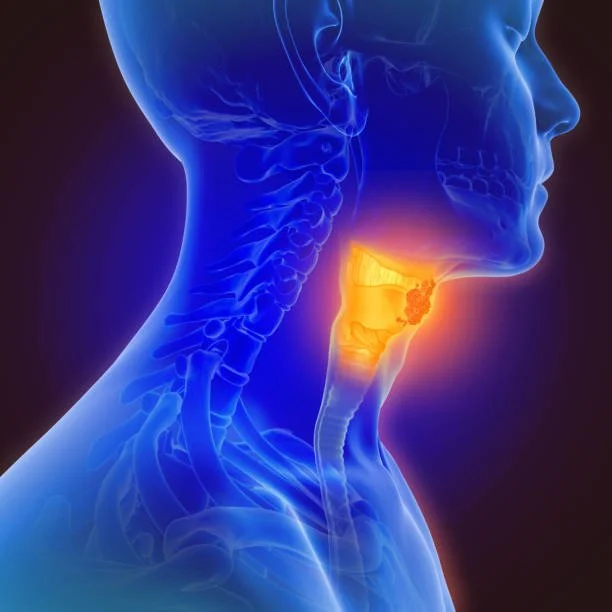
Does a Lower Radiation Dose Protect Your Mouth After HPV Throat Cancer?
New research suggests some HPV throat cancer patients can get less radiation and keep more of their saliva, swallowing and voice. Here's what that means for your teeth.
Possibly. A new study of patients with HPV-related throat cancer found that those who responded well to chemotherapy, and then received about 23% less radiation, reported less dry mouth, easier swallowing and fewer voice problems six months after treatment.
That matters well beyond comfort. Saliva is one of the main things protecting your teeth, and radiation to the head and neck is one of the hardest things a mouth can go through. As a dentist who cares for patients before, during and after head and neck cancer treatment, here's what I want patients and families to know.
What did the study find?
The research comes from the ECOG-ACRIN Cancer Research Group and was published September 29, 2026 in JCO Oncology Advances. It looked at patients in a phase 2 trial (E1308) with stage 3 to 4b HPV-associated oropharyngeal cancer, meaning cancer in the middle of the throat, including the tonsils and base of the tongue.
Everyone first received chemotherapy. Patients whose tumor disappeared on exam afterward (62 of 80, or 78%) received 54 Gy of radiation instead of the standard 69.3 Gy. Six months after treatment, the lower-dose group reported:
Less dry mouth: 3.5 vs. 5.1 on a 0–10 symptom scale
Easier swallowing of solid food: scores worsened by 1.38 points vs. 3.31 with the standard dose
No change in voice: 0.0 vs. a 1-point increase in voice problems
Fewer severe mouth sores during treatment: 30% vs. 47%
Importantly, the lower dose did not appear to give up much on cancer control. Two years out, 81% of the lower-dose group were alive without their cancer growing or spreading.
Why does dry mouth matter so much for your teeth?
Saliva neutralizes acid, rinses away food and bacteria, and helps rebuild weakened enamel. Radiation to the head and neck often damages the salivary glands, sometimes permanently. Without enough saliva, a mouth that has been healthy for decades can change fast.
Radiation decay: cavities that form quickly along the gumline and biting edges, sometimes destroying teeth within months.
Jawbone healing problems: radiation reduces blood flow to the jaw. Pulling a tooth afterward can lead to bone that won't heal (osteoradionecrosis), and the risk rises with higher doses to the jaw.
Everyday function: dry mouth makes chewing, swallowing, speaking, tasting and wearing dentures harder, and raises the risk of yeast infections.
The study didn't measure cavities directly. But less radiation and less dry mouth point in the right direction for long-term dental health.
What should you do before radiation starts?
Whatever dose your oncology team chooses, the best time to protect your mouth is before the first treatment.
See a dentist right after diagnosis. Any tooth that can't be saved is best removed before radiation, ideally with about two weeks to heal before treatment begins.
Get custom fluoride trays. Daily prescription fluoride is one of the best defenses against radiation decay, and for most patients it's a lifelong habit.
Plan more frequent cleanings. Every three to four months is common during the first years after treatment.
Manage dry mouth. Sip water often, use sugar-free xylitol gum or lozenges and saliva substitutes, and skip sugary drinks and alcohol-based mouthwash.
Avoid extractions after radiation when possible. Always tell any dentist about your radiation history before dental work.
Prevention matters too. Most HPV-related throat cancers are linked to an infection the HPV vaccine helps prevent, and an oral cancer screening is part of every checkup in our office.
Is lower-dose radiation right for everyone?
Not yet. The lower dose was given only to patients whose tumors disappeared after chemotherapy. Patients weren't randomly assigned, and only nine received the standard dose, so the comparison is limited. The researchers themselves say larger randomized trials are needed before this becomes standard care.
Your radiation oncologist is the right person to ask whether a reduced-dose approach or a clinical trial fits your situation. Your dentist's job is to get your mouth ready either way.
Facing head and neck cancer treatment in Jacksonville?
We work to see newly diagnosed cancer patients within 72 hours so dental care never delays treatment. Call (904) 398-1549, text (904) 762-5616, or request an appointment.
Physicians: to refer a patient for a pre-radiation dental evaluation, visit our referring physicians page. (Remove or swap this link until /physicians is live.)
Sources
Cmelak AJ, et al. "Patient-Reported Toxicity With Radiation Deintensification in Human Papillomavirus–Associated Oropharynx Cancer: ECOG-ACRIN E2399 and E1308." JCO Oncology Advances, September 29, 2026.
CURE: Lower Radiation Dose Tied to Less Trouble Swallowing in HPV Throat Cancer (September 30, 2026)
This article is for general education and isn't a substitute for advice from your own medical and dental team.
Medically Reviewed by: Dr. CJ Henley, DMD, is a general dentist in Jacksonville, Florida, who works with oncology teams to prepare patients' mouths for head and neck cancer treatment and care for them afterward.

How to Stop Dry Mouth Caused by Diabetes
463 million people in the world have diabetes, according to the International Diabetes Foundation, and diabetes is known to raise the risk of certain dental health issues, including dry mouth. Dry mouth is much more than an annoyance that may make it a little difficult to speak sometimes. Fortunately, there are effective ways to ease or eliminate dry mouth.
Dry mouth is one of the most common oral symptoms of diabetes. High blood sugar pulls fluid from your tissues and reduces saliva flow, so the most effective long-term fix is keeping your glucose in range. In the meantime, the steps below can bring real relief and protect your teeth.
Why Does Diabetes Cause Dry Mouth?
Dry mouth, also called xerostomia, can affect people with both type 1 and type 2 diabetes. Several things contribute:
High blood glucose. When blood sugar is high, your kidneys remove the extra glucose through urine and take fluid with it. The result is dehydration and less saliva.
Changes in the salivary glands. Studies show that people with diabetes, especially when it is poorly controlled, tend to produce less saliva.
Medications. Many medicines commonly taken alongside diabetes treatment, including some for blood pressure and depression, list dry mouth as a side effect.
Nerve damage. Diabetic neuropathy can affect the nerves that control the salivary glands.
Symptoms of Diabetic Dry Mouth
A sticky, dry feeling in the mouth and frequent thirst
Bad breath
Cracked lips, especially at the corners
A dry, rough or burning tongue
Sore throat or hoarseness
Difficulty chewing, swallowing or speaking
Mouth sores or fungal infections such as thrush
Why Dry Mouth Matters for Your Teeth
Saliva neutralizes acids, washes away food and keeps bacteria and fungi in check. Without enough of it, cavities develop faster, especially along the gumline, and gum disease and thrush become more likely. Gum disease in turn can make blood sugar harder to control, so treating dry mouth helps protect more than your teeth.
How to Get Rid of Dry Mouth From Diabetes: 9 Steps
Keep your blood sugar in your target range. This is the most important step, because it treats the cause rather than the symptom.
Sip water throughout the day, and keep a glass at your bedside.
Chew sugar-free gum or use sugar-free lozenges, ideally with xylitol, to stimulate saliva.
Use a saliva substitute or a moisturizing gel, spray or rinse made for dry mouth, especially before bed.
Switch to an alcohol-free mouthwash. Alcohol-based rinses dry the mouth further.
Cut back on caffeine, alcohol and tobacco. All three reduce saliva.
Run a humidifier at night and try to breathe through your nose rather than your mouth.
Protect your teeth with fluoride. Brush twice a day with a fluoride toothpaste, and ask your dentist whether a prescription-strength fluoride is right for you.
Ask your physician to review your medications. A different drug or dose sometimes helps. Never stop or change a medication on your own.
Dry Mouth at Night With Diabetes
Saliva flow naturally drops during sleep, so dry mouth is usually worst overnight and first thing in the morning. A moisturizing gel at bedtime, a humidifier and water within reach make the biggest difference. If you snore or wake with a very dry mouth every day, mention it to your physician, since mouth breathing and sleep apnea are both common with diabetes.
When to See a Dentist
See a dentist if dry mouth lasts more than a few weeks, or if you notice new cavities, a burning sensation, white patches or sores that do not heal. For some patients, prescription medications that stimulate saliva, such as pilocarpine or cevimeline, are an option your dentist or physician can discuss with you.
In our Jacksonville office we treat dry mouth as a diagnostic issue, not just a symptom to mask. Learn more about dry mouth evaluation and treatment with Dr. Henley, or call 904.398.1549 to schedule a visit.
Reviewed and updated September 2026 by C.J. Henley, DMD.

The Stress-Oral Connection: How Mental Wellness Impacts Clinical Dental Outcomes
Stress and anxiety can physically damage your smile through cortisol spikes and medication-induced dry mouth. Discover our medically-informed dental approach.
The relationship between mental health and dental health is a complex, bidirectional pathway. While behavioral changes are often the first sign of struggle, the physiological effects of stress and anxiety can cause significant, long-term damage to your teeth and supporting structures.
At CJ Henley, DMD, we provide a judgment-free environment focused on Complex & Medically Involved Care, helping patients navigate dental recovery alongside their mental health journey.
The Physiology of Stress: Cortisol and Inflammation
Stress is not just "in your head"—it is a systemic hormonal event. High levels of the stress hormone cortisol can suppress the immune response, making it easier for pathogenic bacteria to invade the gingival tissues. This can lead to:
Accelerated Periodontal Disease: Chronic inflammation that is harder to treat due to a compromised immune system.
Delayed Healing: Slower recovery times after routine or surgical dental procedures.
Recurrent Oral Lesions: Stress-induced aphthous ulcers (canker sores) that can impact nutrition and comfort.
Medication Side Effects: The "Dry Mouth" Challenge
Many life-saving antidepressants and anti-anxiety medications carry a common clinical side effect: Xerostomia, or chronic dry mouth. Saliva is the mouth’s natural defense mechanism, responsible for neutralizing acids and remineralizing enamel. When saliva flow is reduced, the risk for "rampant decay" increases significantly. Our practice specializes in Medically Informed Protocols to protect patients on these medications, utilizing specialized fluoride therapies and biocompatible materials designed for high-risk environments.
Bruxism and Mechanical Wear
Anxiety often manifests physically as Bruxism (teeth grinding or clenching), particularly during sleep. This mechanical force can result in:
Loss of Vertical Dimension: Permanently wearing down essential molars.
Fractured Restorations: Breaking existing crowns or fillings due to excessive force.
TMJ Dysfunction: Chronic jaw pain and headaches that impact quality of life.
For patients exhibiting severe wear, our approach to Advanced Restorative Dentistry focuses on rebuilding function and protecting your smile with custom-engineered occlusal guards.
A Humane, Unhurried Approach
We understand that visiting the dentist can be a source of anxiety itself. This is why we prioritize an unhurried, two-hour new patient evaluation. We take the time to listen to your history, review your medications, and design a care plan that respects both your dental needs and your mental well-being.
Reviewed and Updated February 2026
Cancer and Dental Health: Managing Your Oral Care During Treatment
Cancer treatment can affect your mouth, including saliva, teeth and oral tissues. Arrange a dental evaluation before treatment when possible, and share your oncology team’s contact information so the timing and precautions can be coordinated.
At CJ Henley, DMD, we serve as an essential part of your oncology team, providing specialized care for patients undergoing chemotherapy, radiation, and surgery.
Why should I see a dentist before cancer treatment?
Your mouth is a high-risk area for infection when your immune system is weakened by chemotherapy. Before treatment begins, a pre-treatment dental evaluation is critical to:
Identify and eliminate existing infections that could become life-threatening during immunosuppression.
Stabilize compromised teeth to prevent the need for emergency surgery during active treatment.
Establish a baseline for your oral health to manage changes as they occur.
If you are beginning treatment in Jacksonville, we coordinate directly with oncology teams—including our ongoing collaboration through the Baptist MD Anderson Head and Neck Tumor Board—to coordinate dental care with your medical schedule.
What mouth problems can cancer treatment cause?
Radiation and chemotherapy affect the rapidly dividing cells in the mouth, leading to several common conditions:
Oral Mucositis: Painful mouth sores and inflammation that can make eating and speaking difficult.
Xerostomia (Extreme Dry Mouth): Radiation can permanently damage salivary glands, leading to thick, sticky saliva and a significantly increased risk of rapid tooth decay.
Increased Infection Risk: Fungal (thrush) or bacterial infections are more common when the immune system is suppressed.
Jaw Pain and Stiffness: Particularly for those receiving radiation to the head and neck.
Specialized Care for Complex Medically Involved Patients
For patients managing Complex & Medically Involved Care, the stakes are higher. Our practice specializes in the specific protocols required for:
Osteoradionecrosis (ORN) Prevention: For patients who have received high-dose radiation to the jaw, certain dental procedures (like extractions) carry high risks. We utilize conservative management and specialized surgical protocols to maintain jaw bone health.
Post-Radiation Restorations: Saliva is the mouth's natural defense against decay. When saliva flow is compromised, we use specialized high-fluoride protocols and biocompatible materials designed for longevity in a high-risk environment.
Your Path Forward
Whether you have just received a diagnosis or are currently in the recovery phase, we provide an unhurried, two-hour comprehensive evaluation to understand your medical history and design a protective care plan.
Are you or a loved one beginning cancer treatment? Do not wait for symptoms to appear. Contact us today to schedule your oncology-focused dental consultation.
What should I bring to a cancer-related dental visit?
Bring your current medication list, treatment schedule and oncology contact details. Tell the dentist about past head and neck radiation, surgery and changes in saliva or mouth opening. Your oncology team can use our physician referral information to coordinate care.
Where can I find help with dental care during cancer treatment in Jacksonville?
C.J. Henley, DMD’s office is on Hendricks Avenue near San Marco. Review our head and neck cancer dental care information or contact the office to discuss the next step. For restricted mouth opening, see our explanation of radiation-induced trismus.
Further reading: NIDCR: cancer treatments and oral health.
Updated October 1, 2026