


What Toothpaste Do Dentists Use? My Personal Picks
Jacksonville dentist Dr. CJ Henley, DMD shares what dentists actually use at home. Learn how to choose the best toothpaste for sensitivity, whitening, and long-term oral health.
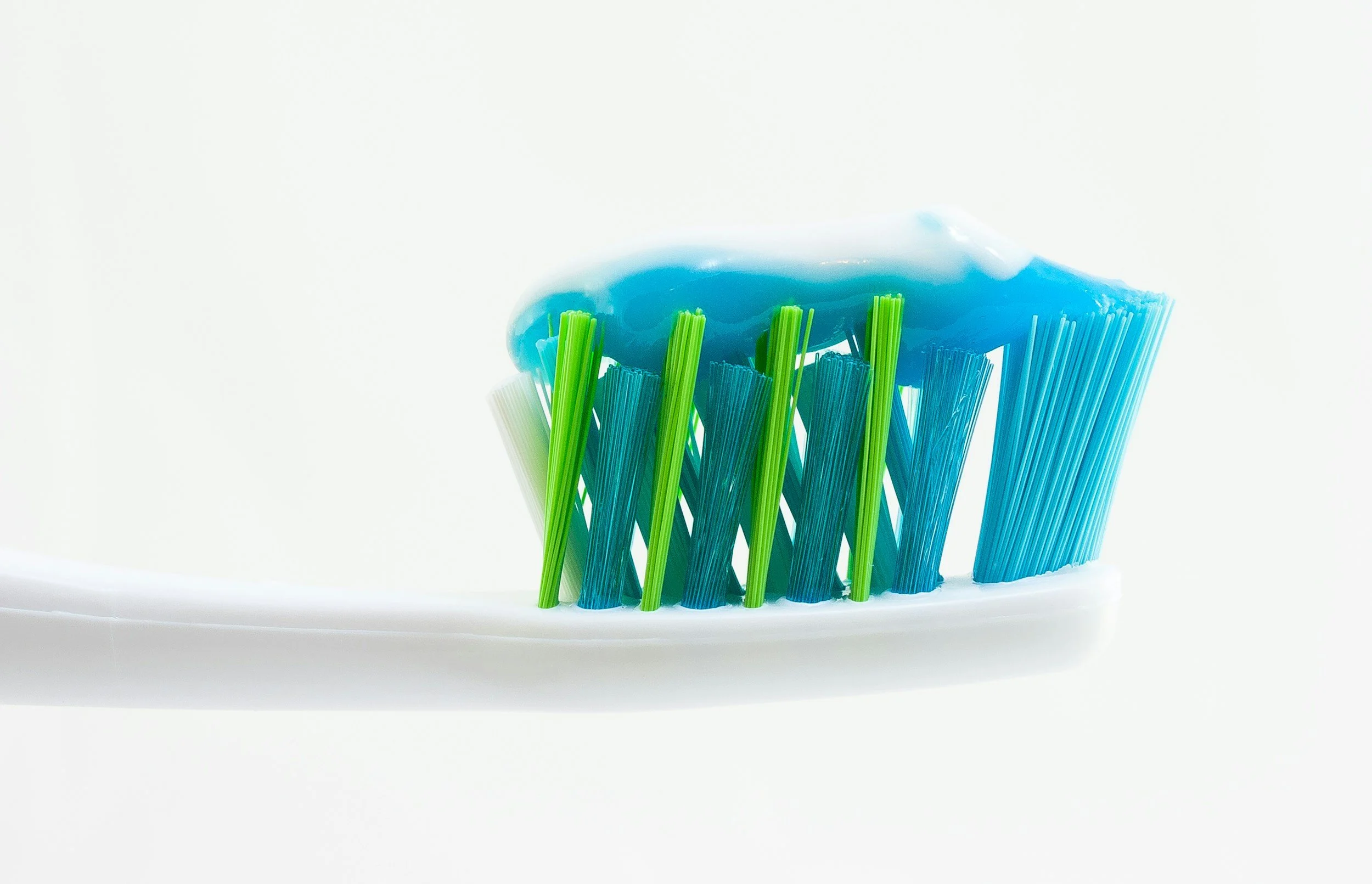
At home I use a fluoride toothpaste with low abrasion, and I switch to a desensitizing fluoride toothpaste when my teeth are sensitive. That's what I recommend for most adults too. The brand matters less than three things: fluoride, gentle abrasives and an active ingredient that fits your needs. For the full ingredient breakdown, see our toothpaste guide. This post is the short, personal version.
Is there one perfect toothpaste?
No. The right choice depends on your mouth: your enamel, your diet, your habits and your medical history. Toothpaste matters more than most people think, though. The right one can reduce sensitivity, help prevent cavities and protect dental work over the years.
What do I look for on the label?
Fluoride. This is the ingredient I won't skip. It strengthens enamel and can help reverse early decay before a cavity forms. Sodium fluoride and stannous fluoride are both good choices.
Low abrasiveness. Abrasives remove surface stains, but they can also wear enamel, exposed roots and restorations. My own rule of thumb is to stay under about 100 on the RDA scale (relative dentin abrasivity) for most people. Most labels don't list RDA, so I usually point patients toward pastes made for sensitive teeth or enamel protection, which tend to be gentler.
An active ingredient for your need. Potassium nitrate helps with sensitivity. Stannous fluoride helps with gum health as well as cavities. Nano-hydroxyapatite is a fluoride alternative some patients ask about. The research on it is growing, but for most of my patients I still recommend fluoride.
What you can skip. Charcoal, "natural" whitening ingredients and oil pulling trends sound appealing, but they don't have good evidence behind them, and some charcoal pastes are quite abrasive.
What do I actually use at home?
People often ask me which toothpaste I use. Here's my honest rotation:
Everyday: a fluoride toothpaste with mild abrasiveness, such as Pronamel or Colgate Total.
When my teeth are sensitive: a desensitizing option such as Sensodyne Repair & Protect.
For a dry mouth: an SLS-free fluoride toothpaste, such as Biotène's fluoride toothpaste. SLS is the foaming detergent in most toothpastes, and some people with a dry or tender mouth find it irritating.
For whitening: I don't rely on whitening toothpaste.
These are my own preferences, not a recommendation for everyone. A different paste may fit your mouth better.
Does whitening toothpaste change the color of your teeth?
Not much. Whitening toothpastes work mainly by polishing off surface stains from coffee, tea and similar foods. They don't significantly change the color inside the tooth.
Changing the tooth's underlying color takes a peroxide bleaching product. That can be an over-the-counter strip or gel, or a professional treatment in the office or with custom trays at home. Both kinds bleach the tooth. A dental exam first is still worthwhile, because whitening won't change crowns, veneers or fillings, it can make sensitivity worse, and discoloration sometimes has a cause that needs treatment. Our teeth whitening page covers the options.
What if I've had radiation to the head and neck?
Radiation to the head and neck can sharply reduce saliva and raise the risk of decay. An SLS-free fluoride toothpaste helps with comfort, but most patients also need a stronger, prescription fluoride plan that we tailor to them. If you're facing or have finished treatment, see our head and neck cancer and dry mouth pages.
When isn't toothpaste enough?
Even a good toothpaste can't make up for missed brushing. Brush twice a day for two minutes with a soft brush, and clean between your teeth daily with floss or small brushes. If you still have bleeding gums, lasting sensitivity or new discoloration, come see me. Sometimes your mouth is telling you something toothpaste can't fix.
A few toothpaste tips
Less is more. A pea-sized amount is plenty for adults. More foam doesn't mean more cleaning.
Spit, don't rinse. Leaving a thin film of fluoride on your teeth helps it work longer. Our post on why orange juice tastes bad after brushing explains this and the role of SLS.
Match your situation. Enamel wear, gum recession, dental implants and cancer treatment can each change what works for you.
Want help choosing?
If you're not sure which toothpaste fits your mouth, ask at your next visit and we'll build it into your home care plan. Contact our office at 3675 Hendricks Avenue in Jacksonville or call 904-398-1549.
Sources
American Dental Association. Whitening (Oral Health Topics).
American Dental Association, MouthHealthy. Fluoride.
About the author. CJ Henley, DMD, is a general dentist in Jacksonville whose practice focuses on cosmetic and restorative dentistry, dental implants and dental care around head and neck cancer. Meet Dr. Henley.
CJ Henley, DMD, PA · 3675 Hendricks Avenue, Jacksonville, FL 32207 · 904-398-1549
Updated October 2026.

10 Biggest Causes of Tooth Sensitivity
Are your teeth tender? From acidic foods to certain toothpastes, a number of culprits could be to blame.
Tooth sensitivity usually means dentin, the softer layer under the enamel, has been exposed. Gum recession, worn enamel, decay, a cracked tooth or a worn filling are the most common reasons, and recent dental work or whitening can cause it temporarily. A short zing with cold that fades quickly is often from exposed dentin. Sensitivity that lingers or centers on one tooth should be checked.
What can cause tooth sensitivity?
Ten possibilities to discuss with your dentist include:
Exposed roots from gum recession
Loss of enamel from wear
Brushing too forcefully
Acid from food, drinks or reflux
Tooth decay
A cracked tooth
A worn or damaged filling
Gum disease
Recent restorative treatment
Recent whitening
These are possibilities, not a diagnosis or a ranking of which cause is most likely for you. Tell the dentist whether one tooth or several are affected and whether the discomfort stops quickly or lingers. Our guide to why a tooth hurts explains what those patterns tend to mean.
Can certain foods make it worse?
Yes. Acidic, sugary, very cold and very hot foods are the usual triggers, and acidic foods can wear enamel over time. Our post on foods to avoid with sensitive teeth covers the common ones and how to enjoy them with less discomfort.
Can toothpaste help?
Desensitizing toothpaste can help some forms of sensitivity, but it does not repair a crack or cavity. Use it as directed and discuss persistent symptoms. Our toothpaste guide explains how to compare products.
What if the sensitivity began after a filling?
Recent treatment belongs in the history. Read our guide to pain after a filling and contact the treating dentist if the symptoms worsen, linger or occur when you bite. Do not assume every new symptom is part of normal healing.
What if I also grind my teeth?
Mention clenching, morning jaw discomfort and changes in your bite at the appointment. Our bruxism information explains how tooth wear and jaw symptoms are evaluated. A night guard does not take the place of finding the cause of a painful tooth.
When should I have sensitive teeth checked?
Arrange an examination for recurring sensitivity, a single painful tooth or discomfort that interferes with eating. Review emergency dental care if pain is severe or comes with swelling.
Discuss sensitive teeth in Jacksonville
Call CJ Henley, DMD at 904-398-1549 or contact us. Bring the names of products you use and explain when the symptoms started. A comprehensive dental examination can connect the symptom pattern with the condition of the teeth and restorations.
Sources
American Dental Association, MouthHealthy. Sensitive teeth. Accessed October 6, 2026.
Cunha-Cruz J, Wataha JC, Heaton LJ, et al. The prevalence of dentin hypersensitivity in general dental practices in the northwest United States. J Am Dent Assoc. 2013;144(3):288-296. doi:10.14219/jada.archive.2013.0116 (retrieved via PubMed)
About the author. CJ Henley, DMD, is a general dentist in Jacksonville whose practice focuses on cosmetic and restorative dentistry, dental implants and dental care around head and neck cancer. Meet Dr. Henley.
CJ Henley, DMD, PA · 3675 Hendricks Avenue, Jacksonville, FL 32207 · 904-398-1549
Updated October 2026.