

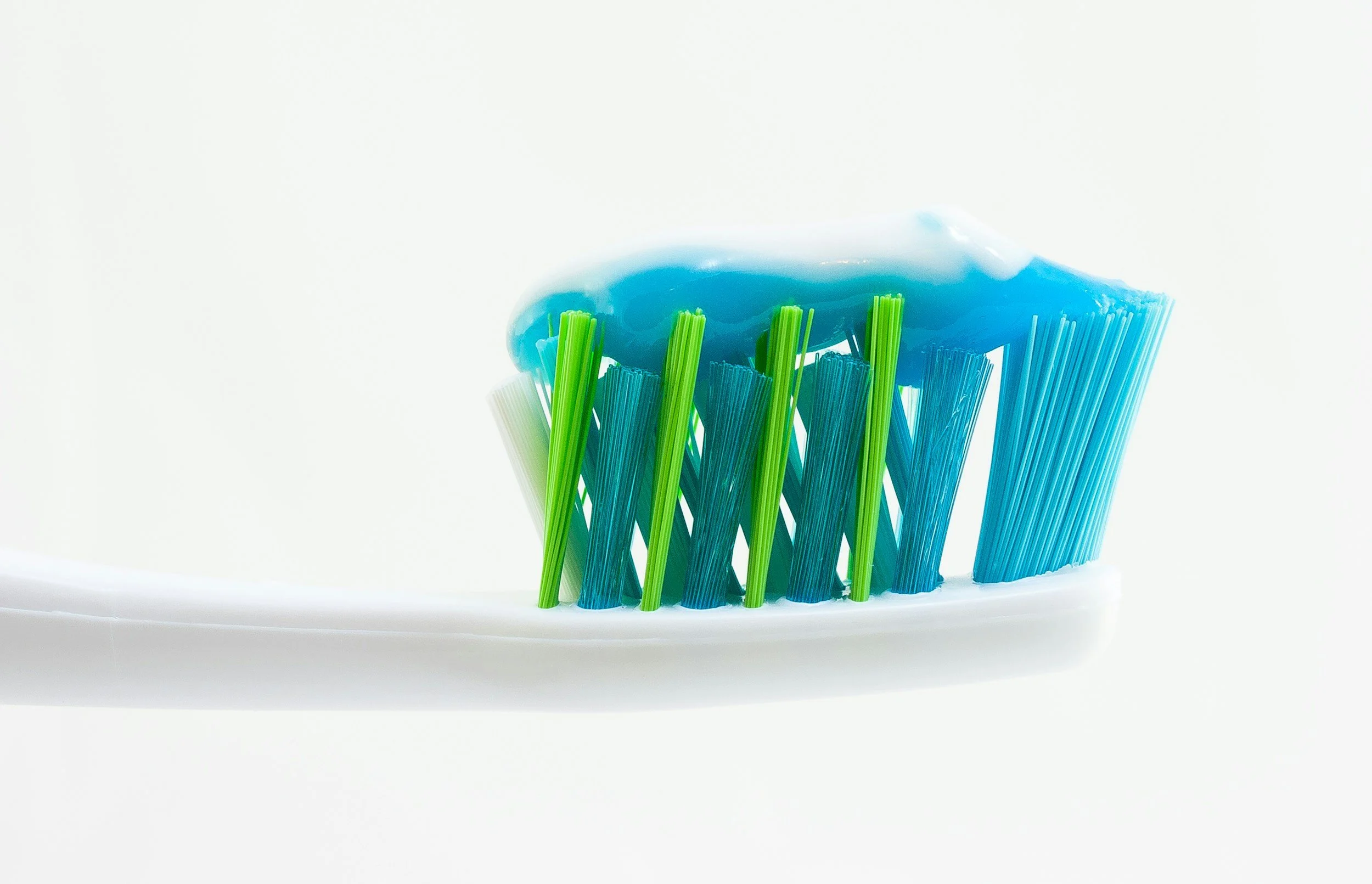
The Ultimate Toothpaste Guide 2.0 | What Dentists Really Use | CJ Henley, DMD
Jacksonville dentist Dr. CJ Henley, DMD shares what dentists actually use at home. Learn how to choose the best toothpaste for sensitivity, whitening, and long-term oral health.
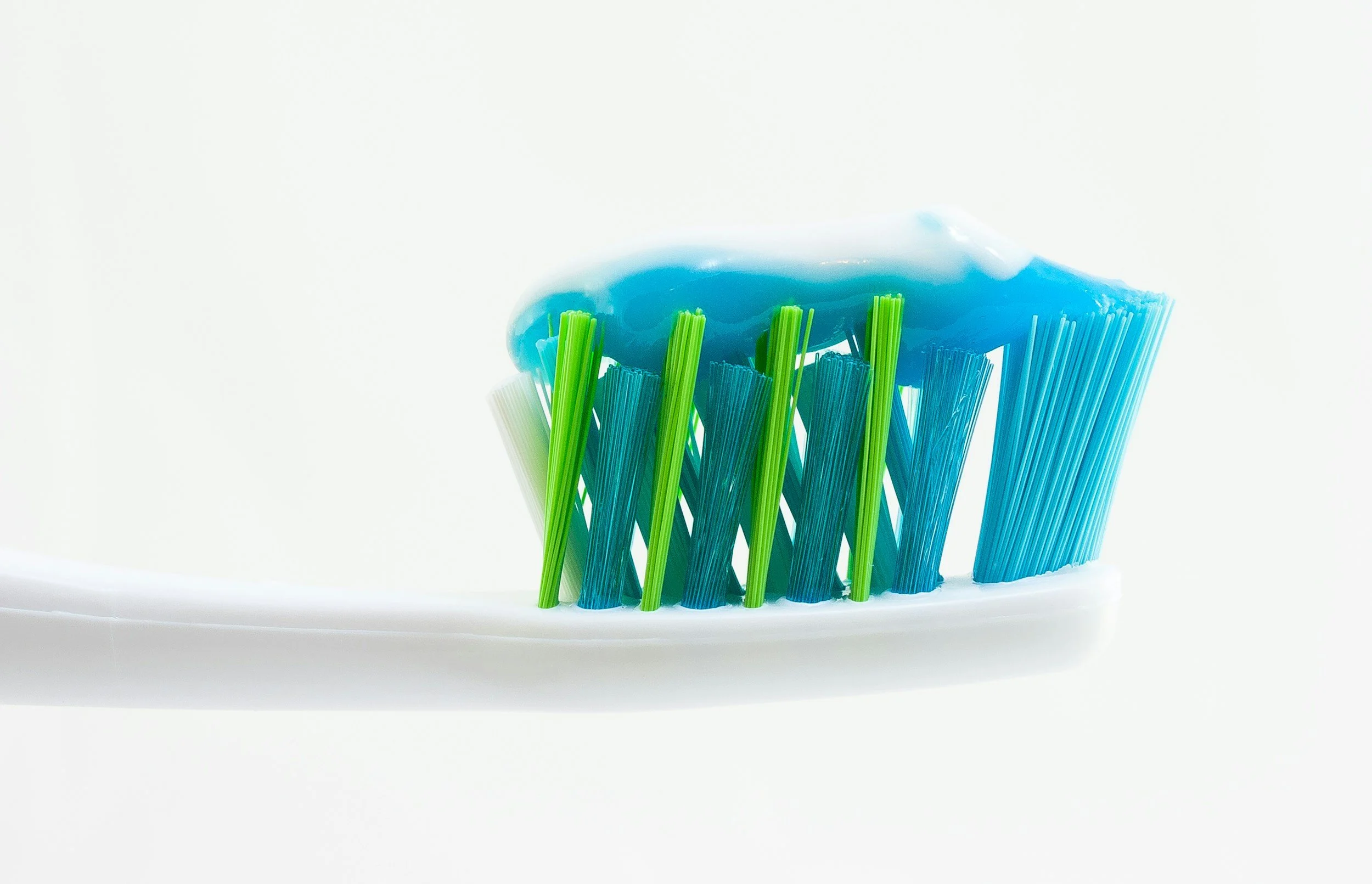
You can find thousands of toothpaste reviews online—celebrity endorsements, “top 10” lists, even influencers claiming coconut oil changed their lives. But how many of those voices actually treat real mouths every day? Let’s change that. This is the honest, dentist’s version of the ultimate toothpaste guide—what actually matters, what doesn’t, and what I personally use in my own bathroom cabinet.
The Myth of the “Perfect Toothpaste”
Here’s the truth: there’s no single best toothpaste for everyone. The right choice depends on your mouth—your enamel, your diet, your habits, and even your medical history. Still, most patients (and even some dentists) underestimate how much toothpaste can make or break your daily routine. It’s not just a flavor or foam preference. The right toothpaste can reduce sensitivity, prevent cavities, and even help preserve dental work for years.
What Dentists Look for in a Toothpaste
Forget the commercials for a second. Here’s what actually matters when you read that label:
1. Fluoride: The backbone of every effective toothpaste. It strengthens enamel and reverses early decay. Sodium fluoride or stannous fluoride—both are solid choices.
2. Abrasiveness (RDA): Abrasives remove surface stains but can also wear enamel or restorations. I avoid anything over 100 RDA for most patients.
3. Active Ingredients: Potassium nitrate for sensitivity. Stannous fluoride for gum health. Nano-hydroxyapatite for remineralization. Each serves a purpose.
4. The Stuff You Don’t Need: Charcoal, “natural” whitening agents, and oil pulling trends often sound appealing but can be misleading. If it’s overly abrasive, skip it.
What I Actually Use at Home
People always ask, “So, Dr. Henley, which toothpaste do you use?”
Here’s my honest rotation:
For everyday care: A fluoride toothpaste with mild abrasiveness (like Pronamel or Colgate Total).
For sensitivity: A desensitizing option like Sensodyne Repair & Protect.
For dry mouth or post-radiation patients: Biotène or any SLS-free fluoride toothpaste.
For whitening: I don’t use “whitening” toothpaste. They rarely change intrinsic color; professional whitening is the only way to do that safely.
When Toothpaste Alone Isn’t Enough
Even the best toothpaste can’t overcome bad habits. Brush twice a day for two minutes, use a soft brush, and floss (or use interdental brushes) daily. If your toothpaste feels like it’s not helping—bleeding gums, persistent sensitivity, discoloration—come see me. Sometimes, your mouth is trying to tell you something toothpaste can’t fix.
Bonus: Toothpaste Tips Most People Don’t Know
• Less is more. A pea-sized amount is plenty for adults. More foam doesn’t mean more cleaning.
• Don’t rinse immediately. Spit, don’t rinse—let fluoride stay on the enamel a bit longer.
• Match your needs. Post-cancer therapy, enamel wear, implants—all require specific formulations.
My Takeaway
If your toothpaste isn’t supporting your smile, it’s time to switch. Don’t fall for hype—look for ingredients that protect, strengthen, and heal. At the end of the day, toothpaste should work as hard as you do. And if you’re still unsure which one is best for your mouth, that’s what I’m here for. Schedule a visit, and we’ll create a personalized care plan that goes way beyond the tube.

10 Biggest Causes of Tooth Sensitivity
Are your teeth tender? From acidic foods to certain toothpastes, a number of culprits could be to blame.
Sensitive teeth can hurt with cold drinks, hot foods or brushing. There is more than one possible cause, so the useful first step is to identify the trigger and have persistent symptoms checked.
What can cause tooth sensitivity?
Ten possibilities to discuss with your dentist include:
Exposed roots from gum recession.
Loss of enamel protection.
Brushing too forcefully.
Acid exposure.
Tooth decay.
A cracked tooth.
A worn or damaged filling.
Gum disease.
Recent restorative treatment.
Recent whitening.
These are possibilities, not a diagnosis or a ranking of which cause is most likely for you. Tell the dentist whether one tooth or several are affected and whether the discomfort stops quickly or lingers.
Can toothpaste help?
Desensitizing toothpaste can help some forms of sensitivity, but it does not repair a crack or cavity. Use it as directed and discuss persistent symptoms. Our toothpaste guide explains how to compare products.
What if the sensitivity began after a filling?
Recent treatment belongs in the history. Read our specific guide to pain after a filling and contact the treating dentist if the symptoms worsen, linger or occur when you bite. Do not assume every new symptom is part of normal healing.
What if I also grind my teeth?
Mention clenching, morning jaw discomfort and changes in your bite at the appointment. Our bruxism information explains how tooth wear and jaw symptoms are evaluated. A guard does not substitute for finding the cause of a painful tooth.
When should I have sensitive teeth checked?
Arrange an examination for recurring sensitivity, a single painful tooth or discomfort that interferes with eating. Review urgent dental care if pain is severe or accompanied by swelling.
Discuss sensitive teeth in Jacksonville
Contact C.J. Henley, DMD on Hendricks Avenue near San Marco. Bring the names of products you use and explain when the symptoms started. A comprehensive dental examination can connect the symptom pattern with the condition of the teeth and restorations.
Further reading: American Dental Association: sensitive teeth.
Updated October 1, 2026.

8 Foods to Avoid If You Have Sensitive Teeth
Leaving certain foods off of your menu — think hot, cold, sugary, sticky, and acidic — may help ease tooth sensitivity.
Having sensitive teeth is common: As many as 40 million Americans report having some pain in their teeth when eating or drinking hot, cold, acidic, sticky, or sugary foods, according to the Academy of General Dentistry (AGD). Women and young adults as well as those with receding gum lines reported the most tooth sensitivity in a study of nearly 800 patients at dental practices in the northwestern United States that was published in The Journal of the American Dental Association in March 2013.
While foods that are very hot or very cold can cause tooth pain, avoiding these eight foods in particular may help you find relief:
1. Soda. This is one of the top foods to avoid for sensitive teeth, says John T. Grbic, DMD, a professor of dental medicine and director of the division of foundational sciences at Columbia University College of Dental Medicine in New York City. Soda has two ingredients that can irritate exposed teeth nerves: sugar and acid, he says, "so it’s a double whammy.”
2. Ice cream. “Ice cream is not only cold, but it has sugar that can cause teeth to be more sensitive,” says Jordan Taylor, DMD, a dentist with Stonecreek Dental Care in Huntsville, Alabama. People with sensitive teeth lack the enamel layer that acts as a protective barrier. “Without that layer of enamel to insulate your nerves, the temperature of the food can be more aggravating,” he says.
3. Hot coffee. Hot foods can also cause your teeth to hurt, and sweetening your steaming coffee with sugar can make pain even worse. Dr. Taylor suggests adding some milk to your coffee. The milk helps to slightly lower the temperature of the coffee as well as its acidity, so it’s less damaging to your teeth, he says.
4. Hard candy. When you have sensitive teeth, skip hard candy such as lollipops, peppermints, and suckers. Not only are they full of sugar that can cause tooth pain, but they could also cause teeth to chip or break, according to the American Dental Association.
5. Sticky candy. These sweet treats, such as toffee, caramel, gummy bears, and licorice, have a few strikes against them, especially for people with tooth sensitivity. Besides being full of sugar, they can stick to your teeth.“Extremely sweet and sticky foods can stimulate the nerves in the dentine, which is similar to tooth enamel but not as hard, and has tiny microscopic holes to further expose the nerves,” says Eugene Gamble, MClinDent, a periodontics specialist and oral surgeon in the United Kingdom.
6. Citrus fruits. Pineapple, grapefruit, lemons, and limes are all highly acidic fruits, and the acid can make your teeth more sensitive, according to the AGD. This is because they wear away at tooth enamel. Keep in mind that both eating these fruits and drinking the fruit juice can trigger tooth sensitivity and pain.
7. Tomatoes. Although tomatoes are a good source of vitamins, especially vitamin C, they're also highly acidic, so be sure to avoid them if your teeth are sensitive, says Victoria Veytsman, DDS, of Cosmetic Dental Studios in New York City. Note that tomato sauce as well as raw tomatoes can trigger tooth sensitivity.
8. Ice. Even if you can tolerate cold drinks, resist the habit of chewing ice, Dr. Grbic says. Ice can be problematic for sensitive teeth, because it's both cold and hard.
If you have sensitive teeth and symptoms persist for more than a few weeks or become unbearable, be sure to talk to your dentist. Sensitive teeth may be a sign of a more serious health issue, such as a cavity or abscess that needs to be treated, according to the Oral Health Foundation.

Are You Brushing Your Teeth Too Hard?
If you have sensitive teeth, brushing too hard or using the wrong toothbrush altogether can make symptoms worse. Learn the proper technique for brushing your teeth.
Brushing harder does not clean your teeth better. Gentle brushing with a soft-bristled brush helps remove plaque while reducing unnecessary pressure on teeth and gums. If your gums are receding or your teeth are sensitive, have the cause checked rather than simply changing brushes.
How should I brush without scrubbing my gums?
Use a soft-bristled brush, light pressure, and small controlled movements along the gumline. Brush twice a day with fluoride toothpaste and clean between teeth daily. Ask your dental team to watch your technique if you are unsure. A brush with visibly splayed bristles may be a reason to reassess the pressure you use.
Is brushing too hard the only cause of receding gums?
No. Gum disease, tooth position, and other factors can contribute. Recession means the gum margin has moved away from part of the tooth, sometimes exposing the root. The appearance alone does not show why it happened or which treatment is appropriate. A comprehensive dental examination can assess the gums, roots, cleaning habits, and surrounding teeth.
Can receding gums cause sensitivity?
Exposed root surfaces can be sensitive, but decay, cracks, and other problems can also cause discomfort. Our tooth-sensitivity guide explains reasons to seek an evaluation. A toothpaste chosen for your needs may help with symptoms; it does not establish the diagnosis.
What treatments are available for gum recession?
The first step is identifying and addressing the cause. That may involve improving cleaning technique, treating gum disease, managing sensitivity, or discussing specialist care when appropriate. A gum graft is an option in selected cases, rather than an automatic treatment for every receding gum.
Should bleeding gums be checked?
Yes, especially if bleeding persists or concerns you. Bleeding can reflect inflammation, brushing trauma, medication effects, or other factors. Do not assume the solution is harder brushing. Our diet and dental-health guide also explains why supplements do not replace a gum examination.
Get brushing advice in Jacksonville
At CJ Henley, DMD on Hendricks Avenue near San Marco, bring your brush or describe your home routine at your next visit. We can connect practical home-care advice with your examination findings. Contact the office if you notice new recession, bleeding, or sensitivity.
Further reading: ADA: Bleeding gums; ADA: Gum disease.
Updated October 1, 2026.